Does Home Depot Cut Plywood? Cut Plans for a 4×8 Sheet
Home Depot will cut plywood you buy there on its in-store panel saw, but only as straight rip cuts and crosscuts. The free-cut allowance and any per-cut fee are set store by store, so published numbers vary. This guide covers what the saw can and cannot do, how many cuts common sizes take from a 4×8 sheet, and when to finish the job at home.
Types Of Plywood Available At Home Depot
Best Saw Guide Rail Pick
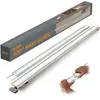 |
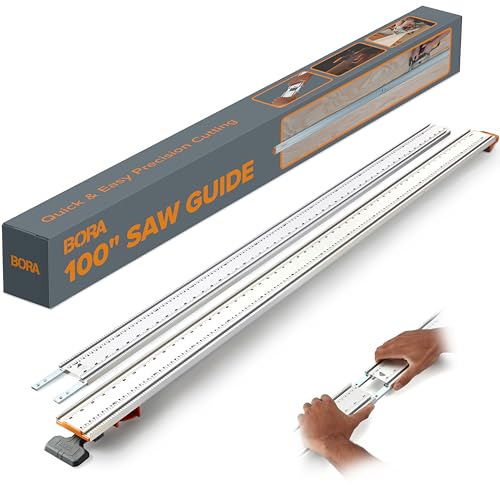
BORA NGX 100-Inch Circular Saw Guide Rail ($89.99) A full sheet is 96 inches long, and this rail is listed at 100 inches (a 50-inch clamp edge plus a 50-inch extension), so it covers a full-length rip. That is the home-cut route this guide points to when the store saw cannot make your cut.
|
As an Amazon Associate we earn from qualifying purchases.
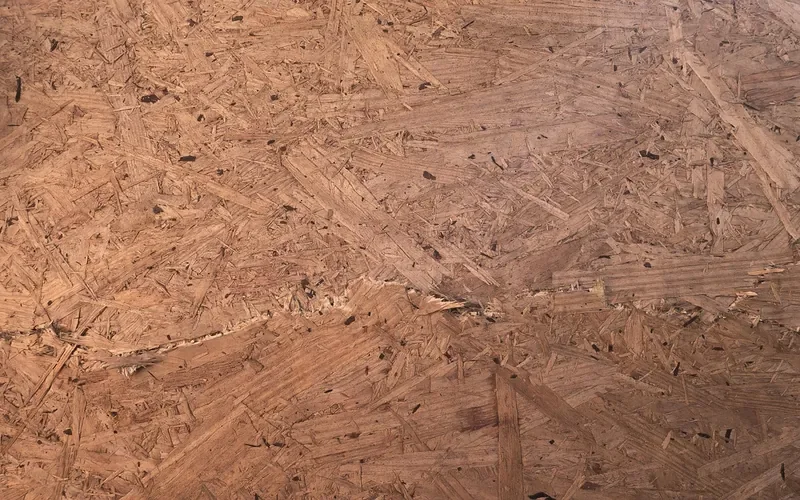
The plywood aisle usually carries OSB, CDX sheathing plywood, sanded birch and other hardwood plywood, MDF, and siding panels, plus smaller project panels. Stock differs from store to store, so check the product page for your store before you drive over. For what each type costs per sheet, see our Home Depot plywood price guide. This table covers a different question: what matters when the sheet goes on the saw.
| Plywood type | Typical use | What to know before it is cut |
|---|---|---|
| OSB | Subfloors, wall and roof sheathing | Pressed wood strands, so the cut edge is rough and sheds dust; fine for structural pieces, not for exposed furniture edges |
| CDX plywood | Sheathing, subfloors, rough work | Unsanded face with knots and patches; cut edges are rough, so sand or cover any edge you will touch |
| Sanded birch or hardwood plywood | Cabinet boxes, shelves, furniture | The thin face veneer can chip at the cut line, so mark your good face before the cut |
| MDF | Painted projects, cabinet backs | Heavy for its size and makes fine dust, so cutting it down in the store saves you carrying a full sheet |
| Siding panels | Sheds, exterior walls | Seal or paint cut edges before they see rain, since a fresh cut exposes unprotected wood |
Pre-Cut Plywood Panels At Home Depot
Home Depot also sells smaller pre-cut project panels, commonly in sizes like 2×4 feet, in thinner stock and several species. If your project needs only one or two small pieces, a pre-cut panel can save you the cuts and the trouble of hauling a full sheet. Panels you buy this way can often be trimmed further at the saw, but availability and sizes vary by store.
Utilizing Cutting Services At Home Depot
The service is simple: buy the sheet, take it to the lumber area, and ask an associate to cut it. In most stores associates run the panel saw, so you do not cut it yourself. The saw makes one straight pass at a time, which is why your cut count matters later in this guide.
- Write the cut list first. Final dimensions, which edge each is measured from, and how many pieces of each.
- Buy the sheet at that store. The cutting service is described as applying only to material bought there.
- Find an associate at the lumber area. Ask about the free-cut allowance and any per-cut fee before the first pass.
- Mark and check each piece. Label the pieces with a pencil and measure one before you leave.
What To Bring And Mark Before Requesting A Cut
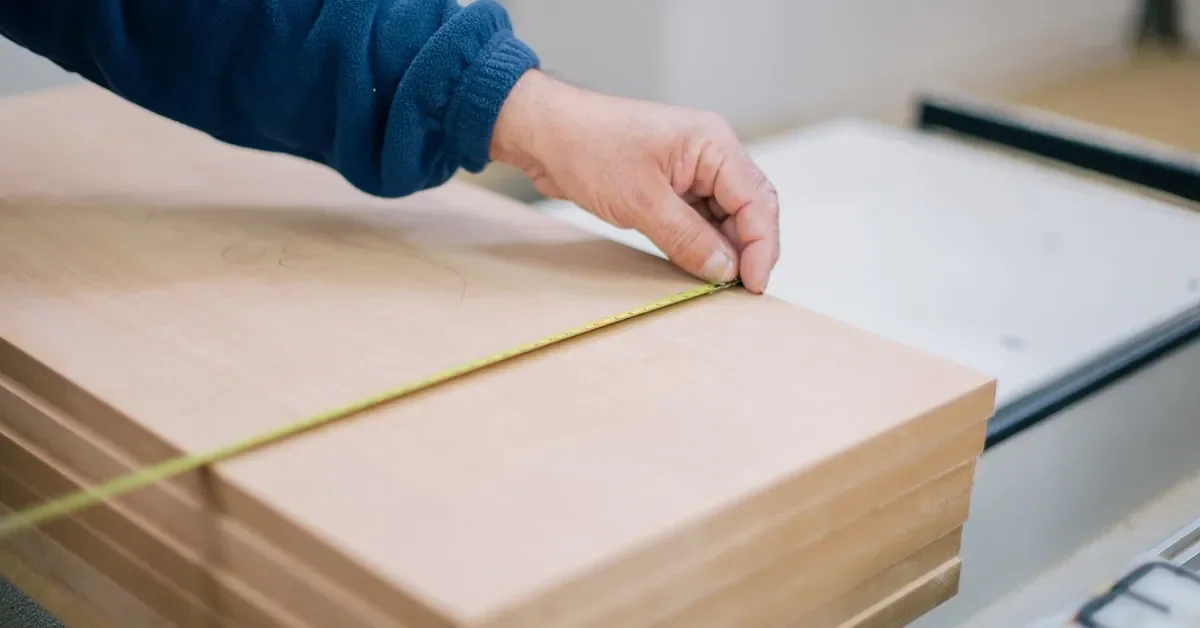
- A tape measure, so you can check the first piece against your list.
- A written cut list with the final size of every piece and the good face marked.
- Your receipt, in case the associate asks to confirm the sheet was bought there.
- Straps or a vehicle plan: a cut-down sheet fits in far more vehicles than a full 4×8.
Here is a short video of a real Home Depot cut so you know what to expect at the saw.
Types Of Cuts Offered For Plywood
A plywood cut is either a rip or a crosscut. A rip runs along the 8-foot length of the sheet. A crosscut runs across the 4-foot width. Plywood face grain normally runs the long way, so a rip goes with the face grain and a crosscut goes across it, which matters for shelves because a panel is stiffer along its face grain.
The store saw does not make angled cuts, bevels, curves, dados or notches. Some guides also mention a minimum piece size of roughly 6 to 12 inches, which varies by store.
Standard Cuts And Their Dimensions
A 4×8 sheet is 48 by 96 inches, or 32 square feet. The saw makes one pass at a time, so the number of cuts depends on how you divide the sheet. This table gives the count for common splits, worked out from the sheet size.
| What you want | Pieces | Saw passes | How it breaks down |
|---|---|---|---|
| Two 4×4 ft half sheets | 2 | 1 | One crosscut at 48 inches |
| Two 2×8 ft strips | 2 | 1 | One rip at 24 inches |
| Four 2×4 ft panels | 4 | 3 | One rip at 24 inches, then one crosscut on each strip at 48 inches |
| Eight 2×2 ft squares | 8 | 7 | One rip, then three crosscuts on each of the two strips |
| Eight 12×48 inch shelves | 8 | 7 | Three rips into four 12-inch strips, then one crosscut on each strip |
Plan for the blade width too. Each pass removes a strip called the kerf, commonly around 1/8 inch for a standard blade, though the saw at your store may differ. Cutting a 48-inch side into four 12-inch strips takes three passes, so if you ask for exactly 12 inches each time, the last strip comes out about 3/8 inch narrower. Ask for the final piece to be whatever is left, or size every piece a little under 12 inches.
Custom Cuts And Their Feasibility
Any width or length is possible as long as the cut is straight. Sheets are trimmed at the mill and a corner is not guaranteed perfectly square, so ask the associate to measure every cut from the same factory edge. That keeps pieces consistent with each other even when the sheet is slightly out of square. Give the dimensions as final sizes, not as the amount to remove.
Policies On Multiple Cuts Or Bulk Orders
Free-cut allowances and limits are set by the individual store, and reports vary, so there is no single number to rely on. Some stores may cap cuts per sheet or per visit, and a long cut list at a busy desk can run into those limits. If you are cutting several sheets, call ahead, ask when the saw is least busy and bring the cut list written out. Our shorter explainer on the free-cuts question and our broader guide to Home Depot cutting all wood cover the rest of the policy picture, including lumber and boards.
Accuracy And Limitations Of Home Depot’s Cutting
Store cuts are for rough sizing. Guides describe the results as functional, not precise, and a variation of about 1/8 inch is the figure most often cited. That is fine for shelving, subfloors and framing panels. It is not good enough for a cabinet box where two pieces have to meet flush.
| Job | Store panel saw | Better at home |
|---|---|---|
| Breaking a sheet down so it fits your vehicle | Good | Not needed |
| Shelves, subfloor, sheathing, shop projects | Good | Optional |
| Cabinet boxes and furniture joinery | Rough sizing only | Table saw or guide rail for final size |
| Angles, bevels, curves, dados | Not offered | Circular saw, jigsaw, router or table saw |
Tolerances And Precision Of The Cutting Equipment
The practical fix is to ask for pieces about 1/4 inch bigger than final size when fit matters, then trim them at home against a straight edge. A clamp-on guide rail with a circular saw can follow a line closely, and a pass with a sharp blade also cleans up the rough store edge. Our guide on cutting plywood without splintering covers blade choice and taping the line.
Material Limitations And Handling Guidelines
Real thickness is another detail that catches people. Plywood sold as 3/4 inch is typically a little thinner, with about 23/32 inch being the usual actual figure, and the other common sizes also run slightly under their names. That matters when you cut a dado or plan a joint to fit the board, so measure the actual sheet with calipers before you set up a cut. For thickness choices on a specific build, see what thickness plywood to use for a bed base.
| Sold as (inches) | Typical actual thickness (inches) |
|---|---|
| 1/4 | 7/32 |
| 3/8 | 11/32 |
| 1/2 | 15/32 |
| 5/8 | 19/32 |
| 3/4 | 23/32 |
How To Achieve The Best Results
- Write every dimension as a final size and say which edge it is measured from.
- Mark the good face of the sheet before the first pass.
- Check the first piece with your own tape before the associate cuts the rest.
- Leave about 1/4 inch extra on pieces that need a precise fit.
- Ask where the blade exits the veneer if face chipping would matter to the project.
After The Cut: What To Know
Storage And Transportation Tips For Cut Plywood
Keep cut plywood flat on a level support, or stand it upright against a wall with full-length support, since a sheet leaned at a steep angle can bow. Keep it dry and off a damp concrete floor. Tie pieces down in the vehicle so they cannot slide, and carry them on edge. Cut ends of exterior panels should be sealed before they see weather.
Handling Charges And Cost Considerations
Any per-cut fee is set by the store. One third-party guide reports 25 to 50 cents for each cut after the free allowance, but we could not read a current Home Depot figure, so confirm at the desk. Whether a store counts every pass of the saw as a cut is also worth asking, because the table above shows how fast a split sheet adds up.
Alternatives If Cuts Do Not Meet Specific Needs
If the store cannot make your cut, a circular saw with a guide rail handles long straight rips and trimming, and a table saw is better for repeat cuts of identical width. A local lumberyard or cabinet shop may offer closer tolerances. Lowe’s is a separate option: see how its policy compares in our Home Depot or Lowe’s cutting guide. For background on grades and types, our plywood basics guide is the place to start.
Frequently Asked Questions: Does Home Depot Cut Plywood
Does Home Depot cut plywood for free?
Often the first cuts are free, but the allowance is set by each store and published numbers range from a couple of cuts to a dozen or more per visit. Some guides report about 25 to 50 cents for each extra cut. Ask at the lumber desk before you plan the whole sheet around a free-cut count.
Does Home Depot cut plywood to size for customers?
Yes. Tell an associate at the lumber area your final dimensions and they will make straight cuts on the store’s panel saw. In most stores the cutting applies to sheets you buy there that day, so write your cut list before you get in line.
Will Home Depot cut plywood to size?
Yes, with limits. Expect straight rip cuts and crosscuts only. Angles, bevels, curves, dados and notches are not part of the service, so those cuts need a circular saw, jigsaw or table saw at home.
How accurate is Home Depot’s plywood cutting?
Treat it as rough sizing. Guides commonly describe the cuts as functional rather than precise, and the 1/8 inch figure is widely cited, though not from a Home Depot source we could read. For cabinets or tight joinery, ask for pieces about 1/4 inch oversize and trim them at home.
Can you bring your own plywood to Home Depot to cut?
Generally no. The service is described as applying to lumber and sheet goods bought at that Home Depot. Plywood from another store or left over from an earlier project is usually refused, so cut it at home instead.
Will Lowes or Home Depot cut plywood for you?
Both chains offer in-store cutting of sheet goods you buy from them, and each store sets its own limits and fees. Our Home Depot vs Lowe’s cutting comparison covers the differences.
How do you cut plywood at home?
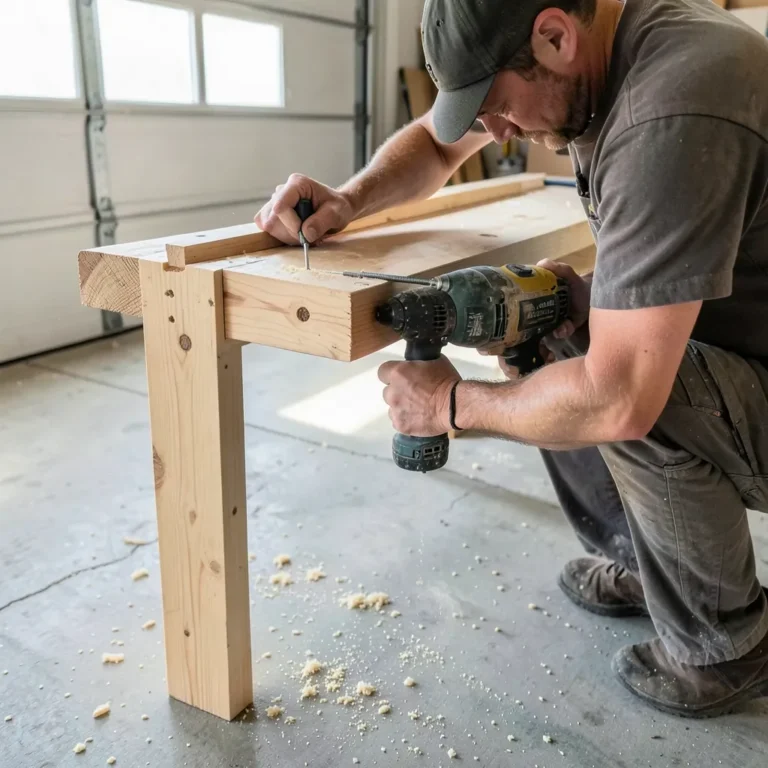
Support the whole sheet on sawhorses or a sheet of rigid foam, set the saw blade just deeper than the plywood, and clamp a straight edge or guide rail along the line. Score or tape the cut line to reduce chipping and wear eye and ear protection.
Conclusion
Home Depot cuts plywood you buy there with a panel saw, making straight rips and crosscuts only. Use it to break a 4×8 sheet into pieces that fit your vehicle and your workshop, count your passes before you reach the desk, and keep final fitting for a saw and straight edge at home. Rules and fees vary by store, so confirm them with your local lumber desk.
Sponsored / affiliate links. As an Amazon Associate I earn from qualifying purchases. I may earn additional commission from eligible campaigns.