African Mahogany Vs Sapele: Which Wood is Best for Your Project?
African Mahogany and Sapele are popular choices for wood projects. Both offer unique qualities and stunning appearances.
Comparing these two types of wood helps you make an informed decision. By understanding the differences, you can choose the best material for your needs. We will explore the characteristics, benefits, and uses of African Mahogany and Sapele. This will help you decide which wood is best for your next project.
Let’s dive in and discover what makes each wood unique.
Introduction To African Mahogany And Sapele
African Mahogany and Sapele come from Africa. African Mahogany is found in West Africa. Sapele is found in Central Africa. Both woods have a long history of use. They are used in making furniture and boats.
African Mahogany became popular in the 18th century. Sapele became popular in the 19th century. Both have unique properties. They are valued for their beauty and strength.
African Mahogany has a reddish-brown color. It is known for its straight grain. It is easy to work with. The wood is durable and resistant to decay. Sapele has a darker color. It has an interlocking grain. This makes it harder to work with but gives it a unique look. Sapele is also durable and resistant to decay.
Both woods are used in high-quality products. They are popular choices for guitars and cabinets. Their beauty and durability make them favorites.
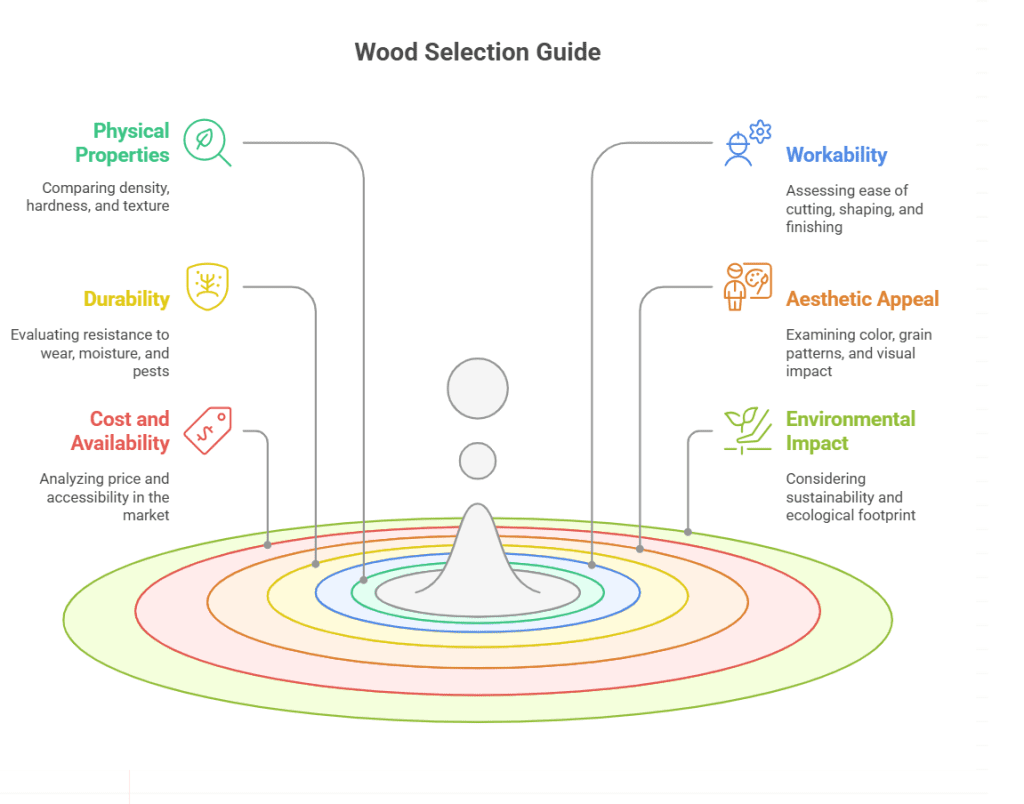
Physical Properties
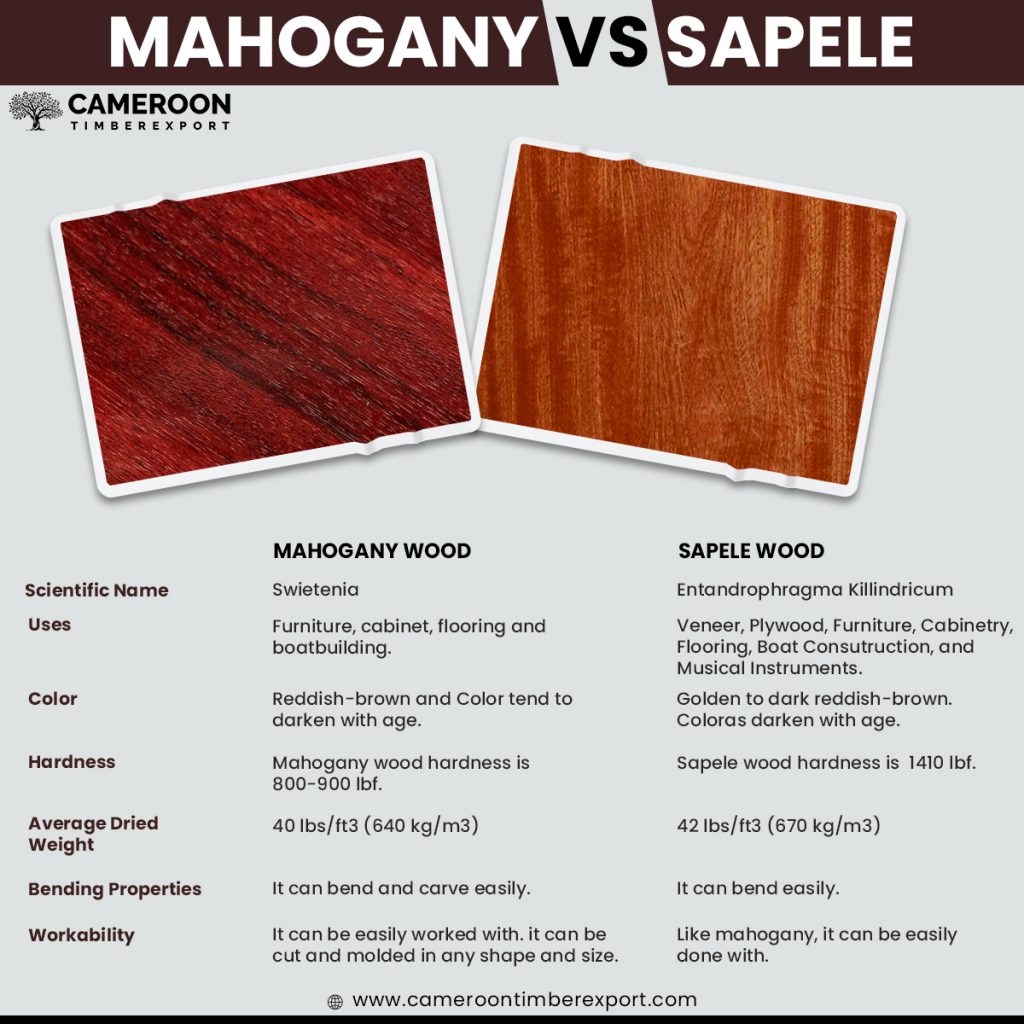
African Mahogany has a rich, reddish-brown color. Sapele wood is more golden to dark brown. Both woods have beautiful grain patterns. Mahogany’s grain is straight or interlocked. Sapele has a wavy or curly grain. The patterns in Sapele make it unique. Both woods look elegant and classy.
African Mahogany is less dense than Sapele. Sapele is harder and heavier. Mahogany is easier to work with. Sapele is more durable and resistant. Both woods are strong and reliable. Perfect for furniture and flooring.
Workability And Tools
African Mahogany is easy to cut and shape. It is a great choice for beginners. Sapele can be a bit harder to work with. It needs more effort to cut and shape.
Both woods need sharp tools. Hand saws and chisels work well. Power tools like jigsaws and routers are also good. Sanding is important for a smooth finish. Both woods respond well to sanding.

Credit: ettfinewoods.com
Durability And Stability
African Mahogany is very durable. It resists decay and insects well. This makes it great for outdoor use. Furniture makers love it too.
Sapele is also durable. But it is less resistant to insects. It can decay faster than African Mahogany. So, it is better for indoor use.
African Mahogany handles climate changes well. It does not warp or crack easily. This wood stays stable in different weather.
Sapele can change with the weather. It may warp or crack. This makes it less stable than African Mahogany. Care is needed when using it in changing climates.
Aesthetic Appeal
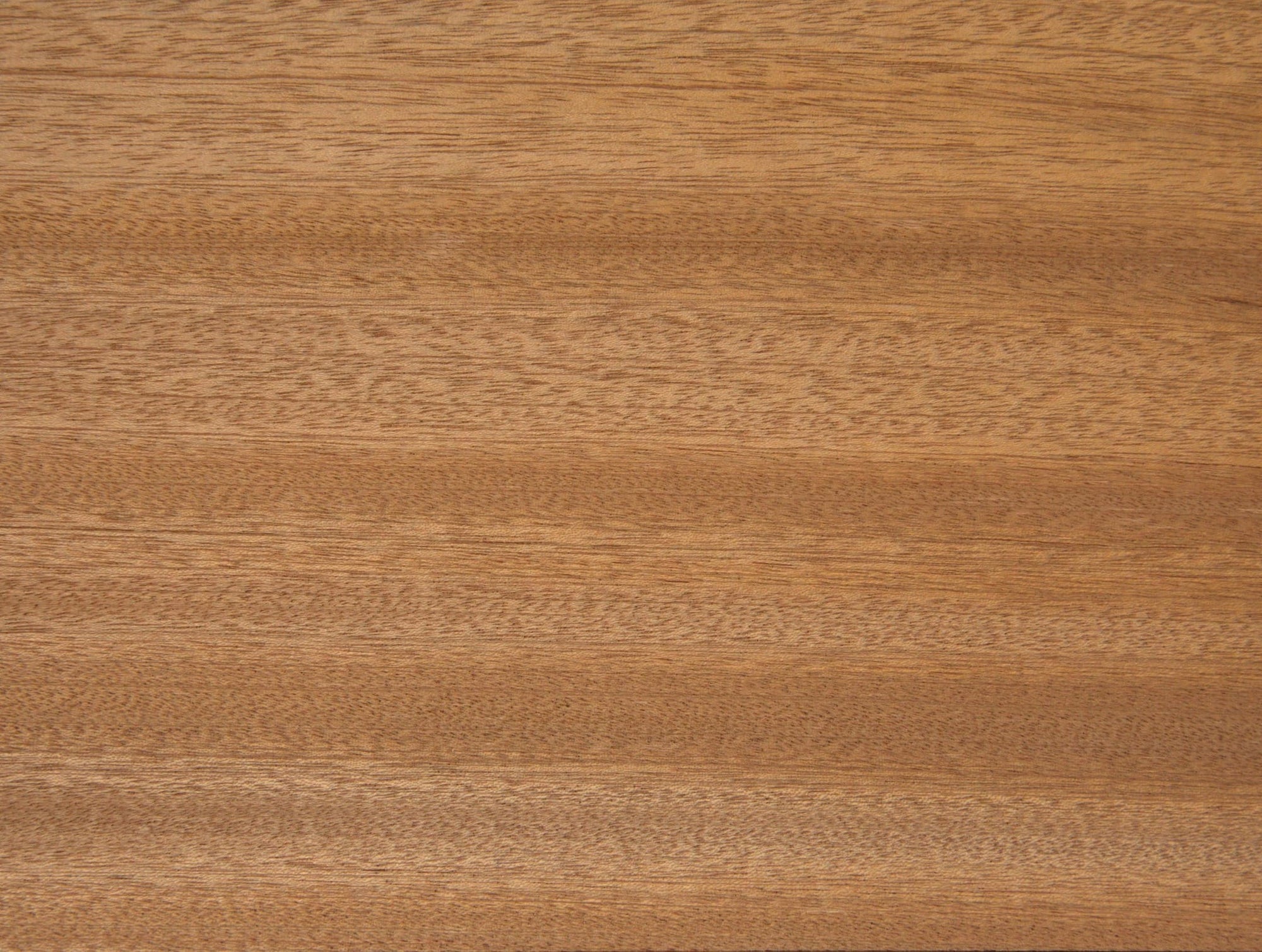
African Mahogany offers a warm, reddish-brown tone with a straight grain. Sapele features a darker, more vibrant hue with beautiful, interlocked grain patterns. Both woods add rich, elegant aesthetics to furniture and interiors.
Finish And Polish
African Mahogany has a smooth surface. It takes polish well. The finish looks rich and deep. Sapele offers a glossy shine. It has a natural luster. Both woods can look amazing with the right care. Good polishing makes a big difference. Each wood has its unique charm.
Visual Appeal In Different Projects
African Mahogany fits well in furniture. It has a warm tone. Sapele is great for floors. It has a reddish-brown color. Both can be used in music instruments. The visual impact is stunning. Each project can look unique with these woods. They add beauty to any space.
Credit: realcraft.com
Cost And Availability
African Mahogany is usually more expensive than Sapele. This is because African Mahogany is often considered higher quality. Sapele is more affordable. Many people choose Sapele for budget projects.
African Mahogany comes from West Africa. Sapele is found in Central and West Africa. Both woods are available worldwide. Supply can vary based on demand.
Environmental Impact
African Mahogany and Sapele are both sustainable choices. African Mahogany trees grow fast. They need less water. Sapele trees grow slower. They need more care. Both woods can be harvested responsibly. This means they can be grown again.
Both woods can have eco-friendly certifications. These certifications show the wood is good for the planet. Look for FSC or PEFC labels. These labels mean the wood comes from well-managed forests. Always check for these labels when buying wood.
Credit: cameroontimberexport.com
Ideal Uses And Applications
African Mahogany is great for making elegant furniture. It has a rich color and smooth texture. This wood is also easy to work with. Sapele is also popular for furniture. It has a fine grain and reddish-brown color. Sapele is more durable than African Mahogany. Both woods are used for making tables, chairs, and cabinets.
African Mahogany is used in making guitars and pianos. Its warm tone is loved by musicians. Sapele is also used in musical instruments. It gives a bright sound and is stronger than African Mahogany. Sapele is often used for making acoustic guitars and drum shells. Both woods produce high-quality sound.
Frequently Asked Questions
What Are The Disadvantages Of Sapele Wood?
Sapele wood is prone to warping and twisting. It can be difficult to work with due to interlocking grain. Its durability is lower compared to other hardwoods. It may require frequent maintenance to keep its appearance. Sapele is also sensitive to moisture changes.
Is African Mahogany Good?
African Mahogany is durable and strong. It offers a beautiful reddish-brown color. Perfect for furniture and cabinetry.
What Is Another Name For African Mahogany?
Another name for African Mahogany is Khaya. It is a popular hardwood used in furniture and construction.
Is African Mahogany Real Mahogany?
African Mahogany is not true mahogany. It belongs to the Khaya genus, unlike genuine mahogany from the Swietenia genus.
Conclusion
Choosing between African Mahogany and Sapele depends on your needs. African Mahogany offers a rich, warm tone. Sapele provides a unique, striped appearance. Both woods are durable and beautiful. Consider the project and your personal style. Think about cost, too.
African Mahogany tends to be pricier. Sapele is a more budget-friendly option. Both woods are excellent choices for furniture and interiors. Make an informed decision and enjoy the beauty they bring.