Are Cherry Stains Permanent Removal Tips
That moment when a bright red cherry juice splashes onto your favorite shirt, or worse, your new sofa, can be a sinking feeling. You might immediately wonder, “Is this stain going to be a permanent reminder of this happy snack?” It’s a common worry, as berry stains are notorious for their vibrant pigment. But before you panic and resign yourself to a stained item, know that with the right approach, many cherry stains can be tackled successfully.
This post will guide you through what makes cherry stains so stubborn and provide effective removal tips to help you restore your belongings.
Understanding Cherry Stains
Cherry stains are often tough because cherries contain natural pigments called anthocyanins. These are powerful colorants that readily bind to fabric fibers. The natural sugars in cherry juice can also help the stain set, especially if it’s exposed to heat, like from a dryer, before being fully removed.
This makes prompt action incredibly important. The longer a cherry stain sits on a material, the harder it becomes to lift out completely. Different fabric types also react differently to stains; porous materials like cotton and linen can absorb stains more deeply than smoother, synthetic fabrics.
Why Are Cherry Stains So Stubborn?
The primary reason cherry stains are difficult to remove is the high concentration of anthocyanins. These compounds are water-soluble, which is good for initial rinsing, but they are also very potent and can quickly penetrate fabric pores. When you combine this with the natural sugars present in cherry juice, which can caramelize with heat and further bind the pigments to the fibers, you have a recipe for a challenging stain.
Even dried cherry residue can contain these powerful colorants, making it seem like the stain is there to stay.
Factors Influencing Stain Removal
Several factors influence how easy or difficult it will be to remove a cherry stain. The type of fabric is a major one. Natural fibers like cotton and linen tend to absorb stains more readily than synthetic materials like polyester.
The age of the stain also plays a significant role; fresher stains are almost always easier to treat than dried, set-in ones. The temperature of the water used during cleaning is another critical factor. Hot water can actually set certain stains, including cherry stains, making them much harder to remove.
Finally, the cleaning agents used and the method of application can greatly impact the outcome.
Pre-Treatment Steps for Cherry Stains
Before attempting any specific cleaning method, there are crucial pre-treatment steps that can dramatically improve your chances of success. Acting quickly is the most important thing you can do when a cherry stain occurs. Don’t rub the stain, as this can spread it and push the pigment deeper into the fabric.
Immediate Action: Blotting and Rinsing
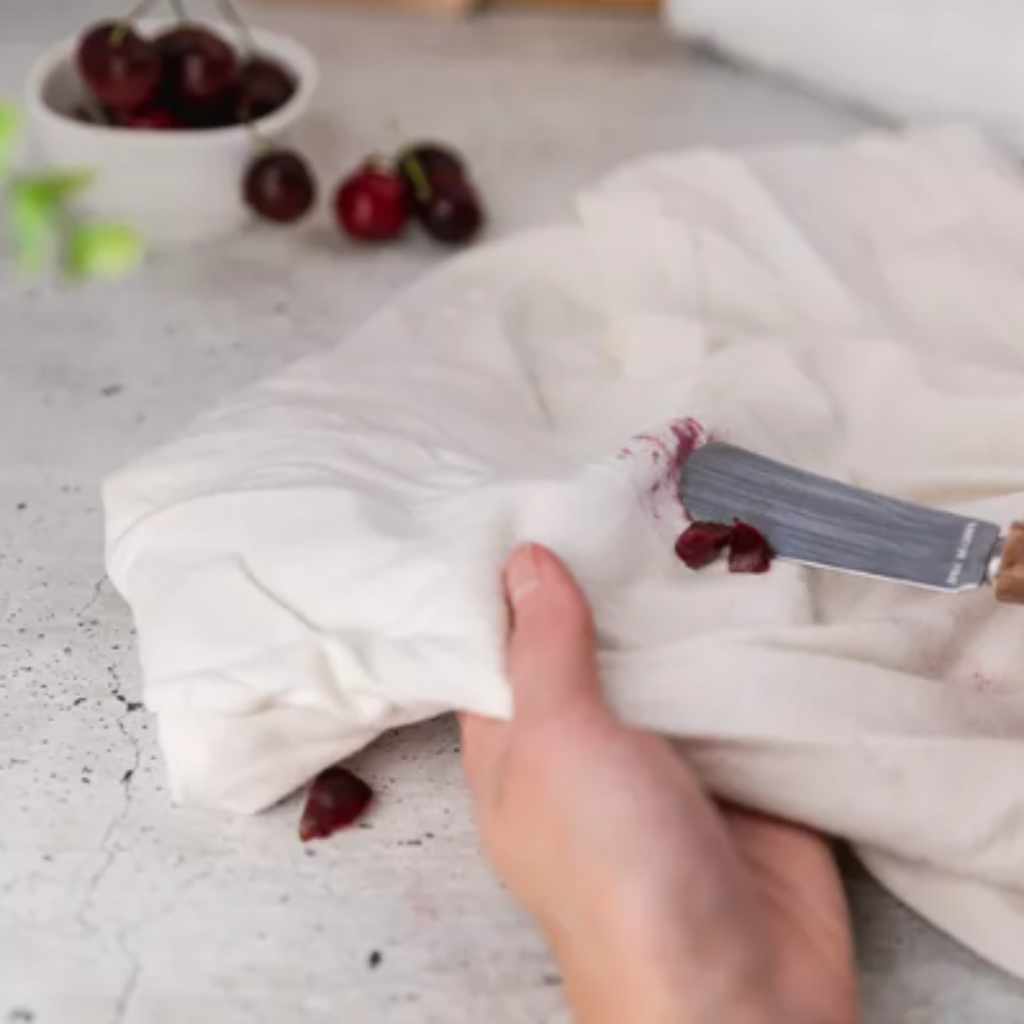
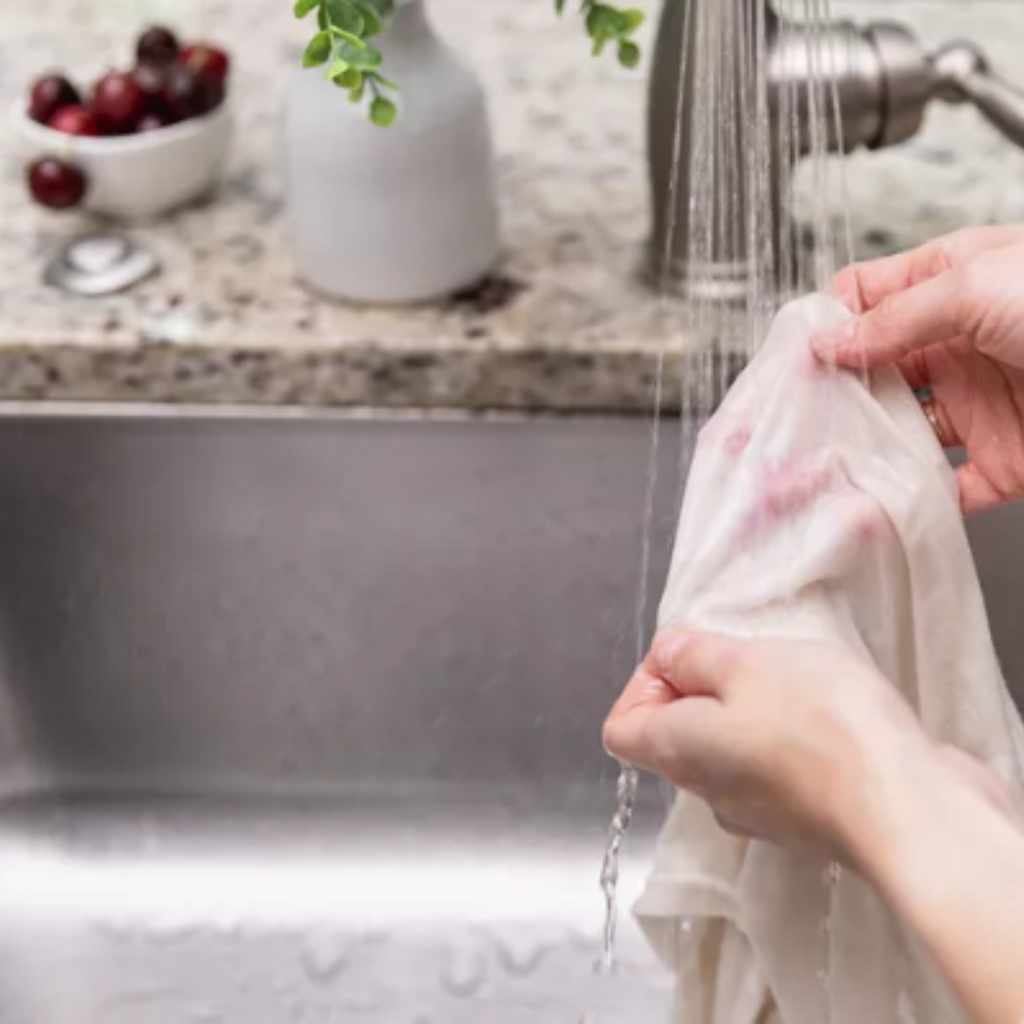
The very first thing to do is gently blot the stained area with a clean, white cloth or paper towel. The goal is to absorb as much of the excess cherry juice as possible without spreading it. Once you’ve blotted away the surface liquid, rinse the stained area from the back of the fabric with cold water.
This helps to push the stain out of the fibers rather than further into them.
Testing Cleaning Agents
Before applying any stain remover to the main stain, it is always a good practice to test it on an inconspicuous area of the fabric. This is especially true for delicate fabrics or brightly colored items, as some cleaners can cause discoloration or damage. A small spot on an inside seam or hem is ideal for this.
Effective Cherry Stain Removal Methods
Once you’ve pre-treated the stain, you can move on to specific removal techniques. A combination of methods might be necessary for stubborn stains.
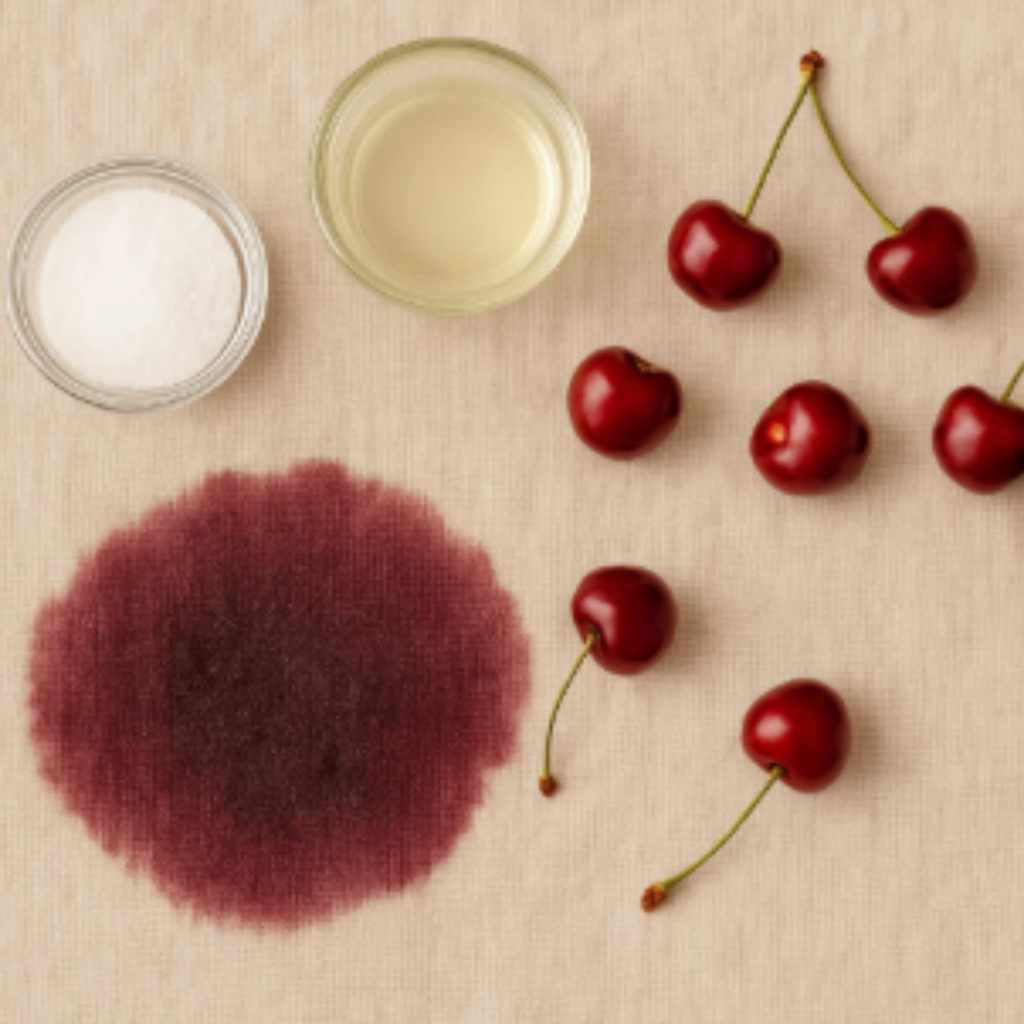
Using Household Staples
Many effective stain removers can be found right in your kitchen or laundry room. These are often gentler on fabrics and more economical than commercial products.
Liquid Laundry Detergent
Apply a small amount of liquid laundry detergent directly to the stain. Gently rub it into the fabric with your fingers or a soft brush. Let it sit for 5-10 minutes before rinsing with cold water.
For tougher stains, you can let the detergent soak for up to 30 minutes.
White Vinegar Solution
A solution of one part white vinegar to two parts cold water can be very effective. Apply the solution to the stain and let it sit for about 15-20 minutes. Rinse thoroughly with cold water.
Vinegar is a mild acid that helps break down the pigments in the cherry stain.
Baking Soda Paste
For dried stains, a paste made from baking soda and water can be helpful. Mix baking soda with enough water to form a thick paste. Apply it to the stain and let it dry completely.
Once dry, gently brush off the residue and rinse the area with cold water. This method works by lifting the stain from the fibers.
Commercial Stain Removers
If household remedies don’t fully remove the stain, or for very stubborn cases, commercial stain removers can be very effective. Look for products specifically designed for fruit or berry stains. Oxygen-based bleaches are often a good choice as they are generally safe for most colored fabrics and work by breaking down the chromogens, the parts of a molecule responsible for color.
Chlorine Bleach (Use with Caution)
Chlorine bleach should only be used on white, bleach-safe fabrics. It is a powerful stain remover but can easily damage or discolor colored or delicate materials. Always dilute chlorine bleach according to product instructions and test it on an inconspicuous area first.
Never mix chlorine bleach with other cleaning agents like ammonia, as this can create dangerous fumes.
Dealing with Different Materials
The best approach to removing cherry stains can vary depending on the material of the item.
Fabrics (Clothing, Linens)
For most washable fabrics like cotton, linen, and polyester blends, follow the steps for immediate action and then try liquid laundry detergent or a commercial stain remover. If the item is white and bleach-safe, a diluted bleach solution can be considered after other methods have been attempted. Always check the care label on the garment for specific washing instructions.
Upholstery and Carpets
Cleaning upholstery and carpets requires a more delicate touch. Always blot, never rub. For upholstery, start with a mild solution of dish soap and cold water.
Apply with a clean cloth, blot, and then rinse with a damp cloth. For carpets, a carpet stain remover designed for the specific carpet material is recommended. Always test in an unseen area first.
Avoid oversaturating the fabric, as this can lead to mildew.
Wood Surfaces
Cherry stains on finished wood can often be removed with a damp cloth and a mild soap. For more stubborn stains on unfinished wood, you might need to use a wood cleaner or very fine-grit sandpaper, applied in the direction of the wood grain. Always follow up with a wood polish or finish to protect the surface.
When Cherry Stains Prove Stubborn
Sometimes, despite your best efforts, a cherry stain might linger. This is when you might start to think, “Are cherry stains permanent?” While highly resistant, they are rarely truly permanent if you’re willing to try advanced techniques or seek professional help.
Repeat Treatments
Don’t be discouraged if the stain doesn’t disappear after the first attempt. Many stains require multiple treatments. After rinsing, reapply the chosen cleaning agent and let it sit longer before rinsing again.
Ensure the item is not put in the dryer between treatments, as heat can set any remaining stain.
Sunlight as a Natural Bleach
For white or colorfast fabrics, sunlight can act as a natural bleach. After washing and rinsing, hang the stained item outdoors in direct sunlight. The UV rays can help break down remaining pigment.
This is a gentle method that can be very effective for light stains that haven’t fully disappeared.
Professional Cleaning Services
For valuable items, delicate fabrics, or exceptionally stubborn stains, consider taking the item to a professional dry cleaner. They have access to specialized solvents and techniques that are not available for home use. Inform them about the nature of the stain and what you have already tried.
Preventing Future Cherry Stains
While this post focuses on removal, a little prevention can go a long way in avoiding the frustration of cherry stains.
- Wear an apron or old clothes when handling cherries, especially when making jams, pies, or juicing them.
- Use placemats or a tablecloth when serving cherry-based foods to protect surfaces.
- Keep a clean cloth or paper towel handy when eating cherries to immediately blot any drips.
- When transporting cherries, use sturdy containers to prevent spills.
Frequently Asked Questions
Question: Are cherry stains permanent on all fabrics?
Answer: While cherry stains can be very difficult to remove, they are rarely permanent on all fabrics, especially if treated promptly with the correct methods. Some synthetic fabrics or very delicate materials might be more challenging, but many stains can be lifted.
Question: Should I use hot or cold water to remove cherry stains?
Answer: Always use cold water for cherry stains. Hot water can set the stain, making it much harder to remove. Cold water helps to lift the pigment from the fabric fibers.
Question: Can I put a cherry-stained item in the washing machine and dryer?
Answer: Never put a cherry-stained item in the dryer until you are sure the stain is completely gone. The heat from the dryer will likely set the stain permanently. Wash the item in cold water after stain treatment and air dry it to check for any remaining marks.
Question: How long do I need to let a stain remover sit on a cherry stain?
Answer: The time varies depending on the stain remover and the fabric. For liquid laundry detergent, 5-10 minutes is a good start, but up to 30 minutes for tougher stains. Commercial stain removers will have specific instructions on their packaging.
Always test for colorfastness first.
Question: What is the best way to remove cherry stains from a white t-shirt?
Answer: For a white t-shirt, after blotting and rinsing with cold water, apply liquid laundry detergent directly to the stain and let it sit. If the stain persists, a paste of baking soda and water can be applied. For very stubborn stains on bleach-safe white fabric, a diluted solution of chlorine bleach can be used with extreme caution after testing.
Final Thoughts
Dealing with cherry stains can feel like a battle, but knowing that these colorful marks are not necessarily permanent is empowering. The key takeaways from tackling these vibrant blemishes involve acting fast, avoiding heat, and employing the right cleaning agents. Whether you reach for common household items like liquid detergent or white vinegar, or opt for specialized commercial products, the principles remain the same: gently lift and rinse with cold water.
Remember to always test your chosen method on an inconspicuous area, especially with delicate or brightly colored materials, to prevent unintended damage. For upholstery and carpets, a blot-and-rinse technique is paramount to avoid spreading the stain and damaging the fibers. Sometimes, a bit of patience and repeated treatments are necessary, and for those truly tough spots on white fabrics, sunlight can work wonders.
If all else fails, professional cleaning services offer a reliable solution for cherished items. The most effective strategy often involves a combination of quick action and consistent application of appropriate cleaning techniques, ensuring your favorite items can be enjoyed for longer.