Are Cherub Tomatoes Cherry Tomatoes? Explained
Have you ever stood in the produce aisle, staring at those tiny, vibrant tomatoes and wondered if they were all the same? Maybe you’ve grabbed a punnet of “cherub” tomatoes for a salad, only to see “cherry” tomatoes right next to them and paused, a slight confusion creeping in. It’s a common question, and one that can easily be answered.
This post will clear up the confusion about Are Cherub Tomatoes Cherry Tomatoes? Explained so you can confidently pick the best tiny tomatoes for your next meal.
The Small Tomato Showdown Are Cherub Tomatoes Cherry Tomatoes
The world of small tomatoes can seem a little overwhelming, especially when you see names like “cherub,” “grape,” and, of course, “cherry” tomatoes all vying for your attention. Many people wonder if “cherub” is just a fancy marketing term or if there’s a genuine difference. The short answer is that cherub tomatoes are indeed a type of cherry tomato, but there’s a bit more to it than that.
We’ll explore the origins, characteristics, and common uses of these delightful little fruits to help you understand them better.
Understanding Tomato Varieties
Tomatoes, scientifically known as Solanum lycopersicum, are members of the nightshade family. They come in an incredible array of shapes, sizes, colors, and flavors. When we talk about small tomatoes, we’re generally referring to cultivars that produce fruits roughly the size of a cherry or a small grape.
These small varieties are prized for their sweetness, their ease of use in cooking and snacking, and their attractive appearance.
The Cherry Tomato Family Tree
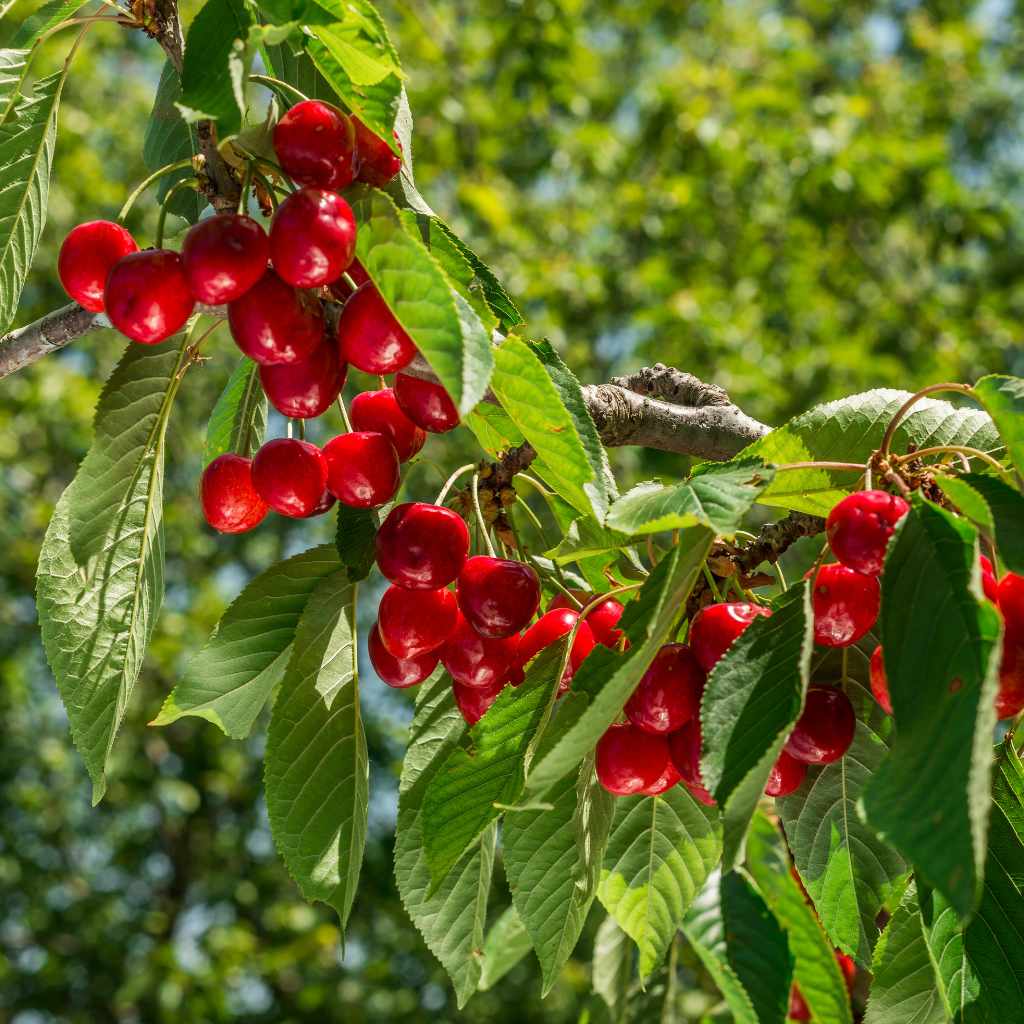
The term “cherry tomato” is a broad category, not a single specific variety. It encompasses many different types of tomatoes that share the characteristic of being small and round, resembling a cherry in size and shape. These can range from bright red to yellow, orange, and even purple.
Their flavor profiles can vary too, from intensely sweet to slightly tart. Think of “cherry tomato” as a general class, and within that class, you’ll find specific named varieties.
What Makes a Tomato a “Cherub” Tomato
Cherub tomatoes are a specific hybrid variety that falls under the umbrella of cherry tomatoes. They were developed by a seed company and are known for their exceptionally sweet flavor and firm, juicy texture. The name “cherub” evokes a sense of sweetness and delicate beauty, which accurately describes these tomatoes.
They are often a vibrant red color and are typically slightly larger and more oval-shaped than some other cherry tomato varieties, but they are still firmly within the cherry tomato category.
Key Differences and Similarities
So, to directly address the question: Are cherub tomatoes cherry tomatoes? Yes. Cherub is a brand name or cultivar name for a specific type of cherry tomato.
The main differences between various cherry tomato types, including cherubs, lie in subtle variations of flavor, sweetness, acidity, texture, shape, and growth habits. However, their fundamental classification as small, round tomatoes means they share many culinary applications.
Flavor Profile
Cherub tomatoes are renowned for their outstanding sweetness. They often have a higher sugar content compared to many other cherry tomato varieties, making them a favorite for raw consumption. They possess a balanced flavor, not overly acidic, which contributes to their enjoyable snacking quality.
Other cherry tomatoes can range from very sweet to having a more pronounced tartness, depending on the specific cultivar.
Texture and Size
While generally consistent, there can be minor variations in texture and size even within the cherub variety due to growing conditions. However, they are typically firm and juicy. Their size is generally within the range of a standard cherry tomato, though some might be slightly more elongated, resembling a small plum or grape.
Other cherry tomatoes can vary from the size of a small pea to slightly larger than a standard cherry.
Appearance
Cherub tomatoes are most commonly a brilliant red, but like other cherry tomatoes, you can find variations. Their skin is usually smooth and thin. The iconic round shape is typical, though slight ovalness is not uncommon.
The visual appeal of any small, colorful tomato is a significant part of its charm, whether it’s labeled cherub, cherry, or another name.
Culinary Uses
Because cherub tomatoes are a type of cherry tomato, their culinary uses are largely interchangeable with other cherry tomato varieties. Their sweetness makes them ideal for:
- Snacking straight from the punnet
- Adding to salads for a burst of sweetness and color
- Roasting whole to intensify their flavor
- Skewerring for appetizers or grilling
- Tossing into pasta dishes or stir-fries
- Using as a garnish for various savory dishes
The high sugar content in cherub tomatoes means they caramelize beautifully when roasted, bringing out an even richer, more intense sweetness. Their firm texture also means they hold up well to cooking, whether it’s a quick sauté or longer roasting times.
Distinguishing From Other Small Tomato Types
While cherub tomatoes are cherry tomatoes, it’s worth noting other common small tomato types:
Grape Tomatoes
Grape tomatoes are another popular category of small tomatoes. They are typically more oval or oblong in shape, resembling a grape. They tend to have a firmer, meatier texture and a slightly less juicy consistency than cherry tomatoes.
Their flavor is often a bit more tart than the super-sweet cherub variety, though still pleasant and well-suited for salads and cooking where a firmer tomato is desired.
Pear Tomatoes
Pear tomatoes are small tomatoes that are shaped like tiny pears. They often come in red and yellow varieties. Their flavor is usually mild and sweet, and their texture can be somewhat softer than cherry or grape tomatoes.
They are excellent for snacking and adding a delicate sweetness to dishes.
The Role of Breeding and Branding
The existence of specific names like “cherub” highlights the role of plant breeding and branding in the produce industry. Seed companies develop new tomato varieties with desirable traits, such as increased sweetness, disease resistance, or better shelf life. They then give these varieties unique names to distinguish them in the market.
“Cherub” is a prime example of a successful branding effort that has helped a particular hybrid cherry tomato gain recognition for its quality.
Growing Cherub Tomatoes
If you’re a gardener, you might be interested in growing your own cherub tomatoes. These plants typically perform well in various climates and are known for their prolific fruiting. Like other cherry tomatoes, they thrive in sunny locations with well-draining soil.
Regular watering and occasional feeding will help ensure a bountiful harvest of these sweet little gems.
Choosing the Right Small Tomato
When you’re at the grocery store or farmer’s market, the best way to choose is often by looking at the tomatoes themselves and considering what you’ll use them for. If you see “cherub” tomatoes, you know you’re getting a sweet, juicy variety that’s excellent for raw consumption. If you see just “cherry” tomatoes, they’ll likely be round and small, with a good balance of sweet and tart flavors, also very versatile.
If you prefer a firmer, less juicy tomato that holds its shape well in cooking, grape tomatoes might be your preference.
Frequently Asked Questions
Question: Is a cherub tomato the same as a cherry tomato
Answer: Yes, a cherub tomato is a specific variety that falls under the broader category of cherry tomatoes. Think of “cherry tomato” as a general type, and “cherub” as a specific name for a particular kind of cherry tomato known for its sweetness.
Question: What is the difference between cherub and grape tomatoes
Answer: Cherub tomatoes are generally rounder and sweeter with a juicier texture. Grape tomatoes are more oval or oblong, tend to be firmer and meatier, and can have a slightly tarter flavor.
Question: Are cherub tomatoes good for salads
Answer: Absolutely. Cherub tomatoes are excellent for salads due to their sweetness, juiciness, and vibrant color. They add a delightful pop of flavor to any salad.
Question: Can I roast cherub tomatoes
Answer: Yes, cherub tomatoes roast beautifully. Their high sugar content allows them to caramelize, bringing out an intense, sweet flavor that is wonderful in roasted dishes or as a side.
Question: Where did the name cherub tomato come from
Answer: The name “cherub” was given by the seed company that developed this specific hybrid variety, likely to evoke its sweet, delicate, and delightful characteristics.
Final Thoughts
The distinction between cherub and cherry tomatoes might seem minor, but it highlights how specific breeding and naming can offer consumers unique flavor experiences within familiar categories. Cherub tomatoes are a beloved member of the cherry tomato family, celebrated for their exceptional sweetness and pleasing texture. Whether you’re snacking, building a vibrant salad, or adding a touch of sweetness to a cooked dish, cherub tomatoes offer a delightful choice.
Don’t hesitate to experiment with them in your kitchen; their versatility and delicious flavor are sure to impress. Enjoy the vibrant taste of these tiny wonders in whatever way you choose to prepare them.