Are Japanese Cherry Blossoms Edible: Safety Facts
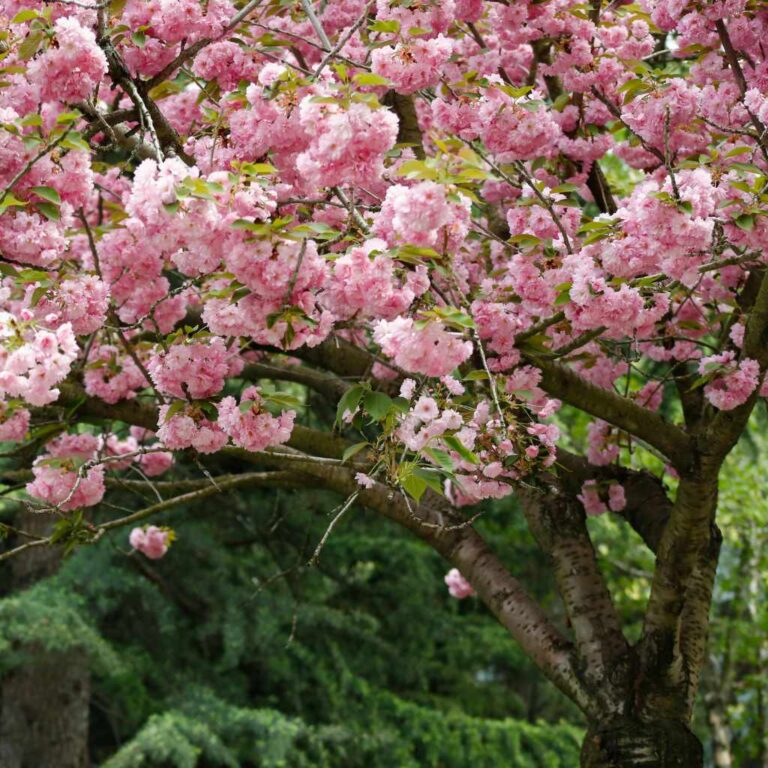
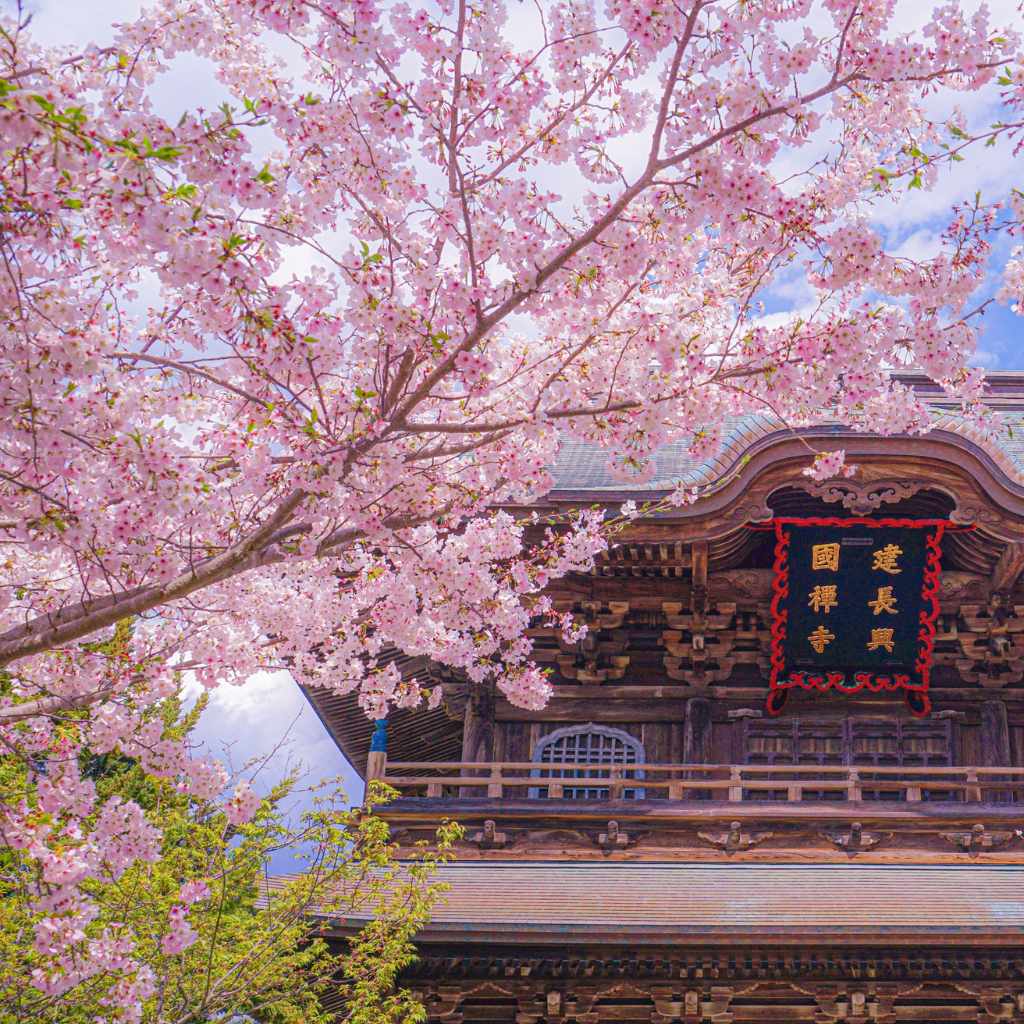
Imagine a spring day, the air alive with the gentle scent of blossoms, a breathtaking pink canopy overhead. You’ve probably seen stunning photos of Japan’s cherry blossoms, or sakura. But have you ever looked at those delicate petals and wondered if you could actually eat them?
It’s a natural curiosity, especially with so many flowers becoming popular ingredients. This post will explore are Japanese cherry blossoms edible? safety facts, so you can know for sure whether enjoying them is a safe and delightful experience.
Exploring the Edibility of Japanese Cherry Blossoms
The allure of Japanese cherry blossoms extends far beyond their visual beauty. For centuries, these iconic flowers have held cultural significance, appearing in art, literature, and traditional practices. As culinary trends embrace more natural and plant-based ingredients, the question of whether sakura can be part of our diet naturally arises. Many people are curious about experiencing the essence of this beloved spring icon through taste. This exploration aims to clarify the safety and considerations involved when thinking about consuming cherry blossoms, offering clear insights into what makes them potentially edible and what precautions are necessary.
Understanding Sakura and Its Traditional Uses
Sakura, the Japanese word for cherry blossom, is deeply ingrained in Japanese culture, symbolizing renewal, beauty, and the fleeting nature of life. While we often admire them from afar, traditional Japanese cuisine has, in fact, incorporated sakura in various forms. This practice is not a new fad but a centuries-old custom.
One of the most common ways sakura is prepared for consumption is through pickling. Cherry blossoms are typically preserved in salt and plum vinegar (known as umezu). This process not only preserves the blossoms but also alters their flavor, making them suitable for culinary use. The salt helps to draw out moisture and prevent spoilage, while the plum vinegar adds a characteristic tanginess.
The pickled blossoms are often used as a flavoring agent or garnish. They can be added to rice, steamed buns (manju), or even used to infuse teas and sweets. The resulting flavor is often described as slightly floral, subtly salty, and with a delicate, almost almond-like undertone. This nuanced taste profile is what makes sakura a unique ingredient.
Beyond pickling, sakura can also be incorporated into various desserts and drinks. Sakura-flavored mochi, ice cream, and teas are popular, especially during the spring season. The essence of the flower is captured to impart a gentle floral aroma and taste.
It is important to note that not all cherry blossom varieties are equally suitable for consumption. While many ornamental cherry trees are primarily grown for their aesthetic appeal, certain types of cherry trees are cultivated for their fruit, and their blossoms may have different properties. Historically, the blossoms used in traditional culinary practices were often from specific edible cherry varieties.

Safety First Are Japanese Cherry Blossoms Edible
The question, “Are Japanese cherry blossoms edible? safety facts,” is paramount. While traditional uses suggest edibility, there are crucial safety considerations to keep in mind. Not all cherry blossoms are created equal, and misidentification can lead to unwanted consequences.
Firstly, it’s essential to distinguish between ornamental cherry trees and those cultivated for their fruit. Ornamental varieties, often planted in public parks and gardens, are primarily for visual enjoyment. While some of these may not be inherently toxic, their cultivation might involve treatments or conditions not suitable for consumption. It is generally advised to avoid consuming blossoms from ornamental trees unless their specific safety for eating has been verified.
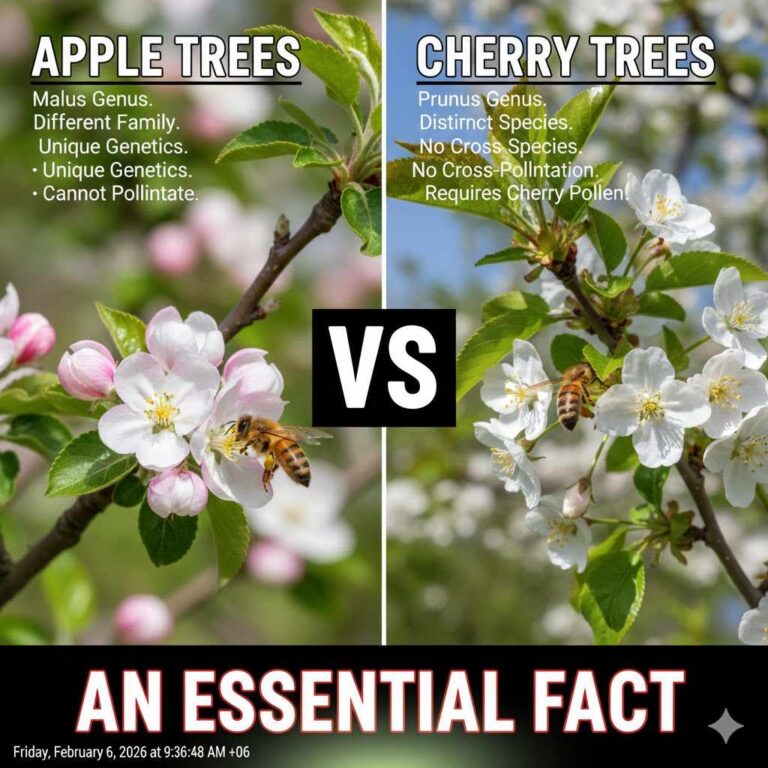
Secondly, wild or unidentified cherry blossoms pose a risk. Cherry trees belong to the Prunus genus, which also includes plants like peaches, plums, and almonds. Some plants in this genus contain cyanogenic glycosides, which can release cyanide when ingested. While the concentration of these compounds in cherry blossoms is generally very low, and the traditional pickling process may further reduce them, it’s a factor to be aware of.
The most reliable way to enjoy edible cherry blossoms is to source them from reputable suppliers who specialize in culinary-grade sakura. These suppliers ensure that the blossoms are harvested from safe, edible varieties and processed appropriately. If you are considering using sakura in your cooking, purchasing pre-prepared pickled blossoms or blossoms from a trusted source is the safest approach.
When foraging or considering blossoms from your own tree, thorough research is critical. Understanding the specific species of cherry tree is vital. Furthermore, ensuring the blossoms have not been exposed to pesticides, pollutants, or other contaminants is non-negotiable. Blossoms growing near busy roads or in areas where chemicals might be used are best avoided entirely for consumption.
In summary, while Japanese cherry blossoms can be edible and are used in traditional cuisine, safety requires careful attention to the source and preparation. Prioritizing verified, culinary-grade sakura will ensure a delightful and safe experience.
Preparation Methods for Edible Cherry Blossoms
The journey from a beautiful bloom to a delicious ingredient involves specific preparation techniques that enhance both flavor and safety. The most well-known method is pickling, a time-honored tradition in Japan for preserving sakura.
Salt Pickling
This is the cornerstone of preparing edible cherry blossoms for many uses. The process typically involves several steps:
Gathering Blossoms: Fresh, unopened or newly opened blossoms are collected, ideally in the early morning after the dew has dried.
Washing: The blossoms are gently rinsed to remove any debris or insects.
Salting: The blossoms are layered with salt, often with a small amount of umezu (plum vinegar) to aid in the curing process. The salt draws out moisture, a key step in preservation.
Pressing: A weight is often placed on the salted blossoms to help press out more liquid.
Drying: After a period of salting and pressing, the blossoms are rinsed again to remove excess salt and then carefully dried. This drying phase is crucial for their texture and shelf life.
The result of this salt pickling is a preserved cherry blossom that can be stored for extended periods. These pickled blossoms are what you’ll often find sold in specialty Japanese food stores.
Using Pickled Sakura
Once pickled, the blossoms are ready to be incorporated into various dishes:
Tea: A single pickled blossom can be steeped in hot water to create a beautiful and fragrant sakura tea. The saltiness is usually mild, allowing the floral notes to shine.
Rice Dishes: Pickled sakura can be mixed into steamed rice, adding a subtle flavor and an aesthetically pleasing touch.
Sweets: They can be used as decorative elements or incorporated into the batter of pastries like manju (steamed buns) or cakes.
Garnishes: Their unique look makes them excellent garnishes for a variety of savory and sweet dishes, adding a touch of elegance.
Other Preparation Considerations
While pickling is the most common method, other approaches exist:
Sakura Extract or Syrup: Sometimes, blossoms are steeped in sugar or alcohol to create flavored extracts or syrups. This method captures the aromatic qualities of the flower.
Direct Use (Rare): In very specific, traditional contexts, and with absolute certainty of the blossom’s origin and safety, some blossoms might be used fresh. However, this is far less common due to the preservation and flavor enhancement offered by pickling.
It’s always important to reiterate that these preparation methods are for blossoms confirmed to be edible and safe for consumption. Relying on commercially prepared, culinary-grade sakura is the most recommended approach for beginners.
Identifying Edible Cherry Blossoms
Distinguishing which cherry blossoms are safe to eat requires careful attention to detail and knowledge about plant varieties. The sheer beauty of cherry blossoms means many are grown purely for ornamental purposes, and not all are intended for human consumption.
The Prunus Genus
Cherry blossoms are from trees in the Prunus genus. This is a broad category that includes many familiar plants like plums, peaches, almonds, and cherries. While some members of this genus are edible, others are not, and some parts of even edible plants can be toxic.
Ornamental vs. Fruit-Bearing Trees
The key distinction often lies between ornamental cherry trees and fruit-bearing cherry trees.
Ornamental Cherries (e.g., Some varieties of Prunus serrulata, Prunus yedoensis): These trees are primarily cultivated for their spectacular floral displays. While beautiful, their blossoms are not typically intended for eating. Their sap and leaves may contain cyanogenic glycosides, and while the concentration in blossoms is usually low, it’s best to err on the side of caution.
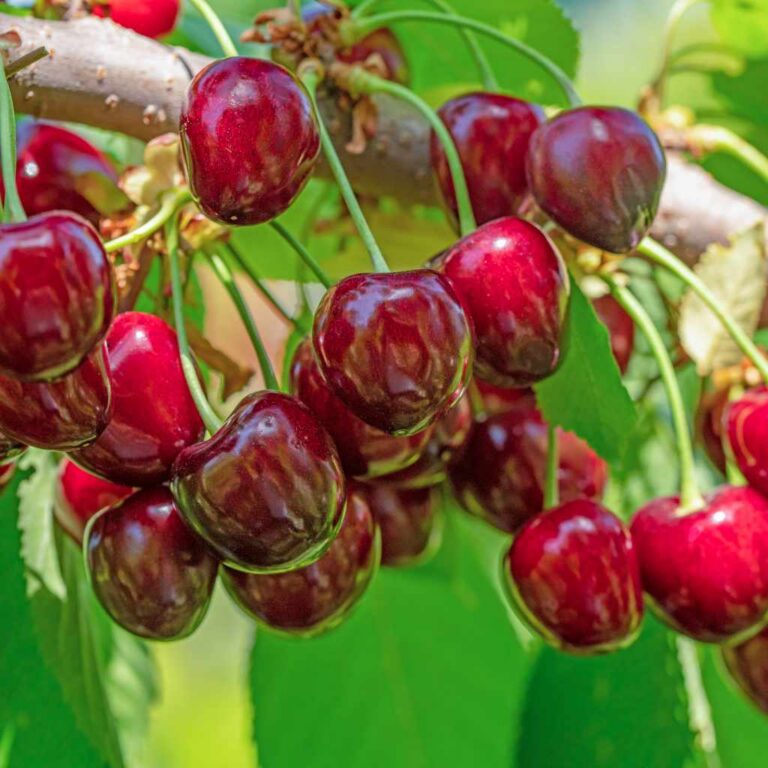
Fruit-Bearing Cherries (e.g., Prunus avium for sweet cherries, Prunus cerasus for sour cherries): The blossoms of trees grown for their fruit are generally considered safe for consumption, especially when properly prepared. However, even with these, sourcing from a clean, pesticide-free environment is crucial.
Traditional Culinary Varieties
Historically, specific varieties of cherry trees were recognized for their edible blossoms. These are often the trees from which the blossoms used in traditional Japanese preparations like pickled sakura originate. These specific cultivars have been selected over time for desirable flavor and texture when processed.
Risks of Misidentification
Toxicity: As mentioned, some Prunus species contain compounds that can be harmful. While severe poisoning from cherry blossoms is rare, it’s a risk that should not be overlooked.
Pesticides and Contaminants: Blossoms from ornamental trees in public parks or gardens may have been treated with pesticides or could be exposed to pollutants. Even if the blossom itself is not inherently toxic, these external factors can render it unsafe for consumption.
The Safest Approach
Given these considerations, the safest way to consume cherry blossoms is to:
Purchase from Specialty Suppliers: Buy culinary-grade pickled sakura or sakura-infused products from reputable Japanese food stores or online retailers. These are specifically prepared for consumption.
Consult Experts: If you have access to cherry trees on your property and wish to use their blossoms, consult with a local horticulturalist or botanist to correctly identify the species.
Prioritize Cleanliness: Ensure any blossoms you consider consuming have never been sprayed with pesticides or exposed to environmental contaminants.
Frequently Asked Questions
Question: Can I eat the cherry blossoms from any cherry tree?
Answer: It is not recommended to eat blossoms from just any cherry tree. While some varieties are edible, many ornamental cherry trees are not intended for consumption, and identifying the correct species can be difficult. It’s safest to use blossoms specifically prepared for culinary purposes.
Question: Are cherry blossoms poisonous?
Answer: Most cherry blossoms are not considered highly poisonous. However, some parts of cherry trees, including leaves and stems, can contain cyanogenic glycosides. While the concentration in the blossoms is typically low, it’s best to consume only those confirmed as edible and properly prepared.
Question: How are cherry blossoms typically prepared for eating?
Answer: The most common preparation method is pickling in salt and plum vinegar. This process preserves the blossoms, alters their flavor, and makes them suitable for use in teas, rice dishes, sweets, and as garnishes.
Question: Where can I buy edible cherry blossoms?
Answer: Edible cherry blossoms, usually in pickled form, can be found in specialty Japanese food stores or reputable online retailers that focus on culinary ingredients. Look for products labeled as “culinary grade” or “edible sakura.”
Question: What do edible cherry blossoms taste like?
Answer: Edible cherry blossoms, especially when pickled, have a unique flavor that is subtly floral, slightly salty, and sometimes described as having a delicate almond-like undertone. The taste is generally mild and aromatic.
Final Thoughts
The idea of eating something as beautiful as Japanese cherry blossoms sparks curiosity, and fortunately, the answer is yes, with important caveats. The delicate petals, known as sakura, have a long history of use in Japanese cuisine, most commonly when preserved through pickling. This traditional method transforms the blossoms into a unique ingredient, imparting a subtle floral, salty, and slightly almond-like flavor profile. When considering consumption, safety is paramount. It’s crucial to distinguish between ornamental cherry trees, whose blossoms are best admired, and edible varieties.
Prioritizing culinary-grade sakura purchased from reputable sources is the safest and most enjoyable way to experience their unique taste. Avoid wild or unidentified blossoms, and always ensure they haven’t been exposed to pesticides or pollutants. By following these guidelines, you can safely explore the delightful world of edible cherry blossoms and add a touch of spring’s elegance to your culinary creations.