Are Cherry Trees Poisonous? Human & Pet Safety Guide
Ripe cherry flesh is safe to eat, but cherry pits, wilted leaves, bark, and roots contain cyanogenic glycosides that release cyanide when chewed or crushed — not when swallowed whole. It typically takes 150–300 crushed pits to seriously harm an adult, far fewer for a child or pet. This guide covers poisoning symptoms, pet-specific risks for dogs and cats, and the safety precautions every cherry tree owner should follow.
When you picture cherry trees, you likely imagine sweet, juicy fruits ripening on branches or delicate pink and white blossoms in the spring. It’s natural to question the safety of plants in and around your home, especially if you have children or pets. The question are cherry trees poisonous to humans is a common one, and the answer is nuanced.
While the ripe fruit of most common cherry varieties is perfectly safe and delicious to eat, other parts of the cherry tree contain compounds that can be harmful if ingested in significant quantities. This guide aims to provide clear, straightforward information about cherry tree safety for humans, helping you understand what to watch out for and how to enjoy these beautiful trees responsibly.
Understanding Cherry Tree Toxicity
Helpful for Tree Owners
|
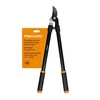
Fiskars 28″ Garden Bypass Loppers – $19.98 Removes low-hanging fruit- and pit-bearing branches from play areas — the exact precaution this guide’s “Proper Disposal of Leaves and Branches” section recommends for households with kids or pets.
|
As an Amazon Associate we earn from qualifying purchases.
Cherry trees belong to the Prunus genus, a large group of flowering plants that includes plums, peaches, apricots, and almonds. Many of these related species share similar chemical compounds, and it’s from these compounds that concerns about cherry tree toxicity arise. The primary concern lies with cyanogenic glycosides, which are naturally occurring substances found in various plants, including parts of the cherry tree.
When these glycosides are broken down in the body, they can release hydrogen cyanide, a toxic substance.
Which Parts of the Cherry Tree Are of Concern
It’s important to distinguish between the different parts of a cherry tree and their potential for toxicity. Not all parts are equally dangerous, and the concentration of harmful compounds varies significantly.
- Leaves: Cherry tree leaves, especially when wilted or bruised, can contain cyanogenic glycosides. While a small nibble is unlikely to cause harm to an adult, larger quantities could be problematic.
- Stems and Bark: The bark and stems of cherry trees also contain these glycosides, though typically in lower concentrations than in wilted leaves or seeds.
- Roots: Similar to the bark and stems, the roots can contain these compounds.
- Unripe Fruit: While ripe cherries are safe, unripe cherries, particularly the pits, can contain higher levels of cyanogenic glycosides.
- Cherry Pits (Seeds): This is perhaps the most commonly discussed part of the cherry tree in relation to toxicity. Cherry pits, like those of other stone fruits, contain amygdalin, a type of cyanogenic glycoside. When the pit is crushed or chewed, amygdalin can be converted into hydrogen cyanide.
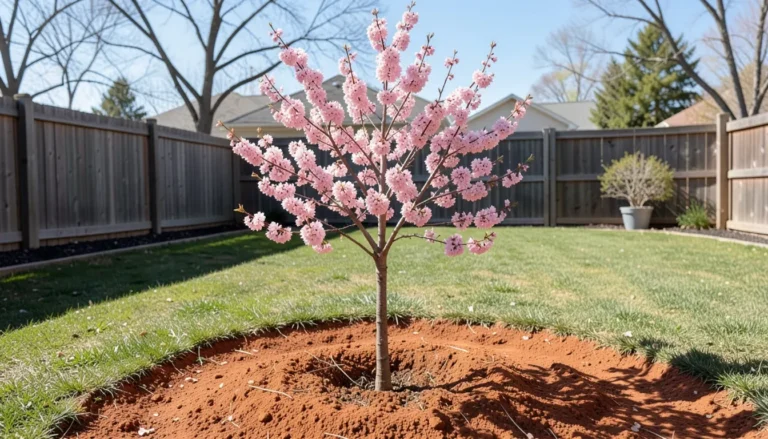
Notice the flowers themselves are not on this list. Cherry blossoms carry a different, much milder concern (coumarin, not concentrated cyanogenic glycosides) — see our dedicated guide, Are Cherry Blossoms Poisonous to Humans?, for the blossom-specific breakdown.
The ASPCA Animal Poison Control Center classifies the entire cherry plant — except the ripe fruit flesh — as toxic to both humans and companion animals due to cyanogenic glycoside content.
The Danger of Cyanogenic Glycosides
Cyanogenic glycosides are plant compounds that, when metabolized, can release cyanide. Cyanide is a potent poison that interferes with the body’s ability to use oxygen. Symptoms of cyanide poisoning can range from mild to severe, depending on the amount ingested and the individual’s size and health.
Mild symptoms might include headache, dizziness, nausea, and vomiting. More severe poisoning can lead to rapid breathing, increased heart rate, weakness, confusion, seizures, and even respiratory failure. However, it’s crucial to put this into perspective.
Ripe Cherries Themselves Are Safe
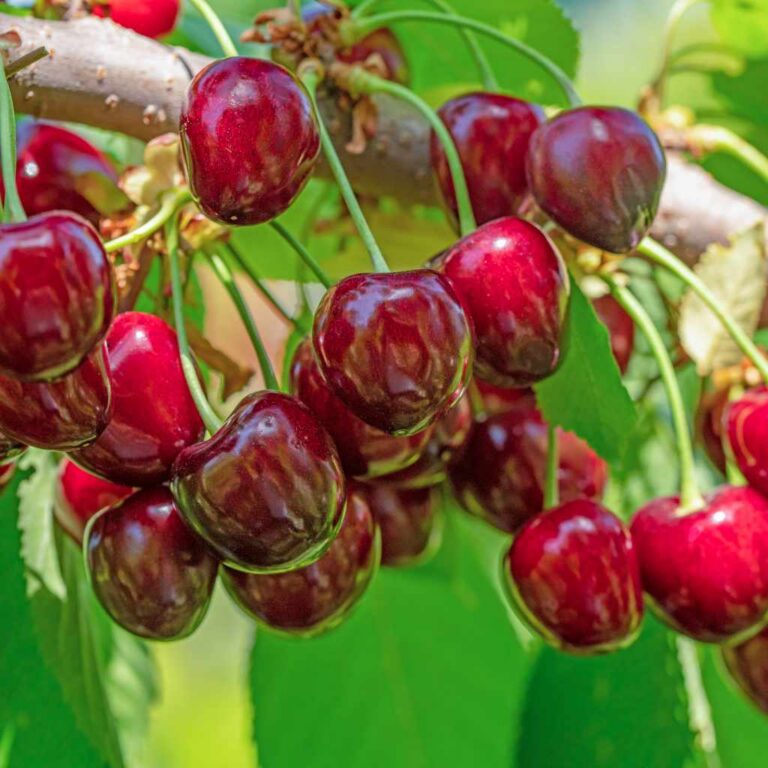
The sweet, fleshy part of the ripe cherry fruit is generally considered safe for human consumption. The concentration of cyanogenic glycosides in the pulp of ripe cherries is very low. Millions of people enjoy cherries every year without ill effects.
The main risk comes from the seeds within the fruit.
What About Cherry Pits
The pits of cherries contain a compound called amygdalin. When these pits are chewed or crushed, the amygdalin can break down into hydrogen cyanide. This is why you often hear warnings about not eating cherry pits.
How Many Pits Are Dangerous
The number of cherry pits that would need to be ingested and broken down to cause serious harm varies greatly depending on factors like the person’s weight, metabolism, and the specific type of cherry. However, it is generally accepted that a significant number of crushed pits would need to be consumed for a life-threatening reaction in an adult. For instance, one study suggested that it would take approximately 150-300 crushed cherry pits to potentially cause a fatal dose of cyanide in an adult.
For children, the number would be lower.
Most of the time, people swallow cherry pits whole without chewing them. When swallowed whole, the pits usually pass through the digestive system intact and are not broken down enough to release significant amounts of cyanide. This is why casual swallowing of cherry pits, as might happen when eating cherries directly from the tree, is typically not a cause for major concern.
Children and Cherry Pits
Children are more vulnerable to the effects of toxins than adults due to their smaller body size. Therefore, extra care should be taken to prevent them from eating cherry pits. Teaching children not to chew or swallow the pits is an important safety measure.
If a child does consume a significant number of chewed pits, it is wise to seek medical advice.
Are Cherry Trees Poisonous to Dogs and Cats?
Yes — cherry tree leaves, stems, and pits are toxic to dogs and cats for the same reason they’re risky for humans: cyanogenic glycosides. According to the ASPCA Animal Poison Control Center, all parts of the cherry plant except the ripe flesh around the seed are considered toxic to pets.
📊 A dog would typically need to gnaw through roughly 100 or more crushed cherry pits to reach a dangerous cyanide dose — casual chewing on a fallen pit or two is not an emergency, but repeated access to a pile of pits is. Source: ASPCA Poison Control
Watch for dilated pupils, difficulty breathing, excessive panting, vomiting, or red/bright mucous membranes in the mouth — these are the classic early signs of cyanide exposure in pets. If your dog or cat shows any of these signs after time near a cherry tree, call ASPCA Animal Poison Control at (888) 426-4435 or your local emergency vet immediately.
Symptoms of Cherry Tree Poisoning
Recognizing the signs of potential poisoning is key to ensuring safety. If someone has ingested a toxic part of a cherry tree, particularly chewed pits or a large amount of leaves, symptoms might appear within a few hours.
Common symptoms to watch for include:
- Nausea and vomiting
- Stomach cramps
- Headache
- Dizziness
- Confusion or difficulty concentrating
- Rapid breathing and heart rate
- Weakness
- In severe cases, seizures or loss of consciousness
If you suspect someone has ingested a toxic amount of cherry tree material and is showing these symptoms, it’s important to seek immediate medical attention. Contacting a poison control center or going to the nearest emergency room is the best course of action.
Safety Precautions For Cherry Tree Owners
Enjoying the beauty and bounty of cherry trees is a wonderful experience. By following a few simple safety guidelines, you can minimize any risks associated with these trees.
Supervision for Children and Pets
This is the most critical step. Always supervise young children and pets when they are playing in areas with cherry trees. Ensure they do not eat any part of the tree, especially fallen leaves or pits.
Educate older children about the potential dangers of ingesting cherry pits.
Proper Disposal of Leaves and Branches
If you prune your cherry tree, especially in the fall, be mindful of the fallen leaves. Dispose of large quantities of wilted leaves promptly to prevent accidental ingestion by pets or children. Composting them is fine, but avoid letting pets or children root around in large piles of decaying leaves.
Harvesting and Eating Cherries
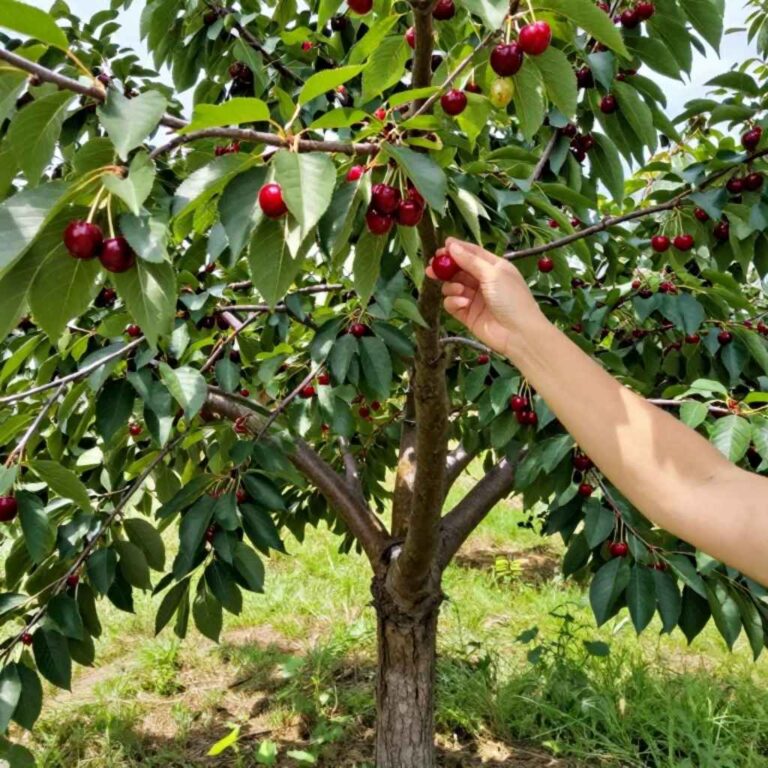
When harvesting cherries for consumption, it’s a good practice to wash the fruit thoroughly. While the flesh is safe, washing can remove any surface contaminants. Most importantly, when eating cherries, spit out the pits.
If you are making cherry pies or preserves, be sure to remove all the pits before cooking or processing.
Awareness of Other Cherry Varieties
While this guide focuses on common sweet and tart cherries, it’s worth noting that some ornamental cherry varieties or related Prunus species might have higher concentrations of toxic compounds. If you are unsure about the specific type of cherry tree you have, err on the side of caution.
Comparison of Cherry Tree Parts and Toxicity
To provide a clearer picture, here’s a simple comparison of different parts of the cherry tree regarding their potential toxicity to humans.
| Part of Cherry Tree | Potential Toxicity Level | Notes |
|---|---|---|
| Ripe Cherry Fruit (Flesh) | Very Low | Generally safe to eat. |
| Cherry Pits (Seeds) | Moderate to High (when chewed/crushed) | Contain amygdalin, which releases cyanide. Safe if swallowed whole. |
| Leaves (Fresh) | Low | Generally not a concern unless large amounts are eaten. |
| Leaves (Wilted/Bruised) | Moderate | Higher concentration of cyanogenic glycosides. Avoid ingestion. |
| Stems and Bark | Low to Moderate | Contain cyanogenic glycosides. Avoid ingestion. |
| Roots | Low to Moderate | Contain cyanogenic glycosides. Avoid ingestion. |
Frequently Asked Questions
Question: Are all cherry trees poisonous to humans
Answer: No, not all parts of all cherry trees are poisonous. The ripe fruit flesh of common cherry varieties is safe to eat. However, the pits, leaves, stems, and bark can contain compounds that are toxic if ingested in sufficient quantities.
Question: Is it dangerous to swallow cherry pits
Answer: Swallowing a few cherry pits whole is generally not dangerous because they pass through the digestive system without being broken down enough to release significant amounts of cyanide. However, chewing or crushing pits releases toxins, and ingesting many of them could be harmful.
Question: What should I do if my child eats cherry pits
Answer: If your child eats a few cherry pits whole, it is usually not a cause for alarm. If they have chewed and swallowed a significant number of pits, or if they show any symptoms of poisoning like nausea, vomiting, or dizziness, contact a poison control center or seek medical attention immediately.
Question: Can I use cherry leaves for tea
Answer: It is generally not recommended to make tea from cherry leaves, especially if they are wilted or bruised, as they can contain cyanogenic glycosides. Fresh, young leaves may have lower concentrations, but it is safer to avoid consuming them for medicinal or culinary purposes.
Question: How do I safely enjoy cherries from my tree
Answer: To safely enjoy cherries from your tree, always wash the fruit before eating. When eating them, spit out the pits. If you are using them for cooking, ensure all pits are removed from the fruit before processing.
Question: Are cherry trees poisonous to dogs and cats
Answer: Yes. The ASPCA classifies cherry tree leaves, stems, bark, and pits as toxic to dogs and cats due to cyanogenic glycosides. A pet would need to chew through a large quantity of crushed pits (roughly 100 or more for a dog) to reach a dangerous dose, but watch for dilated pupils, panting, or vomiting and call ASPCA Poison Control at (888) 426-4435 if you’re concerned.
Final Thoughts
Ripe cherry flesh is a safe, delicious treat — the real caution points are the pits, wilted leaves, bark, and roots. Teach kids to spit out pits, supervise pets around fallen fruit and leaf piles, and keep the ASPCA Poison Control number (888-426-4435) handy. With those precautions, cherry trees are safe to enjoy in any yard.
Sponsored / affiliate links. As an Amazon Associate I earn from qualifying purchases. I may earn additional commission from eligible campaigns.