Are Wild Cherry Trees Edible Identification & Safety
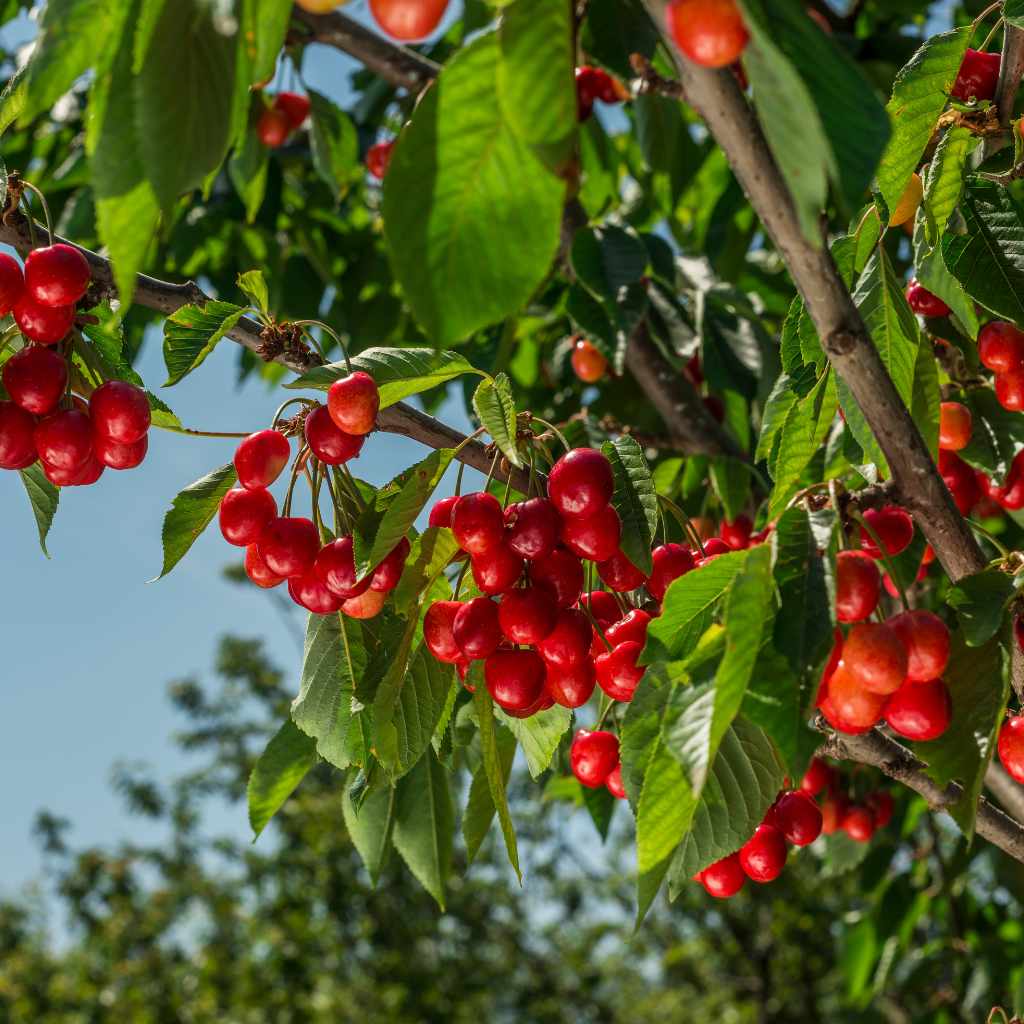
Imagine walking through a forest, the sun dappling through the leaves, and spotting a tree laden with bright red cherries. Your first thought might be to pluck one and taste it. But before you do, it’s essential to know if those wild cherries are safe to eat.
Many people wonder, are wild cherry trees edible? This post will guide you through identifying them correctly and understanding the safety precautions, so you can enjoy nature’s bounty without worry and feel confident about what you’re gathering.
The question “are wild cherry trees edible?” is a common one for foragers and nature enthusiasts. While many wild cherry species offer delicious fruit, some parts of the plant, and even some species, can be toxic. Proper identification is the first and most important step in ensuring your safety.
Understanding the characteristics of edible wild cherries versus their poisonous look-alikes is key to a rewarding and safe foraging experience. This guide will help you identify edible wild cherry trees, learn which parts are safe, and understand potential dangers.
Identifying Edible Wild Cherry Trees
When you encounter a cherry-like tree, distinguishing between an edible wild cherry and a potentially harmful plant is vital. Wild cherries belong to the genus Prunus, which also includes plums, peaches, and apricots. This genus has many species, and their edibility varies.
Common Edible Wild Cherry Species
Several wild cherry species are known for their edible fruit. The most common in North America include:
- Black Cherry (Prunus serotina): This is one of the most widespread and recognized wild cherries. It produces small, dark red to black fruits that ripen in late summer or early fall. The fruit is often used for jams, jellies, pies, and even wine. The bark and leaves, however, contain cyanide-producing compounds and should never be consumed.
- Chokecherry (Prunus virginiana): Found across North America, chokecherries have tart, astringent fruits that are typically dark red to purplish-black when ripe. While very sour eaten raw (hence the name “chokecherry”), they are excellent for jellies, syrups, and sauces when cooked. Like black cherries, other parts of the plant are toxic.
- Pin Cherry (Prunus pensylvanica): Also known as fire cherry, this species has small, bright red fruits that are quite tart. They are often found in disturbed areas like clearings or after fires. These cherries are best used in jams, jellies, or as a flavoring for other dishes.
- Sand Cherry (Prunus pumila): This shrubby species produces dark purple to black cherries that are sweet and edible when ripe. They are usually smaller than black cherries and can be eaten directly from the bush or used in preserves.
Key Identification Features
To confidently identify an edible wild cherry tree, look for these characteristics:
- Leaves: Most wild cherry leaves are simple, meaning they are not divided into leaflets. They are typically oval or lance-shaped with toothed edges. The arrangement on the stem is usually alternate, meaning leaves grow on opposite sides but not directly across from each other.
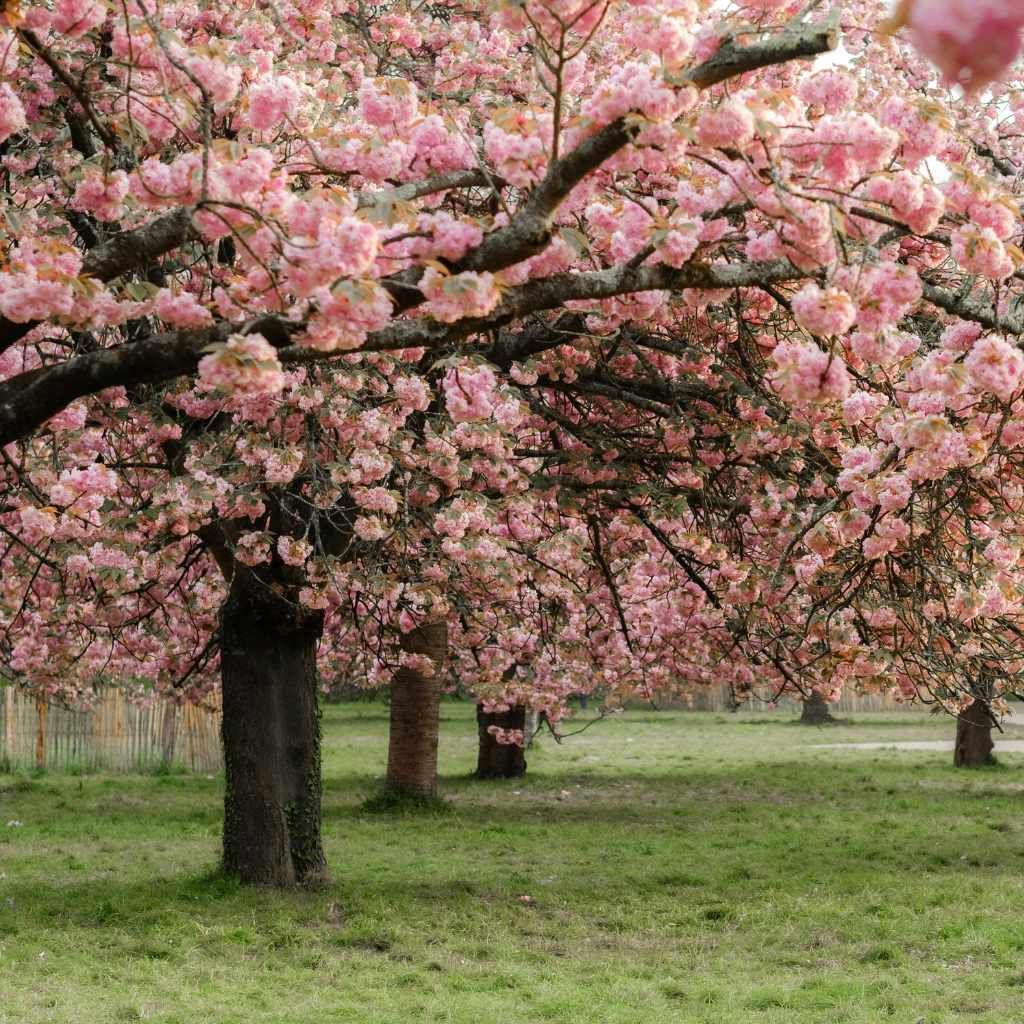
- Flowers: Wild cherries bloom in spring with clusters of small, white flowers. These flowers often have five petals and numerous stamens.
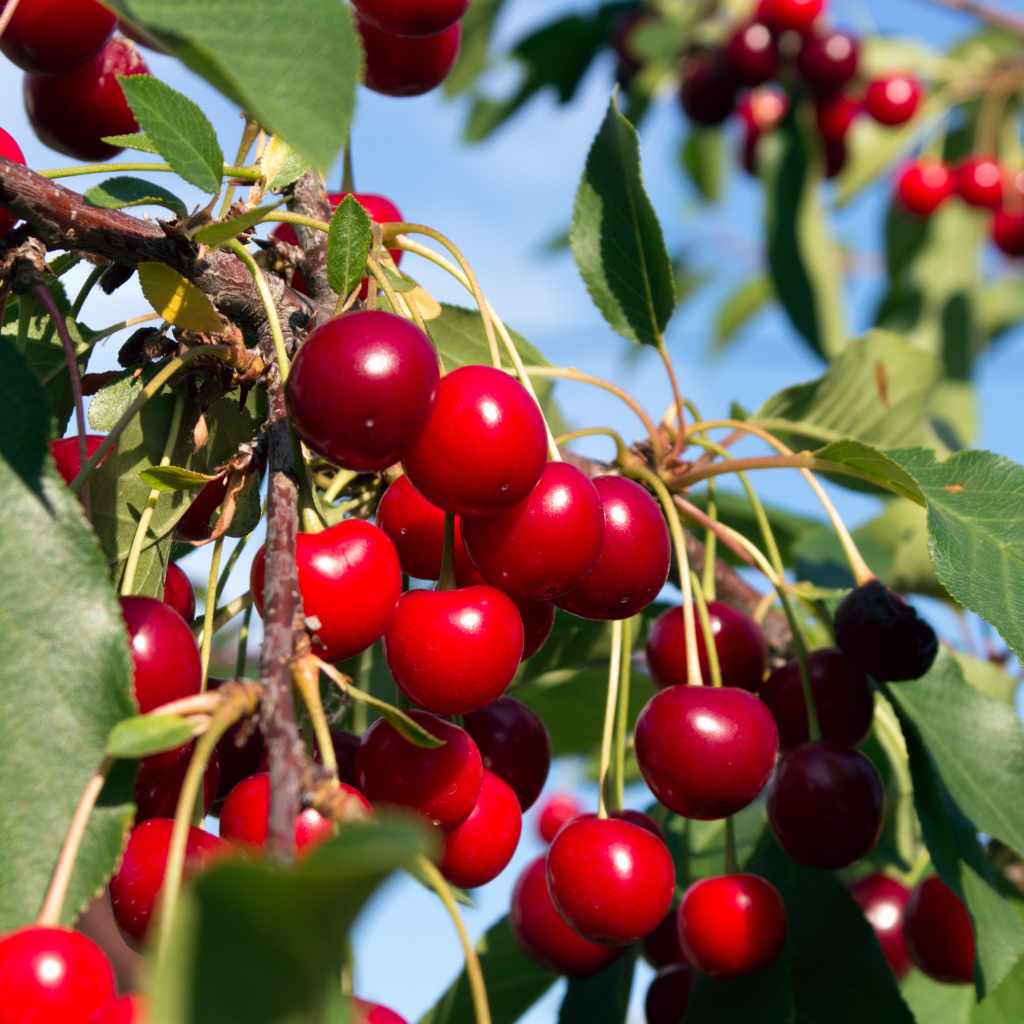
- Fruit: The fruit is the most obvious feature. Wild cherries are drupes, meaning they have a fleshy exterior surrounding a single hard seed or pit. The size, color, and taste of the fruit vary by species. Edible cherries are usually consumed when ripe and should be bright red to dark purple or black.
- Bark: Black cherry bark is dark, rough, and scaly on mature trees, often resembling burnt potato chips. Younger trees have smoother, reddish-brown bark with prominent lenticels (small pores). Chokecherry bark is typically smoother and gray-brown.
- Growth Habit: Species can range from small shrubs (sand cherry) to large trees (black cherry).
Are All Parts Of Wild Cherry Trees Edible?
This is a critical safety question. For most wild cherry species, the answer is a resounding NO. While the ripe fruits are often edible and delicious, other parts of the plant contain dangerous compounds.
Toxic Parts of Wild Cherry Trees
The primary concern with wild cherry trees is the presence of cyanogenic glycosides. These compounds can release hydrogen cyanide when ingested, particularly when the plant material is bruised, crushed, or chewed. Hydrogen cyanide is a potent toxin.
The parts of the wild cherry tree that are most likely to contain significant amounts of these toxic compounds include:
- Leaves: Especially when wilted or damaged.
- Bark: Particularly the inner bark.
- Twigs and Stems:
- Roots:
- Unripe Fruit: While ripe fruit is often safe, unripe fruit may contain higher levels of toxins.
The ripe fruit flesh of edible species is generally considered safe to eat in moderation. The pit or seed inside the fruit, however, contains these cyanogenic glycosides and should NOT be eaten.
Safety Precautions When Foraging Wild Cherries
Foraging for wild foods can be an incredibly rewarding experience, but safety must always come first. Here are essential precautions to take:
1. Positive Identification is Paramount
Never consume any wild plant unless you are 100% certain of its identification. If you have any doubt, do not eat it. Use reliable field guides, consult with experienced foragers, or take a local foraging class.
Be aware that some poisonous plants can resemble edible ones.
2. Know Your Species
Familiarize yourself with the specific edible wild cherry species in your region and their distinguishing features. Also, learn about any poisonous look-alikes that might be present.
3. Cook the Fruit
While the flesh of ripe, edible wild cherries is often safe to eat raw, cooking can further break down any residual potentially harmful compounds and is highly recommended, especially for tart varieties like chokecherries. Cooking also makes the fruit more palatable and allows for preservation methods like making jams and jellies.
4. Avoid Toxic Parts
As mentioned, never eat the leaves, bark, twigs, roots, or pits of wild cherry trees. These parts are the most concentrated sources of toxins.
5. Start With Small Amounts
When trying a new wild food, always start with a very small portion to see how your body reacts. Some individuals may have sensitivities even to normally edible plants.
6. Harvest Responsibly
Only harvest from areas that are not sprayed with pesticides or herbicides. Avoid collecting from roadsides where pollution is high. Take only what you need, leaving plenty for wildlife and for the plant to reproduce.
7. Be Aware of Cyanide Poisoning Symptoms
Symptoms of cyanide poisoning can include nausea, vomiting, dizziness, headache, rapid breathing, confusion, and in severe cases, convulsions and death. If you suspect poisoning, seek immediate medical attention.
Comparing Edible and Toxic Wild Cherries
It’s crucial to distinguish between the safe and the unsafe. While not all cherries are equally dangerous, the general rule of avoiding non-fruit parts applies broadly across the Prunus genus.
| Feature | Edible Wild Cherries (e.g., Black Cherry, Chokecherry) | Potentially Toxic Parts/Look-Alikes |
|---|---|---|
| Fruit | Ripe flesh is edible in moderation. Tart to sweet. | Unripe fruit may be toxic. Pits are toxic. |
| Leaves | Contain cyanogenic glycosides. Toxic. | Contain cyanogenic glycosides. Toxic. |
| Bark | Contains cyanogenic glycosides. Toxic. | Contains cyanogenic glycosides. Toxic. |
| Twigs/Stems | Contain cyanogenic glycosides. Toxic. | Contain cyanogenic glycosides. Toxic. |
| Roots | Contain cyanogenic glycosides. Toxic. | Contain cyanogenic glycosides. Toxic. |
It is also important to be aware of plants that might be mistaken for wild cherries. While direct look-alikes for the fruit are less common, misidentification of leaf shape or bark could lead to consuming a non-Prunus species with its own set of toxins.
Potential Dangers and Risks
The primary danger associated with wild cherry trees is cyanide poisoning from consuming toxic parts or unripe fruit. The level of cyanogenic glycosides can vary depending on the species, ripeness, and even environmental conditions.
Even when harvesting ripe fruit from edible species, a common mistake is accidentally ingesting the pits. The pits are small and can easily get mixed in with the fruit, especially if you are eating them raw. It’s always best to process the fruit, removing pits before consumption or cooking, to avoid this risk.
Another risk, as with any wild food, is allergic reactions. While uncommon with cherries, it’s possible for individuals to be sensitive to certain compounds within the fruit.
Are Wild Cherry Trees Edible Conclusion
The question of “are wild cherry trees edible?” has a nuanced answer. Yes, the ripe fruit of many wild cherry species is edible and can be a delightful seasonal treat. However, this edibility is strictly limited to the fruit flesh.
Every other part of the wild cherry tree – the leaves, bark, twigs, roots, and the pit inside the fruit – contains cyanogenic glycosides, which can be harmful or even fatal if ingested.
Proper identification of the specific wild cherry species is the first and most critical step. Familiarize yourself with the characteristics of edible varieties like Black Cherry (Prunus serotina) and Chokecherry (Prunus virginiana) and learn to distinguish them from other plants. Always prioritize safety by avoiding the consumption of any part of the tree other than the ripe fruit flesh.
Cooking the fruit is also a recommended practice, as it helps neutralize potential toxins and improves palatability.
When foraging, remember to harvest responsibly, taking only what you need and ensuring the plants will continue to thrive. If you are new to foraging, seek guidance from experienced individuals or reliable field guides. Never consume anything you are not absolutely certain about.
By respecting these guidelines, you can safely enjoy the natural gifts that wild cherry trees offer, transforming them into delicious jams, jellies, or sauces. Remember to always exercise caution and informed decision-making when exploring the world of wild edibles.
Frequently Asked Questions
Question: Are all wild cherries safe to eat
Answer: No, only the ripe fruit flesh of specific edible wild cherry species is considered safe to eat. Other parts of the tree, including leaves, bark, twigs, roots, and the pit inside the fruit, are toxic due to cyanogenic glycosides.
Question: Can I eat the pits of wild cherries
Answer: Absolutely not. The pits contain cyanogenic glycosides, which can release dangerous levels of cyanide when ingested. Always discard the pits.
Question: What happens if I eat wild cherry leaves
Answer: Eating wild cherry leaves can lead to cyanide poisoning. Symptoms can range from mild gastrointestinal distress to severe neurological effects, depending on the amount consumed and the concentration of toxins.
Question: How can I tell if a wild cherry is ripe
Answer: Ripe wild cherries will typically be bright red to deep purple or black, depending on the species. They should be slightly soft to the touch and have developed their characteristic flavor, though some varieties remain very tart even when ripe.
Question: Are there any poisonous look-alikes for edible wild cherries
Answer: While specific poisonous look-alikes for the fruit itself are less common, misidentification of the tree or its parts is the main risk. Always be certain of the species you are dealing with before consuming any part of a wild plant.
Final Thoughts
The prospect of harvesting wild cherries can be exciting, but it’s crucial to approach it with knowledge and caution. The answer to “are wild cherry trees edible?” is a conditional yes; the ripe fruit flesh of certain species can be a delightful addition to your diet. However, this edibility is narrowly defined.
Understanding that the leaves, bark, twigs, roots, and most importantly, the pits within the fruit, are toxic is non-negotiable for your safety. Prioritizing positive identification using reliable resources is the fundamental first step. Get to know the specific characteristics of edible wild cherries in your area and be aware of any potential toxic look-alikes or parts of the plant that should never be consumed.
When you find a patch of edible wild cherries, remember that cooking the fruit is often the safest and most beneficial method. This process not only makes the fruit more palatable, especially for tart varieties, but it also helps to neutralize any lingering harmful compounds. Always remove and discard the pits before preparing or eating the fruit.
Responsible foraging means taking only what you need, leaving plenty for wildlife and for the plant’s regeneration. If you’re new to foraging, seeking guidance from experienced individuals or reputable field guides is highly recommended. By combining enthusiasm with a commitment to safety and informed practices, you can confidently and enjoyably incorporate wild cherries into your culinary adventures.