Are Cherry Blossoms Poisonous to Humans?
Cherry blossom petals carry a different risk than the rest of the tree: coumarin, a liver-toxic compound the FDA banned as a food additive in 1977 — not the cyanogenic glycosides concentrated in cherry leaves, bark, and pits. Raw, unprocessed blossoms in large quantities can cause harm, but Japan’s centuries-old shio-zuké salt-curing neutralizes it. This guide covers which parts are genuinely risky, how sakura becomes food-safe, and when to call poison control.
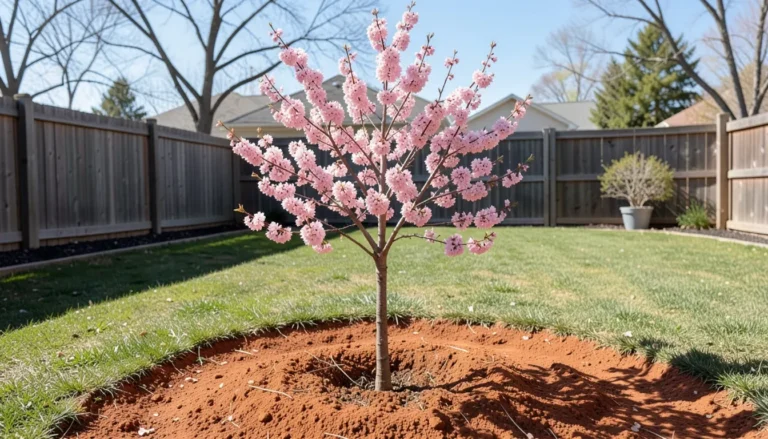
Cherry blossoms belong to the genus Prunus, which also includes plums, peaches, apricots, and almonds — all species that share the same defensive chemistry. Browse our full cherry tree and wood hub for growing, identification, and wood-use guides. For a full breakdown of how toxicity is distributed across an entire cherry tree (not just the flowers), see our companion guide: Are Cherry Trees Poisonous to Humans? A Safety Guide. This article focuses specifically on the blossoms — the part most people actually touch, smell, and are tempted to taste.
Coumarin, Not Cyanide: The Real Risk in Raw Cherry Blossom Petals
Most articles about cherry blossom safety jump straight to cyanide, but that’s the wrong chemical for the petals themselves. The compound responsible for the blossoms’ toxicity risk is coumarin, the same sweet, vanilla-like aromatic that gives sakura its distinctive scent. In large, raw quantities, coumarin is a liver toxin — which is exactly why the FDA has prohibited it as a food additive in the United States since 1977.
That doesn’t mean a stroll under blooming trees is dangerous, or that brushing a petal with your lips is a medical emergency. It means raw, unprocessed blossoms shouldn’t be eaten in bulk, and it explains why every traditional culinary use of sakura involves a specific processing step first.
How Shio-Zuké Makes Sakura Food-Safe
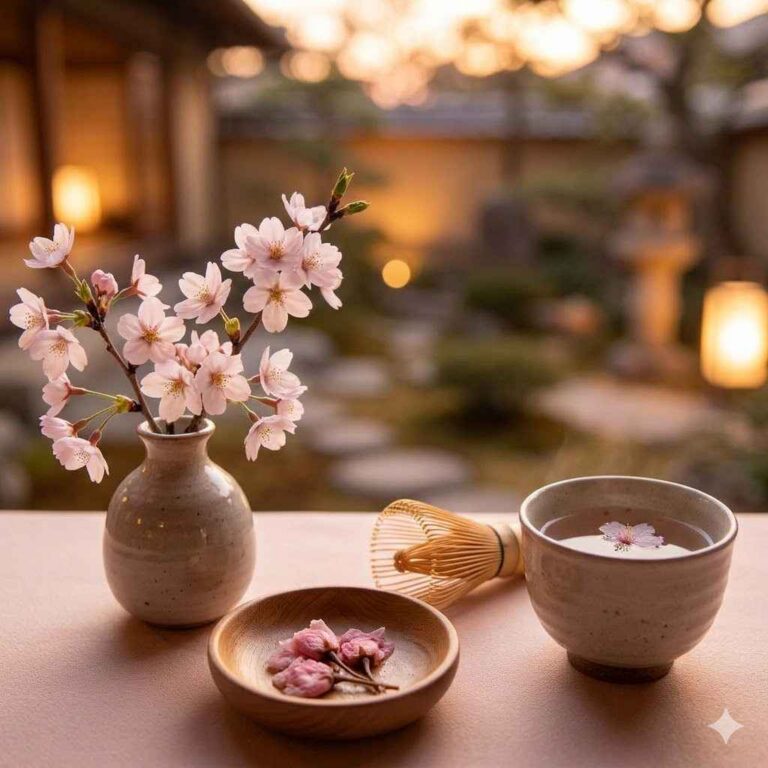
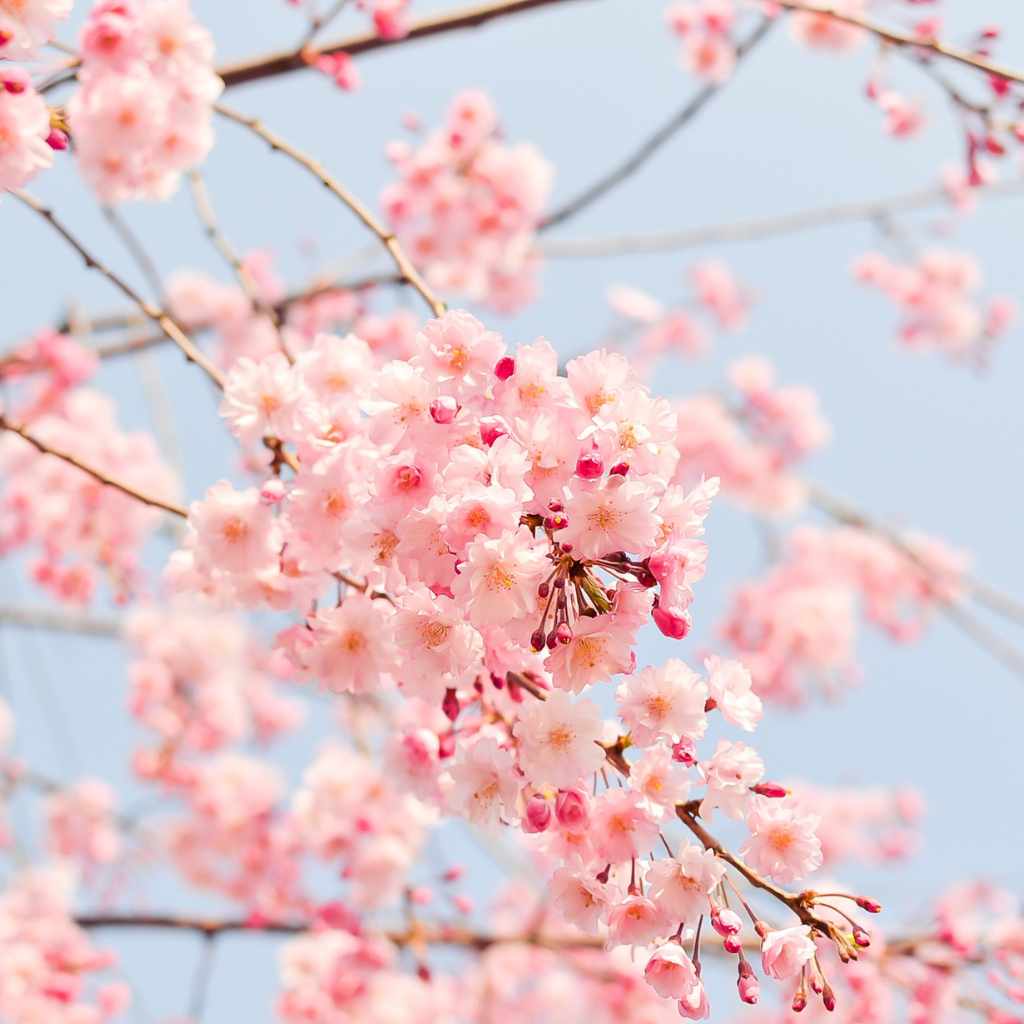
The Japanese method for preparing edible cherry blossoms is called shio-zuké (salt pickling). Fresh blossoms are washed, sprinkled with salt, and left to cure for about a day, then treated with ume plum vinegar — which is also what gives preserved sakura its pink color — before being air-dried or dehydrated. The curing process breaks down much of the coumarin content while intensifying the floral aroma, which is why cured sakura tastes stronger, not weaker, than a fresh petal.
Only specific edible cherry blossom varieties are used for this, typically Prunus serrulata cultivars grown for the purpose. Ornamental trees in a park or a neighbor’s yard are not guaranteed to be the same cultivar, which is one more reason a decorative bloom isn’t a snack.
Cyanogenic Glycosides: Why the Rest of the Tree Is Different
Cyanogenic glycosides are natural plant compounds that release hydrogen cyanide when the tissue containing them is crushed, chewed, wilted, or digested — a defense mechanism shared across the whole Prunus genus. Unlike coumarin in the petals, these compounds are concentrated in the tree’s structural and reproductive tissue, not the flower itself.
Which Parts of the Tree Carry the Real Cyanide Risk
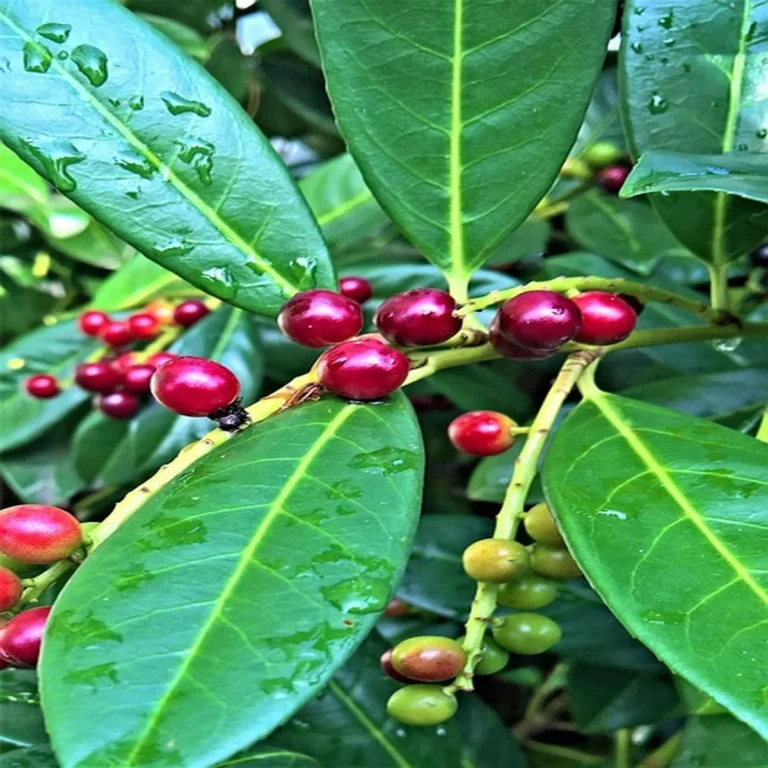
- Seeds/pits: the highest concentration — crushing or chewing a pit is what releases cyanide.
- Leaves: especially wilted or damaged leaves, which is why fallen leaf piles are the real hazard for curious pets.
- Bark and stems: lower concentration than pits or wilted leaves, but still present.
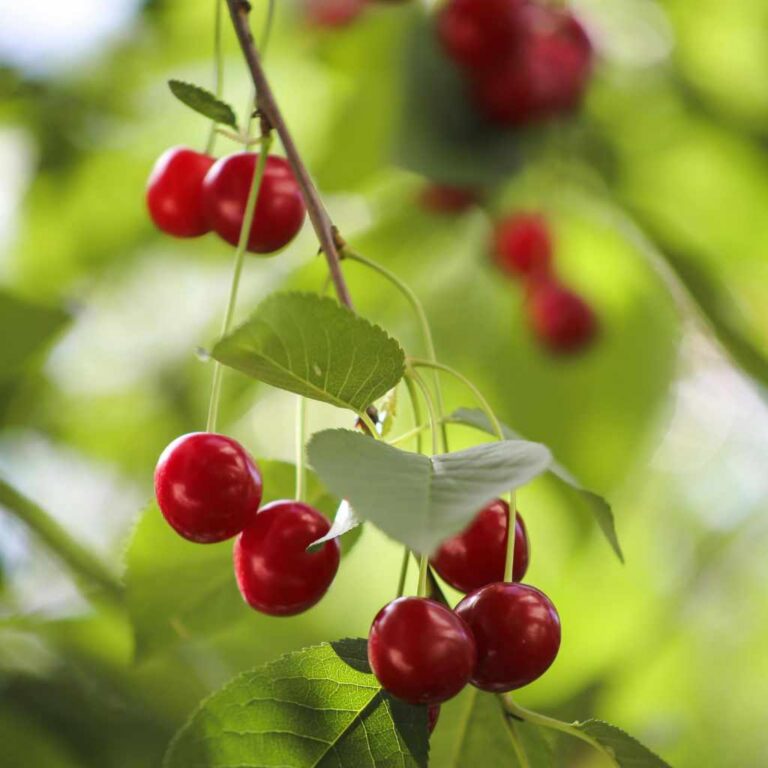
The ripe fruit flesh, once the pit is removed, is safe and is exactly what you’re eating when you buy cherries at a grocery store — the same fruit that takes a young cherry tree several years to actually produce. For the complete list of tree parts, symptoms, and precautions — pits, bark, roots, and disposal of trimmed branches — see the full Are Cherry Trees Poisonous to Humans? A Safety Guide.
📊 Open blossoms are lower-risk than closed buds. A peer-reviewed study of sweet cherry flower development found that cyanogenic glucoside (prunasin) levels peak in closed flower buds just before bloom, then drop once the flowers actually open — the compound appears to be metabolized during flowering itself. — Source: Cyanogenic Glucosides in Sweet Cherry Flower Buds, NCBI/PMC
Culinary Uses of Cherry Blossoms
Once cured through shio-zuké, cherry blossoms show up across traditional Japanese cooking. Sakurayu (sakura tea) is brewed by steeping a single preserved blossom in hot water — the salt gives it a savory-floral edge rather than a sweet one. Sakura mochi wraps a sweet rice cake in a salted cherry leaf (also cured, for the same coumarin-reduction reason) rather than a petal. Cured petals also flavor wagashi confections, syrups, and seasonal lattes.
None of these preparations use raw, unprocessed blossoms picked straight from a park tree — the curing step is the part that makes them food-safe, not just traditional flavoring.
Cherry Blossom Extract, Perfume, and Cosmetics
Cherry blossom perfumes, lotions, and candles almost always use synthetic fragrance compounds that mimic the sakura scent rather than true plant extract, and they’re applied externally, not ingested. Whatever trace coumarin or cyanogenic compound might theoretically be present in a genuine botanical extract is far too diluted in a cosmetic product to pose the ingestion-level risk described above.
Children and Pets: What To Watch For
Children and pets are the real-world risk group, not because petals are dangerous but because both tend to sample fallen leaves, twigs, and pits without knowing the difference. Supervise play under and around cherry trees, especially where windfall leaves or pits collect on the ground.
“Stems, leaves, and seeds contain cyanide, particularly toxic in the process of wilting.”
If a child or pet ingests cherry leaves, bark, or a pit, contact Poison Control at 1-800-222-1222 (humans) or ASPCA Animal Poison Control at 888-426-4435 (pets) right away. Watch for headache, dizziness, nausea, rapid breathing, or in a pet, brick-red mucous membranes and dilated pupils — and don’t wait for symptoms to appear before calling if you know a meaningful amount was eaten.
Distinguishing Edible vs. Ornamental Cherry Blossoms
Ornamental cherry trees — the kind planted for spring display in parks and yards, from Illinois to Oklahoma — are bred for bloom, not fruit or culinary use, and their leaves and seeds still carry the same cyanogenic compounds as any other Prunus. Don’t assume a park tree is one of the edible cultivars used for shio-zuké just because the flowers look similar. When in doubt, admire the bloom and skip the taste test unless the blossoms came from a known food-grade source.
Frequently Asked Questions
Are cherry blossom petals safe to eat?
Yes, in small amounts once processed. Raw petals contain coumarin, which the FDA has banned as a food additive since 1977 because it can strain the liver in large doses. Japan’s shio-zuké salt-curing method neutralizes most of it, which is why pickled sakura is used in tea and sweets rather than eaten straight off the branch.
Can I make tea from cherry blossom leaves?
No. Cherry leaves carry a much higher concentration of cyanogenic glycosides than the petals do, and wilted or crushed leaves release cyanide when steeped. Stick to properly cured sakura petals (shio-zuké) for tea, never raw leaves.
What should I do if my child eats a cherry pit or a handful of leaves?
Stay calm — one pit or a few leaves rarely causes serious harm in a child. Contact Poison Control at 1-800-222-1222 (or your veterinarian for a pet, or ASPCA Animal Poison Control at 888-426-4435) to confirm next steps based on the amount ingested.
Are all cherry trees poisonous?
Not all parts. Ripe cherry flesh is safe and the petals are used in food after curing, but the seeds, leaves, bark, and stems of virtually every Prunus species (cherry, plum, peach, apricot, almond) contain cyanogenic glycosides and should not be eaten raw.
Is coumarin in cherry blossoms actually dangerous?
Only in large, raw, unprocessed quantities — the amount in a garnish or a cup of properly cured sakura tea is not a health concern. Coumarin is a liver toxin at high doses, which is why the FDA restricts it as a food additive, but curing and drying the blossoms greatly reduces the level before they’re ever used in cooking.
Final Thoughts
Cherry blossom petals are not the same toxicity story as the rest of the tree. The real caution with fresh petals is coumarin in large raw quantities, not the cyanide-forming compounds concentrated in the leaves, bark, and pits — which is why properly cured sakura shows up safely in tea and sweets while raw leaves and pits never should. Admire the bloom, save the tasting for shio-zuké-cured sakura from a real food source, and keep curious kids and pets away from fallen leaves and pits.
For the full picture of cherry tree toxicity beyond the blossoms — pits, bark, roots, and disposal — read Are Cherry Trees Poisonous to Humans? A Safety Guide, or see our companion piece on whether wild cherry trees are edible.
Sponsored / affiliate links. As an Amazon Associate I earn from qualifying purchases. I may earn additional commission from eligible campaigns.