Ash Wood Axe Handle vs Hickory: Which Wood Wins?
Ash wood axe handles score 1,320 on the Janka hardness scale, versus 1,820 for hickory — lighter and more shock-absorbent, but less impact-resistant under repeated heavy splitting. A cracked or splitting-grain handle can send an axe head flying mid-swing, which is why grain orientation matters more than species alone. This guide compares ash to hickory, oak, and osage orange by the numbers, and shows exactly how to spot a handle worth buying.
Affiliate disclosure: this page contains Amazon affiliate links. Insert your Affiliate Disclosure reusable block here.
Quick Answer
White ash makes a solid axe handle — strong, flexible, and about 15% lighter than hickory, which reduces arm fatigue on long jobs. Hickory still wins on raw impact strength for daily heavy splitting. Pick ash for lighter felling and forestry axes; pick hickory for splitting mauls and daily-use tools.
What Makes Ash a Good Axe Handle Material
Best Axe Handle Replacement Pick
Link Handles 36″ American Hickory Axe Handle (Wax Finish)
A curved-grip single-bit handle made in the USA from American hickory, sized for 3–5 lb axes.
- Best for: Replacing a cracked or loose-head single-bit axe or splitting maul
- Why we picked it: Hickory’s higher Janka hardness suits repeated heavy-duty splitting better than ash
- Main drawback: Wedges sold separately — check the kit option below if you need them included
Compare more handle replacement options
 Option 1 THRWCLUB Hickory Handle Kit + Wedges
|
 Option 2 Furniture Clinic Boiled Linseed Oil
|
 Option 3 Link Handles Wood & Steel Wedge Set
|
As an Amazon Associate we earn from qualifying purchases.
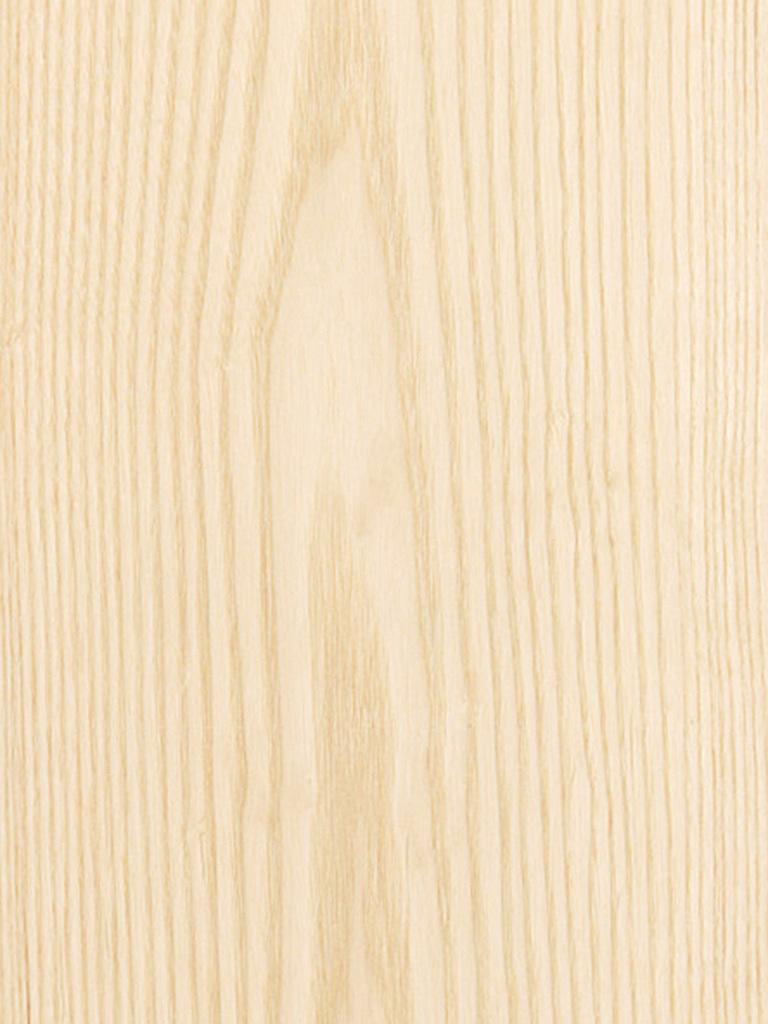
Ash is a diffuse-porous hardwood with long, straight fibers that flex under impact instead of shattering — the same shock-absorbing structure that made it the standard choice for baseball bats, tool handles, and knife handles for over a century. White ash (Fraxinus americana), the species most axe handles are cut from, has a Janka hardness of 1,320 lbf and a straight, open grain pattern that’s easy to shape with a drawknife or spokeshave — part of what makes it one of the general advantages of ash wood as a material.
The wood is also noticeably lighter than hickory — roughly 41 lb per cubic foot compared to hickory’s 51 lb — which matters more than it sounds. On a felling axe swung hundreds of times in a session, that weight difference in the handle alone reduces wrist and shoulder fatigue. It’s why ash was historically preferred for forestry and pattern-making tools where a worker swings all day, while hickory stayed the go-to for splitting mauls that take repeated, jarring impact against knotty rounds.
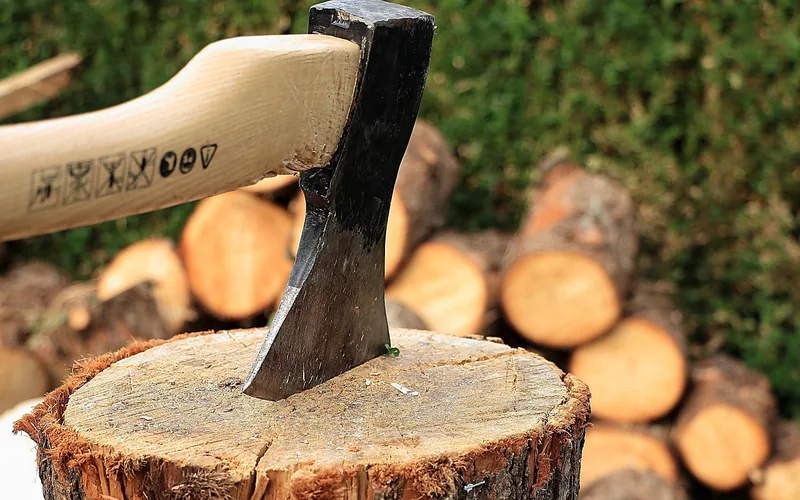
Ash vs Hickory vs Other Handle Woods: Janka Hardness Compared
Janka hardness measures the force needed to embed a steel ball halfway into the wood — higher numbers mean more resistance to denting and impact wear. It isn’t the only factor that matters for a handle (flexibility and grain quality count just as much), but it’s the clearest way to compare species side by side.
| Wood Species | Janka Hardness (lbf) | Weight (lb/ft³) | Best For |
|---|---|---|---|
| White Ash | 1,320 | ~41 | Felling and forestry axes, all-day use |
| Hickory | 1,820 | ~51 | Splitting mauls, daily heavy-duty chopping |
| White Oak | 1,360 | ~47 | Decorative or display handles, light use |
| Osage Orange | 2,040–2,760* | ~54 | Specialty/vintage handles, rarely sold new |
*Osage orange’s rating varies significantly by source depending on moisture content at test time — it’s consistently among the hardest native North American woods either way.
Hickory beats ash by roughly 500 points on the Janka scale, which translates to noticeably better resistance to compression and denting where the eye of the axe head grips the handle. But Janka hardness doesn’t measure flex — ash’s long fiber structure absorbs shock over a wider arc before it reaches your hands, which is why many professional fallers historically preferred it despite the lower hardness number.
Replacing or Upgrading Your Axe Handle
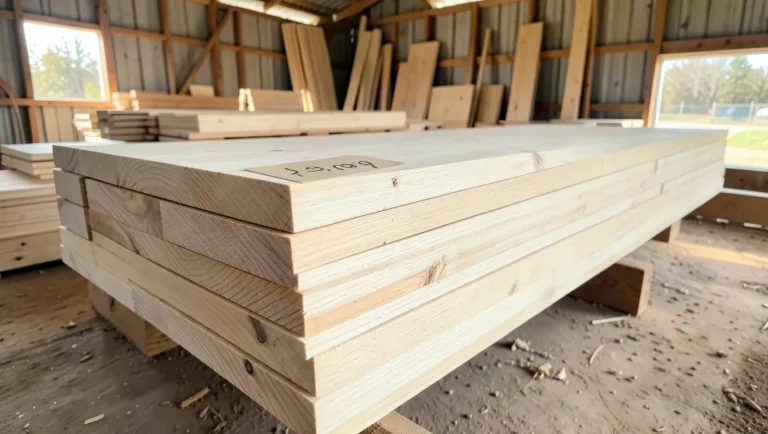
If your current handle has a hairline crack, loose head, or grain that runs out at an angle, don’t wait for it to fail mid-swing — a $35–50 replacement handle is far cheaper than a trip to the ER. If you’d rather shape your own from a rough ash lumber blank, budget several extra hours for seasoning and shaping. For everyone else, here’s a hickory handle and the hardware to install it, plus the oil that keeps a new or existing handle from drying out.
How Ash Axe Handles Are Made
A quality handle starts with a billet split (not sawn) from a straight, knot-free section of ash so the grain runs the full length uninterrupted. The blank is seasoned to 12–15% moisture content — the same seasoning principle that applies whether the wood ends up as a handle or firewood — then roughed to shape on a bandsaw before final shaping with a drawknife and spokeshave. The last steps — rasping, sanding through progressively finer grits, and a coat of boiled linseed oil or wax — are what make the wood stronger and separate a comfortable handle from one that raises blisters.
How to Identify a Quality Ash Handle
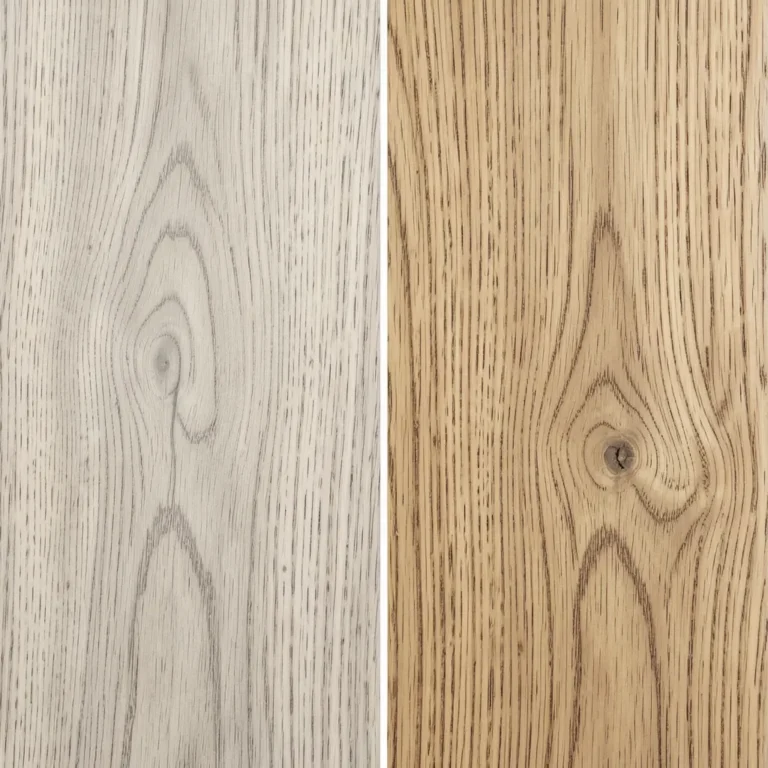
Grain orientation is a wood grain pattern that must run straight and parallel along the full length of a handle, not diagonally across it, in order to flex safely under repeated impact instead of snapping. When the grain runs out — angling across the handle rather than following its length — that spot becomes a built-in weak point no amount of sanding or finish can fix.
- Hold it up to strong light. Sight down the handle’s length — the grain lines should run parallel to the edge, not curve or exit through the side.
- Check for knots and cracks. Even a small knot near the eye or the neck (the thinnest part below the head) is a failure point under stress.
- Test the moisture content. Properly seasoned wood sits between 12% and 15% moisture — a handle that feels unusually light and dry, or heavy and cool, is outside that range and prone to warping or cracking.
- Flex-test gently. A quality handle has a small amount of spring to it. Zero flex at all often means over-dried, brittle wood.
Caring for and Maintaining an Ash Axe Handle
Wipe the handle down after each use and let it air-dry before storing — never leave an axe head-down in wet grass or a damp shed, since the end grain wicks up moisture fastest. Every few months, or sooner if the wood looks dry and pale, rub in a light coat of boiled linseed oil and let it soak in overnight; wipe off the excess so it doesn’t stay tacky. A thin coat of paste wax on top of the oil adds a water-resistant seal for handles used outdoors.
Inspect the head-to-handle connection every season. A loose head usually means the wood has shrunk slightly and the wedge needs re-seating or replacing — catching this early is a five-minute fix; ignoring it is how heads come loose mid-swing.
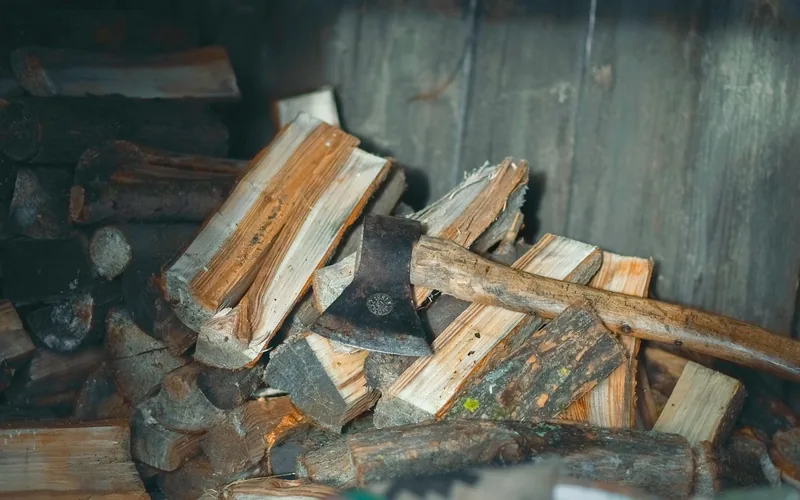
Common Mistakes to Avoid
- Buying on species name alone. A hickory handle with grain that runs out is weaker than a well-grained ash handle. Check the grain before checking the wood type.
- Storing an axe head-down. This traps moisture at the end grain, the fastest path for water to enter the wood and cause splitting.
- Over-sanding a new handle. Sanding too aggressively removes the slightly proud grain texture that helps grip — stop at a smooth, not glassy, finish.
- Ignoring a loose head. A wobbling axe head is not a cosmetic issue; re-wedge or replace the handle before the next use.
- Skipping oil on a new handle. Unfinished wood dries out and cracks faster, even indoors. Oil it before the first use, not after problems appear.
Frequently Asked Questions
Is ash good for axe handles?
Yes. White ash has a Janka hardness of 1,320 and a long, flexible fiber structure that absorbs shock well, making it a proven choice for axe, hammer, and forestry tool handles. It’s lighter than hickory, which reduces fatigue on long jobs, though it’s somewhat less impact-resistant.
Is ash better than hickory for handles?
It depends on the task. Hickory is tougher and more shock-resistant (1,820 Janka vs ash’s 1,320), which makes it the better choice for splitting mauls and daily heavy-duty chopping. Ash is lighter and more flexible, which suits felling axes and forestry work where fatigue over a long session matters more.
Is ash stronger than hickory?
No, hickory is stronger by raw impact-bending strength and Janka hardness. Hickory wood is denser and more durable under repeated heavy shock, which is why it’s the industry standard for splitting mauls and heavy felling axes.
What is the best wood for axe handles?
Hickory is generally considered the best all-around wood for axe handles due to its strength, flexibility, and shock absorption. Ash is a strong second choice, especially where lighter weight matters more than maximum impact resistance.
How do you know if an axe handle’s wood quality is good?
Check that the grain runs straight and parallel along the full length of the handle with no knots, cracks, or angled grain runout. The wood should have a slight spring when flexed and should not feel unusually light and dry or heavy and cool — both signs of improper seasoning.
Conclusion
Ash makes a genuinely good axe handle — lighter than hickory, flexible enough to absorb shock, and easy to shape and maintain. Choose it for forestry and felling axes used all day; choose hickory when the tool is a splitting maul that takes repeated, jarring impact. Whichever species you pick, straight grain and proper seasoning matter more than the name on the label.
Sponsored / affiliate links. As an Amazon Associate I earn from qualifying purchases. I may earn additional commission from eligible campaigns.