Ash Wood Flooring: Pros, Cons, Cost & Janka Hardness (2026)
Ash wood flooring rates 1,320 on the Janka hardness scale, harder than red oak, and costs $4 to $9 per square foot installed. But the emerald ash borer has cut U.S. ash lumber supply so sharply that foresters expect the species to grow scarce within 10 to 20 years. This guide covers real installation steps, ash vs. oak vs. hickory costs, and how to spot borer-affected lumber before you buy.
Quick Answer
Ash wood flooring is a light-colored, shock-absorbent hardwood with a Janka hardness of 1,320 — slightly harder than red oak (1,290) but softer than white oak (1,360). It costs $4-$9 per sq. ft. for solid or engineered planks, plus $3-$8 per sq. ft. for installation. Its main downside isn’t durability — it’s supply, since the emerald ash borer has wiped out hundreds of millions of ash trees since 2002.
What Is Ash Wood Flooring?
Best Ash Flooring Care Pick
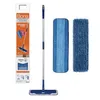
Bona Premium Sweep & Clean Mop for Hardwood Floors
A microfiber mop built specifically for sealed hardwood — the everyday tool for ash’s biggest weak point: standing water and grit that scratches its lighter, more visible surface.
- Best for: Daily dry sweeping plus occasional damp cleaning on sealed ash
- Why we picked it: Microfiber pad lifts grit instead of dragging it across the finish
- Main drawback: Pads need regular washing to keep working well
Compare more ash flooring care options
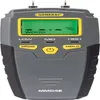 Option 1 General Tools Wood Moisture Meter
|
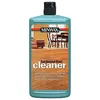 Option 2 Minwax Hardwood Floor Cleaner
|
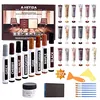 Option 3 Wood Floor Scratch Repair Kit (39-Piece)
|
As an Amazon Associate we earn from qualifying purchases.
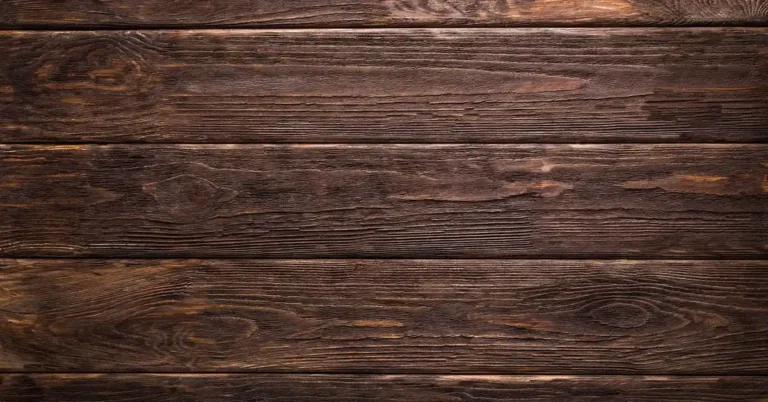
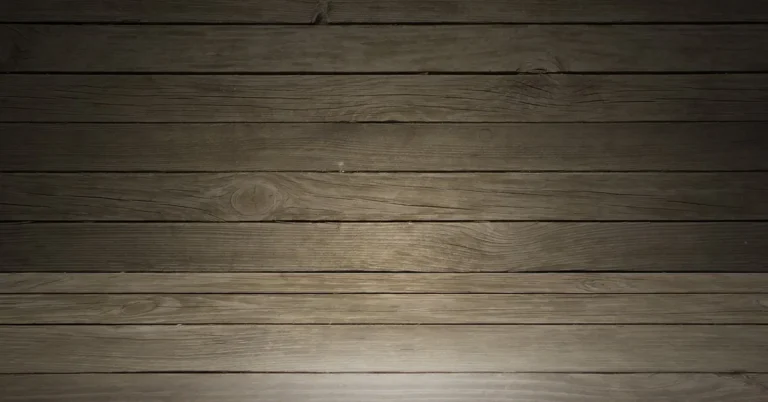
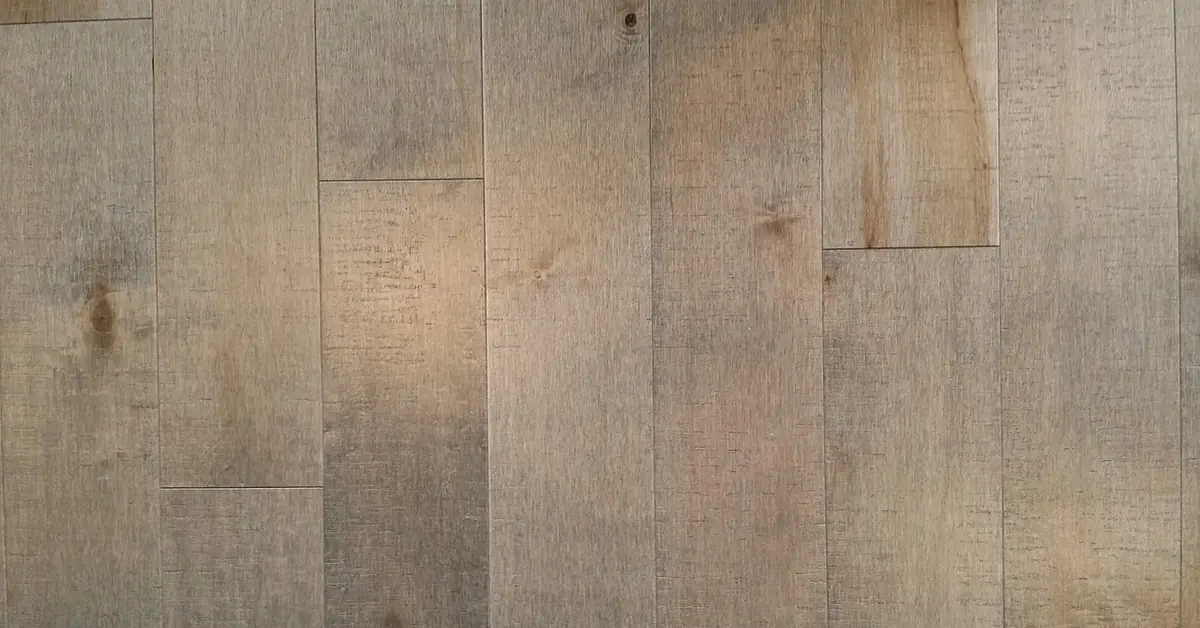
Ash wood flooring is a domestic hardwood flooring made from white ash (Fraxinus americana) or European ash trees, prized for its pale cream-to-light-brown color and bold, straight grain. It responds well to steam bending and machine tools, glues and finishes cleanly, and has traditionally been used for tool handles and baseball bats as well as flooring — a sign of how much stress the wood can absorb without cracking.
Unlike oak, which darkens with age, ash tends to hold its lighter hue over time. The grain runs more open and “wavier” than maple’s uniform look, which is why designers reach for it when they want a floor with visible movement and character rather than a flat, uniform surface. For a closer look at white ash color grades and the design styles it pairs with best, see our White Ash Wood Flooring guide.
How Much Does Ash Wood Flooring Cost? (2026 Price Guide)
Ash flooring material runs $4 to $9 per square foot depending on cut (solid strip vs. wide plank) and grade, with installation adding another $3 to $8 per square foot. For a typical 200-square-foot room, that puts total project cost — material plus labor — in the $1,400 to $3,400 range. Engineered ash, which uses a thinner wear layer over a plywood core, tends to run $5 to $15 per square foot but installs faster and handles basements better than solid planks.
Here’s how that stacks up against the two hardwoods homeowners compare it to most:
| Species | Janka Hardness | Material Cost/sq ft | Best For |
|---|---|---|---|
| Ash | 1,320 lbf | $4-$9 | Bright, open rooms; shock absorption |
| Red Oak | 1,290 lbf | $3-$7 | Budget-friendly, wide availability |
| White Oak | 1,360 lbf | $5-$10 | Moisture-prone areas, closed grain |
| Hickory | 1,820 lbf | $6-$12 | Maximum hardness, rustic look |
Sources: Wood Database Janka ratings; flooring industry pricing data compiled 2026.
Is Ash Wood Flooring Durable? (Janka Hardness Explained)
Yes — ash flooring holds up well in busy households. Its Janka hardness of 1,320 lbf means it resists dents and scratches about as well as red oak, and it’s harder than black walnut (1,010) or Douglas fir (660). What sets ash apart isn’t raw hardness, though — it’s elasticity. Ash flexes and absorbs shock rather than transmitting it, which is why it’s a traditional choice for gym floors, bowling alleys, and tool handles that take repeated impact.
That same elasticity makes ash forgiving underfoot in open-plan rooms — it dampens the hollow echo you sometimes get walking across a very hard, dense floor like hickory. The tradeoff is heartwood durability against rot: The Wood Database rates white ash’s heartwood as only “slightly durable” against decay and not resistant to insect attack, which is exactly why it belongs indoors, not on a covered porch or in a bathroom prone to standing water.
“Produces good results with hand or machine tools. Responds well to steam bending. Glues, stains, and finishes well.”
The Emerald Ash Borer Problem: Why Ash Flooring Is Getting Harder to Find
The emerald ash borer is an invasive beetle first detected in Michigan in 2002. With no natural predators in North America, it has since killed hundreds of millions of ash trees, and foresters now expect ash to become scarce as a flooring species within the next 10 to 20 years. If you’re considering ash flooring, this — not durability — is the real reason to move sooner rather than later, or to at least confirm your supplier’s sourcing.
📊 Salvage logging of borer-killed ash has actually increased short-term lumber supply in some regions, even as the long-term outlook shrinks — Source: industry flooring supply reporting, 2026.
- Ask about board length: premature harvesting from borer-killed trees often produces shorter boards than old-growth ash.
- Ask about blue-stain fungus: ash killed by the beetle and left standing too long before milling can develop a blue-gray discoloration. Some buyers accept it at a discount; others don’t want it at all — decide which you are before you order.
- Buy engineered if solid ash is scarce locally: engineered ash stretches a thinner layer of real ash over a more available plywood core.
Solid vs. Engineered Ash Wood Flooring: Which Should You Choose?
Solid ash flooring is a single piece of wood, typically 3/4-inch thick, that can be sanded and refinished multiple times over its lifespan — but it should only go above grade (never over concrete or in a basement) because it moves with humidity. Engineered ash uses a thin wear layer of real ash bonded to a plywood or HDF core, which resists humidity swings well enough for basements and works over concrete slabs, though it can typically only be refinished once or twice before the wear layer runs out.
Choose solid ash if you want a floor that can be refinished for decades and you’re installing on a wood subfloor above ground level. Choose engineered ash for a basement, over radiant heat, or over a concrete slab where solid wood would cup or gap. See our full engineered ash hardwood guide for wear-layer thickness, finish options, and installation steps specific to engineered planks.
If even engineered ash is more than your budget allows, ash wood laminate flooring replicates the look for a fraction of the cost, using an AC-rated wear layer instead of real wood.
How to Install Ash Wood Floors
Installing ash wood floors is a doable DIY project for solid strip flooring on a wood subfloor, though wide-plank solid ash and any engineered install over concrete are easier to get right with a pro. Here’s the process either way:
- Test subfloor moisture: use a moisture meter to confirm the subfloor is dry before you order lumber — ash’s elasticity doesn’t protect it from cupping if you install over a damp slab or joist bay.
- Prepare the subfloor: remove old flooring, clean thoroughly, and confirm the surface is flat within 3/16 inch over a 10-foot span.
- Lay the underlayment: a foam or felt underlayment adds soundproofing and a smooth base for the planks.
- Acclimate the ash planks: let solid ash sit in the room for 3-5 days before installing so it adjusts to indoor humidity and won’t gap or buckle later.
- Install the planks: start at one wall, nail or glue each plank per the manufacturer’s spec, and leave a 3/4-inch expansion gap at the perimeter for wood movement.
- Sand and finish: once planks are down, sand solid ash to level the surface and apply a protective finish; pre-finished engineered ash skips this step entirely.
Caring for Your Ash Wood Floors
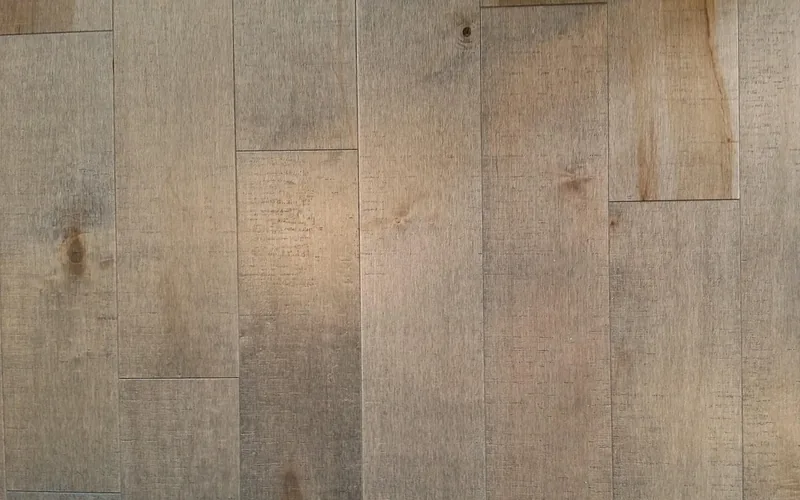
Ash flooring care is straightforward but has one real vulnerability: standing water. Because heartwood ash has only slight decay resistance, spills left too long can stain or warp the boards faster than they would on a more rot-resistant species like white oak.
- Sweep or vacuum regularly to remove grit before it scratches the finish — ash’s lighter color shows scuffs more visibly than dark stains do.
- Wipe up spills immediately and use mats near sinks, entryways, and anywhere water is common.
- Keep indoor humidity between 35% and 55%; ash moves with humidity swings more than it moves with temperature alone.
- Use felt pads under furniture legs and lift furniture instead of dragging it.
- Plan to refinish solid ash every 7-15 years, depending on traffic — see our belt sander for floors comparison if you’re sanding it yourself.
Pros and Cons of Ash Wood Floors
| Pros | Cons |
|---|---|
| Light, elegant color that resists darkening over time | Supply is shrinking due to the emerald ash borer |
| Janka hardness of 1,320 — harder than red oak | Heartwood has only slight decay resistance; not for wet areas |
| Elastic and shock-absorbing underfoot, quieter in open rooms | Solid ash needs a wood subfloor and can’t go in basements |
| Takes stain and finish evenly for easy customization | Bold grain pattern isn’t to every buyer’s taste |
| Comparable installed cost to red and white oak | Lighter color shows scratches and scuffs more visibly than dark floors |
Frequently Asked Questions
What is ash wood flooring?
Ash wood flooring is a domestic hardwood flooring made from ash trees, known for its light cream-to-brown color, straight-to-wavy grain, and Janka hardness of 1,320 — slightly harder than red oak.
Is ash wood flooring durable?
Yes. At 1,320 lbf on the Janka scale, ash withstands heavy foot traffic about as well as red oak, and its elasticity helps it absorb shock rather than transmit it, which is why it’s a traditional choice for gym floors.
How much does ash wood flooring cost per square foot?
Material runs $4 to $9 per square foot for solid ash and $5 to $15 for engineered ash, plus $3 to $8 per square foot for installation. A typical 200-square-foot room costs roughly $1,400 to $3,400 total.
Is ash flooring going extinct because of the emerald ash borer?
Not extinct, but increasingly scarce. The emerald ash borer has killed hundreds of millions of ash trees since 2002, and foresters expect ash to become a hard-to-find flooring species within 10 to 20 years, even though salvage logging currently keeps some supply available.
Is ash or oak flooring better?
Neither is objectively better — oak (especially white oak) resists moisture better and stays more widely available, while ash offers a lighter color that won’t darken with age and more shock-absorbing elasticity underfoot. Choose oak for long-term supply certainty, ash for a brighter look and open-room comfort.
Can ash wood floors be refinished?
Solid ash floors can be sanded and refinished multiple times over their lifespan, typically every 7 to 15 years depending on traffic. Engineered ash can only be refinished once or twice, since its real-wood wear layer is thin.
Conclusion
Ash wood floors deliver oak-level hardness with a lighter, more forgiving look and better shock absorption underfoot — solid reasons to consider them for a busy living room or open-plan space. The catch isn’t the wood’s performance, it’s supply: with the emerald ash borer steadily thinning U.S. ash populations, sourcing is the real decision driver, not durability.
Weigh solid vs. engineered based on your subfloor, confirm your supplier’s lumber sourcing given the borer situation, and budget $1,400-$3,400 for a typical 200-square-foot room installed. For more on comparing hardwood species before you commit, see our full wood flooring guide.
Sponsored / affiliate links. As an Amazon Associate I earn from qualifying purchases. I may earn additional commission from eligible campaigns.