Ash Wood Leaf Identification Shape & Tree Facts
Have you ever spotted a tree with distinctive compound leaves and wondered what kind it was? Perhaps you found a fallen leaf on a nature walk and were curious about its origin. Identifying trees can be a rewarding experience, connecting you more deeply with the natural world.
This guide will help you become an expert in recognizing the Ash Wood Leaf Identification Shape & Tree Facts, so next time you encounter one, you’ll know exactly what you’re looking at. You’ll gain clear knowledge about ash leaves and trees, making your future observations more informative and enjoyable.
Identifying Ash Wood Leaves
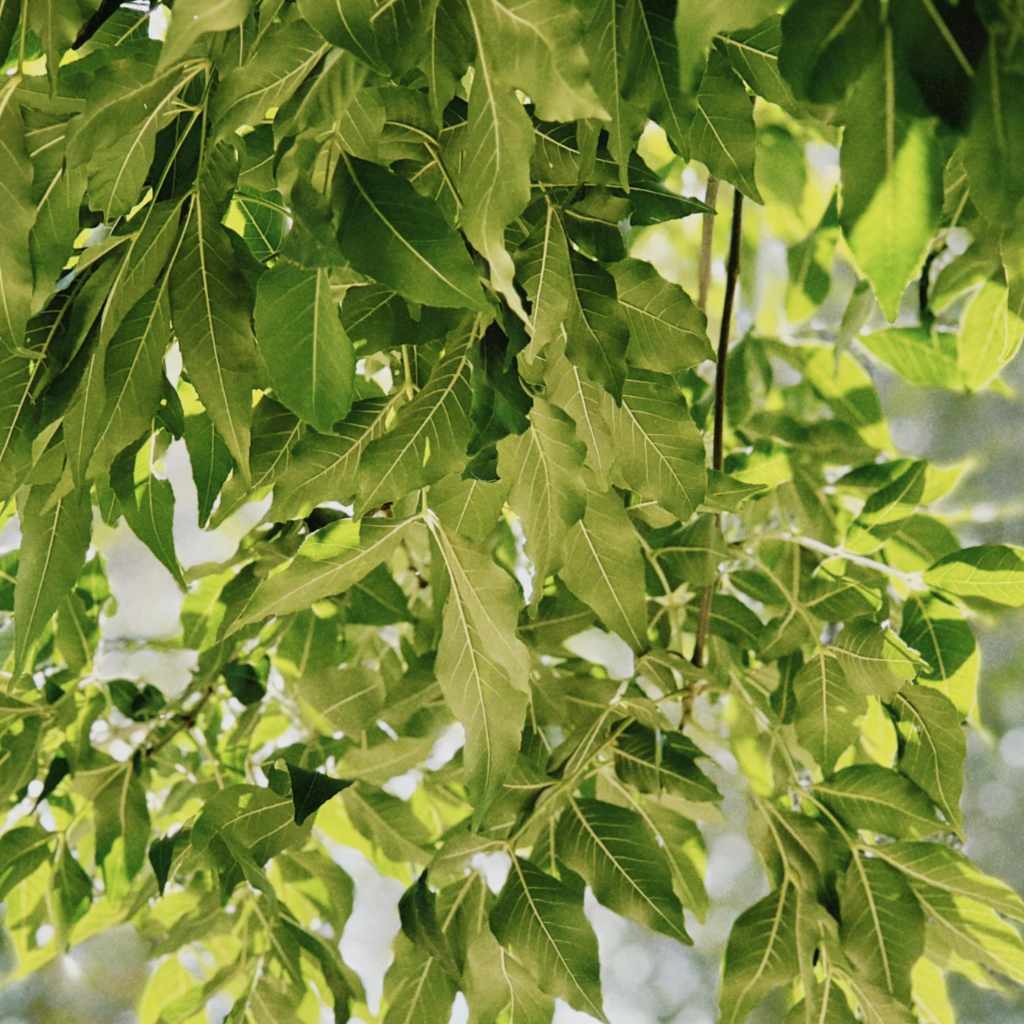
Ash trees are known for their beautiful, compound leaves, making them a common and easily recognizable sight in many landscapes. Knowing how to identify an ash leaf is key to understanding these magnificent trees. The most defining characteristic of ash leaves is their arrangement: they are always pinnately compound.
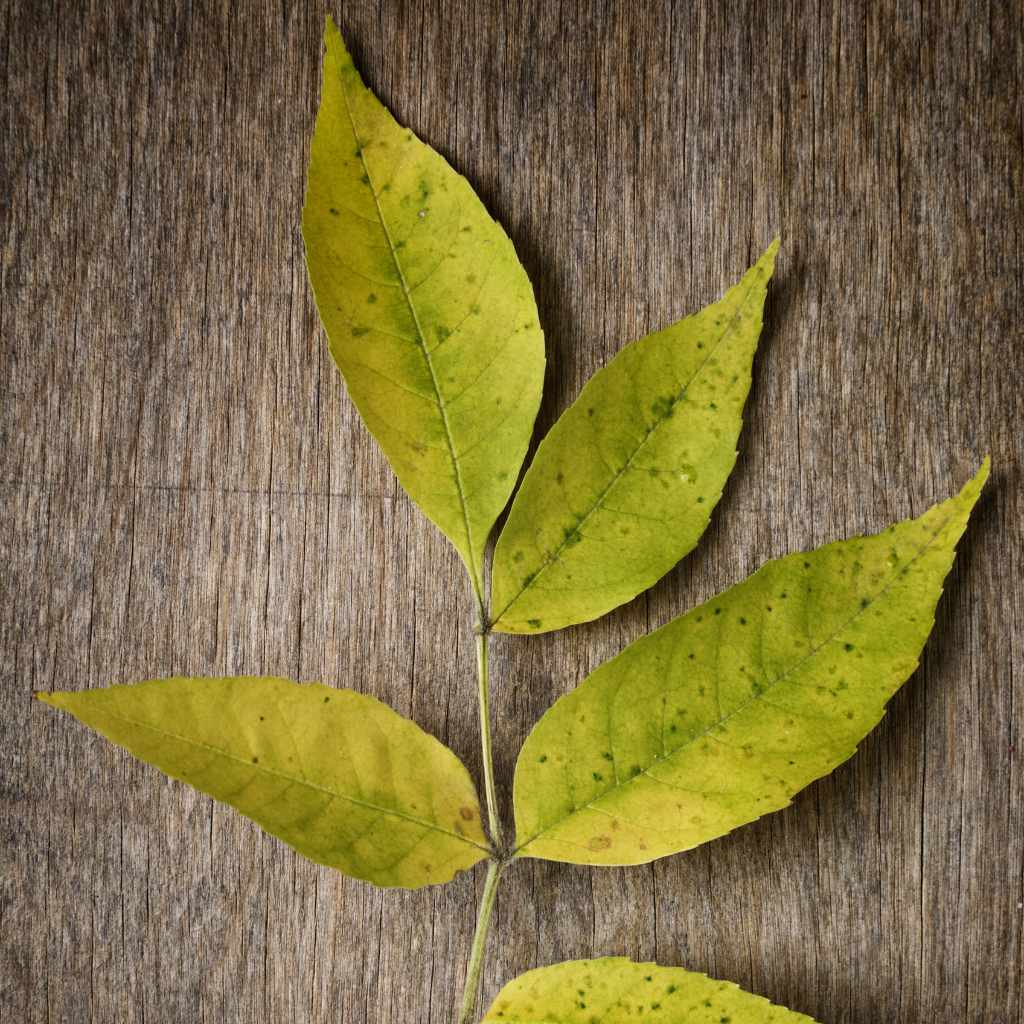
This means that instead of a single leaf blade attached to the stem, a single leaf is made up of several smaller leaflets, all arranged along a central stem called a rachis. This central stem then attaches to the main branch of the tree. The number of leaflets can vary between ash species, but they are typically arranged opposite each other along the rachis, with one terminal leaflet at the very end.
Leaflet Shape and Arrangement
The leaflets themselves are usually oval or lance-shaped, with smooth or finely toothed edges. The surface of the leaflets is typically a deep green, often smooth, and can feel somewhat leathery. The arrangement of these leaflets is one of the most consistent features.
Look closely at the twig; you will see that the leaf stalks, or petioles, emerge directly opposite each other. This opposite branching pattern is a strong indicator of an ash tree, as most other trees have alternate branching. The terminal leaflet, the one at the very tip of the leaf stem, is often slightly larger than the others, or it might be similar in size.
The overall shape of the compound leaf, when spread out, can be quite broad, resembling an open hand or a feather.
Common Ash Species and Their Leaf Differences
While the general structure of ash leaves is consistent, there are slight variations among different ash species that can help with more precise identification. For example, the White Ash (Fraxinus americana) typically has 5 to 9 leaflets per leaf, and these leaflets are usually smooth-edged or have very fine teeth. The leaflets are often a lighter green on the underside.
The Green Ash (Fraxinus pennsylvanica) is similar but often has more leaflets, typically 5 to 7, and its leaflets tend to have more noticeably serrated edges. The leaflets are also usually a brighter green. Black Ash (Fraxinus nigra) is another species that has 7 to 11 leaflets, and its leaflets tend to have a more elongated shape with finely toothed edges.
The Black Ash often prefers wetter habitats than other ash species. European Ash (Fraxinus excelsior) is common in Europe and generally has 7 to 13 leaflets that are smooth-edged.
| Species | Typical Leaflet Count | Leaflet Edge Description | Common Habitat |
|---|---|---|---|
| White Ash | 5-9 | Smooth or finely toothed | Upland forests |
| Green Ash | 5-7 | Noticeably serrated | Floodplains, disturbed areas |
| Black Ash | 7-11 | Finely toothed | Wetlands, swamps |
| European Ash | 7-13 | Smooth | Various forests |
Understanding the Ash Tree
Beyond the leaves, ash trees possess other characteristics that aid in their identification. The bark of mature ash trees is often deeply furrowed, creating a diamond-shaped pattern on the trunk, especially in older specimens of White Ash and Green Ash. Younger trees might have smoother bark.
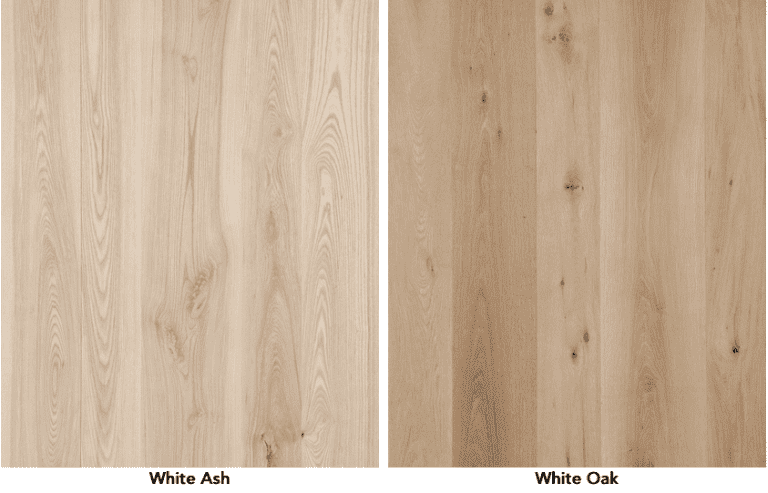
The wood itself is known for its strength, flexibility, and shock resistance, making it highly valued for tool handles, baseball bats, furniture, and flooring. Ash trees are deciduous, meaning they lose their leaves in the fall. Before they drop, ash leaves often turn vibrant shades of yellow, purple, or greenish-yellow, adding a splash of color to the autumn landscape.
The seeds of ash trees are produced in clusters of winged fruits called samaras. These samaras are often described as paddle-shaped or helicopter seeds and are a very distinctive feature of ash trees, remaining on the branches well into winter after the leaves have fallen.
Ash Tree Growth Habits and Habitat
Ash trees are generally medium to large trees, with many species growing to impressive heights. They are adaptable and can be found in a variety of environments, from dry uplands to moist riverbanks and swamps, depending on the specific species. For instance, White Ash prefers well-drained soils and is often found in mixed hardwood forests.
Green Ash is more tolerant of wet conditions and can be found in floodplains and along streambeds. Black Ash, as its name suggests, thrives in very wet environments like swamps and bogs. The presence of ash trees can also be an indicator of soil quality and moisture levels in an area.
Their ability to grow in diverse conditions makes them important components of many ecosystems.
The Impact of the Emerald Ash Borer
It is important to mention the significant impact of the Emerald Ash Borer (EAB), an invasive insect species, on ash tree populations across North America. EAB larvae bore into the bark of ash trees, feeding on the phloem and cambium, which disrupts the tree’s ability to transport water and nutrients, ultimately leading to the tree’s death. This has resulted in widespread decline and mortality of ash trees in many areas.
When identifying ash trees, one might notice signs of EAB infestation, such as D-shaped exit holes in the bark, thinning canopy, epicormic sprouting (new shoots growing from the trunk or main branches), and serpentine galleries under the bark. Recognizing these signs is important for understanding the health of ash tree populations in a given region.
Ash Wood Leaf: Identification Shape Tree Facts Summarized
To recap the key features for identifying ash wood leaves, remember the pinnately compound structure with opposite leaf arrangement. The leaflets are typically oval to lance-shaped with smooth or toothed edges. The terminal leaflet is often prominent.
Different species have slight variations in leaflet number and edge detail. Observing the bark for furrowing, the seed shape (samaras), and the tree’s preferred habitat can further confirm identification. The fall color and the opposite branching pattern on the twigs are also strong clues.
Even with the challenges posed by the Emerald Ash Borer, these identification markers remain consistent for the ash species themselves.
Frequently Asked Questions
Question: How many leaflets does a typical ash leaf have
Answer: The number of leaflets on an ash leaf can vary by species, but commonly ranges from 5 to 13 leaflets. For example, White Ash often has 5 to 9, while Black Ash can have 7 to 11, and European Ash may have 7 to 13.
Question: Are ash leaves toothed or smooth
Answer: The edges of ash leaflets can be either smooth or toothed. White Ash and European Ash tend to have smoother edges, while Green Ash and Black Ash often have noticeably serrated or toothed edges.
Question: What is the most unique feature of an ash leaf
Answer: The most unique feature is that ash leaves are pinnately compound with leaflets arranged oppositely along a central stem, and the ash tree itself exhibits opposite branching on its twigs.
Question: What are ash tree seeds called
Answer: Ash tree seeds are called samaras. They are winged fruits, often described as paddle-shaped or resembling miniature helicopters, and they typically grow in clusters.
Question: What is a common problem affecting ash trees
Answer: A significant problem affecting ash trees is the Emerald Ash Borer (EAB), an invasive insect that can cause widespread mortality in ash tree populations by feeding on the tree’s inner bark.
Final Thoughts
Identifying ash leaves and trees is an accessible skill that enhances your appreciation for nature. By focusing on the distinct pinnately compound structure, the opposite arrangement of leaflets, and the common leaflet shapes, you can confidently distinguish ash from other trees. Remember to also consider the bark texture, the presence of samara seeds, and the preferred growing conditions for a more complete picture.
Keep an eye out for the characteristic fall colors and the opposite branching pattern, which are excellent clues. Even as populations face challenges from invasive species like the Emerald Ash Borer, learning these identification features equips you to recognize these important trees. Take these tips with you on your next walk in a park or forest and practice your ash tree spotting.
The more you observe, the more familiar these signs will become, allowing you to connect with the natural world on a deeper level and share your knowledge with others.