Ash Wood Kitchen Ideas: Modern Cabinets, Hardness & Real Availability
Ash wood kitchens are having a real moment right now, and it’s not hard to see why: the light, open, straight grain reads as Scandinavian-modern rather than the honey-oak look a lot of homeowners are actively trying to replace. But there’s a supply-chain wrinkle most kitchen-ideas articles skip entirely – the emerald ash borer has been cutting into North American ash lumber supply since the early 2000s, and it’s changed both price and regional availability. Below is what ash actually brings to a modern kitchen, real hardness numbers next to oak and maple, and what to ask a cabinet shop before you commit.
Why Ash Wood Works for a Modern Kitchen
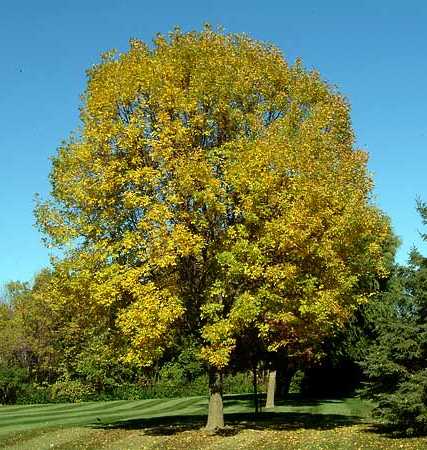
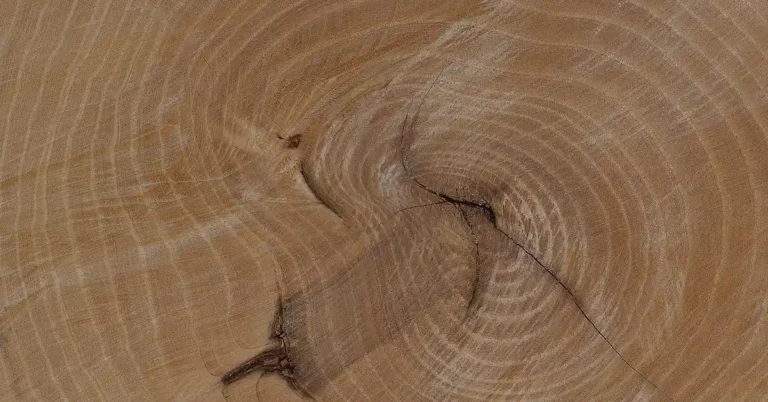
Ash is a pale-to-medium-brown hardwood, sometimes with a faint gray or pink cast, and a coarse, straight, open grain that’s visually similar to oak but reads lighter and more uniform in tone. That combination – bright color plus a grain pattern with real texture – is exactly what the current “modern natural” and Scandinavian-influenced kitchen look calls for: enough visual interest to avoid looking flat, without the heavier, darker presence of traditional cabinetry.
Best Topcoat for Ash Cabinetry
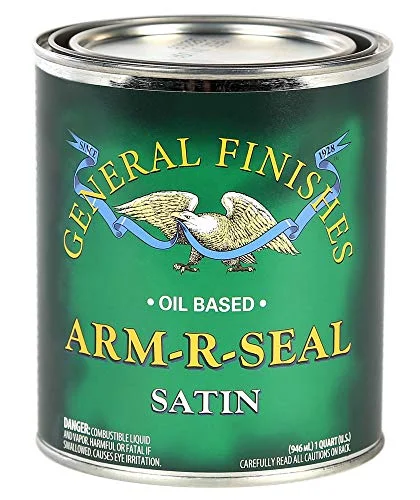 |
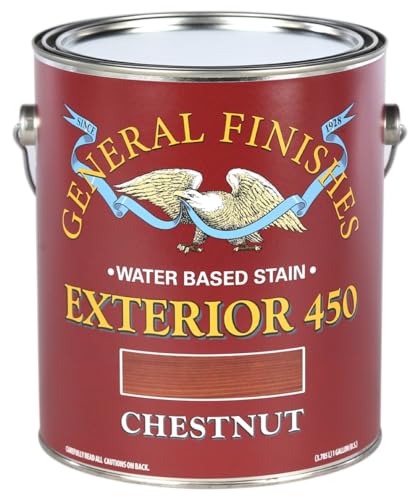
General Finishes Arm-R-Seal Oil-Based Topcoat, Quart, Satin – $46.03 Ash’s open grain absorbs a wiped-on oil finish evenly, which is exactly how this topcoat is meant to be applied.
|
Ash also earns its place structurally, not just visually. On the Janka hardness scale – the standard industry test for how much force it takes to embed a steel ball halfway into a wood sample – ash rates at roughly 1,320 lbf. That’s harder than red oak (about 1,290 lbf) and just under white oak (about 1,360 lbf), which puts it solidly in the same durability class as the hardwoods most commonly specified for kitchen cabinetry and flooring. In practice that means ash resists dents from dropped cans and everyday knocks about as well as red oak does. Ash isn’t without tradeoffs, though – see our full breakdown of ash wood’s drawbacks before committing a full kitchen to it.
A Real Supply Consideration: The Emerald Ash Borer
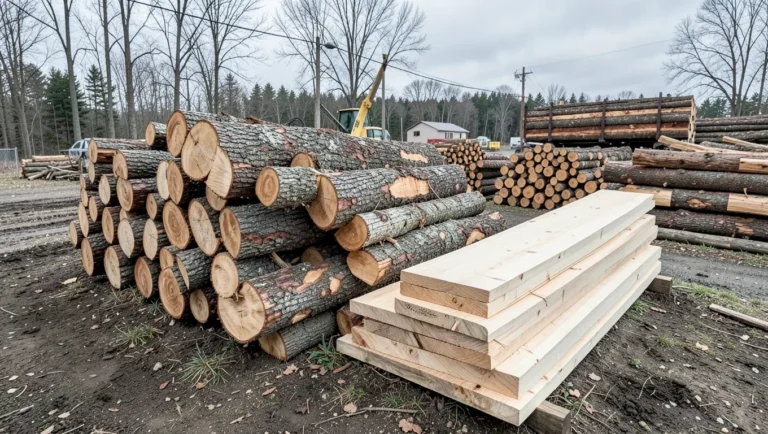
This is the part most “ash kitchen ideas” roundups leave out, and it’s worth knowing before you spec a whole kitchen in it. The emerald ash borer, an invasive beetle first detected in Michigan in 2002, has since killed hundreds of millions of ash trees across the United States and Canada. It doesn’t affect kiln-dried lumber already sitting in a cabinet shop’s inventory, but it has reduced the standing ash timber available to sawmills in a lot of regions, and that scarcity has pushed ash lumber prices up – close to, or in some cases above, red oak, where ash used to be the cheaper option. None of this makes ash a bad choice; it’s still a real, sourceable hardwood. It just means it’s worth asking your cabinet maker or lumberyard about current ash pricing and lead times rather than assuming it will be the budget pick it once was.
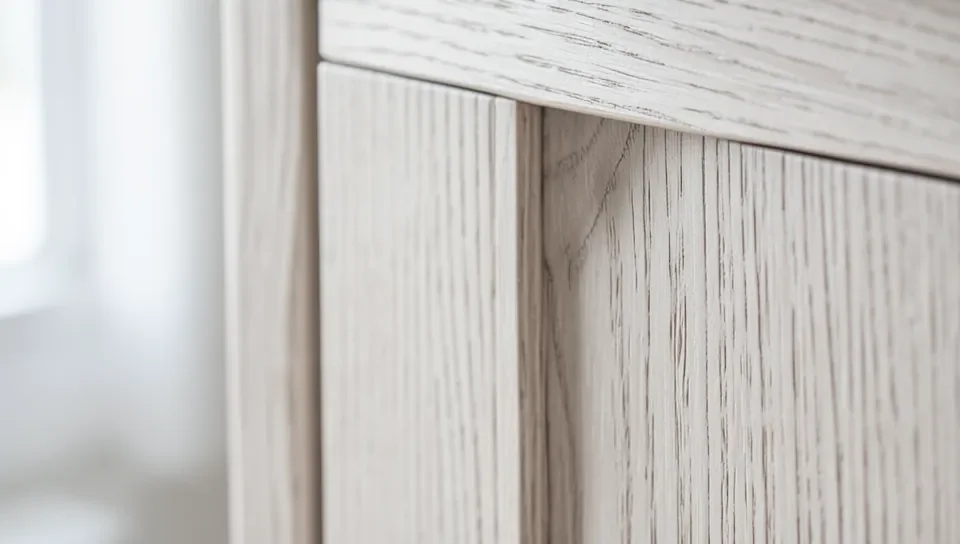
Ash also takes finishes evenly because of that same open grain – stain, clear oil, and hardwax-oil finishes all soak in consistently with basic prep (a light sand and a pre-stain conditioner if you’re using a pigmented stain), which is part of why it stains similarly to oak rather than blotching the way tighter-grained woods like maple sometimes do.
Modern Ash Wood Kitchen Design Ideas
Once you’ve decided ash fits the durability and sourcing picture, the design question becomes where to actually use it. Here’s how it shows up in a modern kitchen, from full cabinetry runs down to small accent pieces.
Sleek, Flat-Panel Cabinetry
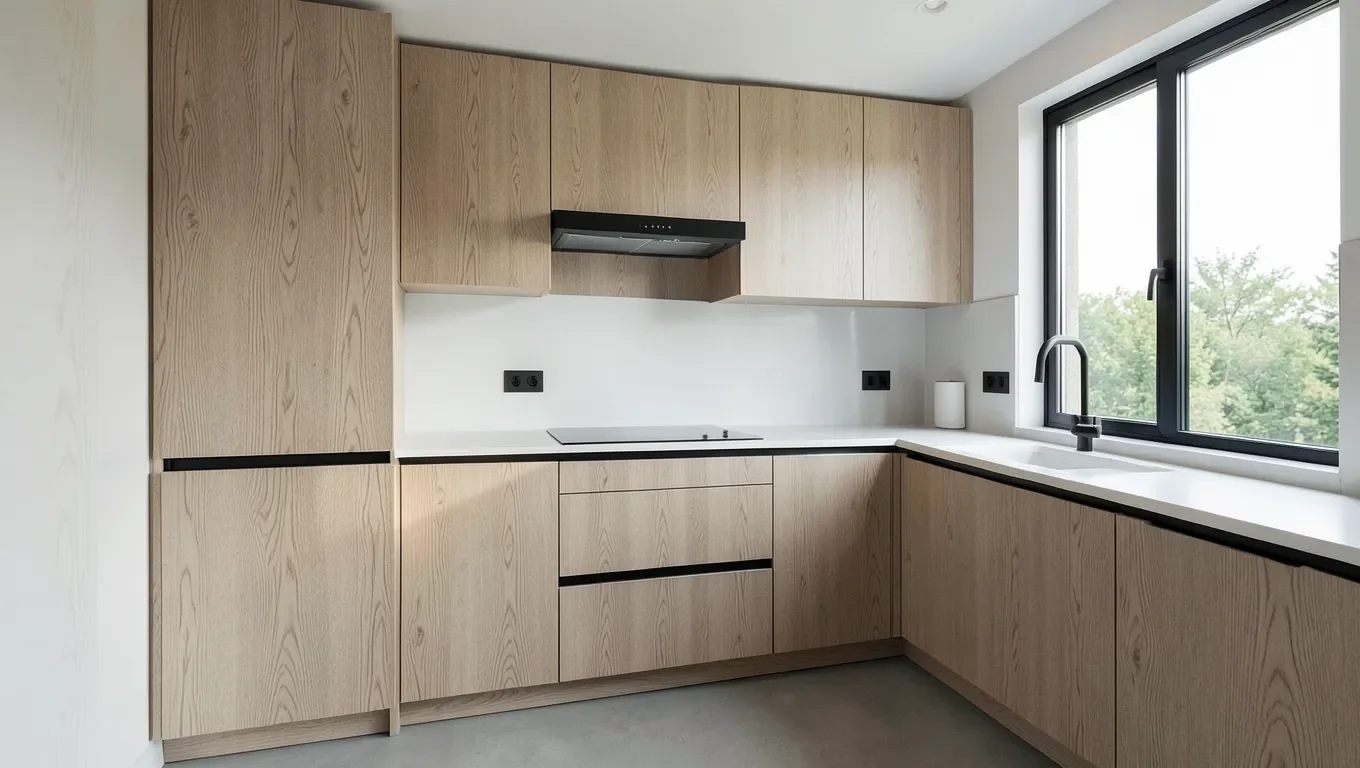
Ash cabinetry is the most common way this wood shows up in a kitchen. For a modern look, flat-panel (slab) or Shaker-style doors let the straight grain read cleanly instead of getting broken up by ornate profiles. Handleless doors with integrated pulls push the minimalist look further, and because ash’s neutral, light tone pairs with almost any countertop material – quartz, granite, concrete, stainless steel – the wood itself can carry the visual interest while the rest of the kitchen stays quiet.
Cabinet styles worth considering:
- Flat-panel (slab) doors for a fully minimalist, seamless look.
- Shaker doors with simple, clean rails for a look that reads modern without being stark.
- Open shelving in ash to display dishware and add an airy, less boxed-in feel.
Ash Wood Islands and Countertops
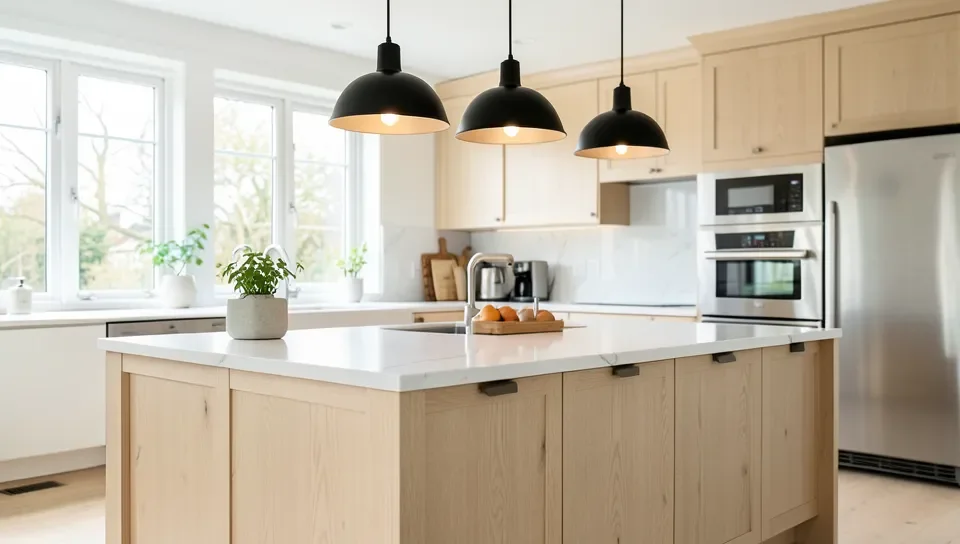
An ash-clad island is a good middle ground if you don’t want to commit an entire kitchen to wood: it becomes the focal point while the surrounding cabinetry stays in a different material. A butcher-block-style ash countertop, sealed with a durable food-safe finish, brings warmth to a food-prep surface, though wood countertops generally need more upkeep than stone or laminate – expect to re-oil or reseal them periodically rather than treating them as maintenance-free.
Accents, Flooring, and Smaller Applications
If a full ash kitchen is more commitment than you want, ash works just as well in smaller doses – open shelving, an island base, drawer fronts, or a wood-look backsplash all bring in the same warmth without the cost or sourcing pressure of cabinetry-scale lumber volumes. Ash flooring, sealed against moisture and wear, extends the same tone from the kitchen into adjoining rooms; engineered ash flooring is worth considering over solid boards in a kitchen specifically, since it holds up better to the humidity swings that come with cooking and dishwashing. If you’re having a cabinet shop build ash pieces rather than buying stock cabinetry, it also helps to know how ash behaves under the tools so you can talk through the build with them.
Pairing Ash With Modern Finishes
Ash’s neutrality is its biggest design advantage – it doesn’t fight with other materials the way a darker or more figured wood can. Matte black or brushed-nickel hardware gives it a clean, contemporary edge; brushed brass leans slightly warmer. Stainless appliances read naturally against ash’s pale tone, and a white or light-gray quartz countertop with subtle veining keeps the whole palette bright. For a bolder combination, ash cabinetry paired with a deep navy or black island, or accented with a jewel-tone backsplash, gives the kitchen contrast without losing the light, airy base the wood provides. Layered lighting – ambient, task, and accent – and maximizing natural daylight both do a lot of work to show off ash’s grain, since the pattern is genuinely more visible in good light than it is in a dim, single-source-lit kitchen.
Maintenance for an Ash Wood Kitchen
Ash’s durability doesn’t mean it’s maintenance-free – it just means the maintenance it needs is straightforward.
Daily Care
A soft, damp cloth handles most day-to-day cleanup. Skip abrasive scrubbers and excess standing water, both of which can wear through a finish over time and let moisture reach the wood underneath; a mild dish soap diluted in water is enough for grease or food residue on cabinet fronts. Dry the surface after cleaning rather than letting it air-dry, especially on horizontal surfaces like a wood countertop’s finish that sees regular water contact.
Periodic Maintenance
Depending on the finish, plan to reapply a sealant, oil, or wax to ash surfaces – especially countertops and islands – roughly every six to twelve months. This keeps the finish repelling water and stains rather than letting it wear thin and expose bare wood. Follow the specific finish manufacturer’s reapplication schedule rather than a generic timeline, since oil, wax, and urethane finishes wear at different rates.
Protecting Against Heat and Moisture
Trivets and cutting boards protect ash countertops from hot cookware and knife marks, and wiping up spills quickly matters most with acidic liquids like lemon juice, wine, or vinegar, which can etch or discolor a finish faster than plain water. None of this is unique to ash – it’s the same care routine any wood kitchen surface needs – but it’s what keeps the wood’s grain looking sharp instead of raised or dulled after a few years of use.
Ash vs. Oak, Maple, and Walnut for Kitchens
Here’s how ash actually stacks up against the other hardwoods most commonly considered for a kitchen, using verified Janka hardness figures rather than rounded estimates:
| Wood Type | Color Tone | Grain Pattern | Janka Hardness | Modern Kitchen Fit |
|---|---|---|---|---|
| Ash | Pale to medium brown, sometimes gray or pinkish cast | Prominent, straight, open grain | ~1,320 lbf | Excellent – light, versatile, reads as modern/Scandinavian |
| Red Oak | Light to medium reddish-brown | Prominent, straight, open grain | ~1,290 lbf | Good, though the reddish cast can skew traditional |
| White Oak | Light brown, occasional olive cast | Prominent, straight, open grain | ~1,360 lbf | Very good – closest direct competitor to ash |
| Maple (Hard) | Creamy white to pale tan | Fine, subtle, sometimes wavy grain | ~1,450 lbf | Very good, smoother/quieter look than ash |
| Walnut | Rich chocolate brown | Straight to wavy, can be figured | ~1,010 lbf | Good for contrast, softer and pricier than ash |
Ash’s real position in that lineup: it’s harder than both red oak and walnut, just under white oak, and its grain is more pronounced than maple’s – so it lands as a genuine middle ground between maple’s quiet uniformity and oak’s heavier presence, at a hardness that holds up to daily kitchen use.
Frequently Asked Questions
Is ash wood a good choice for kitchen cabinets?
Yes. At roughly 1,320 lbf on the Janka scale, ash is harder than red oak and holds up well to the daily wear a kitchen puts on cabinetry. Its light, open grain also suits modern and Scandinavian-style kitchens especially well.
Does ash wood stain well?
Yes, ash’s open grain takes stain evenly with basic prep (light sanding, a pre-stain conditioner for pigmented stains). Many homeowners choose a clear oil or hardwax-oil finish instead, specifically to keep ash’s naturally light tone visible rather than covering it with color.
How does ash wood compare to oak for kitchens?
Ash and white oak are close in hardness (1,320 lbf vs. about 1,360 lbf) and both have a prominent, open grain. The main difference is color: ash tends to look lighter and more uniform, while oak – especially red oak – often carries a warmer, reddish cast that can read more traditional.
Has the emerald ash borer affected ash wood availability and price?
Yes. The emerald ash borer has killed a large share of North America’s ash trees since it was first found in 2002, which has reduced the standing timber available in a number of regions and pushed ash lumber prices closer to (and sometimes above) red oak. It’s still a sourceable, viable cabinet wood, but it’s worth checking current pricing and lead times with your supplier rather than assuming it’s the budget hardwood it once was.
What kind of finish is best for ash wood kitchen countertops?
A durable, food-safe finish is essential for a wood countertop – options include a wiped-on oil-based urethane topcoat, straight tung oil, or a hardwax-oil finish. All three protect against moisture and stains while letting ash’s grain show through; plan on reapplying every six to twelve months depending on use.
Final Thoughts
Ash earns its spot in a modern kitchen on real merit, not just trend appeal: it’s hard enough for daily use, takes finishes evenly, and its light, open grain fits the Scandinavian-influenced look a lot of homeowners are chasing right now. The one piece worth factoring in before you commit is sourcing – emerald ash borer damage has made ash somewhat less of a budget hardwood than it used to be, so it pays to check current pricing with your cabinet maker rather than assuming it’s still the cheap alternative to oak.
Start small if you’re not ready to commit a whole kitchen to it – an island, open shelving, or a butcher-block countertop section is enough to test whether ash’s tone and grain work in your space before you scale up to full cabinetry.
Sponsored / affiliate links. As an Amazon Associate I earn from qualifying purchases. I may earn additional commission from eligible campaigns.