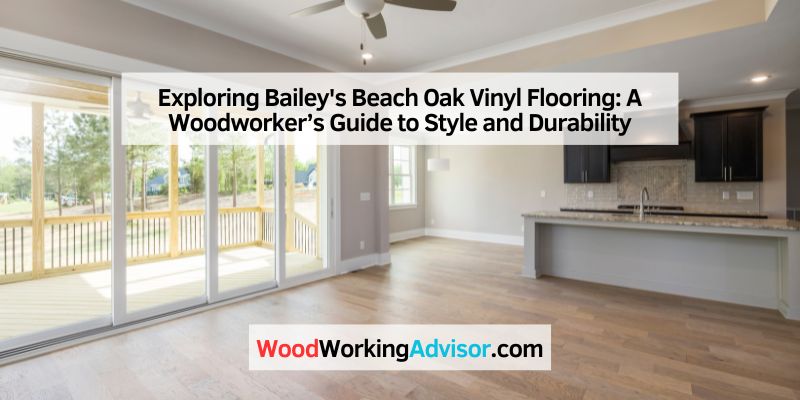
Exploring Bailey’s Beach Oak Vinyl Flooring: A Woodworker’s Guide to Style and Durability
Hey there! Let’s talk about something that’s been catching my eye lately—Bailey’s Beach Oak vinyl flooring. As someone who’s spent years tinkering with wood, tools, and home improvement projects, I can’t help but get excited about a flooring option that blends the timeless charm of oak with the practicality of modern vinyl. Whether you’re a DIY enthusiast or just looking to spruce up your home, this flooring has a lot to offer. I’ve explored it thoroughly, from its sandy oak aesthetic to its rugged durability, and I’m here to share everything I’ve learned. Let’s dive in and see why Bailey’s Beach Oak vinyl flooring might just be the perfect fit for your next project.
What Is Bailey’s Beach Oak Vinyl Flooring?
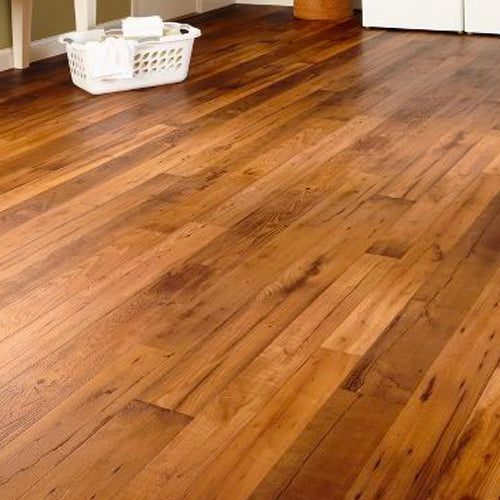
Picture this: you walk into a room, and the floor beneath your feet looks like beautifully aged oak, with soft, sandy tones and subtle grain patterns that catch the light just right. That’s Bailey’s Beach Oak vinyl flooring. It’s a luxury vinyl plank (LVP) designed to mimic the look of real hardwood while offering benefits that traditional wood can’t match. I first came across it while helping a friend renovate their beach house, and I was blown away by how it transformed the space.
This flooring is part of the LifeProof brand, known for its focus on durability and style. It’s crafted with a rigid core and a thick wear layer—often 22 mil—making it tough enough for busy homes or even commercial spaces. What makes it stand out is its 100% waterproof design. Unlike hardwood, which can warp or swell with moisture, this vinyl can handle spills, splashes, and even the occasional flood. It’s the kind of floor that lets you breathe easy, even if you’ve got kids, pets, or a clumsy coffee mug.
The aesthetic is what hooked me first. The sandy oak tones give off a coastal vibe, perfect for homes that want a light, airy feel. The embossed texture and low-gloss finish make it look so much like real wood that I had to touch it to believe it wasn’t. Whether you’re going for a modern, minimalist look or a cozy, rustic charm, this flooring fits right in.
Why Choose Bailey’s Beach Oak Vinyl Flooring?
Let me tell you, choosing flooring can feel like navigating a maze. There are so many options out there—hardwood, laminate, tile, you name it. So why did I keep coming back to Bailey’s Beach Oak vinyl? It’s all about the balance of beauty, durability, and ease.
First off, it’s waterproof. I can’t stress this enough. I’ve seen hardwood floors buckle after a single spill, and it’s heartbreaking. With Bailey’s Beach Oak, you don’t have to worry about water damage. I spoke with a homeowner named Debra, who installed it in her kitchen and bathroom. She told me about a time her dishwasher leaked, and the floor came through without a scratch. That’s peace of mind you can’t put a price on.
Then there’s the durability. The 22 mil wear layer is like armor for your floor. It’s designed to resist scratches, stains, and dents, which is a game-changer if you’ve got a busy household. I’ve got a dog who loves to sprint across the house, and I’ve seen what his nails can do to softer floors. With this vinyl, those worries are gone.
Installation is another big win. The click-lock system makes it a breeze for DIYers like me. I helped a buddy install it in his living room over a weekend, and we didn’t need any fancy tools—just a rubber mallet and a tapping block. Plus, it can go over most existing surfaces like tile or concrete, so you don’t have to rip out your old floor.
And let’s not forget the cost. Hardwood can set you back $8-$12 per square foot, not including installation. Bailey’s Beach Oak typically runs between $2.79 and $3.29 per square foot. When you factor in the savings on underlayment (it’s pre-attached) and the option to install it yourself, it’s a budget-friendly choice that doesn’t skimp on quality.
The Aesthetic Appeal: A Coastal Charm That Works Anywhere
One of the first things I noticed about Bailey’s Beach Oak is how it lights up a room. The light, sandy oak tones give off a beachy, relaxed vibe that’s perfect for coastal homes, but it’s versatile enough to work in any setting. I’ve seen it in urban lofts, suburban family homes, and even a small office space, and it always looks right at home.
The embossed texture is what really sells it. It’s not just a flat print—it’s designed to feel like real wood under your feet. The grain patterns have subtle variations, so it doesn’t look like a cookie-cutter floor. When sunlight hits it, you get this soft glow that makes the room feel warm and inviting. I remember walking into a friend’s renovated dining room with this flooring, and it felt like the space was giving me a hug.
It’s also worth noting how well it pairs with different design styles. If you’re into modern decor, the clean lines and light tones complement sleek furniture and neutral colors. For a rustic look, it adds warmth without overwhelming the space. I’ve even seen it in a coastal-themed bedroom with white linens and blue accents, and it was absolutely stunning.
Durability That Stands Up to Real Life
Let’s get real—life is messy. Kids spill juice, dogs track in mud, and sometimes you drop a heavy tool (guilty as charged). That’s why durability is so important in flooring. Bailey’s Beach Oak doesn’t just look good; it’s built to take a beating.
The 22 mil wear layer is a big deal. It’s thicker than what you’ll find on most vinyl floors, which means it can handle heavy foot traffic without showing wear. The ScratchProtect coating is another layer of defense. I talked to a homeowner named Jennifer, who’s had this flooring for three years. She’s got two kids and a puppy, and she says the floor still looks brand new. Guests often mistake it for real hardwood, which is a huge compliment.
The waterproof core is a lifesaver. I’ve seen it installed in bathrooms, kitchens, and even basements—places where hardwood would never survive. The Ultra-Fresh treatment also helps prevent mold and mildew, which is great for humid climates or homes with poor ventilation. I live in a humid area, so knowing my floor won’t turn into a science experiment is a big relief.
Installation Made Simple for DIYers
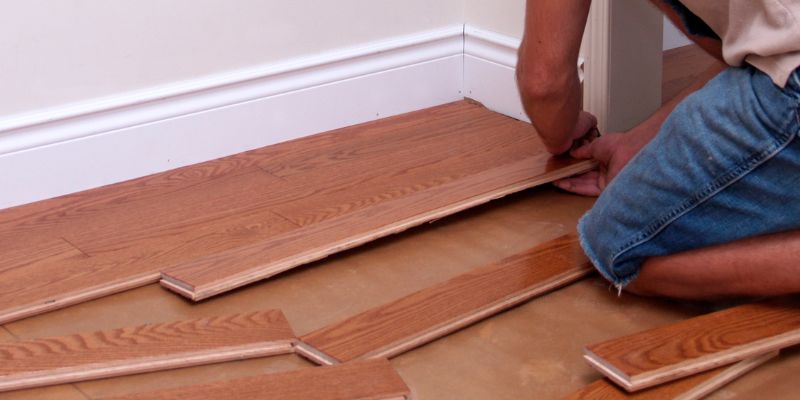
If you’re like me, you love a good DIY project. There’s something satisfying about transforming a space with your own hands. Bailey’s Beach Oak makes it easy, even if you’re not a pro. The click-lock system is like putting together a puzzle. Each plank snaps into place, and the pre-attached underlayment means you don’t need to buy extra padding.
I helped a friend install about 1,200 square feet in his home, and we got it done in two weekends. The key is to start with a flat, clean surface. You can lay it over tile, concrete, or even old vinyl, as long as it’s level. A rubber mallet and tapping block are your best friends for getting those planks to lock tightly. One tip: measure twice, cut once. I learned that the hard way after miscutting a plank and having to run back to the store.
No acclimation is needed, which is a huge time-saver. With hardwood, you have to let the planks sit in your home for days to adjust to the humidity. With Bailey’s Beach Oak, you can buy it today and install it today. That’s a win for impatient folks like me.
Cost and Value: A Smart Investment
Let’s talk money. Flooring is an investment, and you want to make sure you’re getting the most bang for your buck. Bailey’s Beach Oak is priced between $2.79 and $3.29 per square foot, which is mid-range for luxury vinyl. Compare that to hardwood, which can cost $8-$12 per square foot, or even laminate, which might run $2-$5 per square foot but lacks the same durability.
Here’s a quick cost breakdown for a 1,000-square-foot installation:
| Item | Cost Estimate |
|---|---|
| Bailey’s Beach Oak (materials) | $2,990 ($2.99/sq ft) |
| Professional Installation (optional) | $2,000-$3,000 |
| DIY Tools (mallet, tapping block, etc.) | $50-$100 |
| Total (DIY) | ~$3,040 |
| Total (Professional) | ~$4,990-$5,990 |
The pre-attached underlayment saves you $0.50-$1.00 per square foot, and the DIY-friendly installation can save thousands compared to hiring a pro. Plus, the lifetime residential warranty means you’re covered for the long haul. I’ve seen floors that needed replacing after a decade, but this one’s built to last.
Maintenance: Low Effort, High Reward
One of the best things about Bailey’s Beach Oak is how easy it is to maintain. I’m not a fan of high-maintenance floors that require special cleaners or constant polishing. This vinyl is the opposite. A quick sweep with a dust mop or vacuum keeps it clean, and for deeper cleaning, a pH-neutral cleaner does the trick. No wax, no polish, no fuss.
I spilled red wine on my friend’s floor during a dinner party (oops), and it wiped right up with a damp cloth. No stains, no drama. The ScratchProtect coating also means you don’t have to panic about minor scratches. I’ve got a toddler who loves dragging toys across the floor, and it’s held up beautifully.
Where to Use Bailey’s Beach Oak in Your Home
This flooring is so versatile, it works almost anywhere. I’ve seen it in living rooms, kitchens, bathrooms, bedrooms, and even basements. Because it’s waterproof, it’s a great choice for moisture-prone areas like laundry rooms or mudrooms. I installed it in my own basement, and it’s been a game-changer for keeping the space dry and stylish.
It’s also FloorScore Certified, which means it’s low in harmful chemicals like phthalates and formaldehyde. That’s a big deal if you’ve got kids or pets, or if you just want a healthier home. I was worried about off-gassing when I first installed it, but there was no noticeable smell, and the air quality felt fine.
For commercial spaces, it’s a solid pick too. I saw it in a small boutique, and it handled the foot traffic like a champ. The 22 mil wear layer makes it tough enough for shops, offices, or even restaurants.
Comparing Bailey’s Beach Oak to Other Flooring Options
To give you a clear picture, let’s compare Bailey’s Beach Oak to some other popular flooring options:
| Feature | Bailey’s Beach Oak Vinyl | Hardwood | Laminate | Tile |
|---|---|---|---|---|
| Waterproof | Yes (100%) | No | No | Yes |
| Cost (per sq ft) | $2.79-$3.29 | $8-$12 | $2-$5 | $5-$10 |
| Durability | High (22 mil wear layer) | Moderate | Moderate | High |
| Installation | DIY-friendly (click-lock) | Professional recommended | DIY-friendly | Professional recommended |
| Maintenance | Low (sweep, mop) | High (polish, refinish) | Moderate | Moderate |
| Aesthetic | Mimics oak, coastal vibe | Natural wood | Mimics wood | Varies |
Hardwood is beautiful but pricey and high-maintenance. Laminate is cheaper but less durable and not waterproof. Tile is tough but can feel cold and hard underfoot. Bailey’s Beach Oak hits a sweet spot—affordable, durable, and gorgeous.
Tips for Choosing and Installing Bailey’s Beach Oak
If you’re sold on this flooring (and I hope you are!), here are some tips to make the most of it:
- Measure Carefully: Calculate your square footage and add 10% for waste or mistakes. I learned this after coming up short on a project.
- Check Your Subfloor: Make sure it’s level and clean. Uneven surfaces can cause planks to shift over time.
- Get the Right Tools: A rubber mallet, tapping block, and utility knife are all you need for a smooth installation.
- Plan Your Layout: Start in the center of the room and work outward for a balanced look. I made the mistake of starting in a corner once, and the pattern looked off.
- Mix Planks from Different Boxes: This ensures the grain patterns vary naturally, avoiding a repetitive look.
- Consider Trim: Coordinating trim and molding give the floor a polished finish. You can find these at most home improvement stores.
My Personal Experience with Bailey’s Beach Oak
I’ll be honest—when I first heard about vinyl flooring, I was skeptical. I’m a woodworker at heart, and I’ve always loved the feel of real wood. But after installing Bailey’s Beach Oak in my basement and seeing it in action at friends’ homes, I’m a convert. The look is so convincing, and the practicality is unmatched. I’ve dropped tools, spilled coffee, and let my dog run wild, and the floor still looks as good as the day I installed it.
One of my favorite moments was when a friend came over and complimented the “hardwood” in my basement. When I told her it was vinyl, her jaw dropped. That’s the kind of reaction that makes this flooring special. It’s not just about function—it’s about creating a space that feels luxurious without the headache.
Conclusion
After diving deep into Bailey’s Beach Oak vinyl flooring, I can say it’s one of the smartest choices for anyone looking to blend style, durability, and affordability. It’s got the warm, inviting look of oak with the toughness to handle whatever life throws at it. Whether you’re renovating a single room or an entire home, this flooring delivers. It’s easy to install, easy to maintain, and easy on the wallet. Plus, that coastal charm adds a touch of magic to any space.
As a woodworker, I appreciate craftsmanship, and this flooring feels like a labor of love. It’s designed for real people with real lives—people who want a beautiful home without spending hours on upkeep. If you’re on the fence about your next flooring project, give Bailey’s Beach Oak a try. I promise you won’t be disappointed.
Frequently Asked Questions
Is Bailey’s Beach Oak Vinyl Flooring Really Waterproof?
Yes, it’s 100% waterproof. I’ve seen it handle spills, leaks, and even humid environments without warping or swelling. The rigid core is designed to stay stable, no matter how much moisture it faces.
Can I Install Bailey’s Beach Oak Myself?
Absolutely! The click-lock system makes it super DIY-friendly. I installed it in my basement with just a mallet and tapping block. Just make sure your subfloor is level, and you’re good to go.
How Durable Is This Flooring for Pets and Kids?
It’s built for chaos. The 22 mil wear layer and ScratchProtect coating make it resistant to scratches, stains, and dents. I’ve got a dog and a toddler, and my floor still looks great after months of use.
Where Can I Use Bailey’s Beach Oak in My Home?
Pretty much anywhere! It’s perfect for kitchens, bathrooms, basements, living rooms, and even commercial spaces. Its waterproof design and durability make it versatile for any room.
How Do I Clean and Maintain This Flooring?
It’s a breeze. Just sweep or vacuum regularly to remove dust. For deeper cleaning, use a damp mop with a pH-neutral cleaner. No wax or polish needed, which saves time and money.