How to Clean Bamboo Floors: Strand-Woven vs. Traditional Care
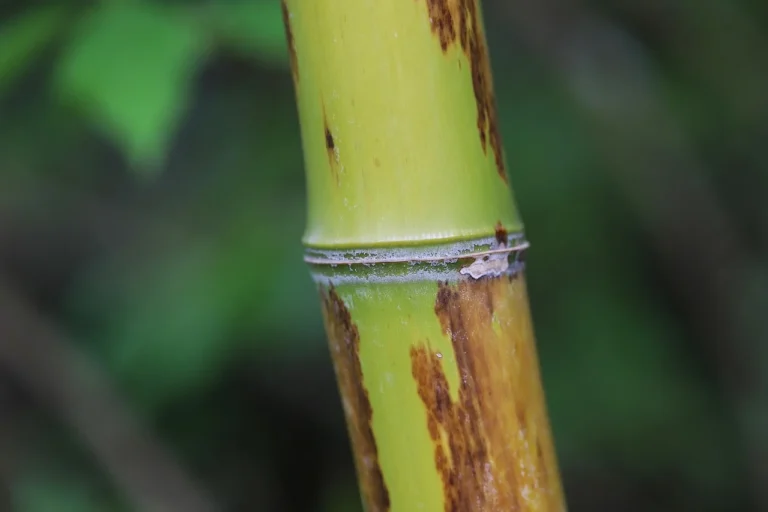
Bamboo flooring isn’t wood, it’s a grass, and that single fact is why so many generic “how to clean hardwood floors” tips end up damaging it. The right cleaning routine also depends on which of the two very different bamboo constructions is under your feet: strand-woven bamboo is compressed and resin-bonded into a dense plank that shrugs off daily traffic, while traditional horizontal or vertical-grain bamboo is just thin strips glued face-to-face and is noticeably softer and more moisture-reactive. Most bamboo-floor-care articles treat every bamboo floor as one product; this guide doesn’t.
Strand-Woven vs. Traditional Bamboo: Why Construction Changes How You Clean
Best Bamboo-Safe Floor Cleaner
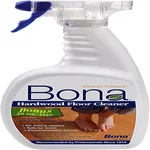 |
Bona Hardwood Floor Cleaner Spray, 36 oz – $16.70 A pH-neutral, no-wax formula that’s safe for sealed bamboo and won’t leave the residue film that dulls a bamboo finish over time.
|
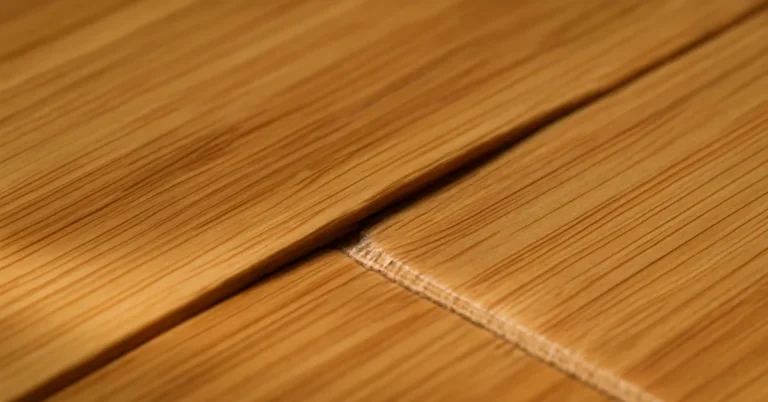
“Bamboo floor” actually covers two manufacturing processes with real performance differences, not just a style choice. Traditional bamboo flooring (horizontal-grain, showing the round node marks, or vertical-grain, showing thin straight strips) is made by gluing bamboo strips edge-to-edge and face-to-face under moderate pressure. Strand-woven bamboo shreds the bamboo fiber, saturates it with resin, and compresses it at very high pressure into a dense plank – the process Morningstar and most premium bamboo brands now use. The Janka hardness difference is significant: strand-woven bamboo typically tests in the 3,000–5,000+ range, well above red oak (1,290), while traditional bamboo is closer to 1,180–1,380, similar to or softer than oak.
That construction gap matters for cleaning because strand-woven bamboo can tolerate a slightly more frequent damp-mop routine and a stiffer microfiber pad without scuffing, while traditional bamboo scratches and dents more easily and needs the gentlest cleaning approach on this page. If you’re not sure which one you have, check the underside of a leftover plank or a closet threshold transition: strand-woven bamboo has a uniform, almost stone-like dense cross-section with no visible individual strip lines, while traditional bamboo shows distinct glued-together strips or rounded node marks running across the board.
Daily and Weekly Cleaning
Grit is the real enemy of any bamboo floor’s finish, so the highest-value habit is getting it up before it gets ground in underfoot. Dry-dust or sweep daily in high-traffic rooms, always moving with the direction of the plank rather than across it, so any stray grit gets pushed along the seam lines instead of dragged sideways into the finish.
- Use a vacuum with a bare-floor setting or the brush attachment – switch off the rotating beater bar, which can chip a bamboo finish over time the same way it would on any prefinished hardwood.
- Choose a vacuum with soft wheels or a canister model you carry rather than roll, especially on traditional bamboo, which dents more easily than strand-woven.
- A dry microfiber dust mop picks up fine dust and pet hair better than a broom and won’t scatter it into the air.
- Do a full sweep or vacuum pass 2–3 times a week in normal households, daily if you have pets or kids tracking in dirt.
Mopping Bamboo Floors the Right Way
Mopping is where most bamboo floor damage actually happens, because water is bamboo’s real weak point – more so than most people expect from how it’s marketed as a “durable, water-resistant” flooring choice. A properly sealed bamboo floor can handle a barely-damp mop, but it cannot handle standing water, a soaking-wet mop head, or repeated heavy wet-mopping without the finish and the plank underneath eventually reacting.
- Vacuum or dry-dust first so you’re not grinding grit into the surface while wet.
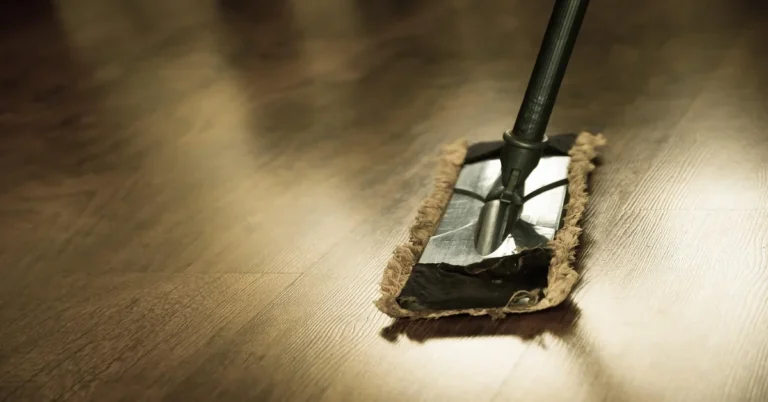
- Spray a pH-neutral, no-wax hardwood/bamboo-safe cleaner directly onto a microfiber mop pad rather than the floor, or mist lightly and immediately spread it thin.
- Mop in the direction of the planks, working in small sections and going back over any area that looks streaky with a dry pass.
- Wring the mop until it’s just damp, never dripping – if you can see standing liquid on the floor after a pass, you’re using too much.
- Let the floor air-dry fully before walking on it in socks or letting pets back into the room.
Skip steam mops entirely on bamboo. The combination of heat and moisture pushed directly into the seams is one of the fastest ways to cause the finish to cloud and the plank edges to swell, and most bamboo flooring manufacturers explicitly void their warranty for steam-mop damage.
Moisture: The Real Risk With Bamboo Floors
This is the point most bamboo care guides skip: despite bamboo’s reputation for durability and moisture resistance, it is generally more moisture-sensitive than many hardwood species, not less. Bamboo is a fast-growing grass with a naturally higher and more variable moisture-absorption rate than dense hardwoods like oak or maple. A spill left to sit, a leaking dish rack, or months of aggressive wet-mopping can cause the fibers to swell and the plank edges to cup or crown well before you’d see equivalent damage on a comparable hardwood floor.
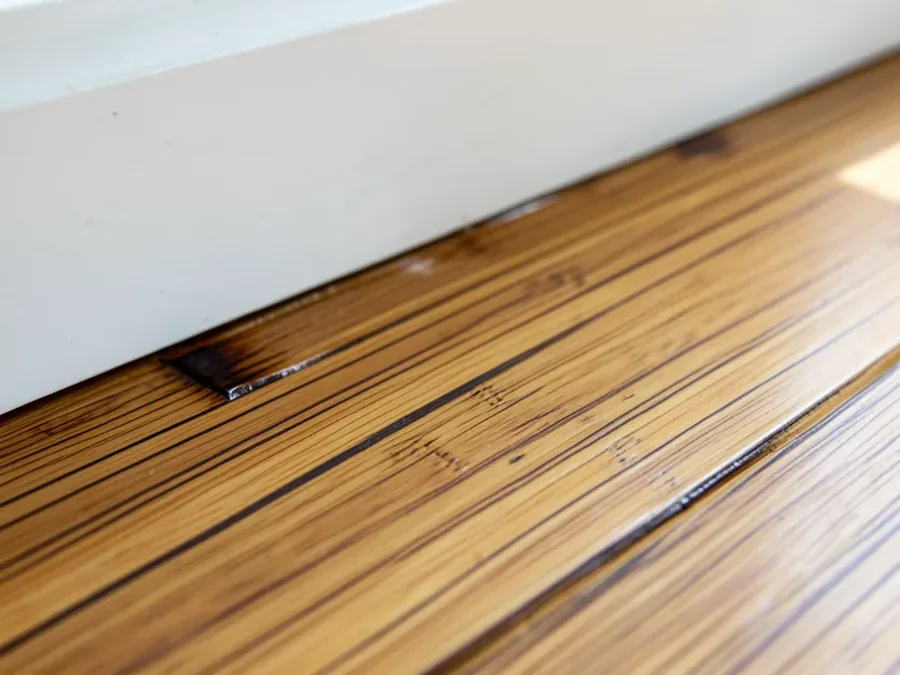
Watch for these early signs along exterior walls, kitchens, and bathroom thresholds, where humidity swings and spills are most common:
- Cupping – plank edges sit slightly higher than the center, usually the first visible sign of moisture uptake from below or from repeated surface wetting.
- Discoloration or darkening along a seam or baseboard, often the first sign before any visible warping.
- A soft or slightly spongy feel underfoot near a known spill or leak area.
If you catch cupping early – within the first few days – drying out the area with good airflow and a dehumidifier can sometimes let the plank relax back close to flat as it loses the excess moisture. Once a plank has been swollen for weeks or the finish has clouded, that section usually needs to be replaced rather than cleaned back to normal; no cleaning product reverses fiber swelling.
Deep Cleaning and Restoring Shine
For a deeper clean beyond routine mopping, a hydrogen-peroxide-based hardwood deep cleaner (Bona’s PowerPlus line is a common example) can lift ground-in dirt and dulling residue without leaving a film. Apply it sparingly with a microfiber pad, let it sit for the label’s recommended dwell time, then go over the area with a barely damp pad to remove any residue, finishing with a dry microfiber pass.
Never use an oil soap, a wax-based cleaner, or a “restorer” product marketed for older solid hardwood on bamboo. These leave a waxy film that a bamboo floor’s factory finish was never designed to bond with, and the buildup eventually looks cloudy and attracts more dirt, not less. If a strand-woven bamboo floor’s finish has genuinely worn through in a high-traffic path (not just dull from residue), that’s a job for a professional screen-and-recoat, not a DIY deep clean.
Preventing Scratches and Dents
Cleaning keeps a bamboo floor looking fresh day to day, but most of the visible wear people blame on “bad cleaning” is actually physical scratching and denting that happened between cleanings. This matters more on traditional bamboo than strand-woven, since the lower Janka hardness means it marks more easily under the same point pressure.
- Felt pads under every furniture leg – check them every few months, since pads wear thin and grit can get trapped underneath, turning a soft pad into sandpaper.
- A no-shoes policy indoors, or at least for hard-soled shoes and heels, which concentrate a person’s full weight onto a tiny contact point.
- Doormats at every entry to catch grit before it reaches the floor – most scratching starts with sand and small stones tracked in on shoe soles, not from cleaning tools.
- Trimmed pet nails and a rug runner along a pet’s regular indoor path.
- Furniture sliders, not dragging, when moving anything heavier than a dining chair.
Common Mistakes to Avoid
- Over-wetting the mop. This is the single most common cause of bamboo floor damage – a mop should feel almost dry to the touch.
- Ammonia, vinegar, or dish soap. Ammonia and vinegar are both too acidic/alkaline for factory finishes over time and can dull or etch them; dish soap leaves a residue film that attracts dirt.
- Beater-bar vacuums and stiff-bristle brooms on traditional (non-strand-woven) bamboo, which scratches more easily than the strand-woven type.
- Skipping furniture pads. Bamboo, especially traditional bamboo, dents under sustained point pressure from chair and table legs.
- Steam mops – covered above, but worth repeating since it’s the fastest route to warranty-voiding damage.
Frequently Asked Questions
What is the best way to clean bamboo floors?
Sweep or vacuum with a bare-floor setting first to remove grit, then mop with a barely damp microfiber pad and a pH-neutral, no-wax cleaner made for hardwood or bamboo. Let the floor air-dry fully before walking on it.
How do I tell if my bamboo floor is strand-woven or traditional?
Check a spare plank, closet threshold, or transition strip. Strand-woven bamboo has a dense, uniform cross-section with no visible individual strips. Traditional bamboo shows distinct glued strips or rounded node marks. Strand-woven is also noticeably harder and heavier for its size.
Can I use a steam mop on bamboo floors?
No. The heat and moisture from a steam mop can cloud the finish and cause the plank seams to swell, and most manufacturers void their warranty for steam-mop damage. Stick to a barely damp microfiber mop instead.
Can you use vinegar or Dawn dish soap on bamboo floors?
No. Vinegar’s acidity can dull a bamboo floor’s finish over repeated use, and dish soap leaves a residue film that attracts more dirt. Use a pH-neutral cleaner made specifically for hardwood or bamboo floors instead.
How do I fix cupping or water stains on a bamboo floor?
If you catch cupping within the first few days, drying the area with a fan or dehumidifier can let the plank relax back close to flat. Once a plank has stayed swollen for weeks or the finish has clouded, that section typically needs professional sanding and refinishing or replacement – cleaning products can’t reverse fiber swelling.
For related reading, see our guides on bamboo flooring problems and what’s fixable and how bamboo flooring is installed, or check our broader wood flooring guide for how bamboo compares to solid and engineered hardwood.
Sponsored / affiliate links. As an Amazon Associate I earn from qualifying purchases. I may earn additional commission from eligible campaigns.