Battery Powered Jackhammer: What It Can (And Can’t) Replace
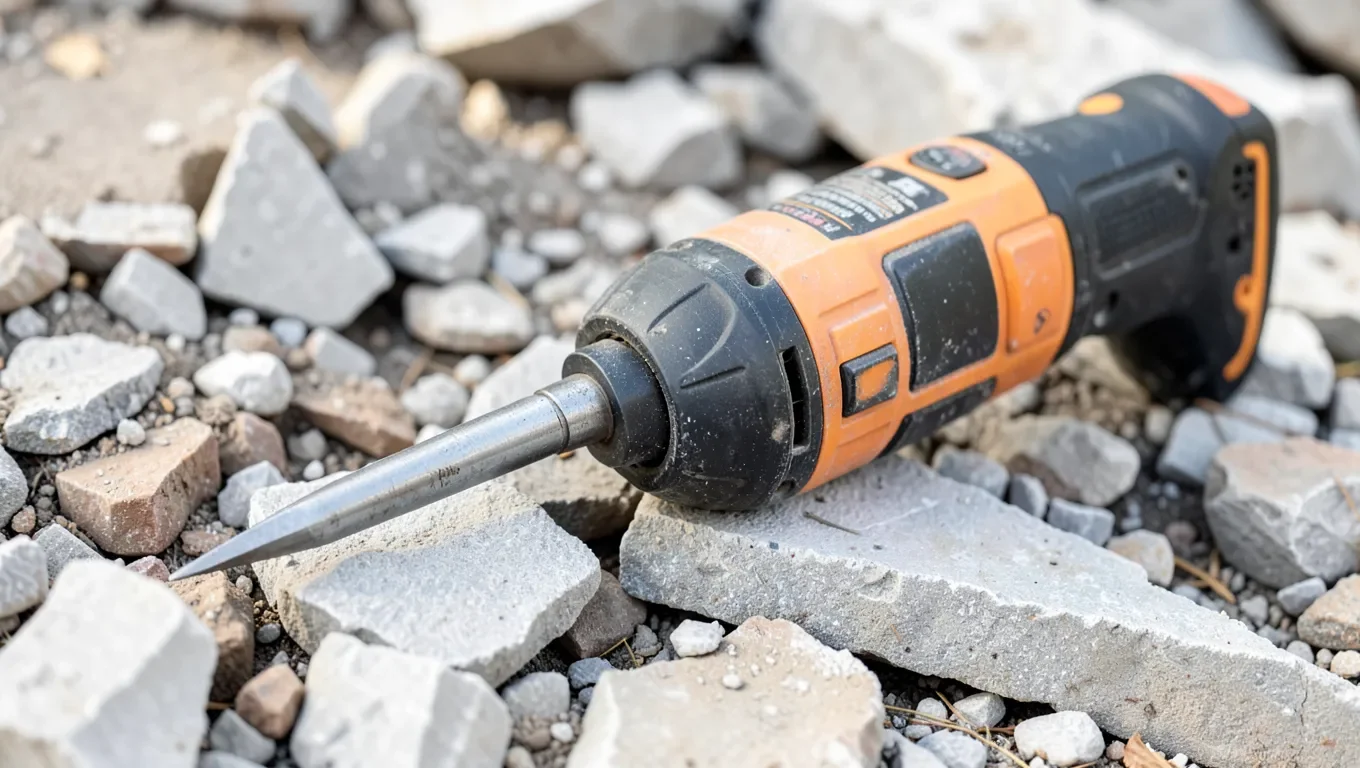
A battery powered jackhammer trades some raw breaking power for real portability — no air compressor, no extension cord, no fuel. That tradeoff makes sense for smaller concrete removal, demolition touch-up work, and jobs without easy power access; it’s the wrong tool for large-scale slab demolition where a corded or pneumatic breaker’s sustained output still wins.
How It Actually Compares To Corded And Pneumatic Options
Best Cordless Option For Serious Demo Work
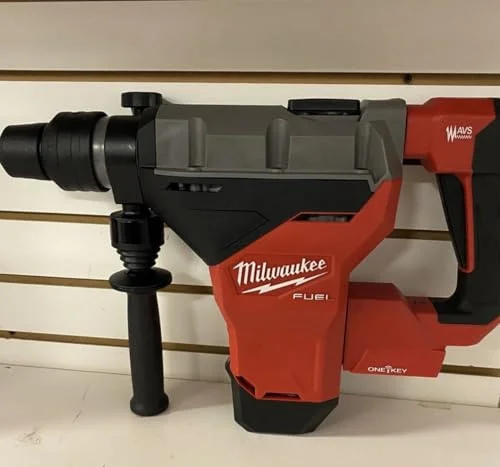 |
Milwaukee M18 FUEL 1-3/4″ SDS Max Rotary Hammer (Tool Only) – $899.99 A battery-powered SDS-Max tool with a hammer-only mode for chiseling and breaking — not a dedicated breaker hammer, but a genuinely capable cordless option for the same jobs a lighter jackhammer would handle.
|
Traditional jackhammers are either pneumatic (powered by a separate air compressor) or corded electric — both deliver higher sustained impact energy than a battery tool because they aren’t limited by a pack’s discharge rate or runtime. A battery-powered unit closes that gap significantly compared to jackhammers from even a few years ago, thanks to brushless motors and higher-capacity battery packs, but it still isn’t a full substitute for a pneumatic breaker on a job demolishing an entire slab or foundation. Where it genuinely wins is setup time and mobility: no compressor to haul, no cord to manage, and the ability to move freely around a jobsite or work somewhere a generator or outlet isn’t practical.
What To Actually Check Before Buying
- Impact energy (joules), not just voltage: a higher voltage number doesn’t automatically mean more breaking power — compare the rated impact energy between models, which is the number that actually predicts how fast it breaks concrete.
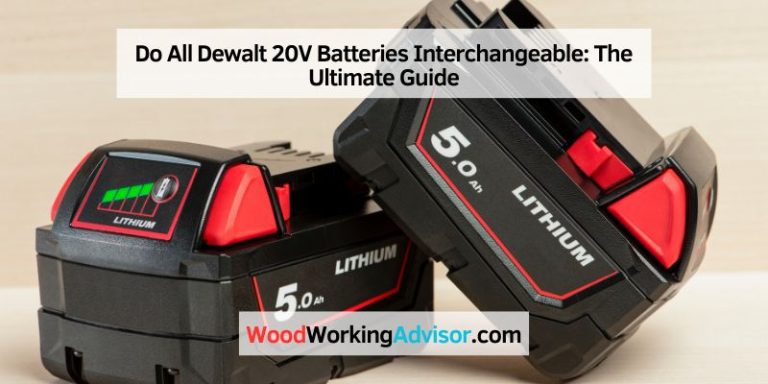
- Battery platform compatibility: if you already own batteries from a brand’s cordless tool line, staying within that platform avoids buying redundant batteries and chargers — a real cost factor the sticker price alone doesn’t show.
- Runtime per charge for your actual job size: a small patio slab is a different runtime requirement than a full driveway removal — having a second battery on hand is standard practice for anything beyond light work.
- Weight and vibration reduction: anti-vibration handles matter more on a battery tool used for extended sessions, since you’re more likely to be the one holding it through the whole job without a compressor-fed line to share the load.
Where It Makes Sense
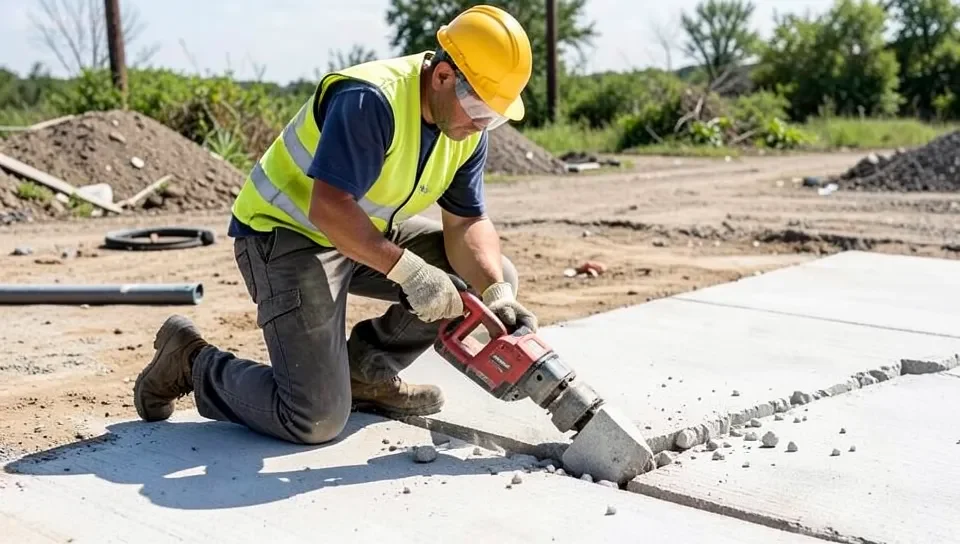
- Patio, walkway, and small slab removal: the scale where a battery tool’s power is genuinely sufficient and its portability is the deciding advantage.
- Interior demolition: breaking up tile, removing a section of wall, or similar tasks where running a compressor line or long extension cord indoors is impractical.
- Remote or off-grid jobsites: anywhere without easy access to a generator or power outlet.
- Touch-up and small repair work: chipping out a damaged section of concrete for a patch repair, rather than removing an entire structure.
Where It Doesn’t
Large-scale slab or foundation demolition, continuous multi-hour breaking work, and any job where downtime for battery swaps would meaningfully slow a crew are still better served by a corded electric or pneumatic breaker. Professional demolition contractors doing this at scale generally aren’t the target buyer for a battery unit — it’s built for the DIYer or contractor doing smaller, more mobile jobs, not as a wholesale replacement for compressor-fed equipment on a large commercial demo.
SDS Rotary Hammer Vs. Dedicated Breaker Hammer
Not every “battery powered jackhammer” is the same category of tool, and confusing the two leads to disappointment. An SDS-Max rotary hammer with a hammer-only mode (like the one above) is a multi-purpose tool — it drills, drives, and chisels, switching modes as needed, which is genuinely versatile for a contractor or DIYer doing varied work. A dedicated breaker/demolition hammer, by contrast, only chisels and breaks — no rotation, no drilling mode — but typically delivers more impact energy for its size because the entire mechanism is built around one function. If your work is mostly breaking (removing a slab, demolishing a wall section) rather than mixed drilling-and-breaking, a dedicated breaker is usually the better match even within the battery-powered category; if you need both functions in one tool, the multi-mode rotary hammer is the more practical purchase.
Safety Basics
- Eye and hearing protection are non-negotiable: concrete breaking throws debris and the tool itself is loud enough for hearing protection even without a compressor adding noise.
- A dust mask or respirator matters: breaking concrete generates silica dust, a real respiratory hazard with long-term exposure — this doesn’t go away just because there’s no compressor exhaust to think about.
- Check for utilities before breaking ground or a slab: a call to 811 (in the US) before digging or breaking a slab that might sit over utility lines is standard practice, not optional caution.
- Let the tool’s weight do the work: forcing a rotary or breaker hammer against material rather than letting its own impact energy do the breaking increases fatigue and the risk of losing control of the tool.
Maintenance
- Clean the chuck and bit shank after use — concrete dust is abrasive and accelerates wear on the bit retention mechanism if left packed in.
- Lubricate per the manufacturer’s schedule — most SDS-style tools need periodic grease on the bit shank and internal mechanism, not just occasional oiling.
- Store batteries at room temperature, partially charged for long-term storage rather than fully charged or fully depleted, which extends lithium-ion battery lifespan.
- Inspect the bit for wear before each job — a dull or chipped bit forces the tool to work harder, draining the battery faster for the same amount of actual breaking.
Frequently Asked Questions
How does a battery-powered jackhammer work?
It uses a brushless electric motor powered by a rechargeable battery pack to drive an internal hammering mechanism, delivering repeated high-force impacts through a chisel or point bit — the same basic mechanism as a corded electric model, just without the cord.
Are battery-powered jackhammers as powerful as gas or pneumatic ones?
Generally no — pneumatic and corded electric breakers still deliver higher sustained impact energy for large-scale demolition. Battery models have closed the gap for smaller jobs but aren’t a full replacement for heavy, continuous breaking work.
How long does the battery last on a battery-powered jackhammer?
It depends heavily on battery capacity, material hardness, and how continuously it’s used — expect meaningfully less runtime than light-duty tools like drills, since breaking concrete draws much more current. A second battery is standard practice for anything beyond light, intermittent work.
Conclusion
A battery powered jackhammer earns its place on smaller demolition and concrete-breaking jobs where portability matters more than sustained maximum power — not as a universal replacement for corded or pneumatic breakers on large-scale demolition. Matching the tool to the actual job size is the real decision, not just which power source sounds more convenient.
Sponsored / affiliate links. As an Amazon Associate I earn from qualifying purchases. I may earn additional commission from eligible campaigns.