Bay Laurel vs Cherry Laurel Key Differences Explained
Ever stared at two similar-looking plants in a garden center and wondered which one is which? You’re not alone. Many gardeners and home cooks find themselves confused between the culinary Bay Laurel and the ornamental Cherry Laurel. Getting them confused can lead to disappointment, whether it’s a bland dish or an unintended landscape choice. This post clears up the distinctions, helping you identify them correctly and make informed decisions for your kitchen or garden.
When it comes to identifying plants, especially those with similar common names, confusion is easy. The names “Bay Laurel” and “Cherry Laurel” sound alike and both belong to the plant family Lauraceae. However, they are entirely different species with distinct characteristics, uses, and growth habits. Understanding these differences is key for anyone wanting to grow them, cook with them, or simply appreciate them in their environment. This guide will break down the Bay Laurel vs Cherry Laurel: Key Differences Explained, so you can confidently tell them apart. We’ll explore their origins, physical traits, culinary applications, and any potential toxicity.
What is Bay Laurel
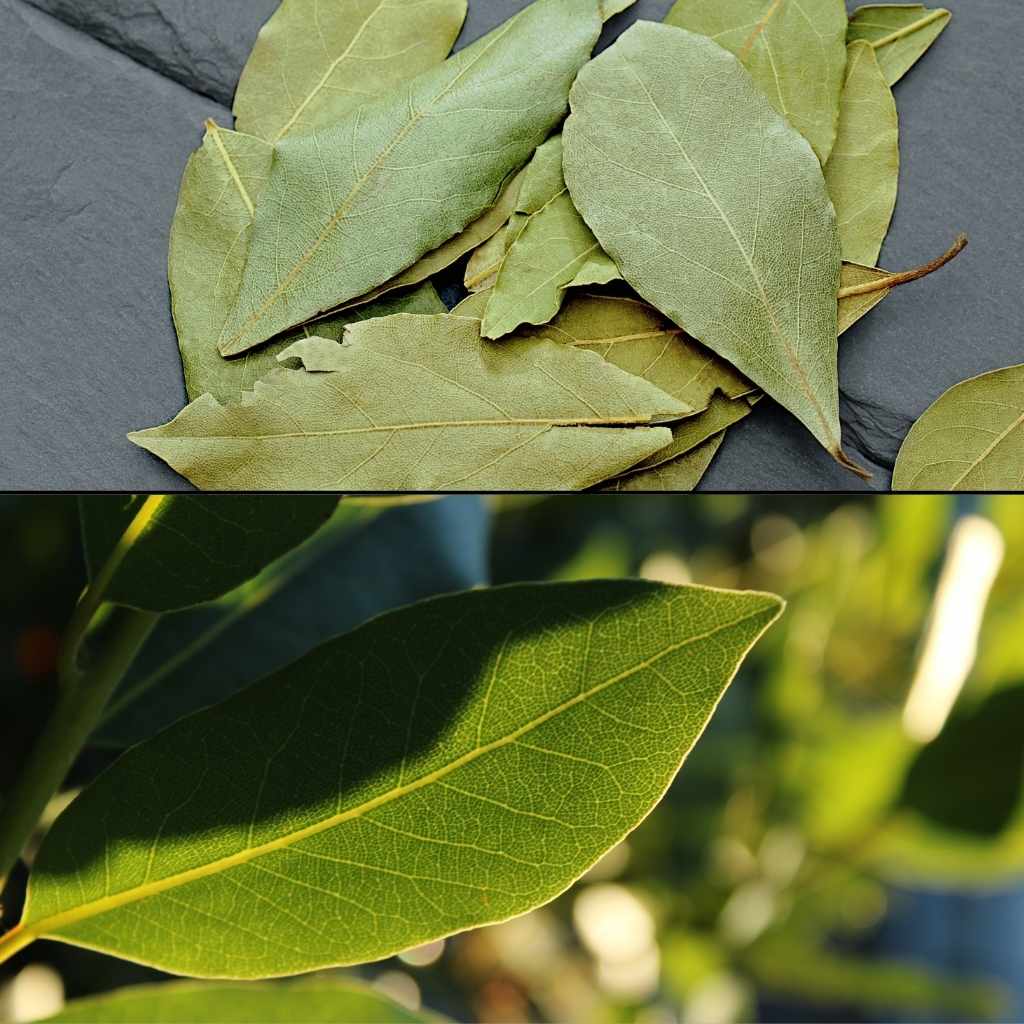
Bay Laurel, scientifically known as Laurus nobilis, is a revered plant with a long history. It’s the true culinary bay leaf used in kitchens worldwide. Originating from the Mediterranean region, this evergreen tree or shrub is known for its aromatic leaves, which are a staple in many savory dishes, stews, soups, and sauces. The leaves impart a subtle yet distinct flavor that deepens with slow cooking. Bay Laurel is cultivated for its culinary value and ornamental appeal, often pruned into elegant shapes.
Physical Characteristics of Bay Laurel
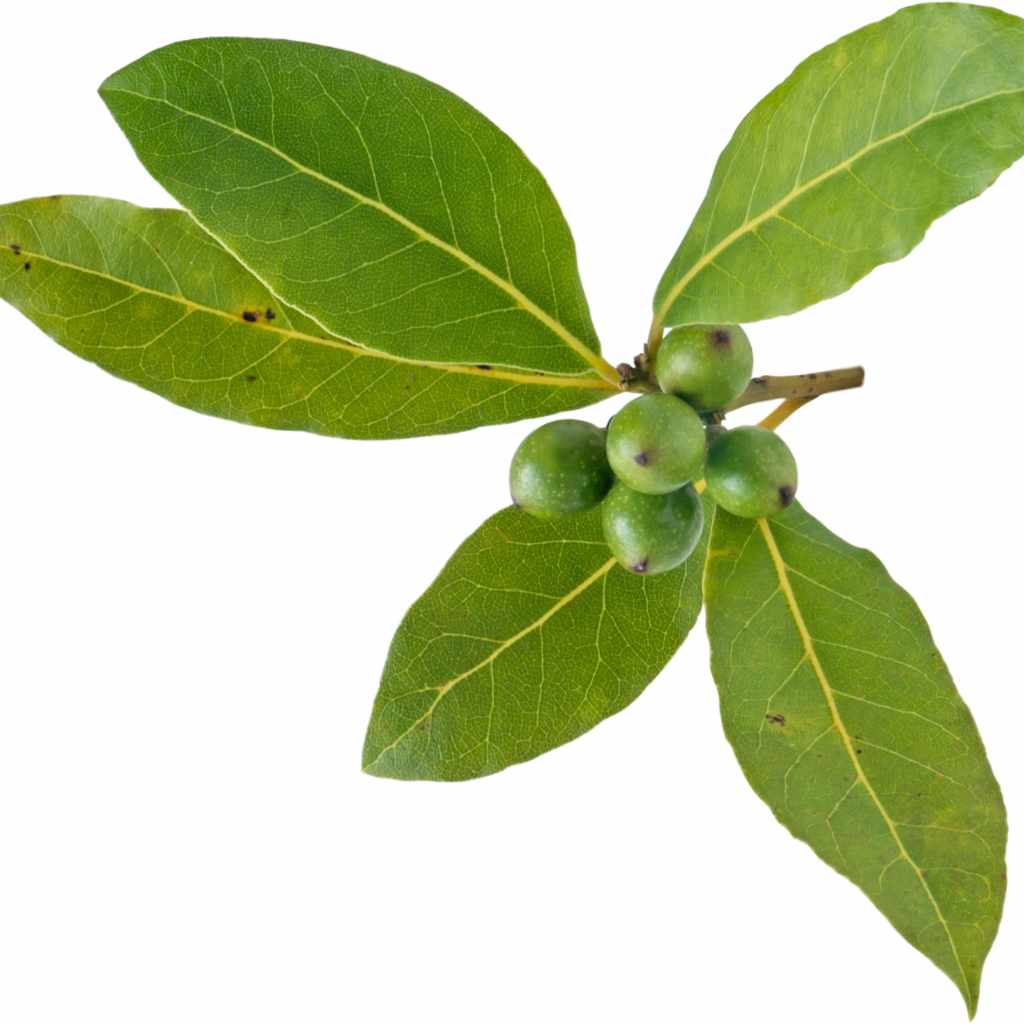
Bay Laurel typically grows into a tree or large shrub, reaching heights of up to 60 feet, though it’s often kept much smaller in cultivation. Its leaves are leathery, lance-shaped, and a deep, glossy green. They are typically 2-4 inches long. When crushed, the leaves release a fragrant, pleasant aroma. The plant produces small, yellowish-green flowers followed by dark purple to black berries. These berries are also aromatic but not typically used in cooking. Bay Laurel prefers well-drained soil and thrives in full sun to partial shade. It is hardy in USDA zones 8-11.
Culinary Uses of Bay Laurel
The primary reason most people are familiar with Bay Laurel is its use in cooking. The dried or fresh leaves are added whole to dishes and then removed before serving. They are not meant to be eaten directly as they are quite tough. The flavor they impart is complex, often described as slightly herbal, floral, and subtly bitter. It’s a key ingredient in many classic European cuisines, particularly French and Italian. Dishes like bouillabaisse, pot roasts, and braised meats benefit greatly from a bay leaf.
What is Cherry Laurel
Cherry Laurel, or Prunus laurocerasus, is a different plant altogether, belonging to the Prunus genus, which also includes cherries, plums, and peaches. It is native to southeastern Europe and western Asia. While it shares the “laurel” in its common name due to its laurel-like leaves, its appearance and uses are very different from culinary Bay Laurel. Cherry Laurel is primarily used as an ornamental plant in landscaping, known for its dense evergreen foliage and its ability to form hedges or screens.
Physical Characteristics of Cherry Laurel
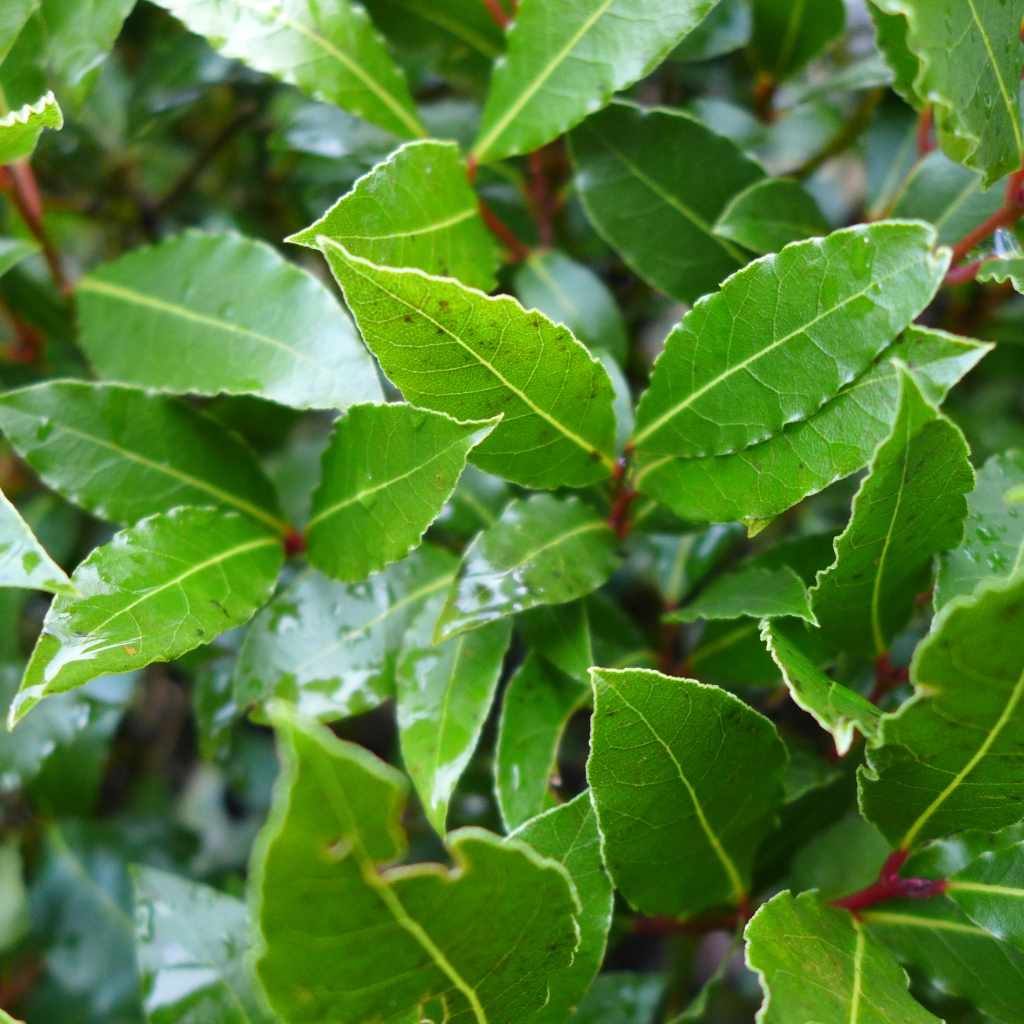
Cherry Laurel is a vigorous evergreen shrub or small tree that can grow quite large, often reaching 15-30 feet in height and width. Its leaves are dark green, glossy, and oval-shaped, resembling bay leaves at first glance but are generally thicker and more pliable. They are typically 4-6 inches long. The plant produces dense spikes of small, white, fragrant flowers in spring, followed by small, cherry-like fruits that turn black when ripe. These fruits are often mistaken for edible cherries but are mildly toxic. Cherry Laurel is adaptable to various soil types and can tolerate full sun to partial shade. It is hardy in USDA zones 6-9.
Uses and Toxicity of Cherry Laurel
As mentioned, Cherry Laurel is almost exclusively used for ornamental purposes. Its fast growth and dense habit make it an excellent choice for hedges, screens, and foundation plantings. It’s a popular landscape plant due to its year-round greenery and relatively low maintenance. However, it’s crucial to be aware of its toxicity. The leaves, seeds, and bark contain cyanogenic glycosides, which can release cyanide when ingested. While a small amount is unlikely to cause serious harm to humans, pets, and livestock can be more susceptible. The fruits, though visually similar to cherries, should not be eaten.
Comparing Bay Laurel and Cherry Laurel
To solidify the distinctions, let’s lay out the key differences in a clear, comparative format.
| Feature | Bay Laurel (Laurus nobilis) | Cherry Laurel (Prunus laurocerasus) |
|---|---|---|
| Botanical Family | Lauraceae | Rosaceae (Prunus genus) |
| Origin | Mediterranean region | Southeastern Europe and western Asia |
| Primary Use | Culinary (flavoring), ornamental | Ornamental (hedges, screens) |
| Leaf Shape and Texture | Lance-shaped, leathery, aromatic when crushed | Oval-shaped, glossy, thicker, less aromatic |
| Leaf Size | 2-4 inches | 4-6 inches |
| Flowers | Small, yellowish-green | Dense spikes of small, white, fragrant |
| Fruit | Small, dark purple to black berries (aromatic, not culinary) | Small, cherry-like, turning black (mildly toxic) |
| Toxicity | Leaves are edible when used in cooking; generally safe | Leaves, seeds, bark contain cyanogenic glycosides (mildly toxic) |
| Hardiness Zones | USDA Zones 8-11 | USDA Zones 6-9 |
Leaf Identification
One of the most immediate ways to differentiate between Bay Laurel and Cherry Laurel is by looking closely at their leaves. Bay Laurel leaves are typically narrower and more pointed, with a distinct leathery feel. When you crush a Bay Laurel leaf, it releases a strong, pleasant, and recognizable aroma that is the essence of bay seasoning. Cherry Laurel leaves, on the other hand, are broader, more oval, and tend to be glossier. Their texture is also different, often feeling thicker and more pliable. While they might have a faint scent when crushed, it’s nowhere near as potent or as fragrant as that of Bay Laurel.
Growth Habits and Appearance
The way these plants grow also offers clear distinctions. Bay Laurel often grows as a multi-stemmed shrub or a small tree with a more open habit, especially when left to grow naturally. It can be pruned into various shapes, including spheres or pyramids, and is often seen as a specimen plant or in formal gardens. Cherry Laurel, in contrast, is a much more vigorous grower, forming a dense, bushy mass of foliage. This makes it exceptionally well-suited for creating privacy screens or formal hedges where a solid wall of green is desired. Its growth is typically faster and more substantial than that of Bay Laurel.
Culinary versus Ornamental Focus
The most significant difference lies in their intended use. Bay Laurel is prized for its aromatic leaves that are indispensable in the kitchen. Its culinary value is its primary appeal to many. Cherry Laurel, while having attractive foliage, holds no culinary significance. Its entire value lies in its ornamental capabilities in landscaping. It’s important to remember this distinction: if you’re looking for something to flavor your stews, you want Bay Laurel. If you’re looking for a fast-growing hedge, Cherry Laurel is a common choice.
Understanding Toxicity Concerns
A critical point of differentiation is their toxicity. Bay Laurel is safe to use in cooking; the leaves are used for flavoring and are typically removed before consumption. There are no significant toxicity concerns associated with its culinary use. Cherry Laurel, however, presents a toxicity risk. The leaves, seeds, and bark contain cyanogenic glycosides. Ingestion can lead to the release of cyanide. While accidental ingestion of a small amount by humans might only cause mild discomfort, it can be dangerous for pets and livestock. This makes Cherry Laurel a plant to handle with care in gardens where children or animals roam.
When to Use Bay Laurel
Bay Laurel is the plant you’ll want if you are a home cook or aspiring chef. Its leaves are the source of the iconic bay flavor that enhances countless savory dishes. Imagine a slow-cooked lamb stew or a rich tomato sauce; a single bay leaf can elevate these simple ingredients into something extraordinary. It’s perfect for infusing broths, stocks, and braising liquids. When planting, consider a spot with well-drained soil and ample sunlight. You can grow it in the ground or in a large pot, bringing it indoors during colder months if you live in a less temperate climate. Harvesting the leaves can be done throughout the year, and they can be used fresh or dried for a more concentrated flavor.
When to Use Cherry Laurel
Cherry Laurel is the go-to choice for gardeners seeking to create privacy, define boundaries, or add a lush, evergreen backdrop to their landscape. Its rapid growth and dense foliage make it an ideal candidate for hedging. If you need to block an unsightly view, reduce noise pollution from a street, or simply create a sense of enclosure in your yard, Cherry Laurel can achieve this efficiently. It’s also a good option for foundation plantings where a substantial evergreen shrub is needed. Ensure you have enough space for its mature size, as it can become quite large if not managed. Regular pruning will help maintain its shape and density.
Frequently Asked Questions
Question: Can I use Cherry Laurel leaves in cooking instead of Bay Laurel
Answer: No, you should not use Cherry Laurel leaves for cooking. They are mildly toxic due to the presence of cyanogenic glycosides and do not provide the characteristic flavor of culinary Bay Laurel.
Question: How can I tell the difference between the two by looking at the leaves
Answer: Bay Laurel leaves are typically narrower, more pointed, and leathery with a strong aroma when crushed. Cherry Laurel leaves are broader, more oval, glossier, and less aromatic.
Question: Is Bay Laurel edible
Answer: Yes, the leaves of Bay Laurel are edible and commonly used as a culinary herb for flavoring. They are typically added whole and removed before serving due to their toughness.
Question: Is Cherry Laurel poisonous to humans
Answer: Cherry Laurel contains cyanogenic glycosides which can release cyanide. While small ingestions might cause mild discomfort, it is considered mildly toxic and should be handled with care, especially around children and pets.
Question: Which plant is better for a hedge
Answer: Cherry Laurel is generally a better choice for hedges due to its faster growth and denser foliage, which creates a more substantial barrier. Bay Laurel can be pruned to form hedges but is typically slower growing and less dense.
Final Thoughts
Distinguishing between Bay Laurel and Cherry Laurel is straightforward once you know what to look for. Remember that Bay Laurel, with its fragrant, leathery leaves, is the true culinary herb essential for flavoring your favorite dishes. Its role is in the kitchen, bringing depth and aroma to slow-cooked meals. On the other hand, Cherry Laurel, with its broader, glossier foliage, is primarily an ornamental plant valued for its dense growth, making it an excellent choice for landscaping, hedges, and privacy screens. Always consider the intended use and be mindful of Cherry Laurel’s mild toxicity, ensuring it’s used safely in your garden. By understanding these key differences, you can confidently select the right plant for your needs, whether for gastronomic adventures or enhancing your outdoor living space.