Dark Cherry Wood Spray Paint: How to Get a Finish That Lasts
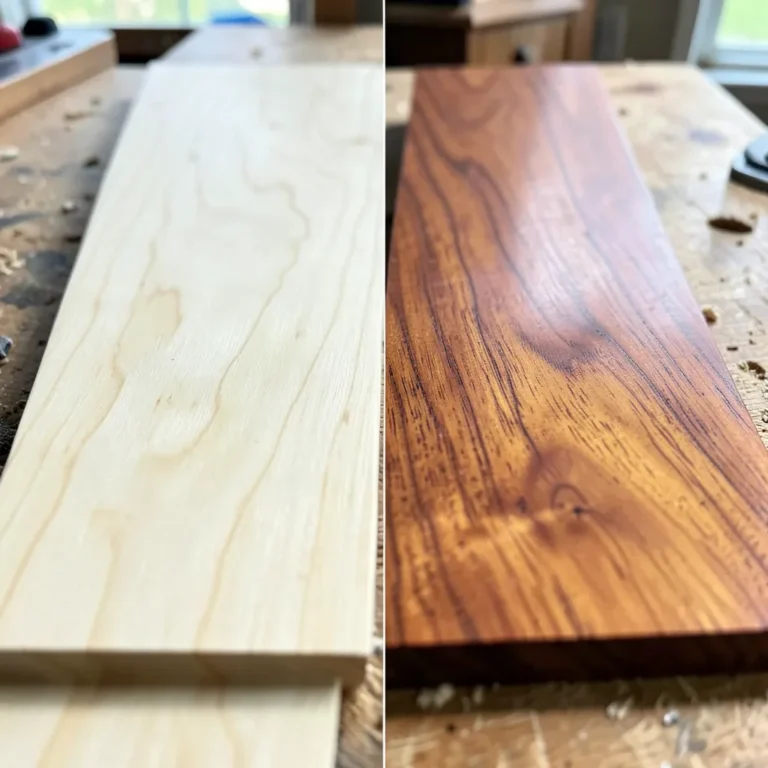
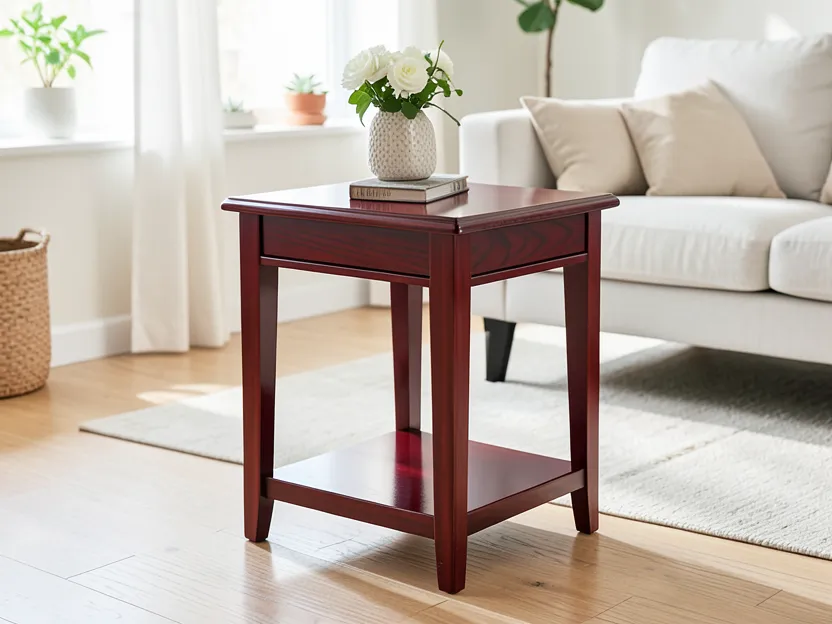
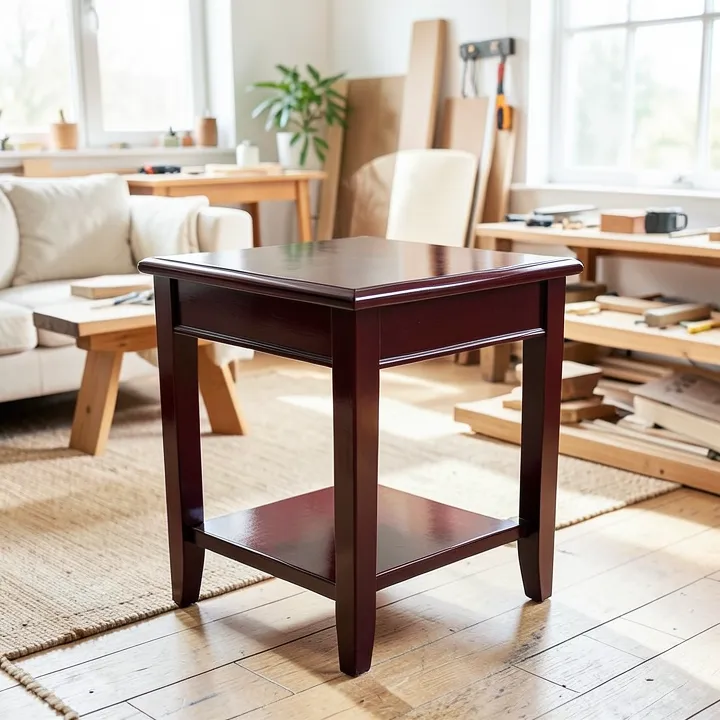
Dark cherry spray paint gives cheap or dated furniture the deep reddish-brown color of real cherry wood without stripping and staining raw wood — but on wood specifically, it only looks convincing if you sand and prime first. Skip that prep and the color goes on fine, but it chips at the edges within months.
Here’s how to actually get a finish that holds up, plus what “dark cherry” spray paint really is chemically (it’s not a wood stain, even though it’s often shelved near them).
Choosing the Right Dark Cherry Spray Paint
Best Pick For a Cherry Wood Look
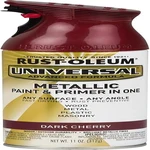 |
Rust-Oleum Universal All Surface Metallic Spray Paint, Dark Cherry – $11.67 A paint-and-primer-in-one formula that adheres to wood, metal, and plastic without a separate primer coat in most cases, with a rich, slightly metallic cherry-red finish.
|
“Dark cherry” as a spray paint color is a reddish-brown lacquer or enamel formulated to visually match cherry wood’s natural aged tone, not an actual wood dye or stain. That distinction matters: paint sits on top of the surface as an opaque film, while a stain or dye soaks in and lets the real wood grain show through underneath. If you want the grain visible, you need a gel stain or dye, not spray paint — spray paint is the right call when you want a uniform, grain-hiding color on furniture that’s scratched, mismatched, or made of a material (like MDF, metal, or plastic) that doesn’t have attractive grain to preserve anyway.
Look for a paint-and-primer-in-one formula if you’re painting wood, since it cuts prep time. Oil-based formulas generally resist chipping better than water-based/acrylic on furniture that gets handled often (chairs, tabletops), while water-based options have less odor and dry faster for smaller decor pieces.
Prepping the Surface (Don’t Skip This)
- Clean thoroughly with a damp cloth to remove dust, grease, and grime — paint won’t bond to a dirty surface no matter how good the product is.
- Sand with fine-grit sandpaper (220 or so), enough to scuff any existing gloss finish and give the new paint something to grip. You’re not trying to remove the old finish, just dull it.
- Wipe away sanding dust with a tack cloth, not a wet rag.
- Prime if your paint isn’t a paint-and-primer combo, especially over a glossy existing finish or bare, porous wood that would otherwise soak up paint unevenly.
Application: Getting an Even, Streak-Free Coat
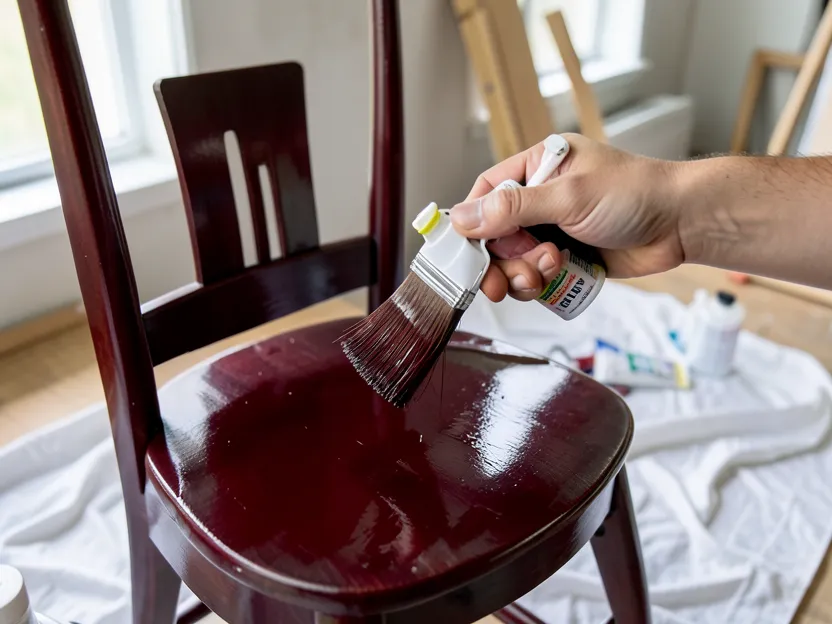
Hold the can roughly 10-12 inches from the surface and keep it moving in smooth, even passes — stopping in one spot, even briefly, is the single most common cause of drips and runs. Shake the can well before and periodically during use; metallic and colored paints especially can separate slightly with the pigment settling.
Build color in two to three thin coats rather than one heavy one, letting each coat dry to the touch (usually 10-20 minutes, check the can) before the next. Thin coats dry faster, look smoother, and are far less likely to sag or drip than trying to get full opacity in a single pass. Always test spray pattern and color on a scrap piece or cardboard first — different lighting and surfaces can make the same “dark cherry” look noticeably different.
Work in a well-ventilated area regardless of whether the can is labeled low-VOC; spray paint fumes build up fast in an enclosed room. A drop cloth and painter’s tape on any edges you want to protect will save cleanup time.
Making It Last
A clear topcoat isn’t strictly required with most modern spray paints, but it meaningfully extends how long the color resists scuffs and fading, especially on high-touch pieces like tabletops and chair seats. Clean painted surfaces with a soft, dry cloth rather than water when possible, and keep pieces out of direct sunlight, which fades reds and reddish-browns faster than most other colors.
For small chips, a light touch-up with the same can (shaken well, sprayed lightly and built up in thin passes) blends in far better than trying to brush-touch-up a sprayed finish with a different application method.
Frequently Asked Questions
What is dark cherry wood spray paint?
It’s an opaque spray paint formulated in a reddish-brown color that visually matches cherry wood, not a stain or dye. Unlike a stain, it fully covers the surface and hides the underlying wood grain rather than tinting it while letting the grain show through.
How do I apply spray paint on wood correctly?
Clean the surface, sand it lightly to give the paint something to grip, and prime it if the paint isn’t a paint-and-primer-in-one. Shake the can well, hold it 10-12 inches away, and apply two to three thin coats rather than one heavy coat, letting each dry before the next.
Can I use dark cherry spray paint indoors?
Yes, as long as the room is well-ventilated during application and drying. Use a drop cloth to protect surrounding surfaces, and consider a low-VOC formula if you’re sensitive to fumes, though ventilation matters more than the VOC rating for comfort while spraying.
Is spray paint durable on wood surfaces?
Yes, when the surface is properly prepped first. Sanding for adhesion, using a primer or primer-in-one formula, and adding a clear topcoat on high-touch pieces all significantly extend how long the color resists chipping and scuffing compared to spraying straight onto an unprepped surface.
Conclusion
Dark cherry spray paint is a fast, cheap way to give furniture a rich reddish-brown finish, but it’s paint, not stain — it hides the grain rather than showing it through. Prep (clean, sand, prime) is what actually separates a finish that lasts years from one that chips within months, and thin coats always beat one thick one.
Sponsored / affiliate links. As an Amazon Associate I earn from qualifying purchases. I may earn additional commission from eligible campaigns.