Can Galvanized Steel Be Painted? Yes, With the Right Primer
Yes, galvanized steel can be painted, but only over a clean surface with a water-based acrylic primer labeled for galvanized metal. Sherwin-Williams’ primer data sheet says new galvanizing should weather at least six months first, or be solvent cleaned and test-patched for a week. This guide compares what four paint makers and the American Galvanizers Association say about prep, primers, vinegar, sanding and oil-based paint.
The Simple Truth About Painting Galvanized Steel
Best Galvanized Primer Pick
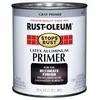 |
Rust-Oleum 8781502 Stops Rust Flat Aluminum Primer, Quart ($17.48) A water-based acrylic primer whose can reads “on aluminum or galvanized surfaces,” which is the label test this guide says to apply before you buy any primer.
|
As an Amazon Associate we earn from qualifying purchases.
Galvanized steel is steel coated in zinc, and that zinc is why paint fails on it when prep is skipped. A new coating is smooth, can carry an oil film that Behr says must be removed before painting, and weathers through stages that each need different handling. The fix is not one trick. It is a clean surface, a primer rated for galvanized metal, and a wait that matches the zinc’s age.
The part most guides skip is that the paint makers do not agree with each other on prep. The table below puts their own published instructions side by side. If your piece is a steel door, our guide to paint for an exterior metal door covers the door-specific rules, including what to do with factory-primed steel.
| Source | Cleaning | Sanding or etching | Primer and paint it names |
|---|---|---|---|
| Sherwin-Williams Pro-Cryl Universal Primer (2/2026) | Weather 6 months, then solvent clean per SSPC-SP1. The same sheet also says “Do not use hydrocarbon solvents for cleaning.” | If a test patch fails, brush blasting per SSPC-SP16 | Pro-Cryl Universal Primer, self priming; acrylic topcoats listed |
| Benjamin Moore galvanized metal guide | New metal: wipe with white vinegar, degrease, rinse. Weathered metal: degrease only. | “Do not sand galvanized metal” | Ultra Spec HP Acrylic Metal Primer, then Ultra Spec HP D.T.M. Acrylic Enamel; avoid alkyd and oil-based primers |
| Behr Direct-to-Metal data sheet (2015) (non-ferrous metal rules; it does not name galvanized) | Remove oil film with mineral spirits or acetone | Sand the surface, or use a chemical etcher | Water-based non-ferrous primer such as Multi-Surface Primer & Sealer No. 436, then the direct-to-metal paint |
| Rust-Oleum Professional Aluminum Primer data sheet (2018) | Wash with a commercial detergent, rinse, dry fully | Lightly sand glossy surfaces | The primer itself, described as a base coat for aluminum or galvanized metal |
| American Galvanizers Association | 10 parts water to 1 part alkaline cleaner; or 25 parts water to 1 part acid, rinsed within 2 to 3 minutes; or solvent on a clean cloth | Sweep blasting at 30 to 60 degrees; grinding up to 1 mil is acceptable | Latex acrylics listed as compatible; oil-based and alkyd “sometimes,” so ask the paint maker |
Read that table as a warning, not a menu. Mixing one maker’s cleaner with another maker’s primer is how you end up outside any warranty, so pick the primer first and then follow the cleaning and sanding instructions on its own sheet.
Sherwin-Williams: “Allow to weather a minimum of six months prior to coating.” Source: Sherwin-Williams Pro-Cryl Universal Primer data sheet, 2/2026
How Soon Can You Paint New Galvanized Metal?
The wait depends on the zinc’s age, and the American Galvanizers Association splits it into three stages. The middle one surprises people, because it is the hardest to paint, not the easiest.
| Stage | Age | What is on the surface | Prep difficulty |
|---|---|---|---|
| Newly galvanized | Exposed to the atmosphere 48 hours or less | Few zinc compounds; smooth surface | Needs profiling so paint can grip |
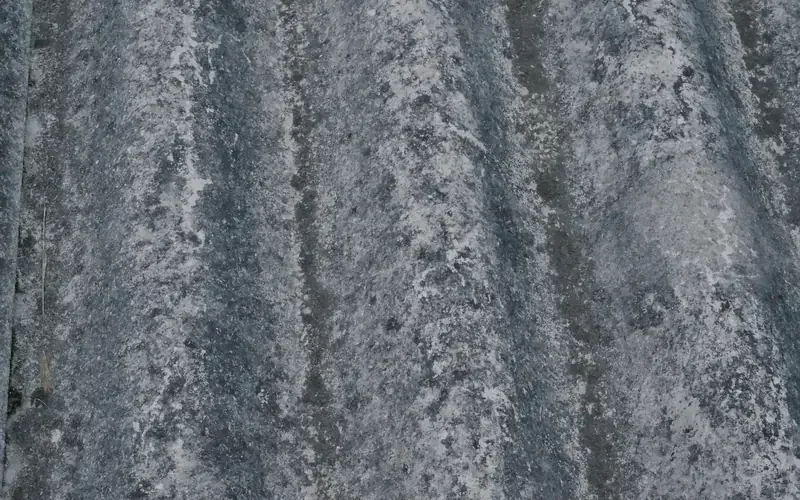
| Partially weathered | About 2 days to 1 year | Zinc oxide and zinc hydroxide | The most common stage when people paint, and the hardest to prepare, because those compounds must be removed |
| Fully weathered | Over 1 year | Zinc carbonate | The simplest: mild cleaning only, since paint performs better when these compounds are left on |
That corrects two common beliefs. One is that the white powder on year-old galvanizing is a harmless film you can paint over. In the partially weathered stage the AGA says those compounds have to come off. The other is that waiting a few months fixes everything. Sherwin-Williams asks for six months of weathering, but a surface still in the partial stage will still need real cleaning before primer.
What You’ll Need: Your Galvanized Steel Painting Toolkit
- Cleaner: a commercial detergent or an alkaline cleaner, plus clean rags and fresh water for rinsing
- Scrubbing and rust tools: a stiff nylon brush for cleaning, and a wire brush or sandpaper for rust and loose paint only
- Primer: a water-based acrylic primer that names galvanized metal on the can or data sheet
- Topcoat: 100% acrylic exterior paint, or a direct-to-metal acrylic from the same maker as the primer
- Applicators: a synthetic brush, or a 1/4 to 3/8 inch roller cover for flat areas (Behr’s sheet lists mohair, foam or flocked covers)
- Protection: gloves and eye protection, and a NIOSH-approved respirator if you will scrape or sand old paint
Step-by-Step Guide: Painting Your Galvanized Steel
These steps merge the common ground in the sheets above. Where a number is given, it comes from the source named beside it.
- Judge the zinc’s age: Decide whether the galvanizing is new, partly weathered or fully weathered, because that sets the prep and the wait.
- Wash it: Scrub off dirt, grease, oil and salt with a commercial detergent or an alkaline cleaner, keeping any pressure washer below 1450 PSI.
- Rinse and dry: Rinse with fresh water and let the metal dry completely, including seams and crevices.
- Remove rust and loose paint: Take rust and loose paint back to sound metal with a wire brush or sandpaper, and prime any bare spot the same day.
- Paint a test patch: Coat a small hidden area and let it dry at least one week before testing adhesion.
- Apply a galvanized-rated primer: Brush or roll a thin coat of water-based acrylic primer when air and surface temperatures are in the range on the can.
- Topcoat inside the window: Apply two thin coats of 100% acrylic paint, within the primer’s topcoat window.
- Let it cure: Keep the surface clear of heavy use and scrubbing until the paint is fully cured, which Behr lists as four weeks for its direct-to-metal paint.
Do You Need to Etch Galvanized Steel? Vinegar, Sanding and Etchers
Not always, and the sources split. Benjamin Moore wipes new metal with white vinegar and forbids sanding. Behr allows sanding or a chemical etcher. The AGA allows a dilute acid wash but wants it rinsed off within two to three minutes. Sherwin-Williams’ sheet does not ask for any etching, only cleaning and a test patch.
If you want one rule, use the test patch. Paint a small hidden area after your chosen prep, wait the week the data sheets ask for, and scratch it. Poor adhesion tells you to step up the prep, which is how Sherwin-Williams and Behr both say to decide.
Lead Dust Warning on Older Painted Galvanizing
If the galvanized item already has old paint on it, scraping or sanding that paint can release lead dust. Sherwin-Williams, Behr and Rust-Oleum all print that warning on their sheets, and Sherwin-Williams advises a NIOSH-approved respirator and a HEPA vacuum and wet mop for cleanup. Our guide to removing old paint covers the safe methods.
Which Primer and Paint Work on Galvanized Steel?
Look for a water-based acrylic primer that names galvanized metal. Benjamin Moore says to avoid alkyd and oil-based primers on galvanized metal, and the AGA’s compatibility table lists oil-based paint only as “sometimes” compatible, to be checked with the paint maker. For the topcoat, the AGA lists latex acrylics as compatible. Our explainer on the difference between latex and acrylic paint shows why a 100% acrylic label matters.
| Product | Dry and recoat | Application range | Coverage |
|---|---|---|---|
| Sherwin-Williams Pro-Cryl Universal Primer (professional line) | 40 min to touch, 4 hours to recoat at 77 F; topcoat exterior within 14 days | 35 to 120 F, humidity 85% max | 160 to 320 sq ft per gallon per coat |
| Rust-Oleum Professional Aluminum Primer (PRO-13) | 30 min to touch, recoat after 2 to 4 hours at 70 to 80 F | 50 to 90 F, humidity below 85% | 215 to 360 sq ft per gallon |
| Rust-Oleum Stops Rust Aluminum Primer (our pick, per Amazon listing) | Touch dry in 1 to 2 hours | Not listed in what we read | 55 to 90 sq ft per quart |
| Behr Direct-to-Metal semi-gloss (topcoat) | 1 hour to touch, 3 hours to recoat, 4 weeks full cure at 77 F | Brush, roller or airless; do not thin | 350 to 400 sq ft per gallon |
The numbers matter when you buy. Using the listing’s 55 to 90 square feet per quart, a 100 square foot surface needs roughly 1.1 to 1.8 quarts of primer for one coat. That is our arithmetic from the listing, so check the label on the can you actually buy. Do not leave primer sitting either: Sherwin-Williams says to topcoat its primer within 14 days outdoors, or wash it and rinse before finishing.
Common Mistakes to Avoid
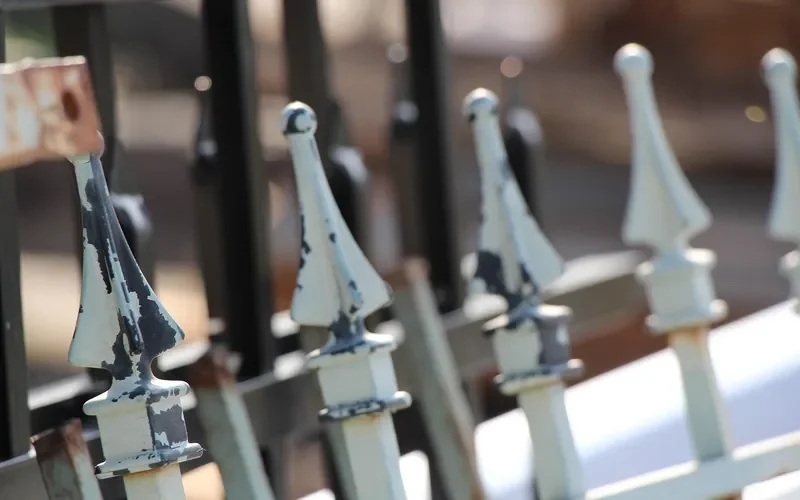
- Painting new galvanizing straight away: Sherwin-Williams asks for six months of weathering, or a solvent clean plus a one-week test patch.
- Using an oil-based or alkyd primer: Benjamin Moore says to avoid them on galvanized metal.
- Using a primer that does not list galvanized: check the can or data sheet, not just the aisle label.
- Sanding through the zinc: the AGA warns that care must be taken not to remove too much of the coating.
- Leaving acid on the surface: the AGA wants dilute acid rinsed within two to three minutes.
- Skipping the test patch: two makers specifically use the one-week patch to judge adhesion.
- Letting primer weather: exterior primer coats have a topcoat window, 14 days in Sherwin-Williams’ sheet.
Painting Rusted Galvanized Steel and Other Special Cases
Sherwin-Williams treats rusty galvanizing separately: at least hand tool cleaning, and prime the same day it is cleaned. Our guides to removing rust from painted metal and protecting metal from rust go deeper, and our look at whether Rust-Oleum can paint over rust explains what its rust products are rated for.
For a second take on the same question, see our page on whether you can paint galvanized steel, and for more metal projects browse our metalworking category.
Alternatives to Painting Galvanized Steel
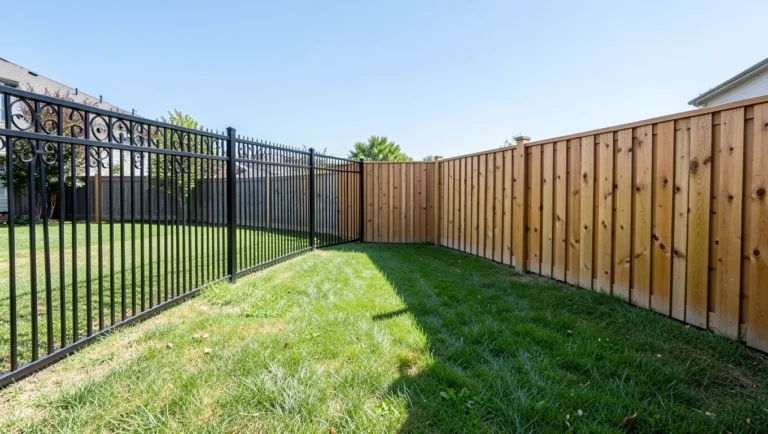
You may not need paint at all. Per the AGA, fully weathered galvanizing carries a zinc carbonate film, and paint performs better when that film is left in place if you do decide to coat it. Many fences and structural pieces are simply left bare, since the zinc coating is already doing the rust protection. Paint is mainly for color, safety marking or extending the life of an old coating, reasons the AGA itself lists for painting over galvanizing.
The other route is a factory finish. The AGA discusses combining hot-dip galvanizing with paint or powder coating, called a duplex system, but powder coating is a shop process, not a weekend job.
Frequently Asked Questions About Painting Galvanized Steel
Do you need a special primer for galvanized steel?
Yes. Use a water-based acrylic primer whose label or data sheet lists galvanized metal, such as Sherwin-Williams Pro-Cryl Universal Primer or Rust-Oleum’s aluminum primers. Benjamin Moore says to avoid alkyd and oil-based primers on galvanized metal, and a wood or drywall primer that does not list galvanized is not rated for it.
How long should new galvanized steel weather before painting?
Sherwin-Williams’ primer data sheet says galvanizing should weather a minimum of six months before coating. If you cannot wait, solvent clean it, paint a test patch, and let the patch dry at least one week before testing adhesion. Weathered metal still needs cleaning.
Can you paint over rusty galvanized steel?
Yes, after removing the rust. Sherwin-Williams says rusty galvanizing needs at least hand tool cleaning, and the primer goes on the same day it is cleaned. Rust-Oleum’s data sheet says to remove loose paint and rust with a wire brush or sandpaper. Never just cover the rust.
Does vinegar help paint stick to galvanized steel?
It depends on whose guide you follow. Benjamin Moore tells you to wipe new galvanized metal with white vinegar, then degrease it. The American Galvanizers Association instead lists alkaline cleaners, dilute acid rinsed within two to three minutes, and solvent wipes. Always follow your primer’s own instructions.
Can you sand galvanized steel before painting?
The makers disagree. Benjamin Moore says do not sand galvanized metal because it can damage the surface. Behr’s metal instructions allow sanding or a chemical etcher, and Rust-Oleum says to lightly sand glossy surfaces. The American Galvanizers Association warns against removing too much zinc.
Can you use latex paint on galvanized steel?
Yes, if it is 100% acrylic and goes over a primer rated for galvanized metal. The American Galvanizers Association lists latex acrylics as compatible over galvanizing, and Behr’s direct-to-metal paint is a 100% styrene acrylic. Sherwin-Williams lists acrylic topcoats for its galvanized-rated primer.
Conclusion
Painting galvanized steel works when you treat the zinc as the problem it is: clean it, give new metal time or a test patch, and use a water-based acrylic primer that lists galvanized metal. Where the paint makers disagree, on vinegar or sanding, let the data sheet for your own primer decide and let a one-week test patch confirm.
Sponsored / affiliate links. As an Amazon Associate I earn from qualifying purchases. I may earn additional commission from eligible campaigns.