Can Japanese Maple Grow in Pots Easily
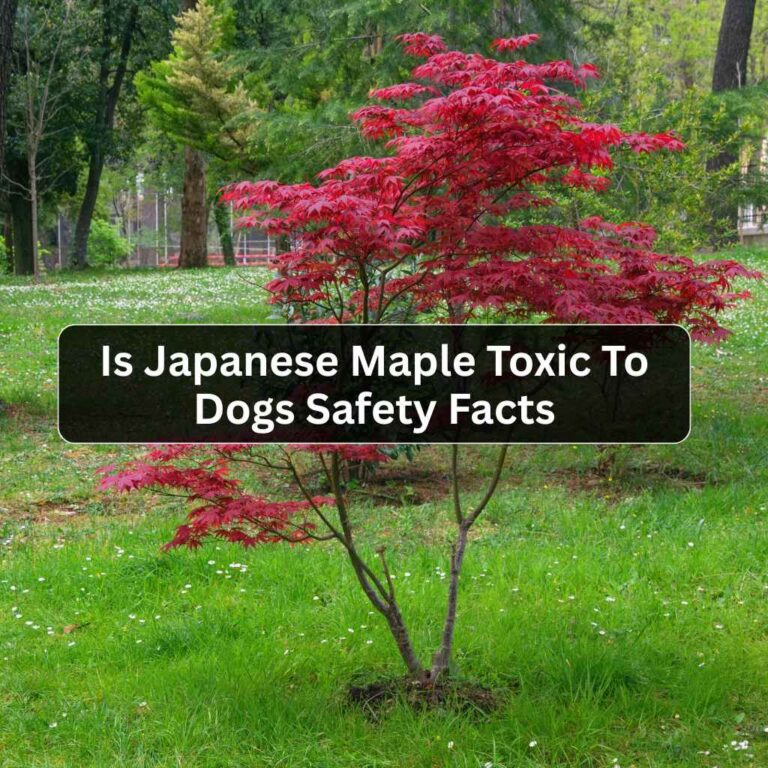
Many gardeners wonder, Can Japanese Maple Grow in Pots Easily? It can seem tricky at first, especially if you’re new to plant care. You want to enjoy these beautiful trees but worry about keeping them healthy in a small space. Don’t let that stop you.
With the right steps, growing a Japanese maple in a pot is totally achievable and rewarding. We’ll walk you through everything you need to know, step by simple step, so you can have your own little piece of Japanese garden beauty right at home. Get ready to learn the easy way to pot up your maple.
Can Japanese Maple Grow in Pots Successfully
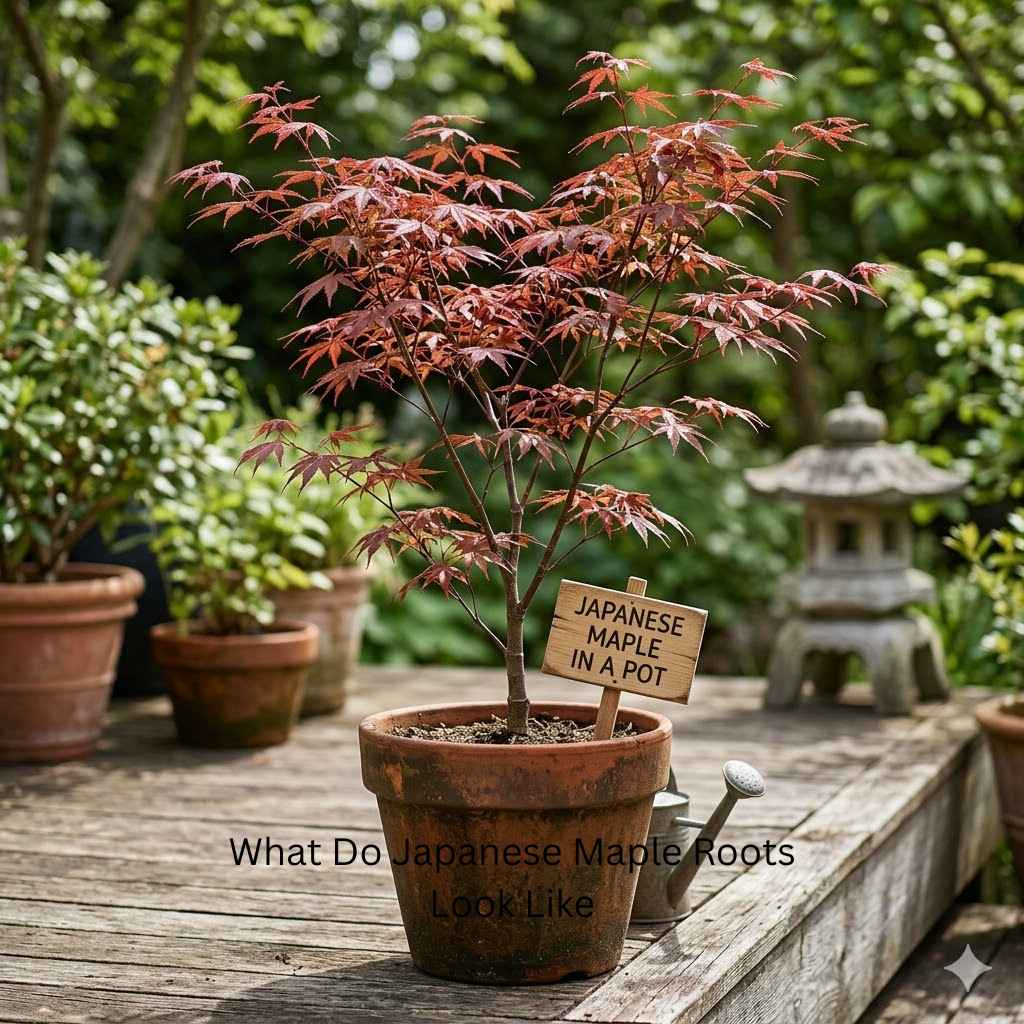
Growing Japanese maples in containers is a popular choice for many gardeners, especially those with limited yard space or who want to enjoy the trees’ beauty on patios and balconies. The question, Can Japanese Maple Grow in Pots Easily?, often arises because these trees are known for their delicate appearance and specific needs. While they can be grown successfully in pots, it requires a bit more attention than planting them in the ground.
Container growing presents unique challenges such as water management, root confinement, and temperature fluctuations that can impact the tree’s health and growth. This section will explore the factors that contribute to successful container cultivation, ensuring your Japanese maple thrives.
Choosing the Right Japanese Maple Variety
Not all Japanese maple varieties are equally suited for container growing. Some dwarf or smaller cultivars naturally stay more compact, making them ideal for pots. These smaller types often have slower growth rates and don’t require as much space for their root systems.
When selecting a tree, look for descriptions that mention “dwarf,” “compact,” or “suitable for containers.” Larger varieties, while beautiful, can quickly outgrow even large pots and become difficult to manage. Considering the mature size of the cultivar is key to long-term success in a container environment.
- Dwarf Varieties
These types are the best bet for pots. They grow very slowly and tend to stay small, often under 6 feet tall. Examples include ‘Acer palmatum’ dissectum cultivars like ‘Garnet’ or ‘Crimson Queen,’ which have fine, feathery leaves and a weeping habit. Their manageable size means they won’t quickly become root-bound or too heavy for their containers. They also tend to have a more delicate and ornamental appeal, fitting well with the aesthetic of container gardening. - Compact Cultivars
These are slightly larger than dwarf varieties but still remain relatively small. They might reach up to 8-10 feet over many years. Cultivars like ‘Shaina’ or ‘Bloodgood’ (though ‘Bloodgood’ can get larger over time) can be kept in pots for a good period, especially with regular pruning. It’s important to choose a pot that allows for some growth, and be prepared to repot every few years. These offer a bit more presence than true dwarfs while still being manageable. - Understanding Growth Habits
The way a maple grows is crucial. Some have an upright, tree-like form, while others are more mounding or spreading. For pots, a more rounded or weeping form often looks more balanced and less likely to tip over. Upright varieties might need more frequent pruning to maintain their shape and size within the confines of a container. Always research the specific growth habit of the cultivar you are interested in before making a purchase.
Selecting the Perfect Pot
The pot is the home for your Japanese maple’s roots, so its size, material, and drainage are very important. A pot that is too small will stunt growth and quickly become root-bound. Too large, and it might hold too much moisture, leading to root rot.
The material also plays a role in temperature regulation and moisture retention.
- Size Matters
Start with a pot that is at least 10-15 inches in diameter and depth for a young tree. As the tree grows, you will need to repot it into a larger container. A good rule of thumb is to increase the pot size by about 2-4 inches in diameter every 2-3 years. Overcrowding the roots, known as being root-bound, will stress the tree and can lead to a decline in health. It’s better to go up gradually than to jump to an excessively large pot all at once. - Material Choices
Terra cotta pots are porous and allow soil to breathe, which helps prevent overwatering, but they can dry out quickly in hot weather. Plastic pots are lighter and retain moisture longer, but can overheat in direct sun. Glazed ceramic pots are attractive but can also retain too much moisture. For Japanese maples, a material that offers a balance of breathability and moisture retention, or one that can be easily insulated, is often preferred. Consider wooden planters as well, which offer good insulation and a natural look. - Drainage Holes Are Essential
This cannot be stressed enough. Without adequate drainage, water will pool at the bottom of the pot, suffocating the roots and leading to fungal diseases like root rot. Ensure the pot has plenty of drainage holes at the bottom. If a pot doesn’t have enough, you can drill more yourself. Never let the pot sit in standing water.
The Best Soil Mix for Container Japanese Maples
Using the right soil mix is crucial for container-grown Japanese maples. They prefer well-draining soil that doesn’t become waterlogged. Standard potting soil alone can sometimes be too dense.
A good mix provides aeration for the roots and holds enough moisture without becoming saturated.
- Key Components of a Good Mix
A good soil mix for Japanese maples in pots usually combines potting soil with amendments that improve drainage and aeration. Common additions include perlite, pumice, or coarse sand. These help create air pockets, preventing the soil from compacting and allowing water to drain away freely. A common recipe is two parts good quality potting mix, one part perlite or pumice, and perhaps a bit of compost. - Why Drainage is So Important
Japanese maples are susceptible to root rot if their roots sit in wet soil for too long. This condition can quickly kill the tree. The soil needs to drain well so that excess water can escape the pot. When you water, you want the water to flow through the soil and out the drainage holes, taking stagnant air with it and allowing fresh air to reach the roots. - Avoid Garden Soil
Never use soil directly from your garden for container plants. Garden soil is typically too dense and may contain weed seeds or pathogens. It compacts easily in pots, hindering drainage and root growth. Always use a specially formulated potting mix designed for containers. This ensures better aeration, drainage, and a sterile environment for your plant’s roots.
Caring for Your Potted Japanese Maple
Once your Japanese maple is in its pot, consistent care is key to its health and vigor. This involves understanding its needs for water, sunlight, and nutrients. Container plants have less access to natural resources than those in the ground, so you need to provide them actively.
Paying attention to these elements will ensure your tree looks beautiful throughout the growing season.
Watering Techniques for Container Maples
Proper watering is one of the most critical aspects of growing Japanese maples in pots. Overwatering or underwatering can be detrimental. The key is to maintain consistent moisture without waterlogging the roots.
The frequency of watering will depend on several factors, including the size of the pot, the type of soil, the weather, and the size of the tree.
- How to Tell When to Water
The best way to determine if your maple needs water is to feel the soil. Stick your finger about an inch or two into the soil. If it feels dry, it’s time to water. If it feels moist, wait a bit longer. You can also use a moisture meter, which is a handy tool for checking soil moisture levels accurately. Don’t water on a strict schedule; always check the plant’s needs. - The Watering Process
When you do water, water thoroughly until water runs out of the drainage holes. This ensures that the entire root ball is moistened. Avoid frequent, light watering, as this encourages shallow root growth. Water at the base of the plant, directly onto the soil, to prevent fungal diseases on the leaves. Watering in the morning is generally best, as it allows the foliage to dry before evening. - Seasonal Adjustments
Watering needs change with the seasons. In hot, dry summer months, you may need to water more frequently, possibly daily. In cooler spring and fall weather, you’ll water less often. During winter, when the tree is dormant, watering should be significantly reduced, just enough to keep the soil from drying out completely.
A common mistake is watering on a schedule without checking the soil. This can lead to overwatering, especially in cooler weather or if the pot’s drainage isn’t perfect. Another mistake is watering too little, causing the tree to dry out.
For instance, a Japanese maple in a small terra cotta pot on a sunny patio in July might need watering twice a day, whereas the same tree in a large plastic pot in a shaded spot in October might only need watering once a week.
Sunlight and Location Requirements
Japanese maples generally prefer dappled shade or morning sun with afternoon shade, especially in hotter climates. Too much direct sun, particularly intense afternoon sun, can scorch their delicate leaves, causing them to turn brown and crispy. However, they do need some light to thrive.
Finding the right balance is crucial for their well-being.
- Ideal Light Conditions
Most Japanese maples do best in locations that receive bright, indirect light for most of the day. Morning sun is often perfect, providing gentle light without the harshness of the midday or afternoon sun. In cooler climates, they might tolerate more direct sun. Observe your tree; if the leaves start to look bleached or scorched, it’s getting too much direct light. - Protecting from Harsh Sun
If your location has intense afternoon sun, consider placing your potted Japanese maple where it will be shaded during those peak hours. This could be on the east side of a house, under the canopy of a larger, established tree, or behind a screen or fence that provides partial shade. Moving the pot to a shadier spot during the hottest parts of the summer is also an option. - Signs of Too Much or Too Little Sun
Scorched leaves, characterized by brown or crispy edges and tips, indicate too much sun. If the tree is leggy, with sparse foliage and long, weak branches reaching towards the light, it might not be getting enough sun. A healthy Japanese maple in a pot will have vibrant leaf color and a well-formed shape, indicating it’s receiving adequate, but not excessive, light.
Consider the microclimate around your pot. A pot placed on a hot, paved surface will radiate heat upwards, potentially stressing the roots. Placing it on gravel or a saucer filled with water (but not so the pot sits in water) can help keep the roots cooler.
For example, a ‘Red Dragon’ Japanese maple might thrive in a spot that gets direct morning sun until 10 AM, then dappled shade for the rest of the day in zones 6-8. In hotter zones like 9 or 10, it might need only bright indirect light throughout the day.
Fertilizing Your Potted Maple
Container plants rely on you for nutrients because their roots cannot access the wider range of minerals available in the ground. Japanese maples are not heavy feeders, and over-fertilizing can be more harmful than not fertilizing enough. The goal is to provide balanced nutrition to support healthy growth.
- When and What to Fertilize
Feed your potted Japanese maple sparingly, typically in early spring as new growth begins. Use a balanced, slow-release fertilizer formulated for trees and shrubs, or a specific fertilizer for Japanese maples. Look for an N-P-K ratio like 10-10-10 or similar. The slow-release type will provide nutrients over time, reducing the risk of burning the roots. - How Much Fertilizer to Use
Always follow the instructions on the fertilizer packaging. It’s better to under-fertilize than to over-fertilize. For a slow-release granular fertilizer, a light scattering around the base of the tree is usually sufficient. If using a liquid fertilizer, dilute it to half the strength recommended on the package. Avoid fertilizing in late summer or fall, as this can encourage new growth that won’t have time to harden off before winter. - Signs of Nutrient Deficiency or Excess
A lack of nutrients might show up as pale green or yellowing leaves (chlorosis), though this can also be a sign of overwatering or poor drainage. Over-fertilizing can cause leaf burn, where the edges of the leaves turn brown and brittle, or cause the plant to produce excessive, weak foliage. If you notice these signs, adjust your fertilizing practices accordingly.
Pruning for Shape and Health
Pruning is essential for maintaining the desired shape and size of your potted Japanese maple, as well as removing any dead or crossing branches. It also helps to improve air circulation within the canopy, which can prevent diseases. For container-grown trees, pruning can be more frequent to keep them looking their best.
- When to Prune
The best time to prune is typically in late winter or early spring, before new growth begins. This allows you to see the structure of the tree clearly. Light pruning or shaping can also be done in mid-summer after the initial flush of growth has hardened off. Avoid heavy pruning in late summer or fall, as this can stimulate tender new growth that is vulnerable to frost. - How to Prune
When pruning, use sharp, clean bypass pruners or loppers. Make cuts just outside the branch collar, which is the slightly swollen area where the branch meets the trunk or a larger branch. Remove any dead, damaged, or diseased branches first. Then, trim back branches that are growing in awkward directions or that are overcrowding the canopy. Aim for a natural, balanced shape. - Maintaining Size in Pots
To keep your Japanese maple from becoming too large for its pot, you can employ root pruning. This is typically done when you repot the tree every few years. Carefully remove the tree from its pot, trim about one-third of the outer root ball using clean, sharp pruners, and then replant in the same or a slightly larger pot with fresh soil. This encourages a more compact root system that is better suited for container life.
Common Problems and Solutions for Potted Japanese Maples
Even with the best care, potted Japanese maples can encounter issues. Understanding these common problems and knowing how to address them quickly will help ensure your tree remains healthy and beautiful. Many issues can be traced back to watering, light, or soil conditions.
Leaf Scorch and Discoloration
Leaf scorch is a frequent problem for Japanese maples, especially those in containers. It’s characterized by brown, crispy edges or tips on the leaves. This often happens when the tree doesn’t get enough water, or when it’s exposed to too much direct sun and heat, which dries out the leaves faster than the roots can supply moisture.
- Causes of Leaf Scorch
The primary causes include insufficient watering, high temperatures, strong winds, and intense direct sunlight. In containers, the soil can dry out more quickly, and the roots can overheat, especially in dark-colored pots. Sometimes, even if you water correctly, a sudden heatwave or being placed in a too-sunny spot can trigger scorch. - Solutions for Scorched Leaves
To prevent and treat leaf scorch, ensure consistent watering, especially during hot, dry periods. Provide afternoon shade or dappled light. Consider using lighter-colored pots or insulating darker pots to keep roots cooler. If the scorch is mild, the tree will likely recover with improved conditions. Remove severely damaged leaves if they look unsightly, but avoid extensive pruning of scorched foliage as it can stress the tree further. - Other Discoloration Issues
Yellowing leaves (chlorosis) can indicate nutrient deficiencies, overwatering, or poor drainage. If leaves turn uniformly yellow with green veins, it might be an iron deficiency, which can be treated with an iron supplement. If the whole leaf turns yellow and then brown, it’s more likely related to water issues. Always check the soil moisture and drainage first.
A study published in the Journal of Environmental Horticulture found that container-grown trees are generally more susceptible to water stress and temperature extremes than in-ground trees. In one case, a gardener reported their ‘Crimson Queen’ Japanese maple developing significant leaf scorch after a week of 90+ degree Fahrenheit weather, despite regular watering. Moving the pot to a shadier location and ensuring the soil stayed consistently moist resolved the issue.
Pests and Diseases
While generally hardy, potted Japanese maples can sometimes fall prey to pests and diseases. Vigilance and prompt action are key to managing these issues effectively. Common culprits include aphids, spider mites, and fungal diseases.
- Common Pests to Watch For
Aphids are small, green or black insects that cluster on new growth, sucking sap and causing distorted leaves. Spider mites are tiny arachnids that create fine webbing and cause stippling on leaves. Scale insects are small, immobile bumps that attach to stems and leaves, also feeding on sap. Early detection is crucial for effective treatment. - Managing Pests Naturally
For mild infestations, a strong blast of water from a hose can dislodge many pests. You can also use insecticidal soap or neem oil, which are less toxic alternatives. These treatments work by smothering or disrupting the pests’ life cycles. For scale insects, you might need to manually remove them with a soft brush or cotton swab dipped in rubbing alcohol. - Preventing and Treating Fungal Diseases
Fungal diseases, such as powdery mildew or verticillium wilt, often thrive in damp conditions with poor air circulation. Ensure good airflow around your tree and avoid overhead watering. If you spot powdery mildew (a white, powdery coating on leaves), improve air circulation and remove affected parts. Verticillium wilt is a more serious disease that can cause wilting and dieback; if suspected, consult with a local arborist.
According to the University of Florida’s Institute of Food and Agricultural Sciences (IFAS), using horticultural oils or insecticidal soaps is an effective strategy for controlling common garden pests on ornamental trees with minimal environmental impact. For example, a mild aphid infestation on a young potted ‘Viridis’ Japanese maple was successfully controlled with a single application of neem oil spray, applied in the early morning.
Root Bound Issues and Repotting
As a Japanese maple grows, its roots will fill the pot, becoming “root-bound.” This restricts the tree’s ability to absorb water and nutrients, leading to stunted growth and declining health. Repotting is essential for the long-term well-being of your potted tree.
- Signs Your Maple is Root-Bound
Symptoms include water running straight through the pot without much absorption, roots growing out of the drainage holes, slow growth, and leaves that wilt easily even when the soil is moist. The tree might also appear top-heavy or unstable in its pot. Sometimes, you can even see the tightly packed roots by looking into the drainage holes. - The Repotting Process
Choose a pot that is 2-4 inches larger in diameter than the current one. Gently remove the tree from its pot. If the roots are tightly circling, carefully tease them apart with your fingers or a small tool. Prune away any thick, circling roots and trim about one-third of the outer root mass. Place a layer of fresh potting mix in the new pot, position the tree, and fill in around it with more soil. Water thoroughly after repotting. - Frequency of Repotting
Young, fast-growing Japanese maples may need repotting every 1-2 years. As they mature and slow down, you might only need to repot every 3-5 years. The key is to check the root system periodically and repot when you see signs of being root-bound. Early spring, just as growth is starting, is the ideal time to repot.
Can Japanese Maple Grow in Pots Easily A Summary
Yes, Japanese maples can grow in pots easily with the right approach. Success hinges on choosing appropriate dwarf or compact varieties, selecting the correct pot with ample drainage, and using a well-draining soil mix. Consistent watering without overdoing it, providing the right balance of sun and shade, and occasional fertilization are crucial.
Be prepared to manage common issues like leaf scorch and pests, and remember that periodic repotting will keep your tree thriving. With these simple steps, your potted Japanese maple will bring beauty to your space for years.
Frequently Asked Questions
Question: Can I grow any Japanese maple variety in a pot
Answer: It’s best to choose dwarf or compact varieties. Larger types can quickly outgrow pots and become difficult to manage, requiring more frequent repotting and pruning.
Question: How often should I water a potted Japanese maple
Answer: Water when the top inch or two of soil feels dry. This might be daily in hot weather or once a week in cooler seasons. Always check the soil moisture rather than watering on a fixed schedule.
Question: What kind of pot is best for a Japanese maple
Answer: A pot made of terra cotta or wood is often recommended. Ensure it has plenty of drainage holes. The size should be appropriate for the current root ball, allowing room for growth.
Question: Do Japanese maples need a lot of sun when grown in pots
Answer: They prefer dappled shade or morning sun with afternoon shade. Too much direct, intense sun can scorch their leaves, especially in hot climates.
Question: When should I repot my potted Japanese maple
Answer: Repot when you notice signs of being root-bound, such as water draining too quickly or roots growing from the drainage holes. This is typically every 1-5 years, depending on the tree’s growth rate and pot size.
Conclusion
Growing Japanese maples in pots is entirely achievable and rewarding. By selecting suitable cultivars, using proper containers and soil, and providing consistent, attentive care, you can enjoy these stunning trees even in limited spaces. Remember to monitor watering needs, find the ideal light conditions, and prune as needed.
Your efforts will be rewarded with a beautiful, flourishing miniature tree.