Are Maple Trees Strong? Silver vs. Sugar Maple Truth
Not all maple trees are equally strong. Sugar maple (Acer saccharum) is a dense, long-lived tree that holds up well to wind and storms, while silver maple (Acer saccharinum) has notoriously brittle, fast-grown wood that arborists routinely flag as a storm-damage risk. If you’re asking whether the maple in your yard is sturdy or a liability, the species matters more than the fact that it’s “a maple.”
It’s a fair question to get confused about. Maple lumber has a reputation as one of the hardest domestic hardwoods you can buy, and that reputation bleeds into how people think about maple trees in the landscape. But a living tree’s structural strength depends on its root system, branch attachment, and growth rate, not just how hard its wood tests on a lab scale. Some maple species handle decades of storms without incident. Others are a well-known reason insurance adjusters and arborists get called after a windstorm. Here’s how to tell which one is in your yard.
What Makes a Living Tree Structurally Strong?
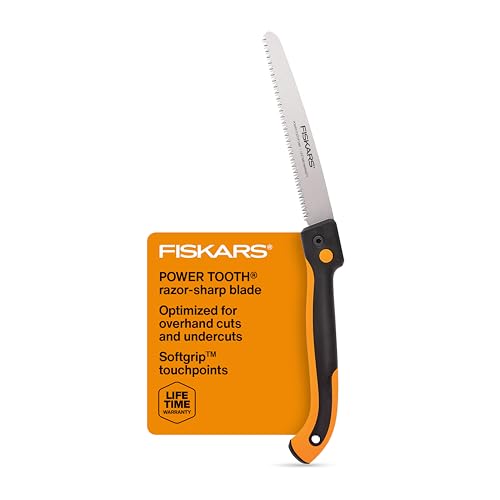
Best Pick for Pruning Storm-Damaged Maple Limbs
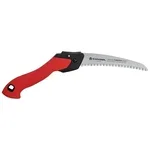 |
Corona RazorTOOTH 7-Inch Folding Pruning Saw – $19.80 Weak or storm-cracked maple limbs (especially on silver maple) should be removed before they fail on their own. This is the tool for that small-scale cleanup.
|
Before comparing maple species, it helps to know what “strong” actually means for a living tree. Lab hardness numbers for cut lumber don’t fully apply here — a tree is a structure that has to hold itself up through wind, ice, and its own weight for decades. Four things drive that:
- Growth rate: Fast-growing trees pack on wood quickly, but that wood tends to be less dense and more brittle than wood laid down slowly. This is the single biggest reason some maples fail in storms and others don’t.
- Branch attachment: A branch that grows out of the trunk at a wide angle is far more secure than one growing at a narrow, V-shaped angle with “included bark” trapped in the joint. Weak attachment points are where limbs actually let go in wind.
- Root structure: A tree with a deep, well-spread root system resists toppling. Shallow, wide-spreading roots (common in species that also happen to have brittle wood) are more prone to heaving in saturated soil during a storm.
- Species and genetics: Some tree species are simply bred by evolution for a “grow fast, don’t last” strategy, while others invest in dense, durable wood over a longer lifespan. Maple has examples of both extremes.
That last point is why “are maple trees strong” doesn’t have one answer. It depends entirely on which maple you’re talking about.
Silver Maple: The Maple Arborists Warn You About
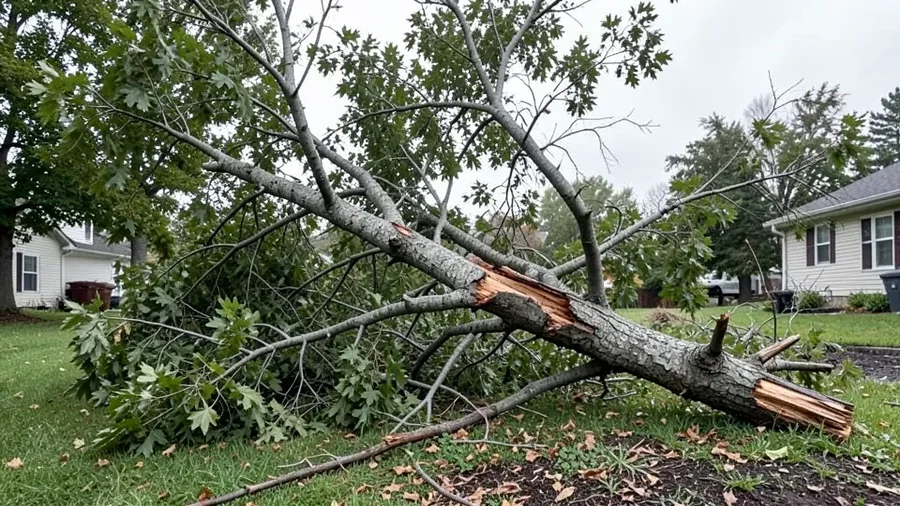
If one maple species is responsible for maple’s reputation as a storm risk, it’s silver maple (Acer saccharinum), also called water maple or soft maple. It’s a fast grower, often adding several feet of height a year, and that speed comes at a cost: silver maple wood is genuinely soft and brittle compared to other hardwoods, and its branches are known to drop in wind or even under the weight of ice and heavy rain, sometimes with no storm involved at all.
A few specific traits make silver maple a recurring problem tree in yards and along streets:
- Weak branch attachments: Silver maple tends to produce narrow, V-shaped branch unions with included bark, which are structurally weaker than the wide, U-shaped unions on sturdier trees.
- Shallow, aggressive roots: Its root system spreads wide near the surface, which can buckle sidewalks and driveways and also makes the tree more vulnerable to root damage from mowing, construction, or saturated soil.
- Rot-prone wood: Silver maple wounds and old branch stubs are more susceptible to internal decay than denser hardwoods, which can hollow out a trunk or major limb without obvious external signs.
- Shorter lifespan: Because it grows fast and stays structurally weaker, silver maple typically doesn’t live as long as slower-growing hardwood species before storm damage or decay catches up with it.
None of this means every silver maple is a ticking time bomb, plenty live for decades without incident, but it’s why many arborists no longer recommend planting silver maple as a street tree or close to a house, and why an existing silver maple usually benefits from more frequent professional pruning than other species.
Sugar Maple: The Strong, Long-Lived Standard
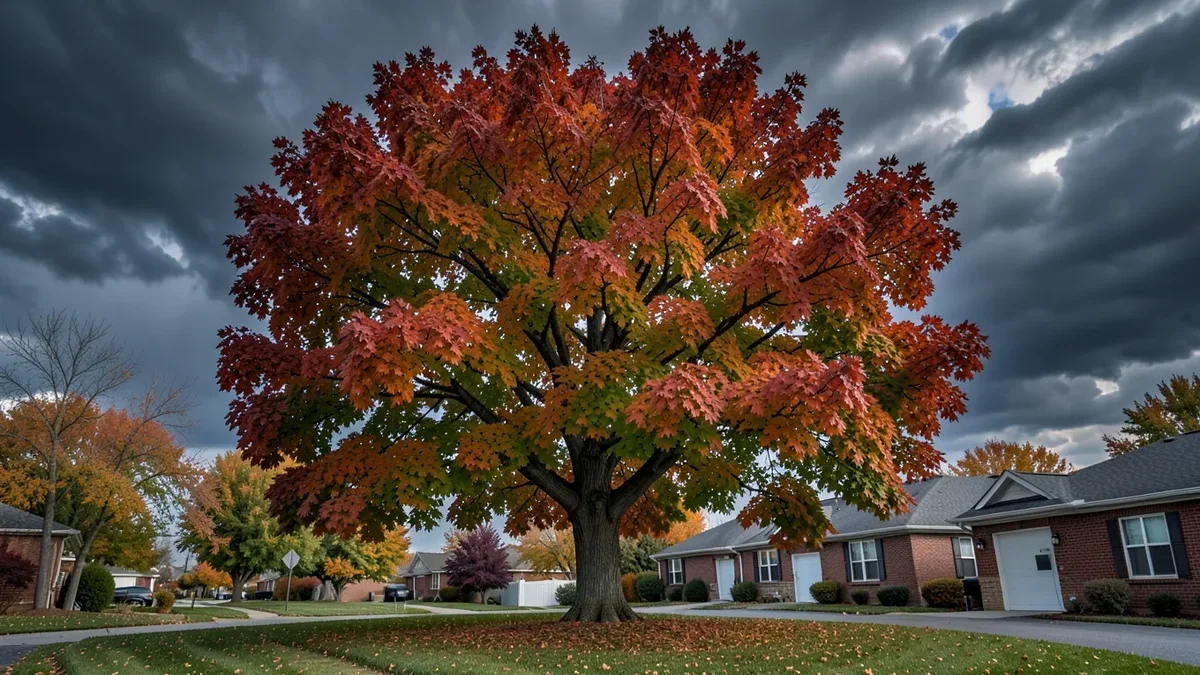
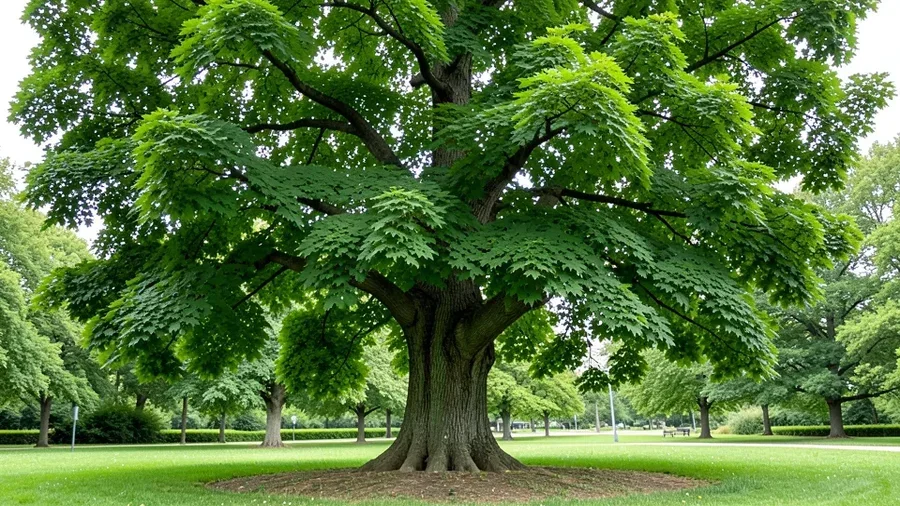
Sugar maple (Acer saccharum) is close to the opposite of silver maple. It’s the same species that gives us maple syrup and the hardest, densest “Hard Maple” lumber sold at the yard, and that density carries over into the living tree. Sugar maple grows more slowly, which means it builds tighter, stronger wood as it goes, and it develops a strong central trunk with well-attached branches rather than the weak, narrow-angled unions common on faster growers.
Sugar maples are commonly cited as trees that can live well over a century, and healthy, mature specimens are known for holding up through wind and ice storms that damage weaker species nearby. That doesn’t mean sugar maple is indestructible, any large tree can fail under extreme conditions or if it’s already compromised by disease, root damage, or old wounds, but it’s a fundamentally sturdier tree to have in your yard than a fast-growing soft maple.
The tradeoff is speed: sugar maple takes longer to reach a mature size, so it’s less popular with anyone wanting fast shade. For long-term stability over a property’s lifetime, though, it’s the maple most arborists would rather see planted.
Red Maple and Norway Maple: The Middle Ground
Not every maple falls at one extreme. Two other species show up constantly in yards and along streets, and both land somewhere between silver and sugar maple in structural terms.
Red Maple (Acer rubrum)
Red maple grows faster than sugar maple but slower than silver maple, and its wood strength follows the same pattern: tougher than silver maple, softer than sugar maple. It’s a popular, adaptable landscape tree and generally handles wind reasonably well, though it can still develop the same narrow-angle branch weaknesses as other fast-ish growers if it isn’t pruned to correct them while it’s young.
Norway Maple (Acer platanoides)
Norway maple is a non-native species that was widely planted as a street tree for decades and is now considered invasive in much of the eastern U.S. and parts of the Pacific Northwest. Structurally it’s reasonably sturdy, but its shallow roots and dense shade make it hard on lawns and nearby plantings, and many municipalities and extension offices now recommend against planting new ones. If you already have one, it’s not a structural emergency, just something to plan around.
Warning Signs Your Maple Tree Is a Storm Risk
Species is the biggest factor, but any maple, even a sturdy sugar maple, can develop real structural problems over time. Walk around the tree and look for these before the next big storm:
- Cracks or splits in the trunk or major limbs, especially ones that are widening or have bark peeling away from the edges.
- Mushrooms or fungal growth at the base or on the trunk, which usually signals internal decay you can’t see from the outside.
- A noticeable lean that’s new or has gotten worse, particularly after heavy rain has saturated the soil.
- Included bark at branch unions — a V-shaped seam where bark is pinched between two branches instead of a smooth, rounded joint.
- Deadwood in the canopy, meaning bare branches with no leaves during the growing season while the rest of the tree is fully leafed out.
Any one of these is worth a second look. If you see more than one on the same tree, it’s worth having a certified arborist inspect it before deciding whether it needs corrective pruning, cabling, or removal.
Keeping a Maple Tree Structurally Sound
You can’t change which maple species is already growing in your yard, but you can influence how well it holds up:
- Prune young trees to correct weak branch angles before they become large, heavy limbs. This is far cheaper and safer than dealing with a bad union on a mature tree later.
- Remove deadwood and storm-damaged limbs promptly rather than waiting for them to fail on their own. A clean pruning cut heals better than a jagged storm break.
- Avoid damaging surface roots with mowers, trenching, or heavy equipment, especially on shallow-rooted species like silver maple.
- Have mature or fast-growing maples inspected periodically by a certified arborist, particularly silver maple and any tree that’s already showing warning signs.
For anything above hand-pruning small deadwood, that’s a job for a professional with the training and equipment to work safely at height, not a DIY project.
Maple Trees vs. Maple Lumber: Two Different Strength Questions
It’s worth separating this from a related but different question: how hard is maple wood once it’s been milled into lumber? That’s a woodworking question, not an arborist one, and it has a much simpler answer, Hard Maple (the lumber cut from sugar maple) is one of the hardest domestic hardwoods available, ranking around 1,450 lbf on the Janka scale. If that’s the question you actually came here with, our guide on how hard maple wood really is breaks down the Janka numbers, and our comparison of hard maple vs. soft maple covers which species end up in which category once they’re cut into boards.
The two questions aren’t unrelated, silver maple’s soft, brittle wood is exactly why it’s also classified as “soft maple” at the lumber yard, but a tree’s ability to stand up in your yard through a windstorm and a board’s resistance to dents on your workbench are measuring different things.
Frequently Asked Questions
Are maple trees generally safe to plant near a house?
It depends on the species. Sugar maple and red maple are generally considered reasonable choices with proper distance from the foundation, while silver maple is usually discouraged near structures because of its brittle wood, aggressive shallow roots, and history of storm-related limb failure.
Why does my silver maple keep dropping branches?
Silver maple’s fast growth produces soft, brittle wood and weak, narrow branch attachments, so it’s normal for the species to shed smaller branches during wind, ice, or even heavy rain. Frequent minor branch drop is a known trait of the species, but larger limb failures or a sudden increase in dropped branches is worth having an arborist check.
How can I tell if my maple tree is a silver maple or a sugar maple?
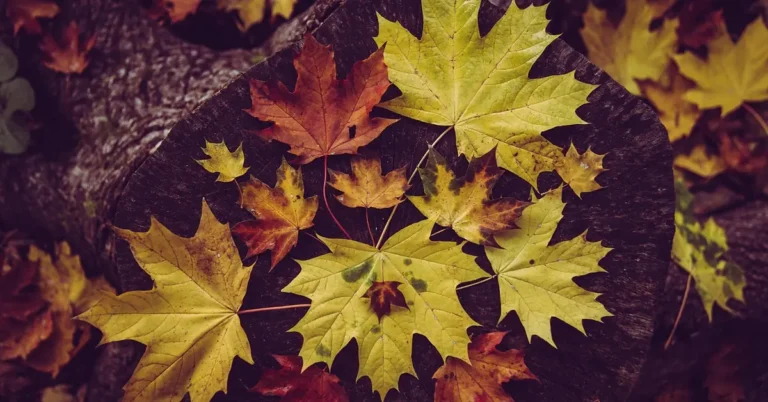
Look at the leaf undersides and bark. Silver maple leaves have a silvery-white underside (hence the name) and deeply cut, pointed lobes, with bark that becomes shaggy and peels in plates as the tree matures. Sugar maple leaves have a more uniform green underside with rounder sinuses between the lobes, and the bark stays tighter and more furrowed rather than peeling.
Is a leaning maple tree always dangerous?
Not always, some trees grow with a natural lean from reaching toward sunlight and are perfectly stable. A lean becomes a concern when it’s new, worsening, or accompanied by soil heaving at the base, exposed roots on the opposite side, or the tree recently went through a storm with saturated ground. Any of those combinations is worth a professional inspection.
The Bottom Line
Maple trees aren’t uniformly strong or weak, it comes down to which species you’re dealing with. Sugar maple is a dense, slow-growing tree that holds up well for generations. Silver maple grows fast and looks full quickly, but its brittle wood and weak branch unions make it the species most likely to cause storm damage or need extra maintenance. Red maple and Norway maple sit in between. If you’re not sure which one is in your yard, or you’re seeing any of the warning signs above, a certified arborist can tell you in a single visit whether you’re looking at routine maintenance or something more urgent.
Sponsored / affiliate links. As an Amazon Associate I earn from qualifying purchases. I may earn additional commission from eligible campaigns.