Can Wood Burning Stoves Cause Carbon Monoxide Poisoning? Safety Insights
When you cozy up by your wood burning stove, you probably enjoy the warmth and ambiance it brings to your home. But have you ever wondered if it could be hiding a silent danger?
Carbon monoxide poisoning is a serious concern, and it’s crucial to know whether your beloved stove could be putting you at risk. You deserve to feel safe and secure in your own space, and understanding the potential hazards is a vital step in protecting yourself and your loved ones.
We’ll uncover the truth about wood burning stoves and carbon monoxide, guiding you through essential safety tips and providing peace of mind. Stay with us, because your safety is worth every moment spent learning.
Wood Burning Stoves And Their Function
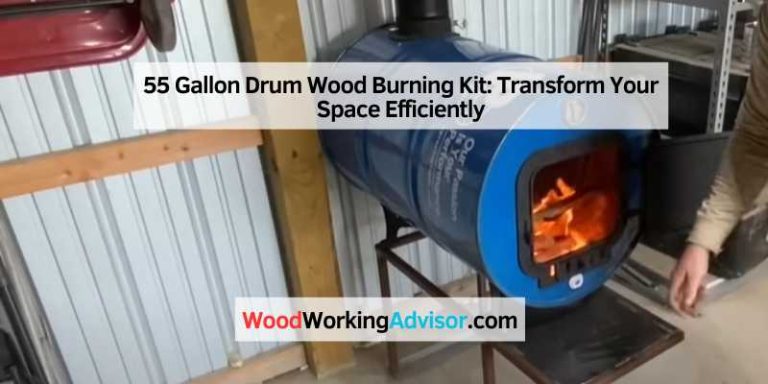
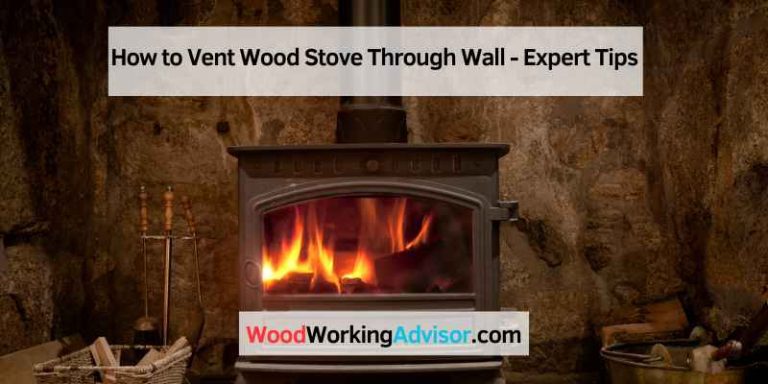
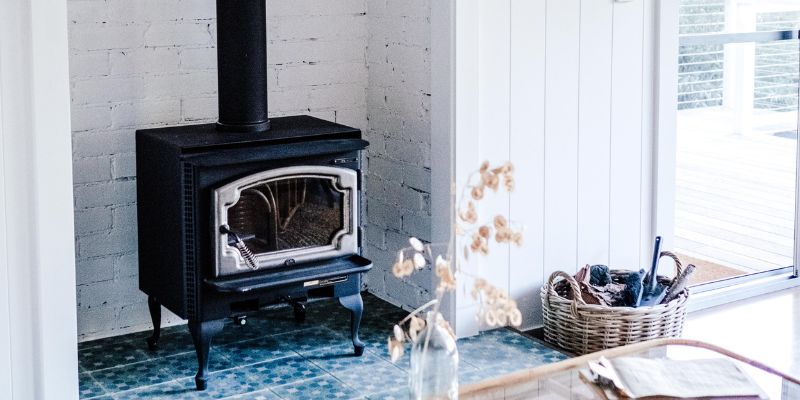
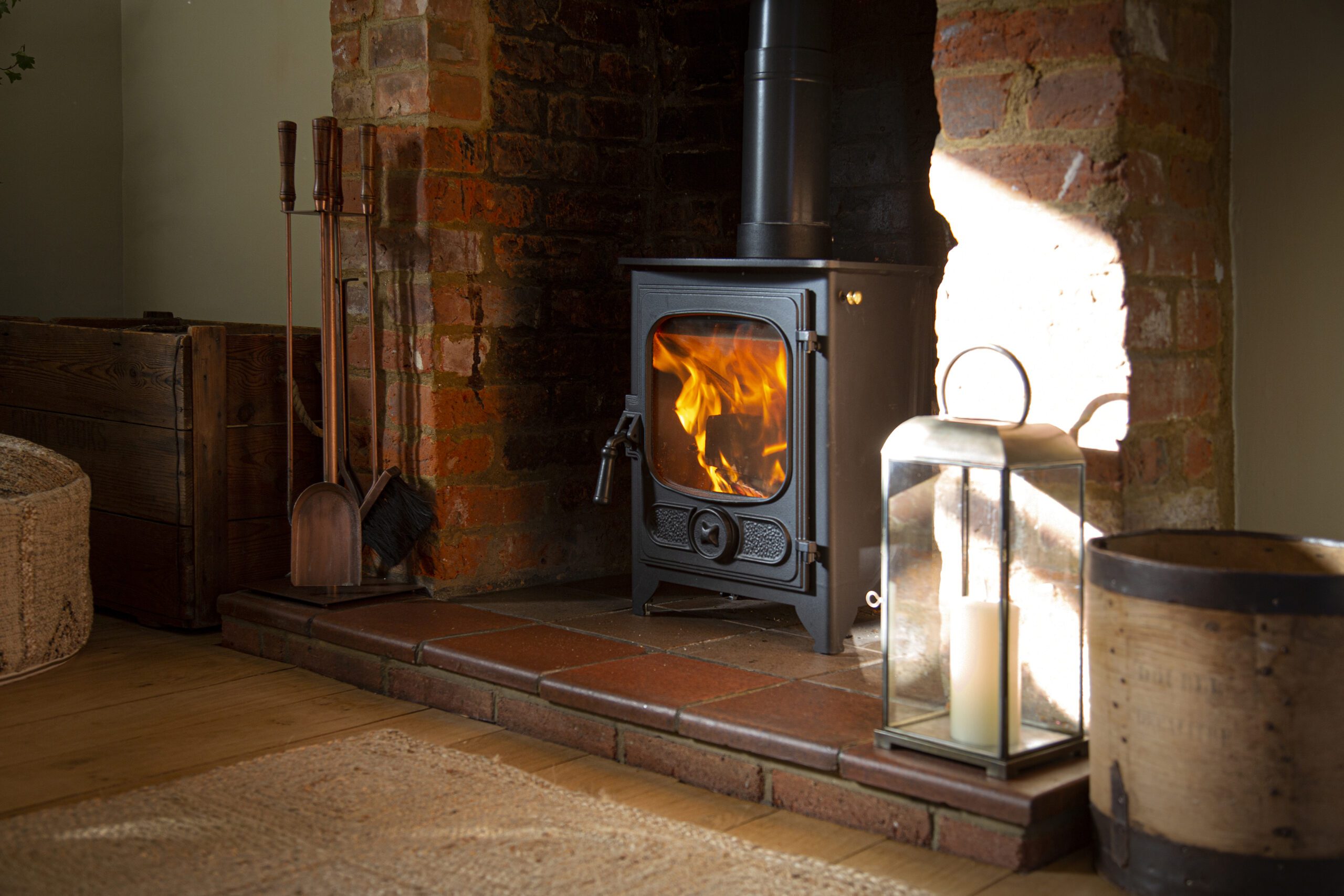
Wood burning stoves warm homes using wood logs. The stove has a firebox where wood burns. Air vents control airflow and heat. Smoke exits through the chimney. This keeps the house safe. Good ventilation prevents smoke buildup. Proper maintenance is key. This ensures the stove works well. Cleaning reduces risk of problems. Checking parts is important.
Most stoves are made from cast iron or steel. These materials are strong. They hold heat well. Ceramic is sometimes used too. It adds style. Glass doors let you see the fire. Firebrick lines the inside. It protects the stove. These materials make stoves durable. They help keep homes warm and safe.
Carbon Monoxide: The Invisible Threat
Carbon monoxide is a colorless and odorless gas. It’s very dangerous and hard to detect. This gas can make you feel sick. High levels can even be deadly. It can cause headaches, dizziness, and nausea. You may feel sleepy or weak. Breathing it for a long time is not safe. It’s important to have a detector at home.
Many things at home can make carbon monoxide. Wood burning stoves are one source. Gas stoves can also make it. Even heaters can produce this gas. Cars in a garage can cause it too. Always check chimneys and vents. They need to be clear. Make sure all appliances work well. This keeps your home safe.
Potential Risks From Wood Burning Stoves
Wood burning stovesneed good air flow. Without it, dangerous gases stay inside. Carbon monoxide is a big worry. This gas has no smell. It can make people sick. It can even be deadly. Fresh air helps keep these gases out. Families can stay safe with proper ventilation.
If a stove isn’t set up right, problems start. Gapsand leaks may appear. These let smoke and gases escape. A professional should install wood stoves. They know how to check for leaks. They make sure the stove works well. Safety is important. A well-installed stove can be a cozy, safe addition to a home.

Credit: firewoodfund.co.uk
Safety Measures For Wood Burning Stoves
Regular maintenance is very important for wood burning stoves. Stoves can get dirty and clogged. This stops them from working well. Cleaning helps them work better. Check the chimney often. Make sure it is not blocked. Soot and debris can cause blockages. These blockages can lead to dangerous gases. You should call a professional to check your stove. They know how to fix problems. Fix problems early to stay safe.
Proper ventilation is key to safety. A stove needs fresh air. Fresh air helps the fire burn well. Open a window a little. This can help air flow. Always check the stove’s vents. Make sure they are open. Closed vents stop air. This can be dangerous. Do not block vents with furniture or items. Keep the area around the stove clear. This helps air move freely.
Carbon Monoxide Detectors: A Key Safety Tool
Carbon monoxide detectorsare important for home safety. They help prevent poisoning from this dangerous gas. There are different types of detectors available. Some are battery-operated, while others plug into the wall. Battery detectors are easy to place anywhere in the home. Wall detectors need a power outlet nearby. It’s good to have one detector on each floor.
Installation Tipsare simple. Always put detectors in sleeping areas. This helps people hear alarms during sleep. Avoid placing detectors near windows or doors. Fresh air can affect their sensors. Read instructions before installing. Follow the steps carefully. Test detectors monthly to ensure they work. Change batteries every six months. Keep detectors clean and dust-free. This helps them sense the gas better.
Credit: www.charnwood.com
Emergency Response To Carbon Monoxide Exposure
Carbon monoxideis very dangerous. It can make you feel sick. You might get a headache. You may feel dizzy. Some people feel very tired. Confusionis common too. If someone is exposed for long, they can faint. It can cause serious harm.
Leave the arearight away. Get to fresh air fast. Open doors and windows. Call for help. Tell someone what happened. Stay outside until help arrives. Don’t go backinside. It’s not safe.
Frequently Asked Questions
How Do Wood Stoves Produce Carbon Monoxide?
Wood stoves can produce carbon monoxide due to incomplete combustion. If the stove isn’t properly vented, CO can accumulate. Regular maintenance and ensuring adequate ventilation help prevent CO buildup, protecting your health.
Can Carbon Monoxide Detectors Detect Wood Stove Emissions?
Yes, carbon monoxide detectors can identify CO emissions from wood stoves. Installing a detector near your stove ensures early detection. Regularly check and maintain detectors to keep your home safe.
What Are Symptoms Of Co Poisoning From Wood Stoves?
Symptoms include headache, dizziness, nausea, and confusion. High levels of CO can be fatal. If you suspect CO poisoning, evacuate immediately and seek medical help. Regularly check your stove’s ventilation to prevent exposure.
How Often Should Wood Stoves Be Inspected?
Wood stoves should be inspected annually by a professional. Routine checks ensure proper ventilation and reduce CO poisoning risks. Regular maintenance keeps your stove efficient and safe.
Conclusion
Carbon monoxide from wood stoves poses real risks. Proper ventilation helps prevent poisoning. Regular maintenance is crucial for safety. Install a carbon monoxide detector nearby. Test it frequently to ensure it works. Awareness of symptoms like headaches is vital. Fresh air can help, but seek medical advice if symptoms persist.
Safe use of wood stoves keeps homes warm and healthy. Stay informed and take precautions. Protect your family with simple steps. Enjoy the cozy warmth without worry. Stay safe, stay warm, and be cautious.