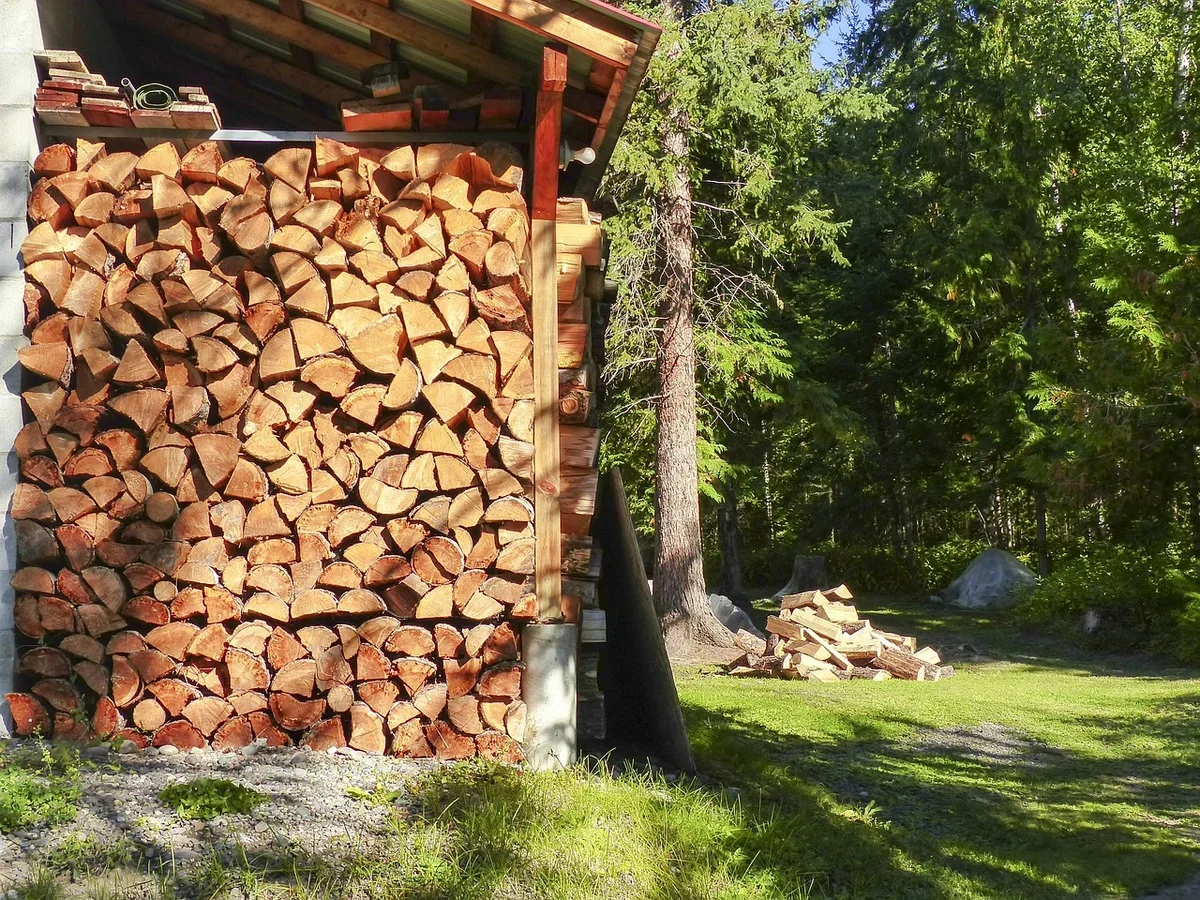
Is Aspen Good Firewood? BTU Rating, Creosote Risk, and Best Uses
Yes, aspen is good firewood for quick-starting, clean-burning fires, but it’s a poor choice for an all-night burn. At roughly 14 to 18 million BTUs per cord, aspen puts out about half the heat of dense hardwoods like oak or hickory, so it burns fast and needs frequent reloading. What it lacks in heat output it makes up for in chimney safety: aspen’s low resin content means it leaves behind far less creosote than resinous softwoods like pine or fir, which is a genuine, well-documented factor in preventing chimney fires.
That combination makes aspen a favorite for kindling, shoulder-season fires, and campfires rather than the wood you’d stack up for a cold January night. Below, we’ll walk through the real BTU numbers, why the low-creosote reputation actually matters for your chimney, how long aspen needs to season before it’s ready to burn, and where it fits compared to oak and pine.
Is Aspen Good Firewood? The Short Answer
Aspen is a soft, fast-growing hardwood common in the Rocky Mountain region and across the northern U.S. and Canada. It’s light, splits easily along a straight grain, and dries faster than most firewood species. The tradeoff is density: because aspen is one of the lighter hardwoods by weight, a cord of it simply holds less stored energy than a cord of oak or hickory cut from the same size logs. That’s the core tradeoff to understand before you decide how much aspen to stack for the season.
Before you burn any aspen, it’s worth checking that it’s actually dry enough. Green or under-seasoned wood of any species burns hotter on the outside but smolders inside, and that incomplete combustion is what drives up smoke and creosote – a cheap moisture meter takes the guesswork out of it.
Best Moisture Meter For Firewood
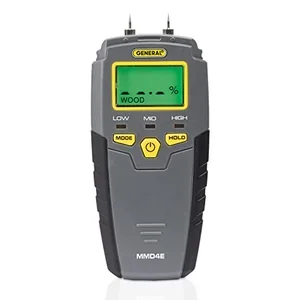 |
General Tools MMD4E Moisture Meter – $39.98 Confirms your aspen has actually seasoned down to a safe burning range before it goes in the stove.
|
Aspen’s Real BTU Rating (And How It Compares)
Published BTU figures for aspen vary a bit by source, largely because “a cord” isn’t a perfectly standardized unit of solid wood and moisture assumptions differ, but most references put quaking aspen in the range of roughly 14.7 to 18.2 million BTUs per full cord. That’s meaningfully lower than the hardwoods most people picture when they think of “good firewood”:
| Wood Species | Approx. BTU per Cord | Burn Character |
|---|---|---|
| Aspen | ~14.7-18.2 million | Fast, hot start, short-lived coals |
| Pine / fir | ~15-20 million | Fast, resinous, more creosote |
| Red/White Oak | ~22-27 million | Slow, long-lasting coals |
| Hickory | ~27-29 million | Slow, very hot, dense coal bed |
In practical terms, that means a fire built entirely on aspen will need to be fed roughly twice as often as one built on oak to hold the same heat output overnight. Aspen also doesn’t build the same dense coal bed that dense hardwoods do, so it’s not the wood to bank a fire on for an 8-hour overnight burn. It’s the wood you reach for to get a fire going fast, then supplement with something denser once the fire is established.
Why Aspen Burns Clean: The Low-Creosote Advantage
Aspen’s biggest real advantage isn’t heat, it’s how little residue it leaves behind. Compared to resinous softwoods like pine, spruce, and fir, aspen has very little natural sap or resin in its wood fibers. Resin is what condenses into creosote as smoke travels up a cooler flue, and creosote buildup is a genuine, well-documented cause of chimney fires – the National Fire Protection Association and most chimney-sweep guidance both point to inadequate cleaning of creosote-lined flues as a leading contributor to residential chimney fires.
Burning aspen instead of pine or wet/unseasoned wood won’t eliminate creosote entirely – no wood does that, and combustion byproducts always leave some residue – but it meaningfully reduces the rate of buildup, which is exactly why aspen shows up so often in “easy on your chimney” firewood recommendations. If you’re also concerned about indoor air quality and incomplete combustion from any wood-burning appliance, it’s worth reading up on whether burning wood produces carbon monoxide – proper seasoning and adequate airflow matter for that risk just as much as they do for creosote.
None of this replaces an annual chimney inspection and sweep. Aspen just makes that maintenance easier by not accelerating the buildup the way a steady diet of green pine would.
How Long Does Aspen Need to Season?
Because aspen is a low-density wood with an open grain structure, it dries faster than most hardwoods – typically 6 months to a year of proper seasoning, split and stacked off the ground with good airflow and top cover, compared to 12-24 months for a dense hardwood like oak. The general target for any firewood, aspen included, is a moisture content at or below about 20% before you burn it; most commercial and hobbyist firewood guidance uses that 20% threshold as the point where wood lights easily and burns efficiently rather than hissing and smoking.
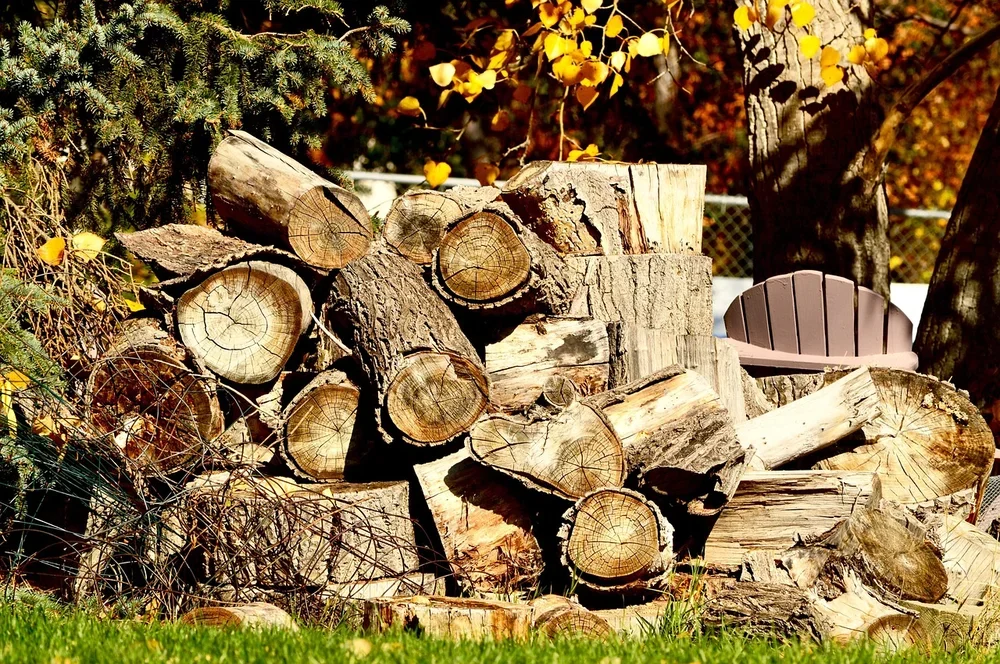
The only way to actually know where your stack stands is to test it – bark color and how long the wood has been sitting are rough guides at best. A pin-type moisture meter (like the one above) reads the actual moisture percentage when you press the probes into a freshly split face, which is the only reliable way to confirm aspen is ready before it goes in the stove. Burning wood above that 20% mark is the single biggest cause of excess smoke and creosote for any species, aspen included, so this is one of the cheapest, highest-payoff checks you can do before a burn.
Aspen vs. Oak vs. Pine for Firewood
It helps to see aspen next to the two woods people most often compare it to. Oak represents the “long, hot, overnight burn” end of the spectrum; pine represents another fast-burning, low-density option but with the opposite creosote profile.
| Aspen | Oak | Pine | |
|---|---|---|---|
| Heat output | Low-moderate | High | Low-moderate |
| Creosote risk | Low | Low | High (resinous) |
| Seasoning time | 6-12 months | 12-24 months | 6-12 months |
| Ease of splitting | Very easy | Moderate-hard | Easy |
| Best use | Kindling, shoulder season | Overnight, sustained heat | Kindling, camp fires |
The takeaway most experienced burners land on: aspen and oak aren’t really competing for the same job. A mixed woodpile with aspen for quick starts and shoulder-season evenings, and a denser hardwood for the coldest nights, gets you the best of both without over-relying on resinous softwood for anything beyond kindling.
Best Uses for Aspen Firewood
Given its real strengths and limits, aspen earns its keep in a few specific roles rather than as an all-purpose firewood:
- Kindling and fire-starting: Its low density and straight grain mean it catches fast and burns hot enough to get denser splits going.
- Shoulder-season fires: On mild fall or spring evenings when you don’t need an overnight burn, aspen’s lower heat output is actually a feature, not a bug.
- Campfires: Low spark and smoke output make it a comfortable wood to sit around, and it’s often the most locally available species in aspen-heavy regions like the Rockies.
- Mixed-species stacking: Blended with oak, ash, or hickory, aspen extends a fire’s early flame while the denser wood builds a longer-lasting coal bed.
Where it falls short is any situation demanding sustained output: overnight burns in a wood stove meant to hold heat until morning, or heating as a primary source through a genuinely cold winter. For those jobs, oak, hickory, or ash will outperform aspen cord for cord.
Pros and Cons of Aspen Firewood
| Pros | Cons |
|---|---|
| Low creosote buildup, easier on chimneys | Roughly half the BTU output of oak or hickory |
| Seasons quickly (6-12 months) | Burns fast, needs frequent reloading |
| Splits easily, straight grain | Doesn’t hold coals for overnight heat |
| Widely available and inexpensive in aspen regions | Softer wood, more prone to insect activity if stored wet |
Frequently Asked Questions
Does aspen firewood produce a lot of creosote?
No – aspen has low natural resin content, so it produces comparatively little creosote next to resinous softwoods like pine or fir. It isn’t creosote-free, and burning it unseasoned will still raise creosote levels, but properly dried aspen is one of the cleaner-burning common firewood species.
Can I burn aspen in my fireplace or wood stove?
Yes. Aspen is a common, safe choice for fireplaces and wood stoves as long as it’s been seasoned to roughly 20% moisture content or below. It burns clean with minimal sparking, though it produces less heat than denser hardwoods, so it’s better suited to quick or shoulder-season fires than overnight heating.
Is aspen or pine better for firewood?
Aspen is generally the better choice for chimney health, since pine’s higher resin content creates more creosote. Pine can burn at a similar or slightly higher heat output, but the added creosote risk from its resin usually outweighs that advantage for regular fireplace or wood-stove use.
How long should aspen firewood season before burning?
Plan on 6 to 12 months, split and stacked off the ground with airflow on all sides and covered on top. A moisture meter reading of 20% or lower on a freshly split face is the actual signal it’s ready, rather than relying on time alone.
Conclusion
Aspen is good firewood for what it’s actually suited to: fast starts, clean-burning shoulder-season fires, campfires, and a low-creosote supplement in a mixed woodpile. It’s not a substitute for a dense hardwood if you’re heating through a real winter or want a fire that holds overnight. Season it properly, check it with a moisture meter before you burn it, and use it for the jobs it’s genuinely good at, and aspen earns a permanent spot in most woodpiles.
Sponsored / affiliate links. As an Amazon Associate I earn from qualifying purchases. I may earn additional commission from eligible campaigns.