Can You Burn MDF? No – Toxic Fumes & Chimney Fire Risk
MDF should never go in a fireplace, wood stove, or open fire. The urea-formaldehyde resin that binds its wood fibers releases formaldehyde gas and other toxic byproducts as it burns, and the EPA explicitly excludes it from safe wood-stove fuel. Leftover resin can also build up in a chimney flue and cause a fire. This guide covers what burning MDF actually releases, the health and legal risks, and safer disposal options.
Quick Answer
No. Burning MDF releases formaldehyde, carbon monoxide, and other resin byproducts, and the EPA’s wood-burning guidance excludes MDF, plywood, and particleboard from safe fuel. It also leaves powdery ash and resin residue that can clog a stove flue and increase chimney-fire risk. Recycle, donate, or take MDF scraps to a household waste facility instead.
The Composition of MDF
Best MDF Dust & Fume Respirator Pick
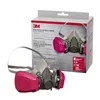
3M OV/P100 Odor/Particulate Respirator – $33.22
Combines a P100 particulate filter with organic-vapor cartridges, which matters for MDF work since fine fiber dust and resin off-gassing are two separate hazards – the plain dust mask this guide warns against catches neither.
- Best for: cutting and sanding MDF where both dust and resin odor are a concern
- Why we picked it: reputable brand, NIOSH-rated P100 filtration plus odor protection in one mask
- Main drawback: bulkier than a disposable dust mask, needs periodic cartridge replacement
Compare more MDF-safe respirator options
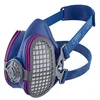 Option 1 GVS Elipse P100 Half Mask – $42.40
|
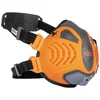 Option 2 Klein Tools 60552 P100 – $33.98
|
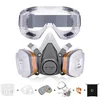 Option 3 AirGearPro G-500 – $39.99
|
As an Amazon Associate we earn from qualifying purchases.
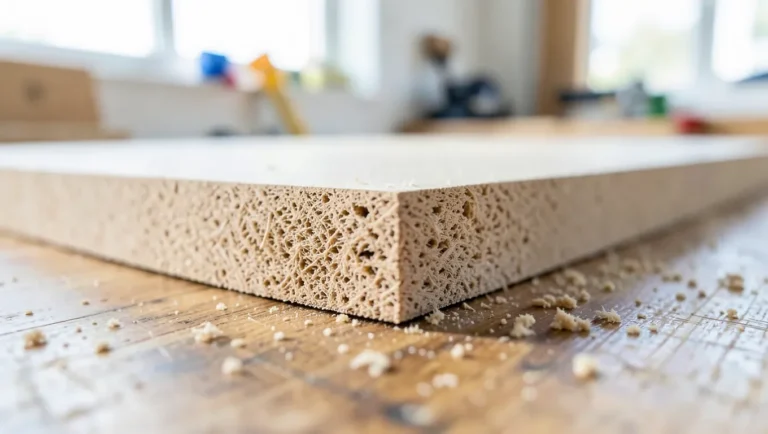
Medium-density fiberboard (MDF) is a popular material in woodworking and cabinetry because it is affordable, smooth, and consistent. It is made by breaking wood down into fine fibers, then compressing those fibers with resin under high heat and pressure. What that resin is made of is the entire reason burning MDF is a different (and worse) proposition than burning solid wood.
Materials In MDF
MDF is made from wood fibers sourced from both hardwood and softwood, ground fine and blended into a uniform mat. Those fibers alone have no structural strength – the resin binder is what turns loose fiber into a rigid panel.
Why Resins And Glues Matter
Manufacturers apply urea-formaldehyde (UF) resin at roughly 8-14% of the panel by weight, applied through spray or blow-line injection before hot-pressing. UF resin is the dominant binder used in MDF production worldwide because it cures fast and stays colorless in the bond line. When MDF burns, that resin thermally decomposes and releases formaldehyde gas along with carbon monoxide and other volatile organic compounds – not the clean wood-smoke you get from a seasoned log. The glue components release toxic fumes at combustion temperatures well below what it takes to fully burn the wood fiber itself.
📊 The EPA caps formaldehyde emissions from an intact MDF panel at 0.11 ppm under the TSCA Title VI composite wood rule (40 CFR 770) – but that standard governs the board sitting in your home, not what’s released when you burn it. Combustion breaks the resin down and releases formaldehyde at concentrations far above that regulated limit. Source: U.S. EPA, Formaldehyde Emission Standards for Composite Wood Products.
Health Risks Of Burning MDF
Burning MDF is a genuine health hazard, not just an inconvenience. The resin and binding chemicals decompose under heat and release gases that are harmful in both the short and long term, whether you burn it indoors in a stove or outdoors in a pile.
Toxic Gases Released
When MDF burns, thermal decomposition of the resin and wood fiber releases formaldehyde, carbon monoxide, and volatile organic compounds such as benzene and toluene. Incomplete combustion – common in a closed stove or an open pile – also produces hydrogen cyanide and polycyclic aromatic hydrocarbons (PAHs), the same class of pollutants found in wood smoke but at higher concentrations because of the synthetic binder.
Impact On Human Health
Short-term exposure irritates the eyes, nose, and throat, and can trigger coughing, wheezing, or shortness of breath. For comparison, OSHA sets the workplace exposure limit for formaldehyde at 0.75 ppm averaged over an 8-hour shift (1910.1048) – smoke from burning MDF in an enclosed space can push concentrations well past that in minutes.
Long-term exposure carries more serious risk. The International Agency for Research on Cancer classifies formaldehyde as a Group 1 human carcinogen, with sufficient evidence linking it to nasopharyngeal cancer and myeloid leukemia. That classification is about ordinary indoor exposure to formaldehyde vapor – the concentrated smoke from burning MDF is a much larger, more acute dose delivered straight to your airway.
“Never burn ocean driftwood, plywood, particle board, or any wood with glue on or in it – along with coated, painted, and pressure-treated wood. Burn only dry, split, well-seasoned wood.”
Can You Burn MDF In A Fireplace, Wood Stove, Or Log Burner?
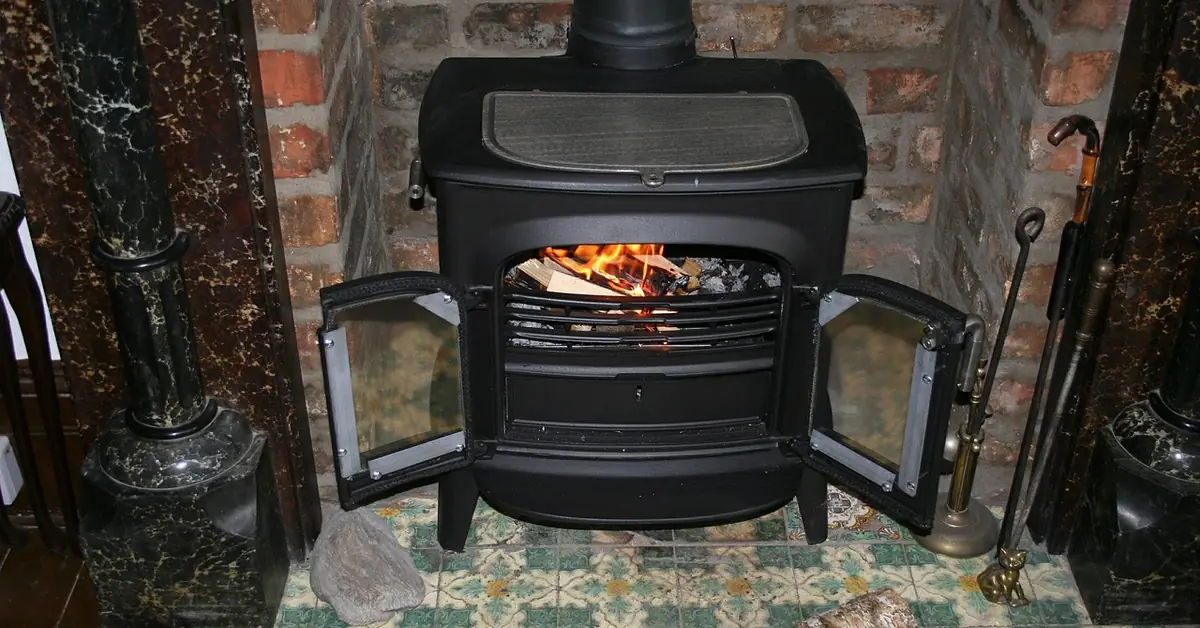
No. This is the most common way people accidentally burn MDF – using offcuts as kindling or fuel in a wood stove or log burner – and it is one of the worst places to do it. A closed stove concentrates the smoke you and your household breathe far more than an open fire, and the same resin that releases formaldehyde also leaves behind a fine, powdery ash and sticky residue that ordinary firewood does not produce.
Can Burning MDF Cause A Chimney Fire?
Yes, it can contribute to one. MDF’s resin does not fully combust the way seasoned wood does – it leaves behind fine ash and tar-like residue that sticks to the inside of a flue instead of clearing out with the draft. Chimney sweeps commonly flag this as a reason not to burn manufactured boards on a stove: the buildup narrows the flue over time and, if enough of it accumulates, it can ignite on its own. Combined with the carbon monoxide risk from incomplete combustion, this is why manufactured and treated wood products are treated the same way as MDF in fire-safety guidance – none of them belong in a stove or fireplace.
The CPSC recommends a carbon monoxide alarm outside every sleeping area and an annual professional inspection of chimneys and flues on any fuel-burning appliance – a good baseline safety measure regardless of what you burn, but especially relevant if MDF, plywood, or other manufactured board has ever gone through your stove.
Environmental Impact
Beyond the immediate health risk, burning MDF releases pollutants that affect air quality and the environment more broadly – whether it happens in a backyard pile or an industrial setting.
Air Quality Concerns
Burning MDF releases formaldehyde, carbon monoxide, and volatile organic compounds into the air. These pollutants cause respiratory problems and headaches for anyone exposed to the smoke, human or animal. Some MDF is also treated with fire retardants that can release additional toxic fumes when burned, which is another reason to keep it out of fireplaces, stoves, and outdoor fires.
Long-Term Environmental Effects
The chemicals released when MDF burns can also contribute to acid rain and smog at scale, and the combustion itself adds to greenhouse gas emissions. None of this is unique to MDF among manufactured boards, but it is a real reason commercial wood-fired plants generally cannot get permitted to burn it.
Legal And Safety Regulations
Because of the toxic gases it releases, burning MDF is restricted or discouraged in most places, and treating it casually as scrap-wood kindling can put you on the wrong side of local burning ordinances as well as basic safety practice.
Burning Restrictions
- Avoid burning MDF outright: the EPA’s Burn Wise guidance lists it alongside plywood, particleboard, and any wood with glue on or in it as material that should never go in a wood-burning appliance.
- Local restrictions vary: many jurisdictions separately restrict open burning of manufactured wood products because of air-quality rules, independent of the EPA’s stove guidance – check your local waste authority before burning any scrap wood outdoors.
Workplace Safety Standards
- Proper ventilation: ensure adequate airflow any time you are cutting, sanding, or working near MDF to keep dust and any resin off-gassing from concentrating.
- Protective gear: use a properly rated respirator and safety glasses when cutting or sanding MDF to avoid inhaling fine dust particles.
Alternatives To Burning MDF
If burning is off the table, there are still several practical ways to deal with MDF scraps and offcuts that do not involve toxic smoke.
Recycling And Disposal
Many recycling facilities accept MDF and process it into new engineered-wood products, which conserves resources and avoids the emissions from burning entirely. Some waste management companies also offer dedicated MDF disposal – check with your local household waste recycling center, since small quantities can often go in general waste while larger amounts need a dedicated drop-off.
Creative Reuse Ideas
Repurposing MDF offcuts for smaller DIY projects, shop jigs, or shelving is a practical way to get more use out of the material before it becomes waste. You can also paint and refinish MDF to extend the life of furniture or cabinet pieces instead of scrapping them.
Precautions When Handling MDF
Even without burning it, working with MDF calls for basic precautions – the fine dust it produces during cutting and sanding carries its own health considerations, separate from the combustion risks above.
Safe Storage Practices
Store MDF in a dry, well-ventilated area to prevent moisture buildup, which can cause swelling and mold growth. Keep it away from direct sunlight and extreme temperature swings to preserve its structural integrity until you use it.
Protective Gear Recommendations
When cutting or sanding MDF, wear a properly rated respirator mask (not just a paper dust mask) to keep fine fiber and resin dust out of your lungs, plus safety goggles to protect your eyes from flying debris. A shop vacuum or dust collector at the cut point also cuts down significantly on airborne dust.
Frequently Asked Questions
Is Burning MDF Toxic?
Yes. Burning MDF releases formaldehyde and other toxic gases from its resin binder, along with carbon monoxide and volatile organic compounds. Avoid burning MDF in any form, indoors or outdoors.
Is MDF Good For Kindling?
No. Using MDF offcuts as kindling is not recommended – small pieces catch fire fast, but the resin still releases the same toxic gases as burning a full sheet, just in an initial burst near your face when you light the stove.
Why Can MDF Not Be Burned?
MDF’s urea-formaldehyde resin decomposes under heat and releases formaldehyde gas, which the EPA regulates in the finished product and the EPA’s Burn Wise guidance separately excludes from safe wood-stove fuel. It is not safe to burn in a stove, fireplace, or open fire.
Can You Burn MDF Briquettes?
No. Compressed MDF waste briquettes still contain the same glues and resins as solid MDF sheets, so burning them releases the same toxic gases. This applies to MDF, chipboard, and any treated or painted wood – recycle or repurpose them instead.
Can You Burn MDF Outside In A Bonfire Or Fire Pit?
No, and in many areas it is also against local open-burning rules. Burning MDF outdoors still releases formaldehyde and VOCs into the air, and without a stove’s controlled draft the smoke concentrates near ground level right where people are standing.
Is It Illegal To Burn MDF?
It depends on where you live and how you burn it. The EPA’s federal guidance advises against burning MDF in any wood-burning appliance, and many local jurisdictions separately restrict or ban open burning of manufactured wood products under air-quality ordinances – check your local waste authority before burning any scrap wood.
Conclusion
Burning MDF is not safe, in a stove, a fireplace, or a bonfire. Its resin releases formaldehyde and other toxic gases well above safe exposure limits, and the residue it leaves behind adds a real chimney-fire risk on top of the health concerns. Recycle it, repurpose the offcuts, or take it to a household waste facility – and if you are already cutting or sanding MDF for a project, wear a properly rated respirator and keep the area ventilated.
Sponsored / affiliate links. As an Amazon Associate I earn from qualifying purchases. I may earn additional commission from eligible campaigns.