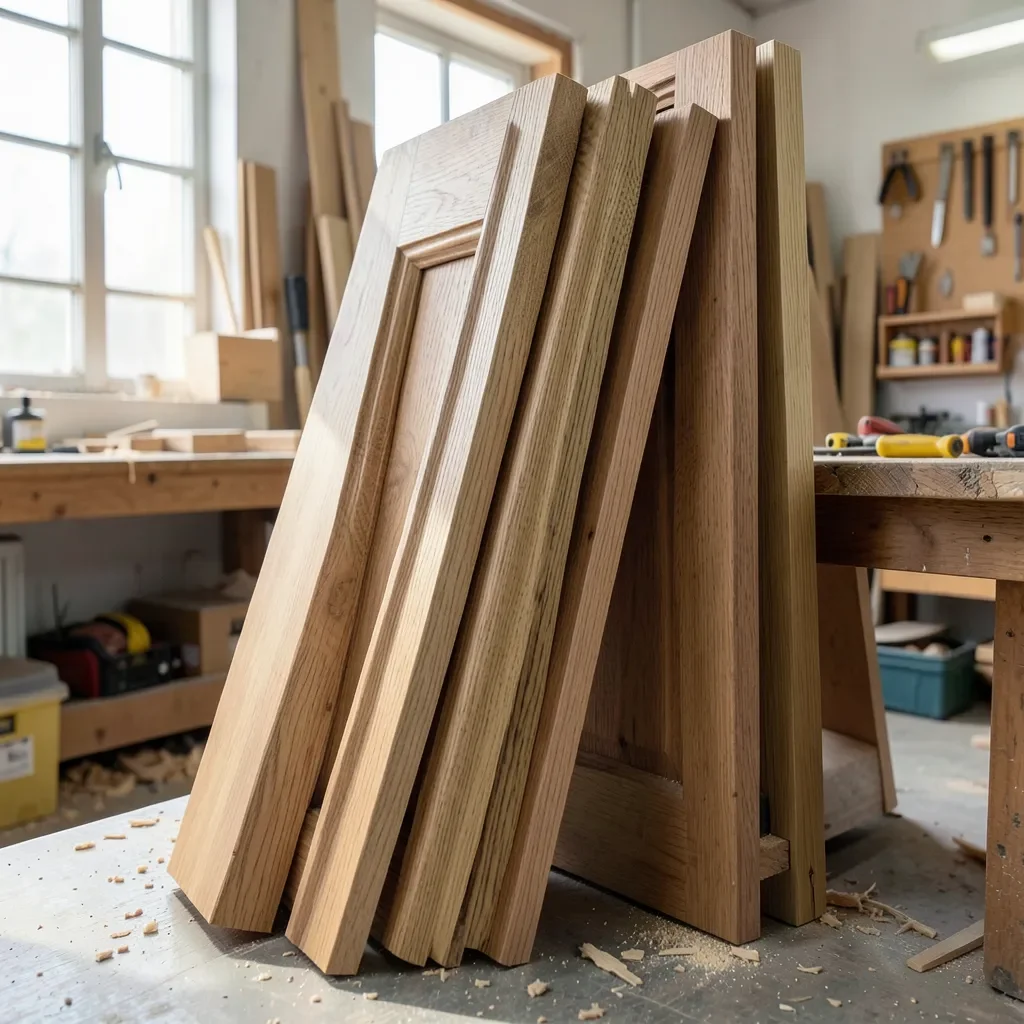
Best Wood for Door Casing: Pine, Poplar, MDF, or Oak?
Poplar and primed finger-joint pine make the best painted door casing; oak or maple give a stained, natural-grain look — but MDF, at just $3.25 to $4.75 per linear foot, swells near a bathroom or exterior door. Pick wrong and get bowed casing, paint that never seals over knots, or trim that jams against the doorstop within a year. This guide compares five real options by cost, moisture resistance, and finish grade, plus the primer that keeps painted trim clean.
Quick Answer
For painted trim, use poplar or primed finger-joint pine — both take paint cleanly and run $6.50 to $9.00 per linear foot. For a stained, natural-grain look, use oak or maple ($10 to $14 per foot). Skip MDF near bathrooms, entries, or anywhere exposed to moisture — it swells and the edges crumble.
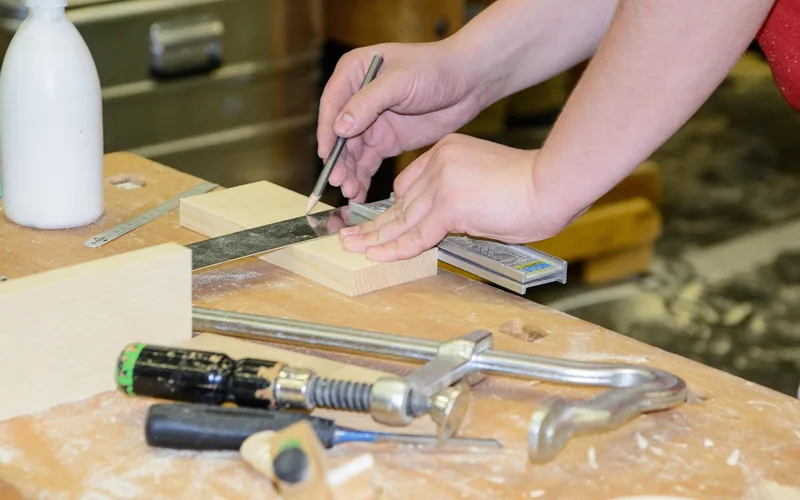
Door Casing Wood Options Compared
Best Door Casing Material Pick
UFP-Edge WM356 Prefinished Finger-Jointed Door Casing Set
A 2.25 in. x 7 ft. white prefinished finger-jointed pine set (two 84 in. legs + one 36 in. header) sized for a standard 3 ft. interior door opening.
- Best for: Painted interior doors where you want zero knot-sealing work
- Why we picked it: Pre-primed, joints already hidden — matches this guide’s top paint-grade recommendation
- Main drawback: Fixed 7 ft. lengths mean extra cuts on taller openings
Compare more door casing material options
 Option 1 Poplar Colonial Casing, 3-1/2in. Unfinished
|
 Option 2 Americraft Primed Finger-Joint Pine Casing
|
 Option 3 Zinsser B-I-N Shellac-Base Primer
|
As an Amazon Associate we earn from qualifying purchases.
Five materials cover nearly every door casing project. The right one depends on whether the trim will be painted or stained, and whether it sits anywhere near moisture — a bathroom door, an exterior entry, or a mudroom.
| Wood | Finish Grade | Cost / Linear Ft (material) | Moisture Resistance |
|---|---|---|---|
| Solid Pine | Paint-grade | $6.50 – $9.00 | Low — warps/swells if damp |
| Poplar | Paint-grade | $6.50 – $9.00 | Moderate — more stable than pine |
| Primed Finger-Joint Pine | Paint-grade | $6.50 – $9.00 | Low — same as solid pine once cut |
| MDF | Paint-grade only | $3.25 – $4.75 | Very low — swells permanently |
| Oak / Maple (hardwood) | Stain-grade | $10.00 – $14.00 | High — dimensionally stable |
📊 Installed door casing (material + labor) runs $7.92–$12.14 per linear foot as of May 2026 — Source: Homewyse Cost to Install Door Casing, 2026.
What Wood Is Best for Painted Door Casing?
Poplar and primed finger-joint pine are the two most common choices for painted door casing, and for good reason. Poplar is technically a hardwood but machines like a softwood — it holds crisp edges on built-up profiles and resists dents better than solid pine in high-traffic hallways. Primed finger-joint pine is made from short pine pieces joined end to end, which eliminates knots and keeps the stock straighter than solid pine for less money; the factory primer coat already hides the joints, so a normal top coat of paint finishes the job.
Solid pine is the cheapest paint-grade option but has a real drawback: resin in the knots can bleed through ordinary latex primer months after painting, leaving yellow-brown stains. If you’re set on solid pine, seal every knot with a shellac-based primer first. For a deeper look at how different species compare beyond casing — grain, hardness, and workability — see our types of wood guide.
What Wood Is Best for Stained Door Casing?
Oak and maple are the standard choices when you want the door casing stained rather than painted. Oak carries a pronounced, open grain that takes stain unevenly if you skip a pre-stain conditioner, but the result is a classic, traditional look. Maple has a tighter, smoother grain that stains more evenly with less blotching, though it’s harder on blades and requires sharp carbide bits. Between the two oak species, white oak has a closed-pore structure and higher tannin content that resists rot better than red oak — worth knowing if the casing sits near an exterior door threshold. For guidance on matching stain type to species, see our wood finishing guide.
Is MDF a Good Choice for Door Casing?
MDF is the cheapest paint-grade option and has zero visible grain or joints, which many trim carpenters like for crown molding. For door casing specifically it’s a weaker choice: the edges and corners are softer than poplar or finger-joint pine and dent or chip more easily at the exact spots — door strikes and miters — that take the most abuse. It also swells permanently if it absorbs moisture, so keep it out of bathrooms, mudrooms, and any exterior-facing opening. If the budget calls for MDF, reserve it for casing in dry, low-traffic interior rooms and compare it against solid options in our MDF vs. birch plywood comparison.
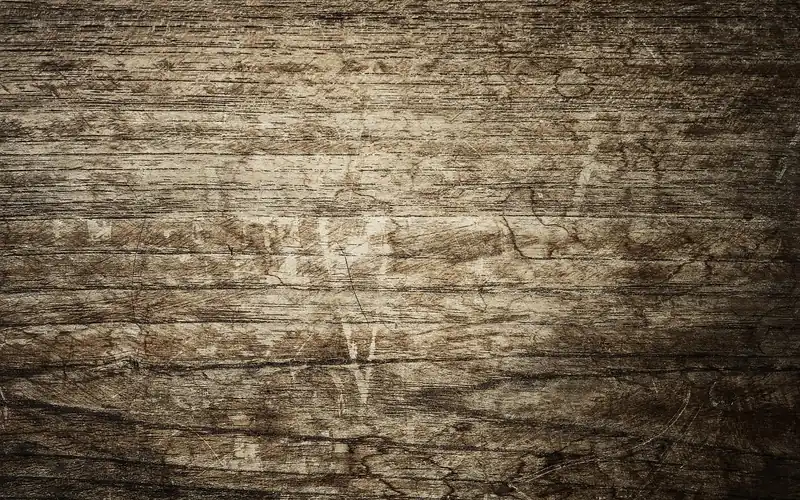
Tools You Need to Install Door Casing
Beyond the wood itself, two tools make the biggest difference in a clean install: a trim reveal tool or combination square for marking a consistent 1/4 in. or 3/16 in. reveal along the jamb, and a corner clamp for holding mitered corners square while you nail them. Cutting the miters accurately matters as much as the material choice — see our guide to cutting angles with a miter saw for the setup. If you’re pricing out a full room of casing, our wood project cost calculator guide walks through estimating total board footage.
Common Mistakes to Avoid When Choosing Door Casing Wood
- Skipping shellac primer on pine knots — ordinary latex primer lets resin bleed through within months; a shellac-based primer blocks it permanently.
- Installing MDF near any moisture source — a single soaked edge swells and never returns to its original shape, even after drying.
- Ignoring the reveal line — an inconsistent gap between casing and jamb is the first thing a trained eye notices, regardless of wood quality.
- Mixing paint-grade and stain-grade species in the same sightline — poplar and oak expand and contract at different rates, which can telegraph through paint over multiple seasons.
“In our shop, primed finger-joint pine is the default for any door casing that’s getting painted — it skips a full knot-sealing pass compared to raw pine, and the finger joints disappear completely once primer and one topcoat go on.”
Frequently Asked Questions
What is the best wood for painted door casing?
Poplar and primed finger-joint pine are the best choices for painted door casing. Both take paint evenly, and finger-joint pine comes pre-primed with the joints already hidden, so it needs no extra knot-sealing before you paint.
What is the best wood for stained door casing?
Oak and maple are the best woods for stained door casing. Oak has a pronounced open grain for a traditional look; maple has a tighter grain that stains more evenly with less blotching.
Is MDF good for door casing?
MDF works for painted door casing in dry, low-traffic interior rooms, but it’s a weaker choice than poplar or finger-joint pine because its edges dent more easily and it swells permanently if it ever gets wet. Avoid it near bathrooms or exterior doors.
Can you mix different wood species for door casing in the same house?
Yes, as long as the visual finish stays consistent from room to room — for example, MDF or poplar for painted baseboards throughout, with oak or maple reserved for stained doors in specific rooms.
How do you stop pine knots from bleeding through paint on door casing?
Seal every knot with a shellac-based primer, such as Zinsser B-I-N, before applying your regular latex primer and topcoat. Shellac blocks the resin permanently; standard latex primer alone will not.
What wood is best for door casing in a bathroom or other moisture-prone area?
Oak, especially white oak, holds up best in moisture-prone areas because of its closed-pore structure and dimensional stability. Avoid MDF and solid pine in these locations, since both swell or warp when exposed to humidity.
For most homeowners, the decision comes down to two questions: paint or stain, and is the location dry? Painted trim in a dry room means poplar or primed finger-joint pine; painted trim on a budget in a bone-dry room can stretch to MDF; any stained casing, or casing anywhere near moisture, means oak or maple. Match the wood to those two answers and the casing will still look right in ten years.
Sponsored / affiliate links. As an Amazon Associate I earn from qualifying purchases. I may earn additional commission from eligible campaigns.