Can You Install a Wood Burning Stove Without a Chimney: Expert Guide
Imagine the warmth and charm of a wood-burning stove crackling in your living room. It’s a cozy scene, but there’s one problem: your home doesn’t have a chimney.
You might be wondering if it’s even possible to install a wood-burning stove without one. The good news? It is possible, and you’re about to discover how. This guide will unravel the secrets to bringing the rustic allure of a wood-burning stove into your chimney-less home.
Get ready to explore the practical solutions and innovative technologies that make it happen. Keep reading to find out how you can transform your space and enjoy the comforting glow of a wood fire without a traditional chimney.
Benefits Of Wood Burning Stoves
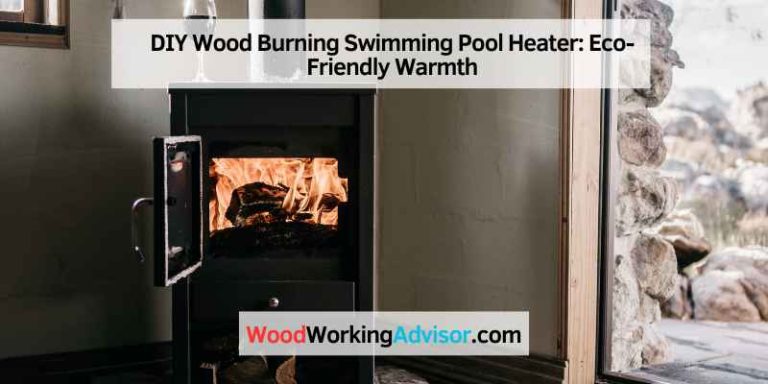
Wood burning stoves offer great energy efficiency. They use less fuel than open fires. This means you save energy. The heat stays inside the room. This keeps it warm for longer.
Using wood stoves can lead to cost savings. Wood is often cheaper than gas or electric. You can cut down on heating bills. This saves money over time.
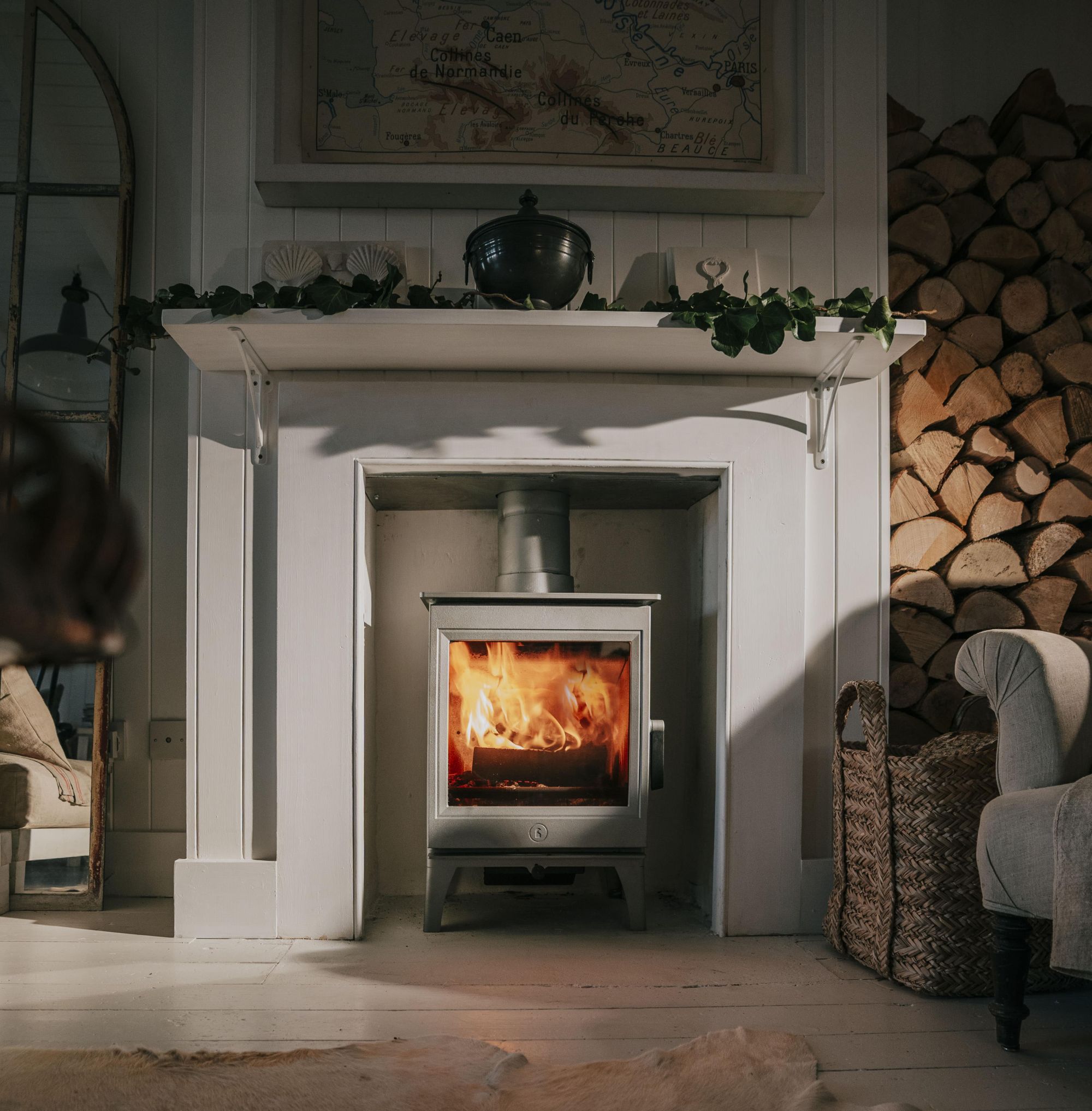
Wood stoves add aesthetic appealto any home. They create a cozy atmosphere. Their designs are often charming. They become a focal point in the room.
Credit: blog.gr8fires.co.uk
Challenges Of Installing Without A Chimney
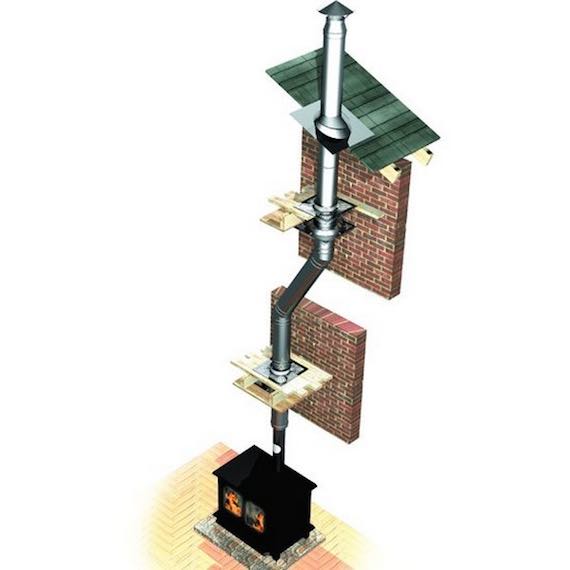
Ventilation is very important for safety. A wood stove needs fresh air. Without it, smoke and gases can build up inside. This can be dangerous. Proper vents help remove smoke. They also bring in fresh air. A special pipe can be used instead of a chimney. It must be set up correctly.
Every place has rules for building. These rules keep us safe. Installing a stove without a chimney might need special permission. It’s important to check local laws. Some places have strict rules. A professional can help understand these rules.
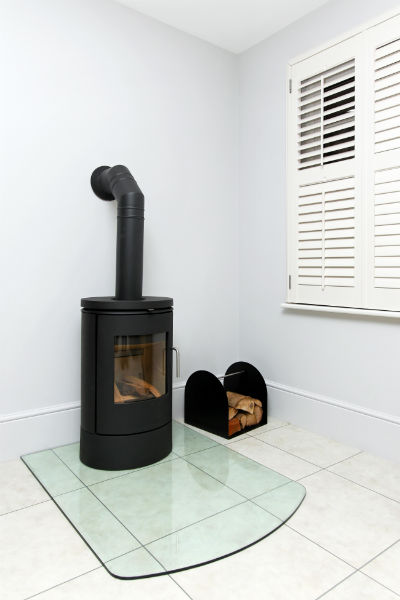
A wood stove takes up space. It can’t be too close to walls or furniture. Enough space around the stove is needed. This prevents accidents. A professional can help decide the best place. The area must be safe and open.
Alternative Venting Solutions
Direct vent systems are great for homes without chimneys. They use a special pipe. This pipe goes through an outside wall. Fresh air comes in through one part. Smoke and gases go out through another. It’s safe and easy.
Power venting uses an electric fan. This fan helps push smoke outside. It can be used in small spaces. No chimney needed. Installation must be done by a professional. It’s safe and efficient.
Pellet stoves burn tiny wood pellets. They are clean and efficient. You don’t need a chimney. Vent through a small pipe instead. Perfect for modern homes. Easy to use and maintain.

Credit: www.directstoves.com
Installation Process
Before installing a wood stove, assess the site. Check space for stove and safety. Ensure walls and floors are safe. Look for ventilationoptions. Consider room layout. These steps help in safe installation.
Choose a stove that fits your space. Small rooms need smaller stoves. Large rooms need bigger ones. Consider stove efficiency. Efficient stoves burn less wood. They produce more heat. Check local building codes. Some stoves may not be allowed.
Hire a professional for installation. They have the right tools. They know safety rules. Ensure proper ventingis done. This prevents smoke issues. A professional installer checks all angles. This ensures the stove works well.
Safety Considerations
Wood stoves can get very hot. Keep flammable items far away. Install a heat shield to protect walls and floors. Choose a safe spot for the stove. Make sure it’s stable and secure. Place a fire extinguisher nearby for emergencies. Teach kids about the stove’s dangers. Supervise them when the stove is in use.
Carbon monoxide is a silent danger. Install a carbon monoxide detector in the room. Check it regularly to ensure it’s working. Test the alarm every month. Replace batteries when needed. Vent the stove properly to prevent gas buildup. Keep the room ventilated at all times.
Clean the stove regularly to keep it safe. Remove ash and soot often. Check the vents for blockages. Inspect the stove for any damage. Fix issues before using the stove again. Hire a professional for an annual check-up. This ensures the stove is in good condition.
Cost Implications
Installing a wood stove without a chimney needs an initial investment. This includes the stove cost and the venting system. Prices for stoves vary. Some are cheap, others expensive. Venting systems can add to the cost. Professional installation is often needed. This ensures safety. Professionals charge for their work. Their fees must be part of the budget.
Wood stoves can save money over time. Wood is cheaper than gas or electricity. This reduces heating bills. Stoves are also efficient. They heat spaces well. Less fuel is needed compared to other methods. This means more savings. The stove pays for itself over years.
Some costs are not obvious at first. Maintenance is important for safety. This can cost money. Chimney sweeps clean the venting system. Repairs might be needed. Parts can wear out. Replacement parts may be costly. Insurance may rise due to the stove. These costs should be considered.
Expert Advice
Installing a wood stove without a chimney can be tricky. Professionals know the rules and safety tips. They help you find the best place for the stove. Experts check if your home needs a special pipe. This pipe removes smoke safely. They can save you from making costly mistakes.
Ignoring safety rules can be risky. Never place the stove near flammable items. Avoid using the wrong pipes. Poor installation can cause smoke problems. Skipping professional help might lead to errors. These mistakes can cost you more later.
Following laws is important. Local rules need special permits. Safety codes keep your home safe. Check if your stove meets the required standards. Regular inspections help avoid problems. Compliance ensures peace of mind.
Credit: www.oldsmokeys.com
Frequently Asked Questions
Can A Wood Stove Work Without A Chimney?
Yes, you can install a wood-burning stove without a traditional chimney. You will need to use a twin-wall flue system. This system safely vents smoke and gases outside your home. It’s designed to pass through ceilings, walls, or roofs.
What Is A Twin-wall Flue System?
A twin-wall flue system consists of two insulated pipes. It allows safe venting of smoke from a wood stove. The outer pipe provides thermal insulation, preventing heat from escaping. This setup ensures efficient and safe operation without a traditional chimney.
Is It Safe To Use A Wood Stove Without A Chimney?
Yes, it’s safe with a proper installation. Use a twin-wall flue system for safe venting. Ensure professional installation to meet safety standards. Regular maintenance and inspections are crucial for continued safety and efficiency.
Do I Need Permission To Install A Wood Stove?
Yes, you might need permission depending on local regulations. Always check with your local authorities before installation. Professional installation ensures compliance with safety standards and regulations. This helps avoid potential fines or issues later.
Conclusion
Installing a wood burning stove without a chimney is possible. Modern technology offers innovative solutions. Ventless gas stoves work efficiently. They provide warmth and ambiance. Consider legal regulations and safety measures. Professional installation ensures safety and compliance. Check local codes before starting.
Choose the right stove for your needs. Proper ventilation is crucial. Enjoy the cozy warmth in any space. A great option for homes without chimneys. Transform your living area into a cozy retreat. Explore the benefits of alternative heating solutions.
Warmth, style, and comfort await. Make informed choices for a safe installation.