Can You Mix Charcoal Pellets and Wood Pellets? (Best Ratio)
Charcoal pellets and wood pellets mix safely in most charcoal grills and smokers, starting at a 1:3 charcoal-to-wood ratio, about 1 cup of pellets per pound of charcoal. Using wood-stove heating pellets instead of food-grade smoker pellets can clog an auger or void a pellet grill warranty. This guide covers the safe mixing method, what actually separates charcoal pellets from wood pellets, and which flavors pair best.
What’s the Difference Between Charcoal Pellets and Wood Pellets?
Best Wood Pellets for Mixing
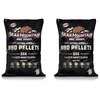
Bear Mountain Oak Wood Pellets, 40 lb Bag
100% hardwood pellets with no fillers or oils — a clean, mild base for mixing into a charcoal fire.
- Best for: Everyday charcoal-and-wood blending in a grill or smoker
- Why we picked it: No fillers or oils, so it burns clean when mixed into a charcoal base
- Main drawback: Oak is a milder flavor — go with hickory or mesquite for bolder smoke
Compare more charcoal-mixing fuel options
 Option 1 Bear Mountain Apple Wood Pellets, 40 lb
|
 Option 2 Big Green Egg Charcoal Starters, 24 Cubes
|
 Option 3 Meeco’s Red Devil SureStart Squares, 144-Pack
|
As an Amazon Associate we earn from qualifying purchases.
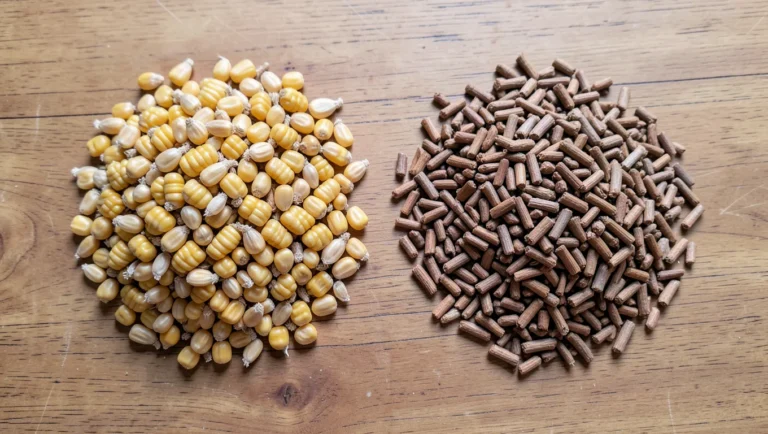
Wood pellets are 100% compressed hardwood sawdust with no fillers, made specifically for pellet grills and smokers where flavor is the goal. Charcoal pellets are a different product entirely — most brands, including Traeger’s own charcoal-pellet line, blend oak hardwood with actual charcoal rather than shipping pure carbonized charcoal. That blend is why “charcoal pellets” burn hotter and produce more ash than straight wood pellets, closer to what you’d get from lump charcoal.
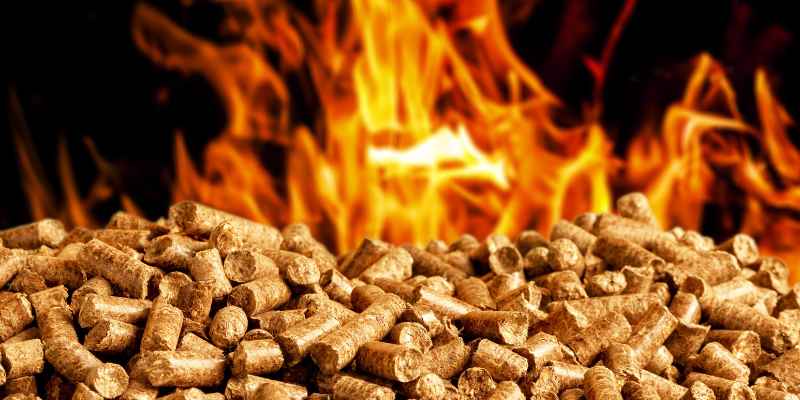
Practically, this means you’re rarely mixing “charcoal pellets” with “wood pellets” in the literal sense — you’re mixing lump charcoal or briquettes with wood pellets, since true charcoal pellets are a niche pellet-grill-specific product. Both fuels fall under the same broader category of wood-burning fuel solutions, and the combination works the same either way: charcoal supplies steady heat, wood pellets supply smoke flavor.
How to Mix Charcoal and Wood Pellets (Ratio + Method)
Start with a 1:3 charcoal-to-wood pellet ratio by volume — about 1 cup of wood pellets for every pound of charcoal — then adjust to taste on your next cook.
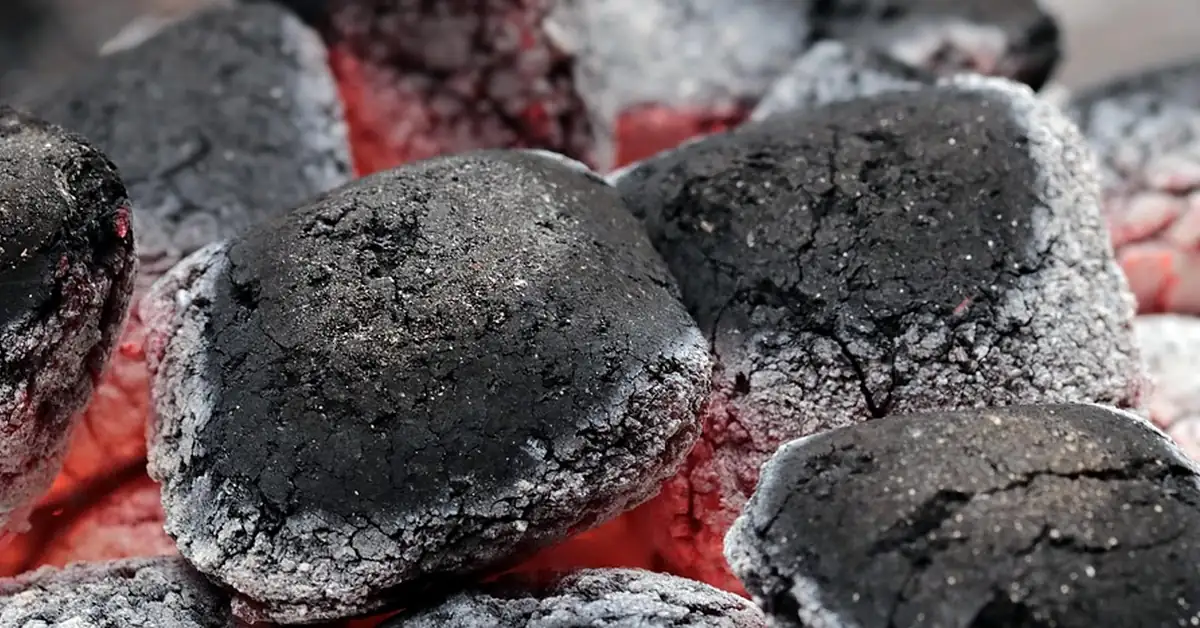
- Light the charcoal first: Use a chimney starter and wait until the coals are covered in gray-white ash before adding anything else.
- Measure the ratio: Use roughly 1 cup of wood pellets per pound of lit charcoal (about a 1:3 ratio by volume) as your starting point.
- Scatter, don’t dump: Spread the pellets across the hot coals instead of piling them in one spot, so they ignite evenly instead of smothering the fire.
- Keep vents half open: Leave the grill or smoker vents at least half open for the first 10–15 minutes so the pellets combust cleanly instead of smoldering.
- Adjust next time: More wood pellets means stronger smoke flavor; fewer means a cleaner, more charcoal-forward taste. Dial in the ratio over 2–3 cooks.
Best Wood Pellet Flavors to Pair With Charcoal
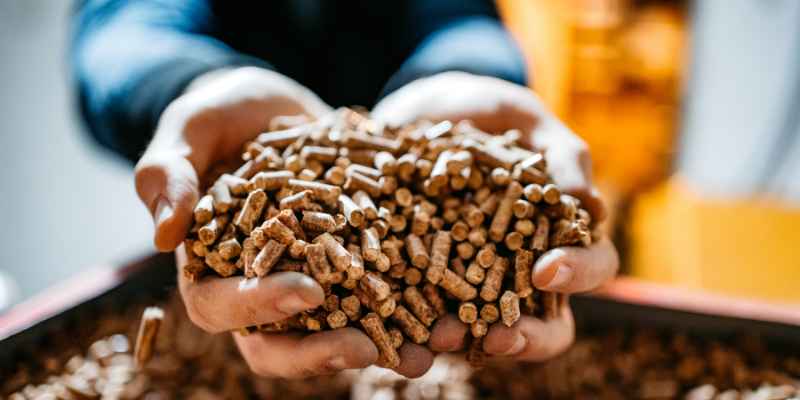
Hickory and mesquite give the boldest, most traditional barbecue smoke and hold up well against charcoal’s heat. Apple and cherry burn milder and sweeter, which works best on pork and poultry where you don’t want the smoke to overpower the meat. If you’re smoking for hours, see our guide on using wood pellets in a smoker for flavor pairings by protein.
Buying in bulk saves money if you grill often — check how many bags come in a pallet of wood pellets before ordering a season’s supply.
Charcoal Pellets vs. Wood Pellets
| Attribute | Charcoal Pellets | Wood Pellets | Best For |
|---|---|---|---|
| Material | Oak hardwood blended with charcoal | 100% compressed hardwood sawdust | |
| Heat output | Burns hotter, closer to lump charcoal | Burns cooler, smoke-focused | Searing vs. slow smoking |
| Ash produced | More ash than pure wood pellets | Low ash, easy cleanup | |
| Typical use | High-heat grilling, searing | Low-and-slow smoking, flavor |
Will Mixing Pellets Void Your Pellet Grill’s Warranty?
Food-grade wood pellets from any brand are safe to use in a pellet grill without voiding the warranty. The risk is home heating pellets — the kind sold for wood-stove furnaces — which often contain binders, adjuncts, or biomass fillers that aren’t rated for food-grade pellet grills. According to Traeger’s own pellet support documentation, using wood-stove heating pellets — as opposed to any brand of food-grade wood pellets — is what actually voids the warranty, since those pellets can jam the auger or damage the hopper.
This only applies to pellet-grill hoppers with an auger feed system. Mixing charcoal and wood pellets directly on a charcoal grate (no auger involved) doesn’t carry this risk — just don’t run heating-grade pellets through a pellet grill’s hopper.
“Any brand of food-quality wood pellets can be used in a Traeger pellet grill without voiding the warranty — but home heating pellets have adjuncts and binders that cause performance and reliability problems not covered under warranty.”
Common Mistakes When Mixing Charcoal and Wood Pellets
- Dumping pellets on cold charcoal: Pellets need real heat to ignite cleanly — add them only after the charcoal is already ashed over.
- Using heating pellets instead of food-grade pellets: Wood-stove pellets can contain binders that clog an auger and void a pellet-grill warranty.
- Overloading the ratio: Too many wood pellets relative to charcoal smothers the fire and produces bitter, acrid smoke instead of clean flavor.
- Closing the vents too soon: Fresh pellets need airflow to combust fully — closing vents early traps unburned smoke that tastes sour.
FAQ: Mixing Charcoal and Wood Pellets
Can you mix wood and charcoal pellets?
Yes. Charcoal supplies steady heat while wood pellets add smoke flavor. Start at a 1:3 charcoal-to-wood ratio and scatter the pellets over already-hot coals so they ignite evenly instead of smothering the fire.
Do charcoal pellets burn hotter than wood pellets?
Yes. Because most charcoal pellets are a charcoal-and-oak blend rather than pure wood, they burn hotter and produce more ash than 100% wood pellets, which are better suited to lower, longer smoking.
What ratio of charcoal to wood pellets should I use?
Start with about 1 cup of wood pellets per pound of lit charcoal, roughly a 1:3 ratio by volume. Add more wood pellets on your next cook for stronger smoke, or fewer if the flavor turns bitter.
Will using wood-stove pellets void my pellet grill’s warranty?
Yes, in a pellet-grill hopper. Any food-grade wood pellet brand is fine, but heating pellets made for wood-stove furnaces contain binders and adjuncts that can jam the auger and are excluded from warranty coverage.
Can you use wood pellets in a charcoal grill?
Yes. Scatter wood pellets directly over hot, ashed-over charcoal instead of using a pellet-grill hopper. This works in any charcoal grill or offset smoker without needing an auger-fed system.
Conclusion
Mixing charcoal and wood pellets is a simple, safe way to get steady heat and real smoke flavor from a charcoal grill. Start at a 1:3 charcoal-to-wood ratio, scatter pellets over already-hot coals, and stick to food-grade wood pellets if you ever run them through a pellet grill’s hopper instead of a charcoal grate.
Sponsored / affiliate links. As an Amazon Associate I earn from qualifying purchases. I may earn additional commission from eligible campaigns.