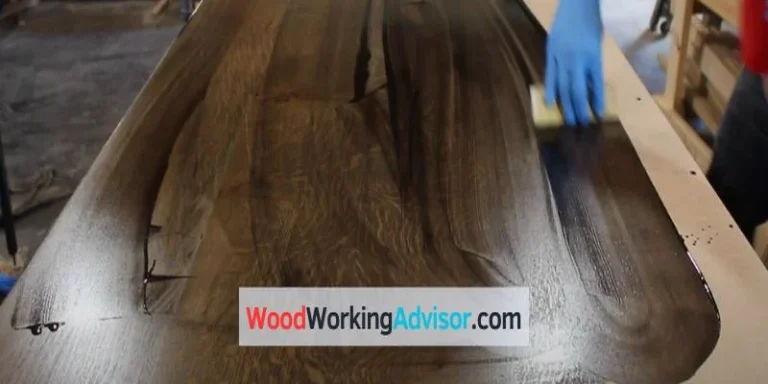
Can You Powder Coat Wood? Yes, But Only Below 250F
Powder coating works on wood only with specialized low-temperature powders cured below 250°F — standard powder coating ovens run 320–400°F and will scorch, warp, or ignite solid lumber. Skipping that distinction is why DIY attempts fail or start smoking. This guide covers which wood types actually take a powder-coat finish (MDF, HDF, and a handful of hardwoods), why standard equipment is dangerous, and the low-cure and UV-cure systems professional shops use instead.
This post contains affiliate links. As an Amazon Associate we earn from qualifying purchases.
Why Standard Powder Coating Is a Fire and Scorch Risk on Wood
Best Powder-Coat Prep Pick
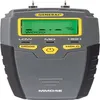
General Tools MMD4E Wood Moisture Meter – $37.70
The wood-type table above hinges on a 5–7% moisture window for hardwoods — this pin-type meter checks wood specifically, not just ambient humidity, so you know before you spend on primer or powder.
- Best for: confirming a panel is within the moisture range this guide calls out before coating
- Why we picked it: pin-type reading is wood-specific, not a general humidity guess
- Main drawback: pins leave small puncture marks — test an inconspicuous edge
Compare more powder-coating-prep options
 Option 1 ennoLogic Infrared Thermometer – $74.95
|
 Option 2 Varathane Spar Gloss Urethane – $26.98
|
 Option 3 Rustins MDF Grey Primer – $25.00
|
As an Amazon Associate we earn from qualifying purchases.
Standard thermosetting powder coating cures at 160–200°C (320–400°F), held for 10–20 minutes in a curing oven built for metal parts. Wood begins to scorch and off-gas well below that range, and prolonged exposure at the high end can char or ignite it outright. That single temperature gap — not skill, not equipment quality — is the entire reason wood can’t go through a standard powder coating line.
Wood adds two more problems on top of the heat. It’s porous, so it absorbs moisture that can cause the coated surface to blister or the panel itself to warp. And it doesn’t conduct electricity the way metal does, so the electrostatic spray gun that normally pulls powder evenly onto a grounded part has nothing to grip — wood needs a conductive pre-primer before powder will stick at all.
📊 UV-cured powder coating held MDF test panels at roughly 168°F during cure, while standard thermal-cure powder coating pushed the same panels to about 217°F and caused visible edge cracking. Source: Products Finishing, UV Powder on MDF
What Wood Types Can Actually Be Powder Coated?
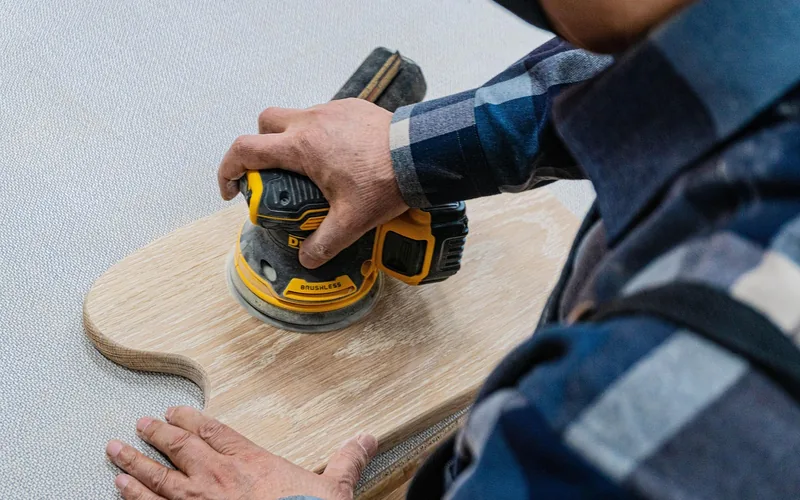
MDF and HDF are the substrates powder coaters actually use. Their dense, homogeneous, low-porosity surface holds up to a conductive pre-primer and a low-temperature cure far better than solid lumber. A handful of hardwoods — oak and ash most often — have also been powder coated successfully, but only within a narrow 5–7% moisture window; wetter stock blisters under heat, and bone-dry stock can scorch faster.
| Wood Substrate | Works With Powder Coating? | Why |
|---|---|---|
| MDF / HDF | Yes — standard use case | Dense, uniform, low porosity; handles low-cure heat well |
| Oak, ash (5–7% moisture) | Yes, with low-cure powder | Tight grain tolerates a controlled short cure cycle |
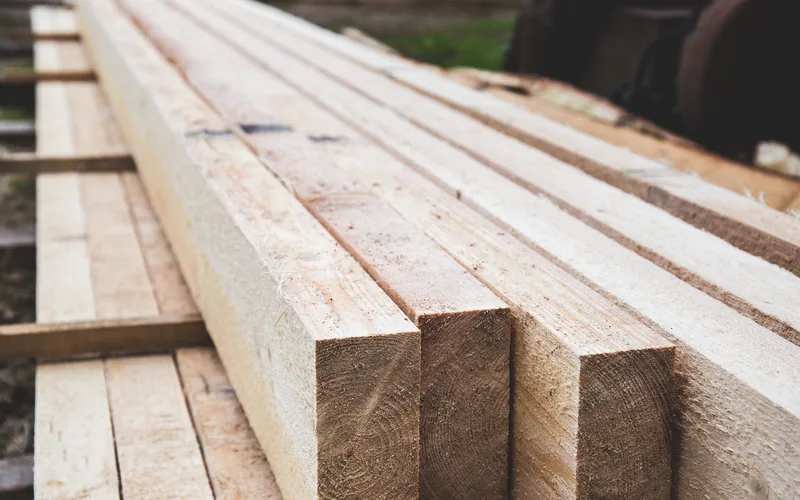
| Softwood lumber (pine, fir) | Not typically | More resin/moisture variance, higher scorch risk |
| Green or high-moisture wood | No | Trapped moisture blisters the coating and can warp the panel |
| Any wood in a standard metal-rated oven | No | 320–400°F cure will scorch, char, or ignite it |
How Low-Temperature and UV-Cure Powder Coating Works
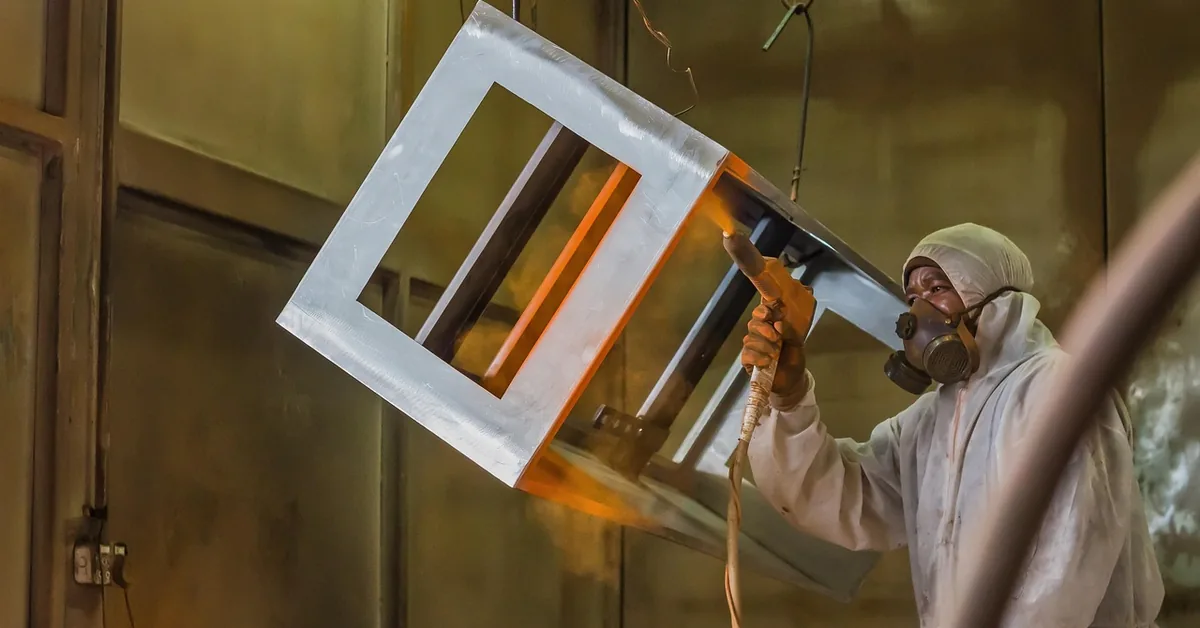
Facilities that powder coat wood use one of two adapted processes — both built to keep the substrate well under the 320–400°F range a metal-coating oven runs. Here’s the actual sequence:
- Prepare the substrate: Sand and clean the panel, then confirm moisture content is within 5–7% using a pin-type meter.
- Apply a conductive pre-primer: Coat the wood with a conductive primer so the electrostatic gun can charge the surface — wood doesn’t conduct electricity on its own.
- Spray the powder electrostatically: A grounded electrostatic gun charges the dry powder particles so they cling evenly to the primed surface.
- Cure below 250°F: Run the panel through a low-temperature thermal oven (120–150°C / 250–300°F for 15–30 minutes) or a UV-cure line (100–130°C melt phase, then seconds under UV lamps) — never a standard metal-rated oven.
- Inspect and topcoat: Check for even coverage and edge cracking, then apply a clear topcoat if the piece needs extra durability.
Does IKEA Powder Coat Wood?
Partly. IKEA powder coats metal hardware and MDF components — it worked with powder supplier Jotun to develop a powder coating line rated for its MDF products. Solid-wood surfaces on IKEA furniture, though, are typically finished with liquid acrylic-hybrid paint rather than powder coating, for the same substrate reasons covered above.
Powder Coating vs Other Wood Finishes
If your project doesn’t qualify — solid softwood, high moisture, or no access to a low-cure line — a liquid finish is still the practical choice for most home shops. See our full paint vs. powder coating comparison for a side-by-side on durability, cost, and DIY feasibility, or browse wood finish examples for alternatives that don’t require an oven at all. Porous or previously warped wood should be corrected and fully dry before any coating attempt, powder or liquid.
Common Mistakes That Cause Scorching or Adhesion Failure
- Using a standard metal-rated curing oven: 320–400°F will scorch or ignite wood in minutes — always confirm the oven or line is rated for low-cure or UV-cure wood coating.
- Skipping the moisture check: wood above 7% moisture blisters under heat; below 5% it scorches faster. Test before spending on primer or powder.
- Skipping the conductive pre-primer: without it, the electrostatic charge has nothing to grip and the powder won’t adhere evenly.
- Assuming any hardwood works: the successful cases are narrow — tight-grain species like oak and ash within a specific moisture window, not green lumber or resinous softwoods.
Frequently Asked Questions
Can you powder coat wood at home?
No. Standard powder coating requires curing ovens at 320–400°F and a grounded, electrically conductive substrate — conditions that scorch or ignite wood and that most home shops can’t safely control. The low-cure and UV-cure systems that work on MDF exist mainly in industrial finishing facilities.
Does IKEA powder coat wood?
IKEA powder coats metal hardware and MDF components, developed with powder supplier Jotun specifically for MDF. Solid-wood surfaces on IKEA furniture are typically finished with liquid acrylic-hybrid paint instead.
What temperature does powder coating wood require?
Standard thermosetting powder cures at 320–400°F for 10–20 minutes, which is too hot for wood. Low-cure powders formulated for MDF and select hardwoods cure at 250°F or below, and UV-cure systems keep the substrate under roughly 250°F for just 1–3 minutes.
What wood types can actually be powder coated?
MDF and HDF are the most common because their dense, low-porosity surface tolerates the electrostatic charge and low-cure heat. Select hardwoods like oak and ash have also been powder coated successfully at 5–7% moisture content; solid softwoods and green or high-moisture lumber generally fail.
Can wood cabinets be powder coated?
Yes, if the doors and panels are MDF or a similarly dense engineered wood run through a low-cure or UV-cure line — common in commercial cabinet manufacturing, though not a service most local shops offer for solid-wood cabinets.
Is powder coating wood a fire risk?
Yes, if standard equipment is used. Standard curing ovens run well above wood’s scorch point, and extended exposure at the high end of that range can char or ignite it — which is exactly why powder coaters use low-cure formulations and short, controlled cure cycles for wood.
Conclusion
Powder coating wood is real, but it only works within a narrow set of conditions: MDF, HDF, or select tight-grain hardwoods at 5–7% moisture, run through a low-cure or UV-cure line that keeps the substrate below roughly 250°F. Push solid lumber through a standard 320–400°F metal-rated oven and you’re looking at scorching, warping, or worse — not a finish upgrade. If your project doesn’t fit that narrow window, a liquid finish remains the safer, more accessible choice for a home shop.
Sponsored / affiliate links. As an Amazon Associate I earn from qualifying purchases. I may earn additional commission from eligible campaigns.