Can You Use Acrylic Paint On Wood
Yes, acrylic paint can be used on wood. Acrylic paint is versatile and bonds well with wood surfaces, providing a durable and vibrant finish.
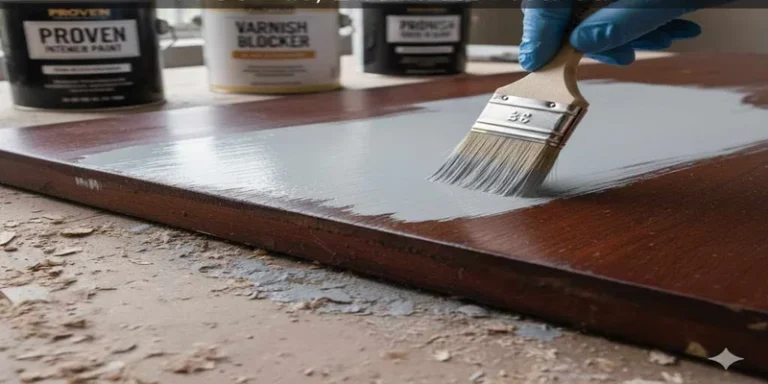
When applying acrylic paint to wood, it is important to properly prepare the surface by sanding it smooth and applying a primer to ensure proper adhesion. The paint should be applied in thin, even layers, allowing adequate drying time between coats.
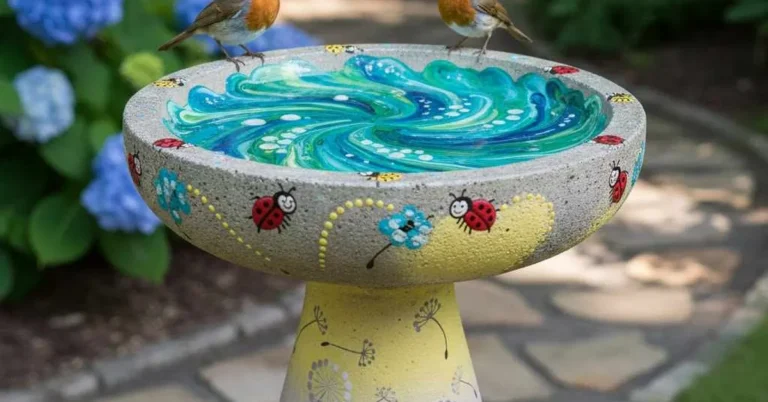
Once dry, the painted wood can be further protected and enhanced with a clear varnish or sealant. Whether used for crafts, furniture, or art projects, acrylic paint offers a wide range of color options and the ability to create beautiful and long-lasting results on wood surfaces.:
Using Acrylic Paint on Wood: A Guide for Beautiful and Durable Results
Acrylic paint is a popular choice for various artistic and craft projects, thanks to its versatility and vibrant colors. But can you use acrylic paint on wood? The short answer is yes! Acrylic paint can be successfully used on wood surfaces to achieve a durable and visually appealing finish. However, to ensure the best adhesion and longevity, it is crucial to properly prepare the wood and follow the correct application techniques. We will delve into the world of acrylic paint and wood, exploring the steps involved in using acrylic paint on wood and tips to achieve professional-looking results. Whether you’re a seasoned artist or a DIY enthusiast, this guide will provide you with the information you need to create stunning works of art or revamp your wooden furniture using acrylic paint.
What You’ll Need
- 120- and 220-grit sandpaper
- Tack cloth or a damp rag for dust removal
- Wood primer (stain-blocking primer for knotty or resinous wood)
- Acrylic craft or artist paint
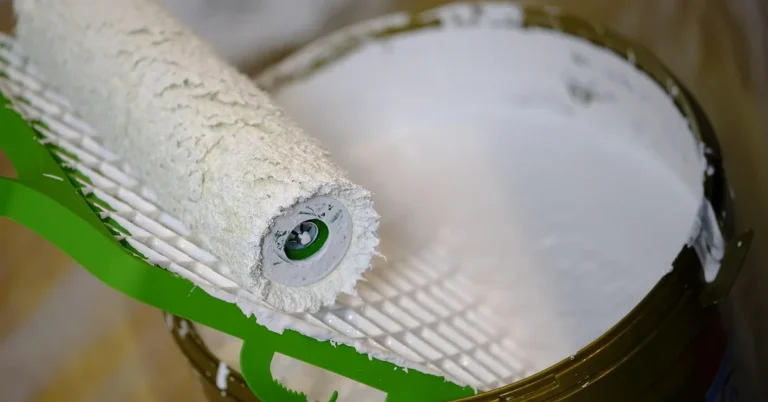
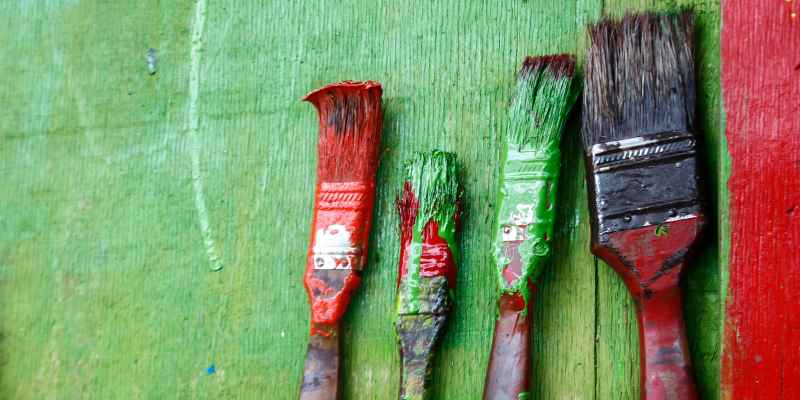
- Synthetic-bristle brushes or a foam roller
- Clear topcoat — polyurethane, polycrylic, or acrylic varnish
Step-by-Step: Painting Wood With Acrylic Paint
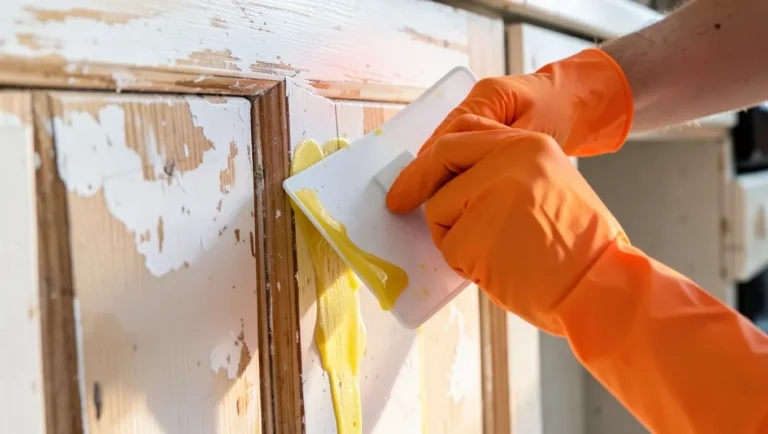
- Sand the surface. Start with 120-grit to knock down mill marks or old finish, then finish with 220-grit for a smooth base. Acrylic paint bonds to tooth, not to a glossy factory finish, so this step is not optional if you want the paint to last.
- Clean off all dust. Wipe with a tack cloth or a barely damp rag. Any leftover sanding dust will show up as texture under the paint.
- Prime the wood. A thin coat of primer blocks tannins and knots from bleeding through and gives acrylic paint a more uniform surface to grip. Skip this step only on wood you know is fully sealed already.
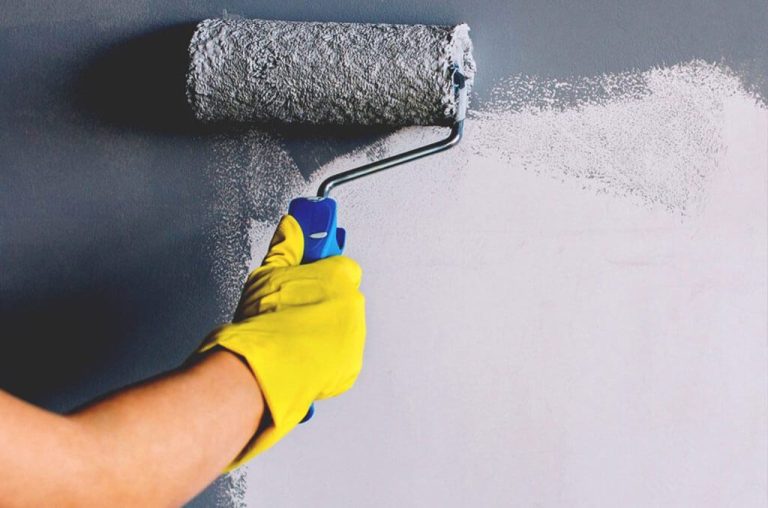
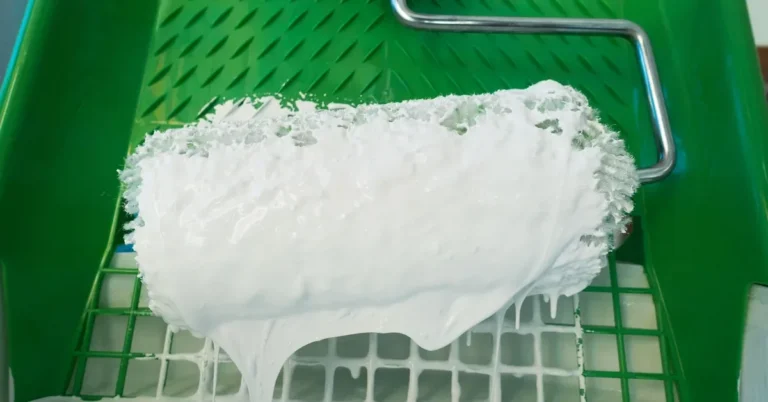
- Apply thin coats of acrylic paint. Two to three thin coats look better and last longer than one thick coat, which is prone to cracking as it dries. Let each coat dry for 20–30 minutes before recoating.
- Seal the finished piece. Once the final coat is fully cured (24 hours), apply a clear topcoat to protect the paint from scuffs, moisture, and UV fading, especially on furniture or anything handled often.
Acrylic Paint vs Other Paint Types for Wood
| Paint Type | Durability on Wood | Dry Time | Best For |
|---|---|---|---|
| Acrylic craft/artist paint | Good with a topcoat; fair alone | 20–30 min per coat | Crafts, decorative pieces, small furniture accents |
| Latex/wall paint | Moderate | 1–4 hours | Interior trim, doors, large surfaces |
| Oil-based enamel | Excellent | 6–24 hours | Cabinets, high-traffic furniture, exterior trim |
| Chalk-style paint | Fair, needs wax/topcoat | 30–60 min | Vintage/matte furniture finishes |
Acrylic paint dries the fastest of the group and has very little odor, which makes it the easiest option for indoor craft work, but it is also the least durable on its own — a sealed topcoat is what closes that gap for furniture and anything that will be touched or washed regularly.
Common Mistakes When Painting Wood With Acrylics
- Skipping primer on raw or resinous wood. Knots and tannins bleed through acrylic paint over time without a stain-blocking primer underneath.
- Applying paint too thick. Thick coats trap moisture as they dry and are more likely to crack or peel, especially outdoors.
- Not sealing pieces that get handled. Unsealed acrylic paint scuffs and chips easily on furniture, toys, or anything touched often — a clear topcoat is what makes the finish last for years instead of months.
- Painting outdoors without weatherproofing. Straight acrylic craft paint is not designed for sun and rain exposure; outdoor pieces need an exterior-rated topcoat or an outdoor-formulated paint instead.
Acrylic Paint on Different Wood Surfaces
How well acrylic paint performs also depends on what kind of wood surface you’re working with:
- Raw/unfinished wood. Absorbs paint readily but needs sanding and priming first, or the paint will soak in unevenly and raise the wood grain as it dries.
- Previously painted or varnished wood. Acrylic paint needs a scuff-sand (150–220 grit) to give it something to grip — painting straight over a glossy old finish is the single most common reason acrylic paint peels.
- Outdoor furniture and exterior wood. Standard craft acrylics are not weatherproof. Look for an exterior-rated acrylic paint or plan on a marine-grade or spar-urethane topcoat to survive rain and UV exposure.
- MDF and plywood. These take acrylic paint well once primed, but raw MDF edges are extremely absorbent and typically need two coats of primer just on the edges to avoid a blotchy result.
Drying Time vs Curing Time
A detail that trips up a lot of first-time painters: acrylic paint feeling “dry to the touch” is not the same as being fully cured. Surface drying happens in 20–30 minutes, which is safe for a recoat, but full cure — the point at which the paint reaches its maximum hardness and water resistance — takes closer to 7–14 days. Wait for full cure before subjecting a painted piece to heavy handling, stacking, or washing, and before applying a topcoat if you want the best adhesion between layers.
Conclusion
To sum up, using acrylic paint on wood is a versatile and cost-effective option for various projects. It provides vibrant colors, fast drying time, and durability. With proper surface preparation and sealing, you can achieve great results and long-lasting finishes.
Whether you’re a beginner or expert, acrylic paint on wood opens up a world of artistic possibilities. Explore your creativity and enjoy the endless potential!
Sponsored / affiliate links. As an Amazon Associate I earn from qualifying purchases. I may earn additional commission from eligible campaigns.