Dog Keeps Peeing in Same Spot on Wood Floor (Protect the Finish)
Dogs return to the same spot on a wood floor because dried urine leaves a scent trigger ordinary soap and vinegar cannot fully break down; only an enzymatic cleaner dissolves the uric acid crystals causing it. Left untreated, repeat accidents can etch through a polyurethane finish and reach the subfloor beneath. This guide covers why the habit forms, the correct cleanup method, training fixes, and how to protect the finish for good.
Quick Answer
To stop a dog from peeing in the same spot on a wood floor, clean it with an enzymatic cleaner instead of soap or vinegar, then block access to that spot for 48-72 hours. Change what the spot means to your dog by feeding or playing there instead, and rule out a urinary tract infection if the habit is new.
Why Dogs Keep Returning to the Same Spot on a Wood Floor
Best Enzymatic Cleaner Pick
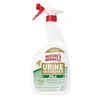
Nature’s Miracle Dog Urine Destroyer Plus, 32 oz
A dog-specific enzymatic formula built to digest uric acid crystals rather than just mask the odor on top of them.
- Best for: fresh accidents and repeat-marked spots on sealed wood floors
- Why we picked it: enzyme formula targets uric acid, unlike soap or vinegar alone
- Main drawback: needs a full soak-and-dwell time to work — a quick wipe won’t fully break the crystals down
Compare more enzymatic cleaner options
 Option 1 Simple Solution Hard Floor Stain & Odor Remover
|
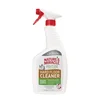 Option 2 Nature’s Miracle Hard Floor Cleaner, 24 oz
|
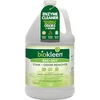 Option 3 Biokleen Bac-Out Enzyme Cleaner
|
As an Amazon Associate we earn from qualifying purchases.
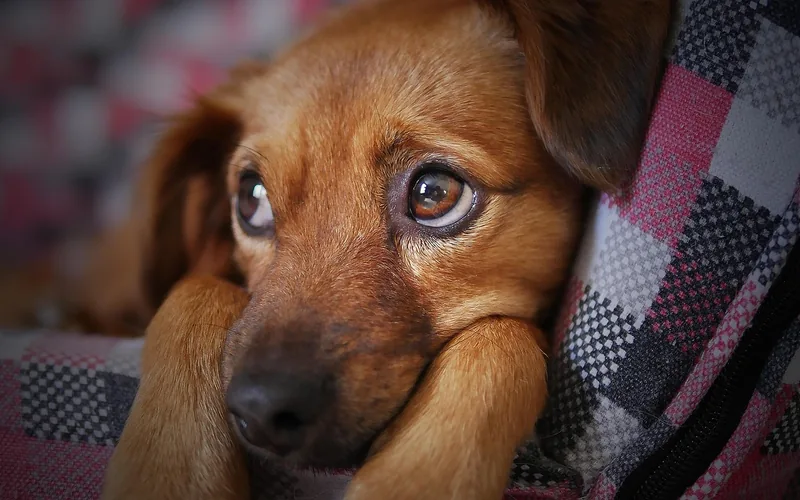
A dog that keeps peeing in the same spot on a wood floor is almost always responding to a scent it can still detect, even when the floor looks and smells clean to you. Figuring out whether the cause is medical or behavioral changes which fix actually works.
Medical vs. Behavioral Causes
Urinary tract infections and bladder stones can cause a dog to urinate more urgently and more often in one spot — if the behavior started suddenly in an otherwise house-trained adult dog, a vet visit should come before any floor-cleaning plan. According to VCA Hospitals, neutering reduces marking behavior in more than 80% of male dogs and eliminates it entirely in about 40%, so intact males with a new marking habit are also worth discussing with a vet.
Why the Smell Keeps Bringing Them Back
Dog urine contains uric acid salts that crystallize as they dry and stay chemically active in the wood grain long after the visible stain is gone. A dog’s nose can detect that residue at concentrations far below what a human notices, so a floor that looks and smells clean to you can still be broadcasting a “pee here” signal every time it gets slightly humid. Regular soap, detergent, or a straight vinegar wipe-down does not break those crystals down — only an enzymatic cleaner digests the uric acid itself rather than just masking the smell on top of it.
How to Clean a Fresh Accident the Right Way
Speed and product choice both matter. Follow these four steps as soon as you find a fresh accident on the wood floor:
- Blot, don’t rub: press a clean cloth or paper towels straight down onto the puddle to lift as much liquid as possible before it soaks into the finish. Rubbing spreads the urine into a wider area of the grain.
- Apply an enzymatic cleaner: soak the area according to the label — enzymes need contact time to digest the uric acid crystals, not just a quick spray-and-wipe.
- Let it dwell, then blot dry: most enzymatic cleaners need 10 to 15 minutes of dwell time on hard flooring; check the product label, since dwell times vary by brand and concentration.
- Block access for 48-72 hours: cover the spot with a mat, a piece of furniture, or a baby gate so the dog can’t remark it while any last trace of scent fades.
📊 Timing matters more than product strength. Flooring specialists consistently note that the sooner urine is blotted and treated, the lower the odds it reaches past the finish into the wood fiber and subfloor — once uric acid bonds with the wood’s natural tannins, the discoloration becomes very difficult to lift without sanding.
Plain vinegar and baking soda can neutralize fresh, light odor in a pinch, but neither breaks down uric acid crystals the way an enzyme does — see our guide on getting pet odor out of hardwood floors for the full comparison, and stick to a non-toxic wood floor cleaner so the finish isn’t damaged by the cleaning product itself.
How Repeat Accidents Damage a Wood Floor
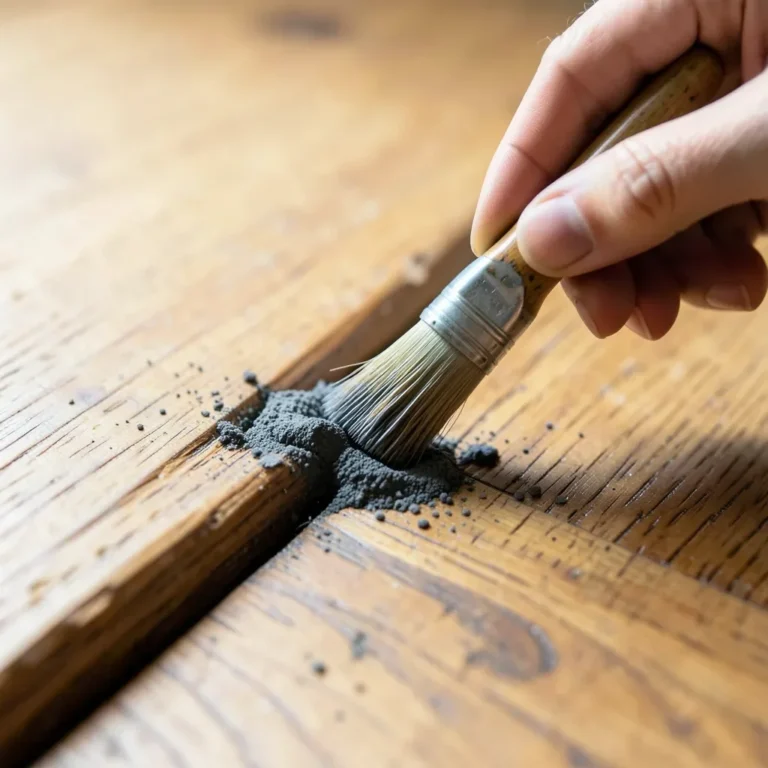
Most articles on this topic focus only on the dog’s behavior. But on a wood floor, letting a dog remark the same spot over and over is a floor-protection problem, not just a housetraining one. Uric acid is acidic enough to react with the natural tannins in wood, and repeated exposure gradually works its way through a finish that would otherwise shrug off a single accident. Once liquid reaches bare wood fiber through gaps between boards, it can cause the wood to swell, and repeated soaking is a known cause of cupping, buckling, or warping at the subfloor level — damage that surface cleaning cannot fix.
Which Floor Finishes Hold Up Best?
| Finish Type | Vulnerability to Repeat Accidents | What Happens |
|---|---|---|
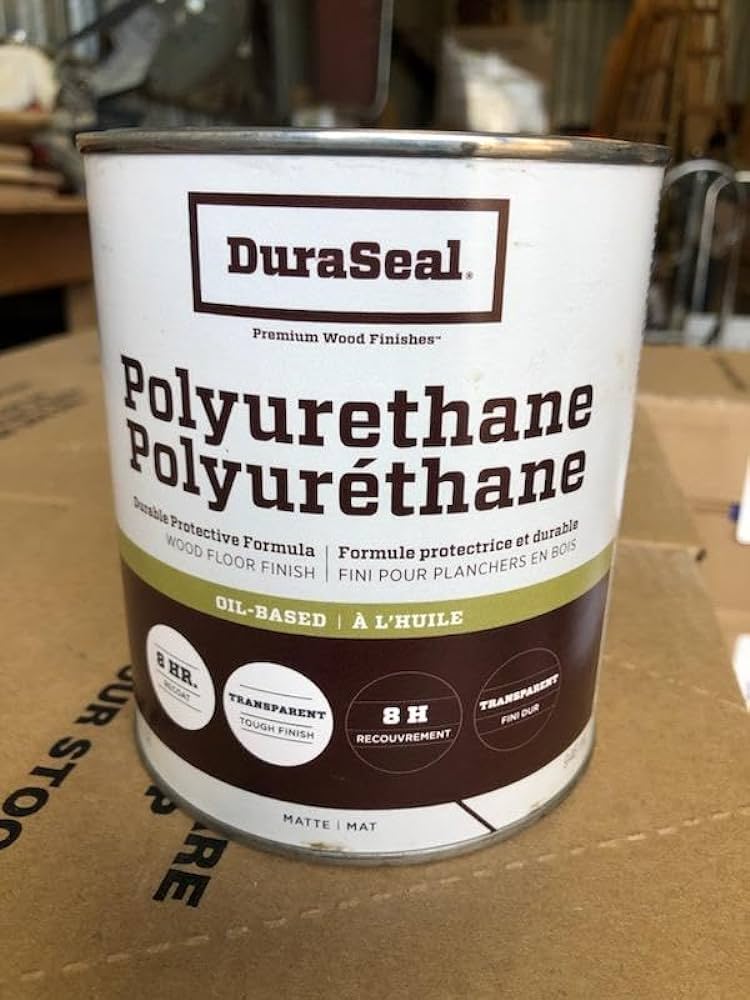
| Polyurethane (oil- or water-based) | Lower — most common on modern floors | Acid slowly etches the topcoat over repeated exposure; still needs prompt cleanup |
| Wax or oil-rubbed finish | Higher — common on older or restored floors | Urine soaks past the wax layer faster, so staining sets in sooner |
| Bare or unfinished wood | Highest | No protective layer at all; urine penetrates the fiber almost immediately |
“After 12+ years refinishing and repairing wood floors, the properties that hold up best after a pet accident are consistently the ones with a full polyurethane topcoat. Wax and oil finishes look beautiful, but they absorb odor and stain far faster — if you have a dog that’s still working through a marking habit, that’s worth knowing before you choose a finish.”
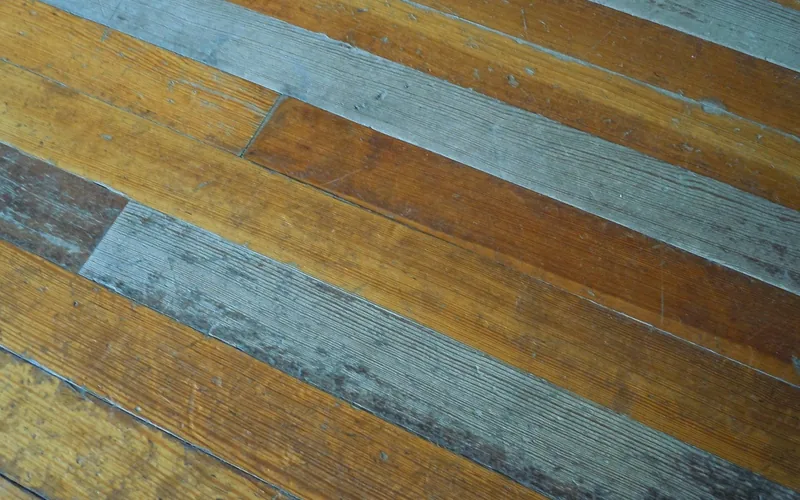
If a spot has already gone past a surface stain, see our proven fix for removing dog urine stains from hardwood floors and our broader guide to getting pee out of a wood floor for set-in cases hydrogen peroxide and sanding may be needed to fully resolve.
Training Techniques That Break the Habit
Cleaning removes the trigger; training changes the behavior. Both matter, since a perfectly clean floor won’t stop a dog that hasn’t learned a new pattern yet.
Reward the Right Spot, Not Just the Wrong One
Praise and treat your dog immediately after they relieve themselves outside or in the correct designated area — the reward needs to land within a few seconds of the behavior to actually connect in the dog’s mind. Scolding after the fact, once the accident is already done, does not reduce future accidents and can add anxiety that makes marking worse.
Put Bathroom Breaks on a Routine
Take your dog out at consistent times — after meals, after play, and right before bed — so they learn when and where elimination is expected rather than deciding on their own. A predictable schedule closes the window where a dog would otherwise default back to the familiar spot.
Long-Term Prevention
Once the immediate accident is cleaned and the training routine is underway, these longer-term changes stop the spot from being tempting in the first place.
- Change what the spot means: feed your dog, place their bed, or play with them directly on the previously soiled spot. Dogs are far less likely to mark a place they associate with eating or resting.
- Make it physically inaccessible: a piece of furniture, a rug, or a pet gate over the exact spot removes the option entirely while the scent fully fades.
- Consider a repellent as a backup, not a first step: bitter-apple sprays and pheromone products like Adaptil can help reduce the urge to remark a spot, but they work best after the area has already been treated with an enzymatic cleaner — a repellent sprayed over lingering urine odor is masking one scent with another, not solving the problem.
- Address stress and exercise needs: inadequate exercise, routine changes, and separation anxiety are common behavioral triggers. Consistent walks, mental stimulation, and a calm daily routine reduce the anxiety-driven marking that cleaning alone can’t fix.
For broader wood floor care beyond pet accidents — cleaning, refinishing, and repair — see our complete wood flooring guide.
When to Get Professional Help
If the habit continues despite consistent cleaning and training, it’s time to bring in outside expertise rather than keep repeating what hasn’t worked.
When to Consult a Vet
A sudden change in a previously house-trained dog’s behavior, especially if paired with frequent small urinations or visible discomfort, warrants a vet visit to rule out a urinary tract infection or bladder stones before assuming it’s purely behavioral.
When to Consult a Behavioral Specialist
Once medical causes are ruled out, a certified dog behaviorist can identify anxiety, territorial, or routine-related triggers specific to your household and build a correction plan tailored to your dog rather than a generic one.
Frequently Asked Questions
How do I stop my dog from peeing in the same spot on a wood floor?
Clean the spot with an enzymatic cleaner rather than soap or vinegar alone, since only enzymes break down the uric acid crystals that keep attracting your dog back. Block physical access to the spot for 48-72 hours, and change what the area means to your dog by feeding, resting, or playing there instead.
How do you get dog urine out of a wood floor once it’s already stained?
For a fresh stain, blot and treat with an enzymatic cleaner. For a set-in or dark stain, the uric acid has likely reacted with the wood’s tannins, and you may need a more targeted stain-removal process such as hydrogen peroxide treatment; deeply penetrated stains sometimes require sanding down past the affected wood.
Why does my dog keep peeing in the same spot even after I clean it?
If the smell isn’t fully gone at a dog’s sense of smell, they’ll keep marking over it. Standard soap, detergent, and DIY vinegar mixes don’t break down uric acid the way an enzymatic cleaner does, so a spot that looks and smells clean to a person can still be detectable to a dog.
Will dog urine permanently damage a hardwood floor?
It can, especially with repeat accidents in the same spot. Uric acid reacts with wood tannins to create dark staining, and finish erosion from repeated exposure eventually lets moisture reach bare wood fiber, which can lead to swelling, cupping, or warping at the board or subfloor level. Prompt cleanup of every accident significantly lowers that risk.
How long should I keep the spot blocked off after cleaning?
48 to 72 hours is a reasonable minimum, using a mat, rug, furniture, or a pet gate. This gives any last trace of odor time to fully dissipate so the dog doesn’t get a chance to remark the spot before the scent trigger is completely gone.
Conclusion
Stopping a dog from repeatedly peeing in the same spot on a wood floor takes both an enzymatic cleanup that actually removes the uric acid trigger and a training plan that changes the dog’s association with that spot. Treat it as a floor-protection issue too — the sooner accidents are cleaned, the less chance there is of permanent finish or subfloor damage. If the habit persists despite consistent effort, a vet or behavioral specialist can rule out causes a floor-cleaning routine alone can’t fix.
Sponsored / affiliate links. As an Amazon Associate I earn from qualifying purchases. I may earn additional commission from eligible campaigns.