Cedar Decking Vs Pressure Treated: Ultimate Showdown
When it comes to building the perfect deck for your home, you might find yourself facing a tough decision: Cedar decking or pressure treated wood? The choice you make can transform your outdoor space, impacting not just its appearance but also its durability and maintenance needs.
You want a deck that not only adds value to your home but also becomes a cherished spot for relaxation and entertainment. How do you decide which material is right for you? Imagine stepping onto your deck, feeling the smooth, natural grain of cedar underfoot, or the solid strength of pressure treated wood supporting your every step.
Each has its unique appeal and benefits, and understanding these can be the key to achieving your dream deck. Are you ready to discover the secrets behind choosing the right decking material? Stay with us, and you’ll unlock insights that will make this decision easier and more rewarding.
Cedar Decking Features
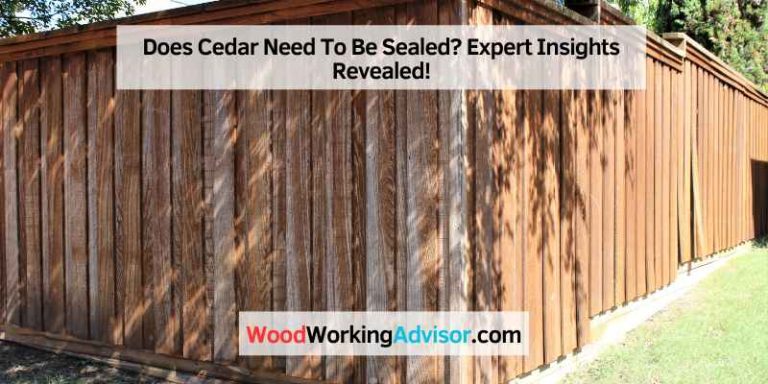
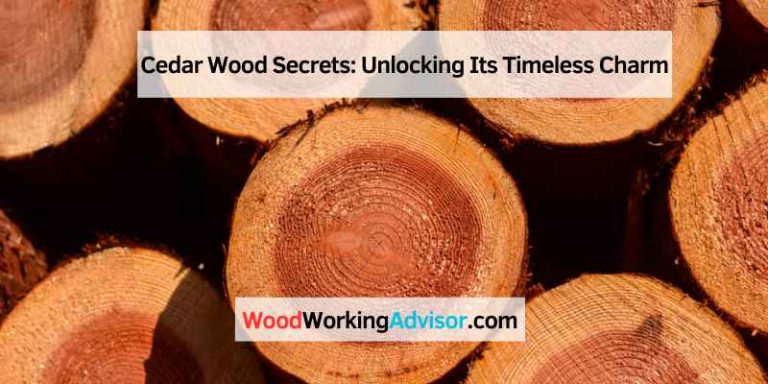
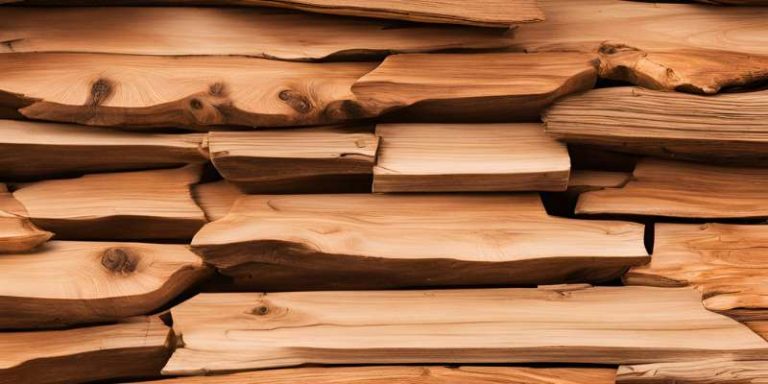
Cedar wood is known for its rich color. It shows off a warm, reddish-brown hue. Over time, it ages to a beautiful gray. People love its natural look. It blends well with outdoor spaces. Cedar has a nice smell too. The scent is both fresh and calming. Each piece of cedar is unique. No two boards look the same. This adds charm to your deck.
Cedar is a strong wood. It can last a long time. It does not crack easily. Cedar handles weather changes well. It stays strong in both hot and cold. This makes it a good choice for outdoor decks. You can trust cedar to hold up. It is a durable and reliable option.
Cedar wood resists decay naturally. It has special oils. These oils keep bugs away. Bugs do not like cedar. This helps the wood last longer. Cedar does not rot easily. It stays in good shape over time. It is a safe choice for outdoor use. Your deck will stay nice with cedar.
Credit: riverviewdecks.com
Pressure Treated Decking Features
Pressure treated wood costs less than other options. It is a smart choice for budget projects. Many homes use this wood for decks. Builders like it for the price.
Pressure treated decks last longer. The wood resists rot. It can handle bad weather. Decks stay strong for years.
Special chemicals protect the wood. They keep bugs away. They stop mold and decay. This treatment makes the wood safe and durable.
Cost Comparison
Cedar decking often costs more upfront than pressure-treated wood but offers natural resistance to decay. Pressure-treated decking is usually cheaper and durable, though it may require more maintenance over time.
Initial Investment
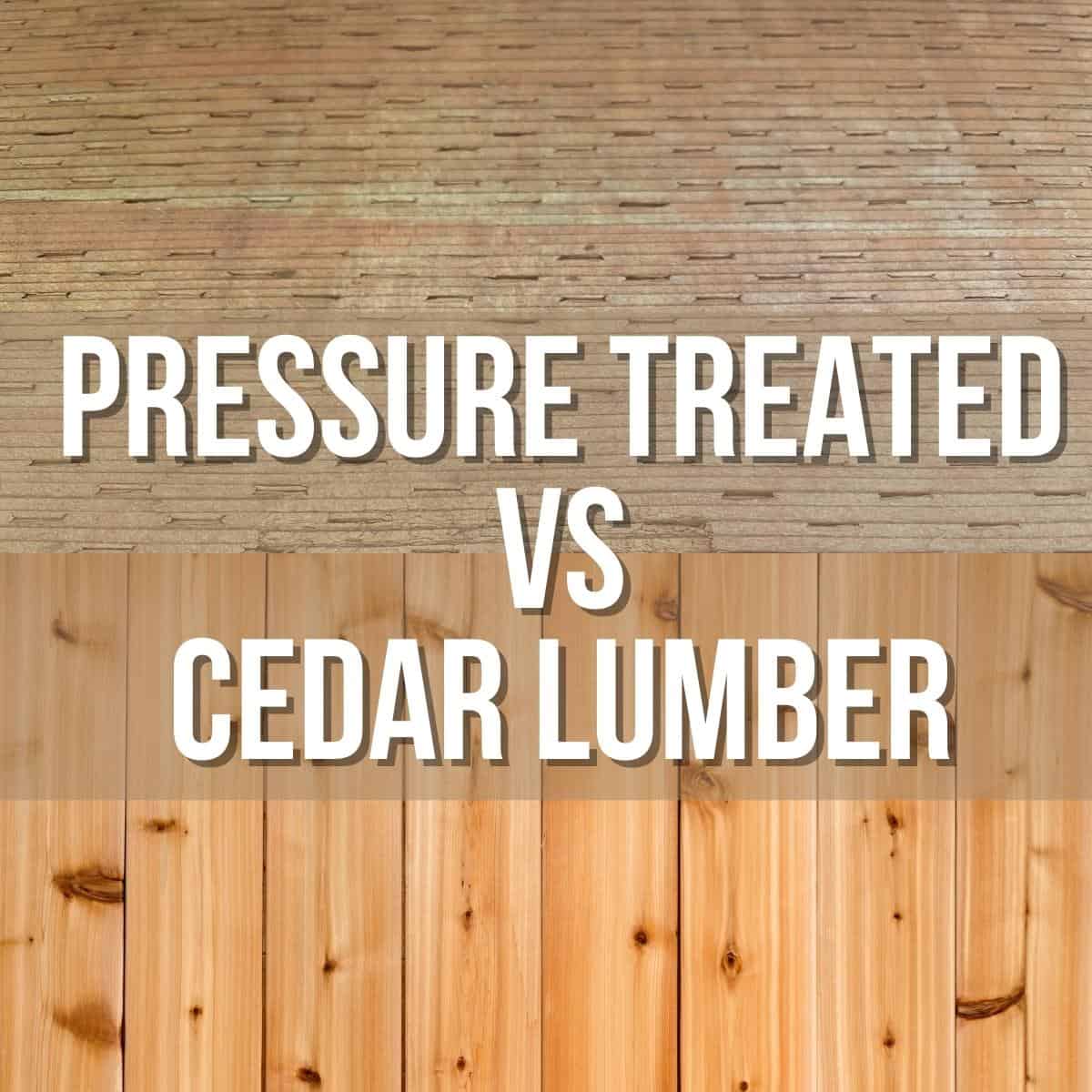
Cedar decking usually costs more up front. Cedar wood is naturally beautiful and has a rich color. People often pay extra for its premium look. Pressure-treated wood is cheaper to buy. It has a greenish tint and looks more basic. Many choose it for a budget-friendly option. Cedar might need less frequent treatments. Pressure-treated wood requires regular maintenance to stay strong. This can add to the initial cost. Cedar is often chosen for its durability and appearance. Both offer unique benefits for different needs.
Long-term Expenses
Cedar decking can save money over time. It ages gracefully and resists decay. Its natural oils protect it from rot and insects. Pressure-treated wood needs annual treatments. These treatments help it last longer. They also add to long-term costs. Cedar may need occasional sealing. Pressure-treated wood often requires more frequent sealing. Over many years, costs can add up. Choosing cedar may be a wise investment. Pressure-treated wood might cost more in the long run. Each choice depends on personal needs and preferences.
Credit: www.thehandymansdaughter.com
Maintenance Requirements
Cedar decks need regular care to stay nice. They require cleaning and staining every year. This helps protect them from the weather. Cedar is a softwood, so it’s not as tough as some other woods. Staining can keep the color bright. It also helps prevent cracks and splinters. Always use a gentle cleaner for cedar. Strong cleaners can hurt the wood.
Pressure treated wood is strong and lasts long. It needs less care than cedar. Cleaning once a year is enough. Use a mild soap and water for this. Staining is optional but can help keep it looking good. It stops the wood from turning gray. Always check for nails or screws that might come loose. Tighten them as needed.
Environmental Impact
Cedar is a natural wood choice. It is harvested from forests. It is known for being sustainable. Cedar trees grow quickly. They can be replanted easily. This makes cedar a renewable resource. Cedar decking is also biodegradable. It breaks down naturally without harming the earth.
Pressure treated wood is less eco-friendly. Chemicals are used to treat it. These chemicals can harm the environment. They may leak into the soil. Pressure treated wood does not break down naturally. It can stay in the landfill for a long time. It is not a sustainable choice for decking.

Credit: cedarshakesroofcleaning.com
Aesthetic Appeal
Cedar is known for its rich color and natural beauty. The wood has a warm tone that looks inviting. Cedar’s grain patterns are often very distinct. They give each plank a unique appearance. The wood feels smooth and is pleasant to touch. It does not splinter easily. This makes cedar easy on bare feet.
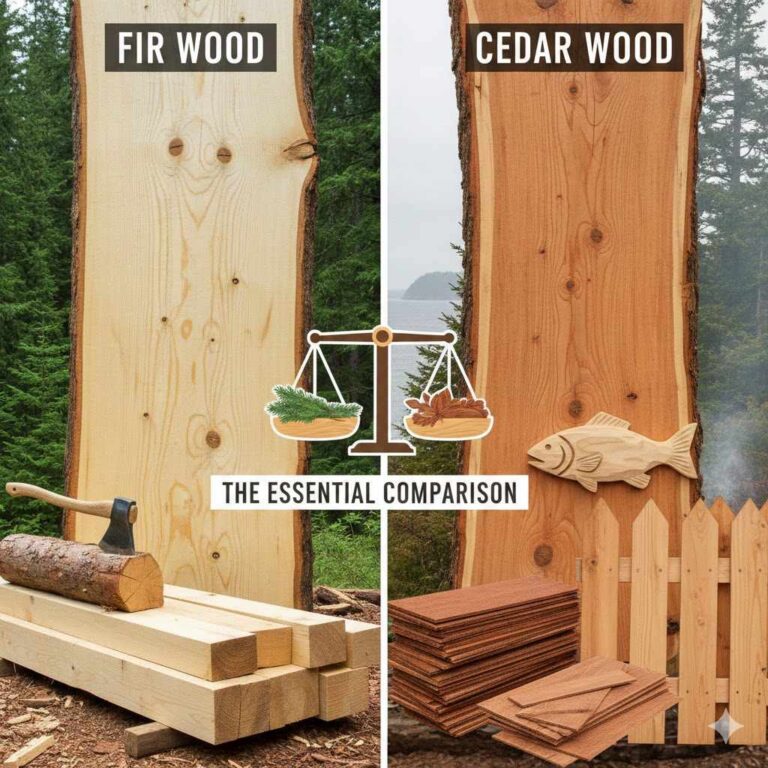
Pressure treated wood is more uniform in appearance. It often has a greenish tint due to chemicals. This wood is more rugged and industrial looking. It might feel rougher than cedar. Over time, it can fade to a dull gray. This wood is not as vibrant as cedar. It’s often used for its strength, not looks.
Installation Considerations
Cedar decking is light and easy to cut. This makes it simple to install. Pressure treated wood is heavier. It can be harder to handle. Cedar’s natural oils help with smooth cuts. Less splintering happens. Pressure treated wood might need pre-drilling. This adds time to the job.
A few tools are needed for both options. Saw, drill, and measuring tape are a must. Cedar needs fewer special tools. Pressure treated wood needs protective gear. Gloves and masks keep you safe. Cedar may need a sealer for protection. Pressure treated wood might need extra screws. Choose the right tools for the job.
Weather Resistance
Cedar decking offers natural weather resistance, making it a popular choice for outdoor spaces. Pressure-treated wood, while more affordable, requires regular maintenance to combat weather damage. Each option provides distinct benefits, catering to different preferences and budgets.
Performance In Various Climates
Cedar decking is great in many climates. It has a natural charm. Its natural oils help resist rot. Pressure-treated wood is also strong. It works well in wet areas. This wood fights decay better than cedar. Some people like cedar for its look. Others choose pressure-treated for its cost.
Water And Sun Resistance
Cedar wood is good at handling sun. It stays cool in hot weather. Its color can fade over time. But it resists water well. Pressure-treated wood is tough against sun and water. It can last longer outdoors. But it might warp if not cared for. A little care keeps both types looking nice.
Safety Concerns
Cedar is a natural wood. It is less harmful than other woods. Wear gloves when handling cedar to protect your hands. Cedar is smooth but can still splinter. Dust masks are useful. They stop you from breathing in sawdust. Cedar is soft and easy to cut. Sharp tools make cutting safer and easier. Eye protection is important. It keeps sawdust out of your eyes. Cedar smells nice but can cause allergies. Wash hands after touching cedar to avoid skin irritation.
Pressure treated wood can be dangerous. Chemicals are used to treat this wood. Wear gloves to protect your skin. Dust masks help you avoid breathing in chemical dust. Eye protection is necessary. It stops chemicals from irritating your eyes. Wash hands after handling the wood. This removes any chemicals. Never burn pressure treated wood. Toxic fumes can be released. Dispose of wood scraps properly to keep the environment safe.
Choosing The Right Decking
Weather conditions affect your decking choice. Cedar resists insects. Pressure-treated wood lasts longer. Think about budget. Cedar costs more upfront. Pressure-treated wood is cheaper. Consider maintenance. Cedar needs more care. Pressure-treated wood is easier. Both have pros and cons.
Some prefer the natural look of cedar. It has a warm color. Others like the strength of pressure-treated wood. It is durable. Think about the feel. Cedar feels smooth. Pressure-treated wood can be rough. Choose what you like.
Frequently Asked Questions
Is Cedar Better Than Pressure Treated For Decks?
Cedar offers natural beauty and resistance to decay. Pressure-treated wood is more affordable and durable. Cedar requires more maintenance but has a natural look. Pressure-treated wood lasts longer and resists insects better. Choose cedar for aesthetics and pressure-treated for durability and cost-effectiveness.
Consider your budget and preferences.
What Are The Disadvantages Of Cedar Decking?
Cedar decking requires regular maintenance to prevent rot and fading. It can be prone to scratches and dents. Cedar is less durable than composite alternatives and may warp over time. This wood is also more expensive compared to other types, impacting budget-conscious projects.
What Lasts Longer Outside, Cedar Or Pressure-treated Wood?
Pressure-treated wood lasts longer outside than cedar. It’s resistant to rot, insect damage, and harsh weather. Cedar is naturally durable but less resistant to moisture and pests. Choose pressure-treated wood for longevity in outdoor settings. Regular maintenance helps both materials last longer in outdoor environments.
Is Cedar Decking Worth The Money?
Cedar decking offers natural beauty and durability, making it a worthwhile investment. It resists rot and insects, reducing maintenance costs. Its aesthetic appeal enhances outdoor spaces, boosting property value. Though initially expensive, cedar’s longevity and minimal upkeep can save money in the long run.
Consider it for a sustainable decking choice.
Conclusion
Choosing between cedar and pressure-treated decking depends on your needs. Cedar offers natural beauty and durability. Pressure-treated wood costs less and resists rot. Each option has its pros and cons. Consider your budget and maintenance preference. Think about the look you want for your deck.
Both materials serve well for outdoor spaces. Cedar suits those who prefer aesthetics and low maintenance. Pressure-treated wood fits tighter budgets and long-term durability. Make the choice that enhances your outdoor experience. Your deck will be a place to relax and enjoy.