How to Seal a Cedar Deck
Clean the deck thoroughly, let it dry fully, sand only the rough spots (not the whole deck, unless you’re stripping a failed old finish), then apply a penetrating oil or clear sealer in thin, even coats. Most cedar decks need resealing every 1-2 years, sooner in intense sun or wet climates.
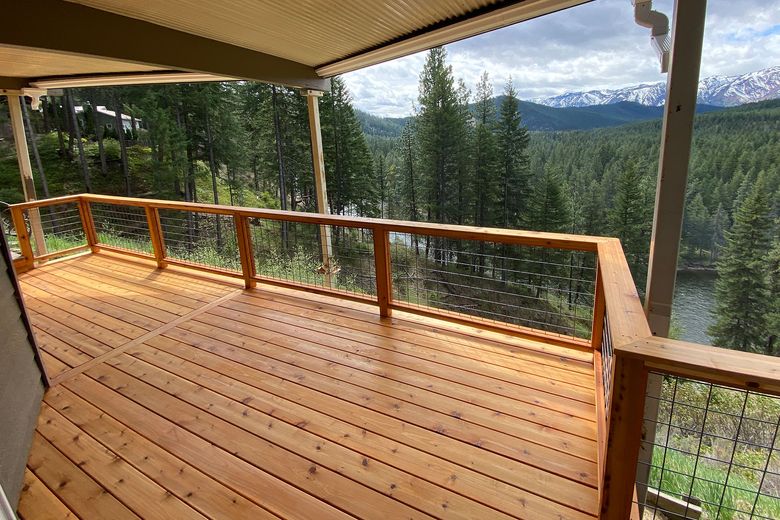
Preparation
Best For Preserving Cedar’s Natural Color
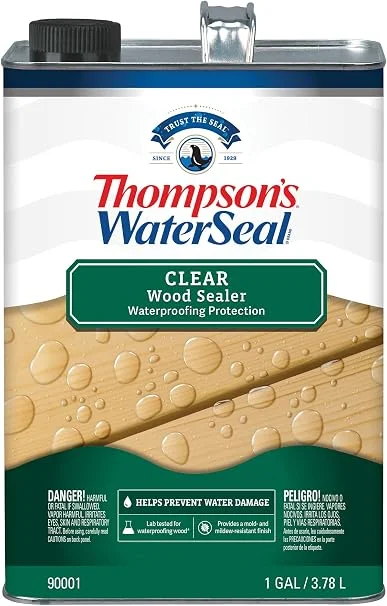 |
Thompson’s WaterSeal Clear Wood Sealer, 1 Gallon – $19.94 A clear formula that repels water without hiding cedar’s natural grain and tone — one of the most widely used deck sealers for exactly this reason.
|
Gather your supplies before starting: a broom or power washer for cleaning, a deck cleaner made for wood, a paint roller and brush for the sealant, a mixing bucket, and gloves and safety goggles. For the sealant itself, oil-based penetrating sealers soak deeper into the wood and tend to hold up longer outdoors; water-based sealers clean up easier and dry faster. Either way, check the label specifically for UV protection and mildew resistance — not every “sealer” includes both.
Cleaning The Deck
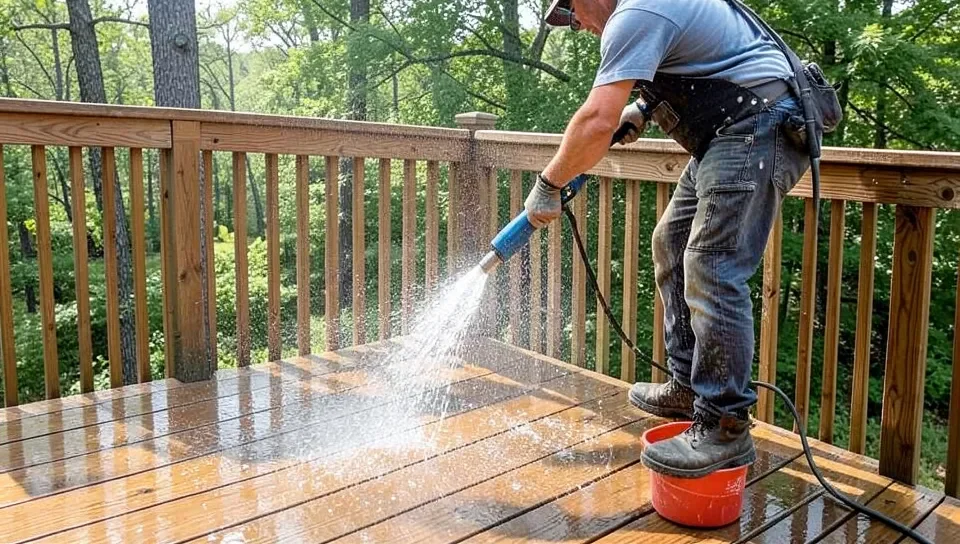
Sweep away loose debris first, working a putty knife into gaps between boards for anything packed in. Then wash the deck with a garden hose or power washer and a wood-safe deck cleaner, scrubbing with a soft brush to lift dirt and mildew. Rinse thoroughly and let the deck dry completely — typically 24-48 hours depending on humidity — before doing anything else. Sealing over a damp deck traps moisture under the finish instead of keeping it out.
Sanding The Surface
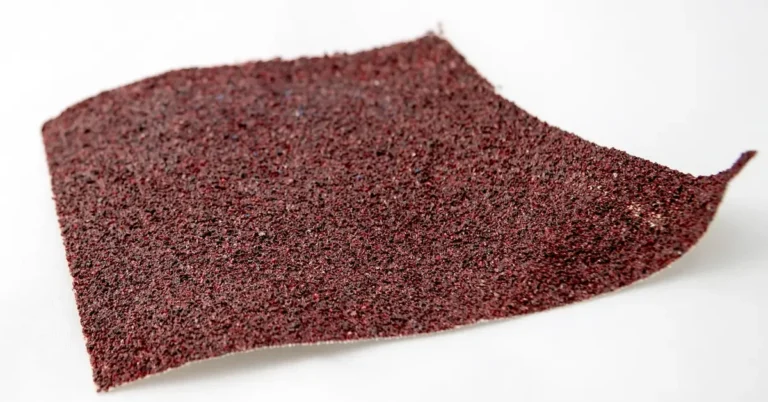
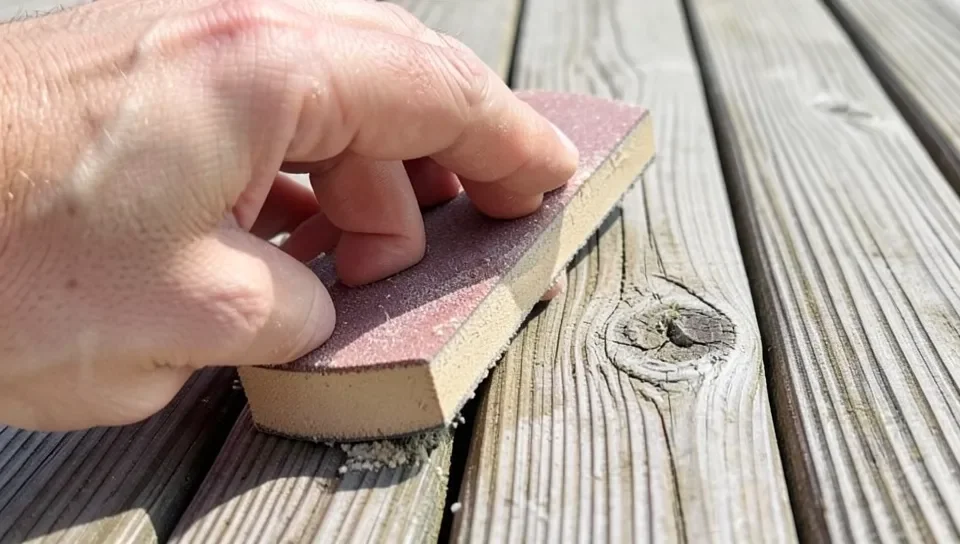
For routine resealing, you usually don’t need to sand the whole deck — a light pass over splinters, rough boards, or raised grain with 120-grit sandpaper is normally enough. Full-deck sanding (starting at 80-grit, finishing at 120-grit) is really for stripping a failing or peeling old finish, or smoothing rough new lumber before its first sealing. Always sand along the grain, use a sanding block or power sander for control, and check your progress often rather than pushing hard in one pass.
Applying The Sealant
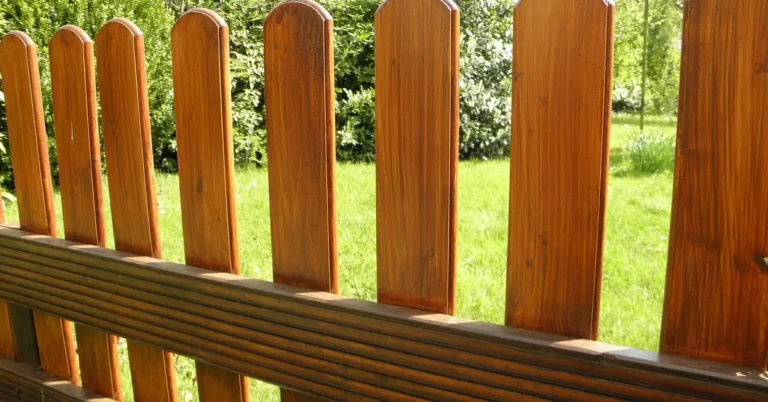
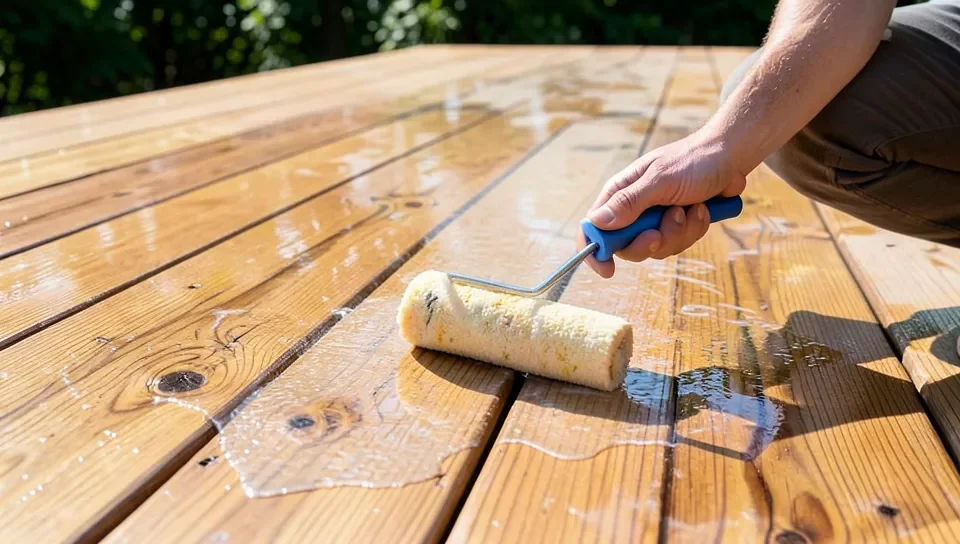
Stir the sealant thoroughly before starting — settled solids at the bottom of the can throw off both color and protection if you skip this. Use a brush for railings, edges, and detail work, and a roller for the open deck boards to cover ground quickly. Apply in thin, even coats along the grain, keeping a wet edge to avoid lap marks, and let the first coat dry fully before deciding whether a second coat is needed (check the product label — some are one-coat, some recommend two). Keep overspray and drips off nearby plants and furniture as you go.
Drying And Curing Time
There are two separate waiting periods here, worth keeping straight: let the deck dry 24-48 hours after cleaning before you sand or seal it, and then avoid foot traffic and furniture for another 24-48 hours after applying the sealant while it cures. Warm, dry, low-humidity days speed up both; rain or high humidity slows curing and can cause a cloudy or uneven finish if the sealant doesn’t dry properly. Pick a dry stretch of at least a few days when you plan the whole job.
Inspecting The Finish
Once dry, check the whole deck in good light — morning sun works well for spotting thin or missed spots, especially in corners, along board edges, and anywhere boards meet railings or posts. Uneven coverage isn’t just cosmetic; a thin spot lets moisture and UV back in exactly there. Touch up any missed or thin areas with a brush before calling the job done.
Maintenance Tips
Sweep off dirt and leaves regularly and rinse the deck occasionally — debris left sitting on wood holds moisture against the finish and speeds up wear. Reseal on the schedule your product recommends (typically every 1-2 years), and don’t wait until the old finish has visibly failed; resealing while the old coat is still mostly intact is easier and gives better results than starting over on bare, weathered wood.
Common Mistakes
- Sealing before the deck is fully dry: traps moisture under the finish instead of keeping it out — the opposite of the goal.
- Applying too much sealant: excess that the wood can’t absorb sits on the surface and stays tacky. Thin, even coats beat one heavy one.
- Ignoring the weather forecast: rain washes away wet sealant, and intense sun can dry it too fast for a good bond. Pick a mild, dry day.
- Full sanding every time: stripping the whole deck down for a routine reseal is unnecessary work — save it for when the old finish is actually failing.
Frequently Asked Questions
How Often Should I Seal My Cedar Deck?
Every 1-2 years for most cedar decks, sooner in intense sun or a wet climate. Reseal while the old finish is still mostly intact rather than waiting for it to fully fail — it’s easier and gives better results.
What Is The Best Sealer For Cedar Decks?
A penetrating oil-based sealer with UV protection generally holds up best on cedar. A clear formula preserves cedar’s natural color; a tinted stain adds more UV pigment protection at the cost of changing the wood’s look. See our comparison of the best clear cedar sealers for real coverage rates and VOC data across seven tested products.
Do I Need To Sand The Whole Deck Before Sealing?
Usually not. For routine resealing, a light sanding of rough spots or splinters is normally enough. Full-deck sanding is for stripping a failing old finish or smoothing rough new lumber, not a step you need every time you reseal.
How Long Does Cedar Deck Sealer Last?
Typically 1-2 years, depending on sun exposure, foot traffic, and weather. Clear sealers with less UV pigment tend toward the shorter end of that range; tinted stains generally last longer.
Conclusion
Sealing a cedar deck comes down to a clean, fully dry surface, sanding only where it’s actually needed, thin even coats of the right sealer, and enough curing time before you use the deck again. Skip the full sand-down for routine resealing, pick a dry stretch of mild weather, and inspect your work in good light before calling it done. Get those fundamentals right and a cedar deck will keep its color and last for years between resealing.
Sponsored / affiliate links. As an Amazon Associate I earn from qualifying purchases. I may earn additional commission from eligible campaigns.