16-Inch vs 18-Inch Chainsaw: Which Bar Length Do You Need?
A 16-inch chainsaw bar and an 18-inch chainsaw bar look like a minor size difference on a spec sheet, but that extra two inches changes what the saw can safely cut, how tired your arm gets after an hour, and how much you pay. The short version: a 16-inch bar comfortably handles logs up to about 14 inches across in a single pass, while an 18-inch bar stretches that to roughly 16 inches – and the real number depends on a “2-inch clearance” rule most buying guides never explain (we cover it below). Here’s how the two sizes actually compare, and which one fits your yard.
16-Inch vs 18-Inch Chainsaw: The Quick Answer
If you mostly buck firewood, prune, and clear branches under about 14 inches thick, a 16-inch chainsaw is lighter, easier to control, and less expensive to run. If you regularly cut trunks in the 14-16 inch range or fell small trees, the 18-inch bar earns its extra weight. Most homeowners doing mixed yard work land on 18 inches because it covers both jobs without feeling like overkill on the small stuff.
Best 18-Inch Cordless Pick
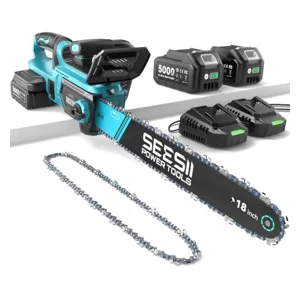 |
SEESII 40V Electric Chainsaw Cordless 18-Inch with 2 x 5.0Ah Batteries – $199.98 An 18-inch cordless model like this one splits the difference well – enough bar for occasional larger logs, without the weight or upkeep of a gas saw.
|
16-Inch vs 18-Inch Chainsaw Comparison Table
Here’s how the two sizes stack up on the specs that actually affect a buying decision:
| Spec | 16-Inch Bar | 18-Inch Bar |
|---|---|---|
| Bar length (stated) | 16 in | 18 in |
| Realistic single-pass cutting capacity | Up to ~14 in diameter | Up to ~16 in diameter |
| Typical weight (bare tool, gas or cordless) | 8-12 lb | 10-15 lb |
| Best use case | Firewood, pruning, branches, light-duty clearing | Felling small trees, bucking larger trunks, storm cleanup |
Why Cutting Capacity Isn’t Just the Bar Length (The 2-Inch Rule)
A lot of buying guides repeat a shortcut that’s backwards: the idea that a 16-inch bar can safely handle a log up to 32 inches across because “the bar only needs to be half the diameter.” That’s not how a single cut works. For a straight-through bucking cut, the log has to fit under the bar with room to spare at the tip, or the nose of the bar buries itself in wood on both sides at once – which is exactly the setup that causes kickback.
The practical rule pros actually use: subtract about 2 inches from the stated bar length to get your safe single-pass diameter. That’s because roughly an inch or two of the bar’s total length sits inside the powerhead at the mounting point and never contacts wood. A “16-inch” bar has about 14 inches of usable cutting edge; an “18-inch” bar has about 16. You can cut larger logs than that by boring in from both sides, but that’s an advanced technique, not something to plan a saw purchase around.
Weight and Maneuverability: How Much Two Inches Actually Matters
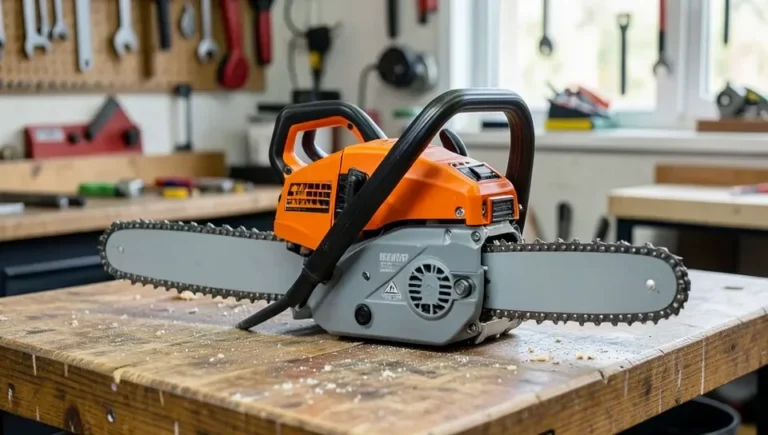
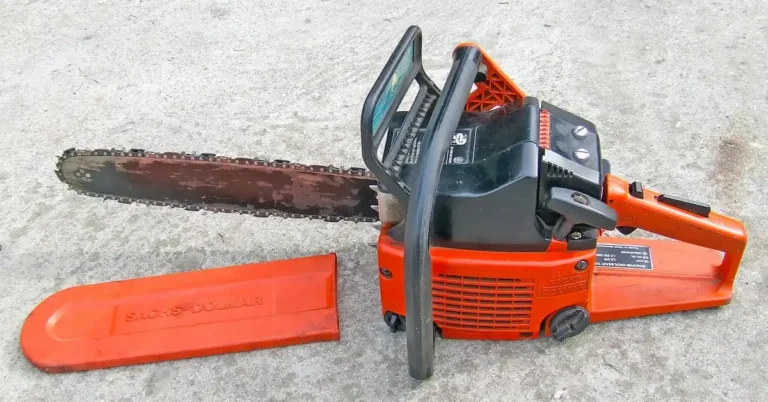
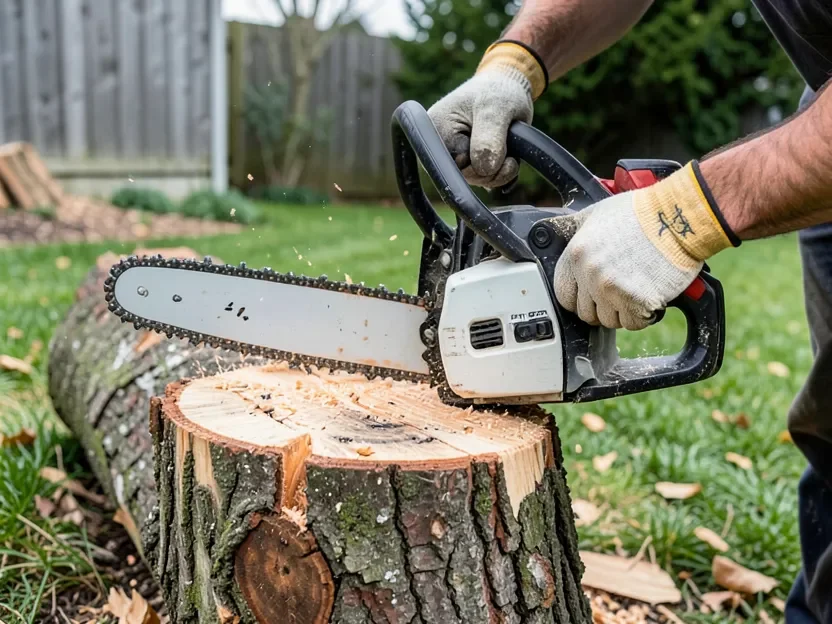
Two inches of bar doesn’t sound like much, but it changes the balance of the whole tool. The extra length adds weight out at the tip, which is the worst place for it – it’s leverage against your wrist on every overhead cut or angled branch trim. A 16-inch saw tends to run 8 to 12 pounds bare, and most people can run one one-handed for a quick limb cut without much fatigue. An 18-inch saw, at 10 to 15 pounds, wants two hands and a wider stance almost all the time, especially once you add a full fuel tank or a second battery.
If you’re buying for someone with less upper-body strength, or you’ll be working overhead in a tree a lot, that difference is worth more than the extra reach. If you’re mostly working close to the ground on bigger rounds, the added stability of the heavier saw can actually make it easier to control, not harder.
Power, Chain Speed, and a Common Misconception
Here’s the part most comparisons get wrong: bar length by itself doesn’t make a saw cut faster. Chain speed comes from the motor or engine – its RPM and torque – not from how long the bar is. Put the same 2000-2200W motor on a 16-inch and an 18-inch bar, and the 18-inch version will often feel slightly slower through an equivalent cut, simply because more chain is in contact with the wood and there’s more mass to move. The 18-inch bar’s real advantage is reach and capacity, not raw speed.
That matters when you’re comparing a battery-powered 16-inch saw against a similarly priced 18-inch model: check the motor wattage and chain speed (feet per second) on the spec sheet, not just the bar length, if fast cutting matters more to you than maximum log diameter. Battery-powered saws in both sizes typically run 30-45 feet per second, and runtime (not bar length) is usually the bigger practical limit on a cordless model – expect roughly 150-250 cuts through 4-inch softwood per charge on a dual-battery 18-inch saw before you’re swapping packs.
Which Should You Buy? A Simple Decision Framework
Measure the diameter of the biggest wood you expect to cut regularly – not the biggest tree on your property, the biggest piece you’ll actually put the saw to on a normal weekend. Then apply the 2-inch rule from above. For a more detailed walkthrough of matching bar length to your specific projects, see our guide on how big of a chainsaw you need.
- Mostly branches, pruning, and firewood rounds under 14 inches: Get the 16-inch. It’s lighter, cheaper, and you won’t miss the reach.
- Mixed yard work with the occasional 14-16 inch trunk: Get the 18-inch. It covers everything the 16-inch does, plus the bigger stuff.
- Regularly felling trees or bucking rounds over 16 inches: Neither size is really enough – look at a 20-inch-plus gas saw instead.
- New to chainsaws or working solo often: Lean toward the 16-inch for control, even if it means an occasional slower cut on bigger logs.
Common Mistakes When Choosing Between the Two
The most common mistake is sizing the saw to the biggest tree on the property instead of the wood that’s actually cut most often. If one oak comes down every few years but the weekly reality is pruning and firewood rounds, a lighter 16-inch saw and a hired-out or rented saw for the rare big job will save more fatigue and money than living with an 18-inch saw every weekend.
The second mistake is assuming a longer bar is automatically more powerful. As covered above, bar length affects reach and cutting capacity, not motor output. A cheap 18-inch saw with a weak motor will bog down in hardwood faster than a well-built 16-inch saw with a stronger motor – check the wattage (or engine displacement on gas models) and chain speed before assuming size alone tells you which saw is “better.”
The third is ignoring chain type and gauge compatibility when upgrading bar length on an existing saw. Not every powerhead is rated to safely run a longer bar than it shipped with, even if the mount and chain pitch technically match – check the manufacturer’s maximum bar length rating before swapping, not just the mounting bolt pattern.
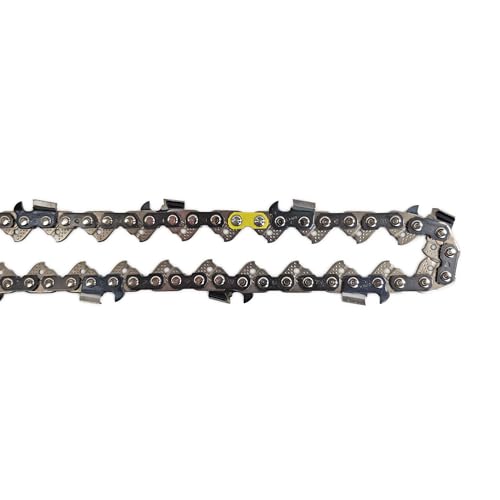
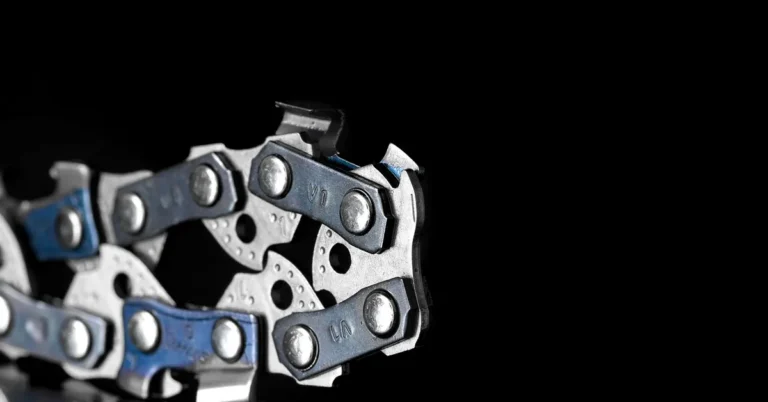
Bar length is only half of chain fit, too – the same nominal bar length can need a different number of drive links depending on the saw brand and bar model, which is exactly why a “20-inch” Husqvarna and a “20-inch” Echo don’t always take the same replacement chain. See our 70 vs. 72 link chainsaw chain guide for how to find your saw’s actual drive link count instead of guessing.
Frequently Asked Questions
Is a 16-inch or 18-inch chainsaw better?
Neither is universally better – it depends on what you’re cutting. A 16-inch chainsaw is lighter and easier to control for pruning, branches, and firewood under about 14 inches across. An 18-inch chainsaw handles larger trunks and small tree felling better, at the cost of extra weight. Match the size to the biggest wood you’ll regularly cut, not the biggest tree you own.
What is an 18-inch chainsaw used for?
An 18-inch chainsaw is used for cutting medium to large logs, felling small to mid-sized trees, and bucking trunks up to roughly 16 inches in diameter in a single pass. It’s a common choice for homeowners who do occasional heavier work, like storm cleanup or clearing a few larger trees, on top of routine yard maintenance.
How big of a log can a 16-inch chainsaw cut?
A 16-inch chainsaw can safely cut through a log up to about 14 inches in diameter in one straight pass – roughly 2 inches less than the stated bar length, since part of the bar sits inside the powerhead and never touches wood. Cutting larger logs is possible by boring in from both sides, but that’s an advanced technique and not something to rely on when choosing a saw size.
What is a 16-inch chainsaw good for?
A 16-inch chainsaw is good for pruning, trimming branches, cutting firewood rounds, and general light-to-moderate yard work. At 8 to 12 pounds, it’s easier to control one-handed or overhead than an 18-inch saw, which makes it a common pick for beginners and anyone doing frequent, shorter cutting sessions rather than heavy felling.
Bottom Line
The 16-inch vs 18-inch decision comes down to two inches of usable cutting capacity and a couple of pounds of extra weight – not raw cutting speed, which depends on the motor, not the bar. Measure your typical log size, apply the 2-inch clearance rule, and pick the smaller saw unless you have a specific reason to size up. It’ll be lighter in your hands for every cut that isn’t the biggest one you make all year.
Sponsored / affiliate links. As an Amazon Associate I earn from qualifying purchases. I may earn additional commission from eligible campaigns.