Circular Spice Rack: Buying Guide, DIY Plans, and the Bearing You Need
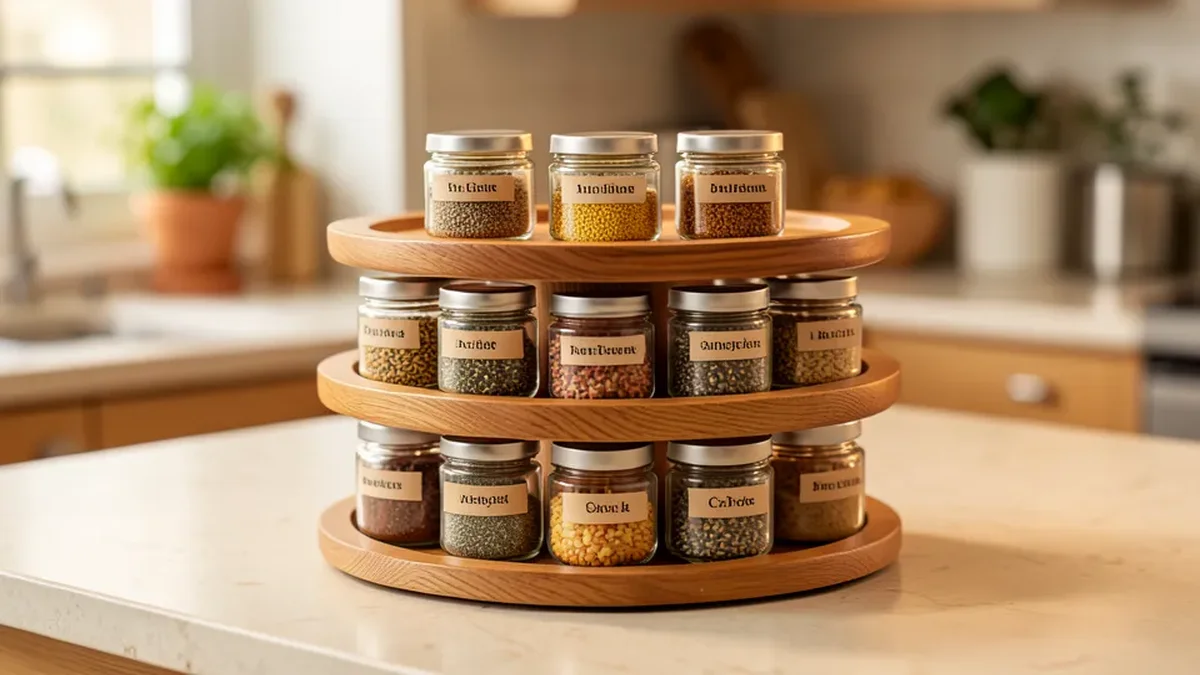
A circular spice rack solves a problem square racks create: the front row hides everything behind it. Whether you buy a ready-made rotating rack or build one from scratch, the design only works well if two things are right — the tiered shelf layout actually keeps every jar visible, and the rotating base uses real bearing hardware instead of wood spinning on wood. Get those two details wrong and you end up with a rack that binds after a few months or still hides half your spice collection. Here’s how to pick a good one, build your own, and avoid the mistakes that show up in almost every “quick weekend project” tutorial.
Buy Vs. Build: The Best Circular Spice Rack For Your Kitchen
Best Bearing Kit For A DIY Circular Spice Rack
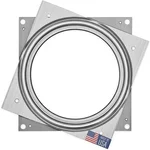 |
Woodpeckers 4" Lazy Susan Turntable Bearing, Pack of 2 – $17.06 The exact type of ball-bearing turntable hardware this guide recommends for a DIY rotating base – not a wood-on-wood pivot that binds over time.
|
If you’d rather build your own from a bare turntable, the hero pick above is exactly the hardware you need for the base — a proper lazy Susan ball-bearing plate, not a wood-on-wood pivot. Buying a finished rack is faster; building one lets you size the tiers to your actual spice collection and pick a wood species that matches your cabinets. Neither option is “better” across the board — it depends on whether you already own basic tools and want a project, or just want the organization problem solved this weekend.
Why The Bearing Matters More Than The Wood
Most DIY spice rack tutorials spend all their time on the wood — species, finish, hole spacing — and skip the one part that actually determines whether the rack still works in a year: the rotating joint. A surprising number of beginner builds just stack a top disc on a center dowel and let the two wood surfaces rub against each other. That works for the first few weeks. Then wood-on-wood friction does what it always does: it wears unevenly, picks up moisture from nearby cooking, and starts to bind or stick at certain points in the rotation instead of spinning freely.
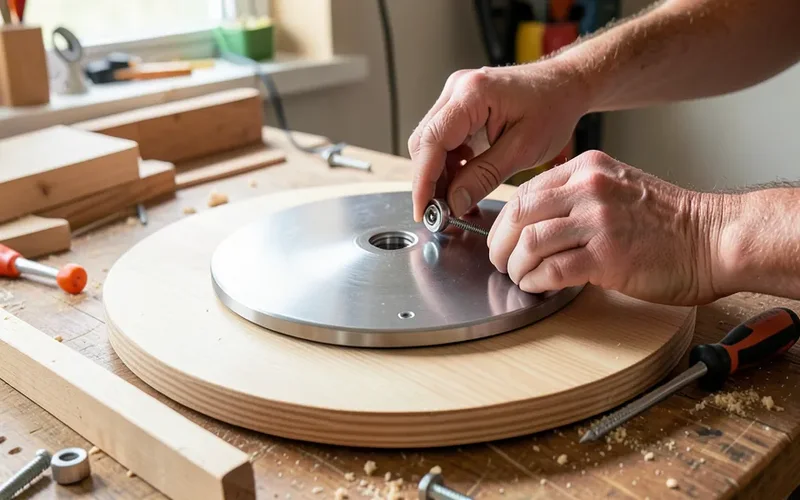
A real lazy Susan turntable bearing — a thin steel plate with a ring of ball bearings sandwiched inside — is a $10-20 part that fixes this permanently. It mounts between the base and the rotating top with wood screws through the pre-drilled holes, spins under load without binding, and doesn’t care about a little ambient humidity the way an unprotected wood pivot does. Sizing depends on the rack’s diameter: a 4-inch bearing rated around 350 lbs is plenty for a countertop spice rack (the actual load from jars is usually under 15 lbs), while anything built on an 10-inch-plus base benefits from a 6-inch or larger bearing for a more stable spin. Give the bearing a light coat of oil before final assembly — most come dry from the factory, and a dry bearing is where the “why is my lazy Susan noisy” complaints usually come from.
Tiered Shelf Design: Solving The Visibility Problem
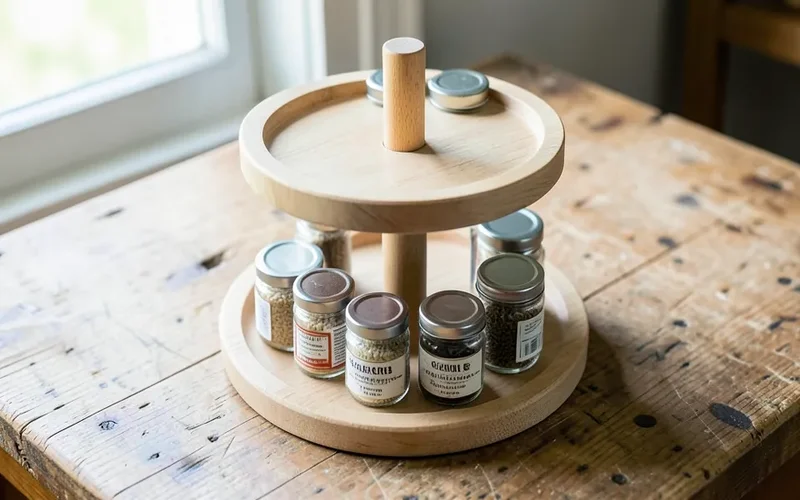
The entire point of a circular rack is that rotating it brings a hidden jar to the front — but that only works if the tiers themselves are designed so one row doesn’t block the row above or below it. Two design choices matter here:
- Overhang the top tier slightly less than the bottom tier, or step each tier’s diameter down slightly as you go up. If every tier is the exact same diameter stacked directly above the next, tall jars on the lower shelf get hidden under the tier above them.
- Leave enough vertical clearance between tiers for your tallest jar plus about half an inch — spice jars aren’t standardized, and a rack sized only for small round tins won’t fit taller bottles without tipping them or forcing you to lay them down.
Two tiers is the common sweet spot for a countertop build — enough capacity for 20-30 jars without the top-heavy wobble that a three-tier tower can develop on a small-diameter base. If you do go three tiers, widen the base disc so the center of gravity stays low; a narrow base under a tall stack is what causes a lazy Susan to tip when someone spins it too fast.
Picking Wood And A Finish That Survives Kitchen Use
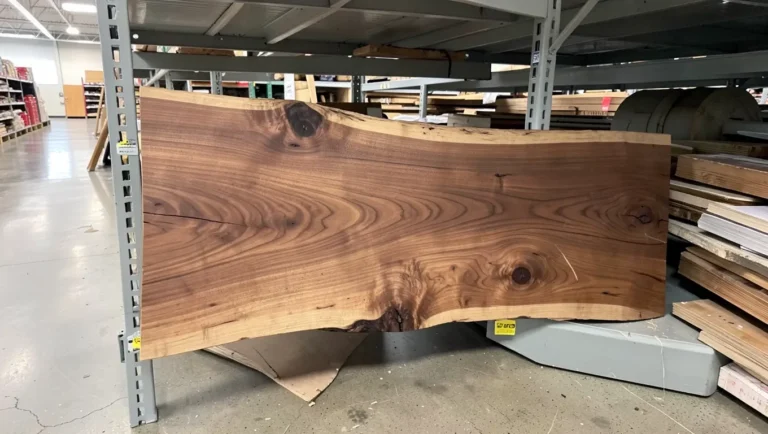
A spice rack lives inches from a stovetop, which means it deals with more heat, steam, and the occasional splash than most furniture. Softer woods like pine work fine visually but dent easily and can warp slightly if they sit near a humid area long-term; a moderately hard species like maple, birch, or beech holds its shape better and takes a smoother finish. Whatever species you choose, the finish matters more than the wood itself here.
Use a food-safe, moisture-resistant finish — the same logic that applies to cutting boards applies to any wood surface that sits near cooking and occasionally gets a spice jar set down wet. If you’re not sure which finish counts as food-safe versus which ones to avoid, our wood finishing guide breaks down oils, sealers, and cure times in more depth. A wipe-on food-grade mineral oil or a cured food-safe polyurethane both work; avoid finishes not rated for food contact, since jars get handled and set back down on the same surface daily. Skip the finish entirely and raw wood will absorb oil residue and cooking odors over time, which shows up as dark blotching around where jars regularly sit.
Building A Rotating Circular Spice Rack: Step By Step
This is a realistic weekend project even for a first-time builder, assuming you have a jigsaw or circular saw, a drill, and clamps.
- Cut a paper template first. Trace a bowl, plate, or a compass-drawn circle at your target diameter (10-14 inches is typical for a two-tier countertop rack), then trace that template onto your wood for both tiers so they’re consistent.
- Cut the circles and sand the edges smooth with progressively finer sandpaper — a rough edge is the most obvious sign of a rushed build.
- Drill the center hole for the dowel post on the bottom (fixed) tier and the top (rotating) tier if you’re using a post design, or skip this step if the bearing alone carries the top tier.
- Mount the bearing hardware to the underside center of the top tier and the top center of the bottom tier, following the pre-punched screw holes — pilot-drill first so the wood doesn’t split.
- Apply your food-safe finish to all surfaces before final assembly; it’s much easier to get an even coat on flat discs than after the rack is built.
- Assemble and test the spin under an empty load first, then load it with jars and test again — a bearing that spins freely empty can still bind slightly under uneven weight if jars are clustered on one side.
Placement And Maintenance
Keep the finished rack within arm’s reach of where you actually cook, not just where it looks nice — a spice rack on the far side of the kitchen gets used a lot less than one sitting next to the stove. Arrange spices you reach for daily (salt, pepper, garlic powder, a go-to blend) toward the front-facing position when the rack is at rest, and rotate the less frequent ones to the back.
For upkeep, wipe the tiers down with a barely damp cloth every few weeks — avoid soaking the wood, since standing water works against whatever finish you applied. Check the bearing screws every six months or so; kitchen vibration and regular spinning can work fasteners slightly loose over a year of daily use. If the spin starts to feel gritty or squeaky, a drop of food-safe mineral oil on the bearing ring (not the wood) usually solves it without disassembling anything.
Frequently Asked Questions
Do I need a special bearing for a spice rack, or will any lazy Susan hardware work?
Standard lazy Susan turntable bearing hardware works fine for a spice rack — you don’t need anything specialized. A 4-inch bearing rated for 300-350 lbs is far more capacity than a rack of spice jars needs (usually under 15 lbs total), so sizing is about matching the bearing to your base diameter for stability, not load capacity.
How many tiers should a circular spice rack have?
Two tiers is the most practical choice for a countertop build. It holds 20-30 standard jars without the top-heavy wobble a taller three-tier stack can develop on a narrow base, and every jar stays reachable with one spin.
What finish is safe to use on a wood spice rack?
Use a food-safe, moisture-resistant finish, such as a food-grade mineral oil or a fully cured food-safe polyurethane — the same category of finish recommended for cutting boards, since spice jars are handled and set down on the surface daily.
Why is my lazy Susan spice rack sticking or squeaking?
Most sticking or squeaking comes from a dry bearing or wood-on-wood friction on builds that skipped real bearing hardware. A drop of food-safe oil on the bearing ring usually fixes noise; persistent binding on a wood-pivot design generally means the pivot needs to be retrofitted with an actual ball-bearing turntable kit.
Bottom Line
A circular spice rack earns its keep when the tiered layout actually keeps jars visible and the base spins on real bearing hardware instead of wood against wood. Buy a finished rack if you want the problem solved today, or build one with the hardware kit above if you’d rather size it to your own collection — either way, the bearing is the one part not worth skipping.
Sponsored / affiliate links. As an Amazon Associate I earn from qualifying purchases. I may earn additional commission from eligible campaigns.