DeWalt vs Milwaukee Table Saw: Corded 10-Inch vs Cordless 8-1/4-Inch
In the world of power tools, DeWalt and Milwaukee are two renowned brands known for their high-quality products. When it comes to table saws, both DeWalt and Milwaukee offer impressive options that cater to the needs of professionals and DIY enthusiasts alike.
Both renowned brands in the power tool industry, Dewalt and Milwaukee offer high-quality table saws. While Dewalt focuses on portability and versatile features, Milwaukee emphasizes precision and durability. Choose based on your specific needs and budget.
This article will delve into a detailed comparison between DeWalt and Milwaukee table saws, examining their key features, performance, durability, and overall value for money. So let’s explore these options to help you decide wisely. If you’re choosing a brand platform rather than just a table saw, our guide to the best tool brand for woodworking compares all six on warranty terms and ecosystem size.
The comparison most guides skip: these are not two versions of the same tool. The DeWalt DWE7491RS is a corded 10-inch saw (15-amp motor, 32-1/2-inch rip capacity) built for jobsite crews who need full rip capacity all day. Milwaukee currently sells exactly one table saw, the M18 FUEL 2736-20 — an 8-1/4-inch cordless saw built for the M18 battery ecosystem, not a corded competitor to the DWE7491RS at all. If you already own M18 batteries and want to cut the cord, that alone may decide it before you compare a single other spec.
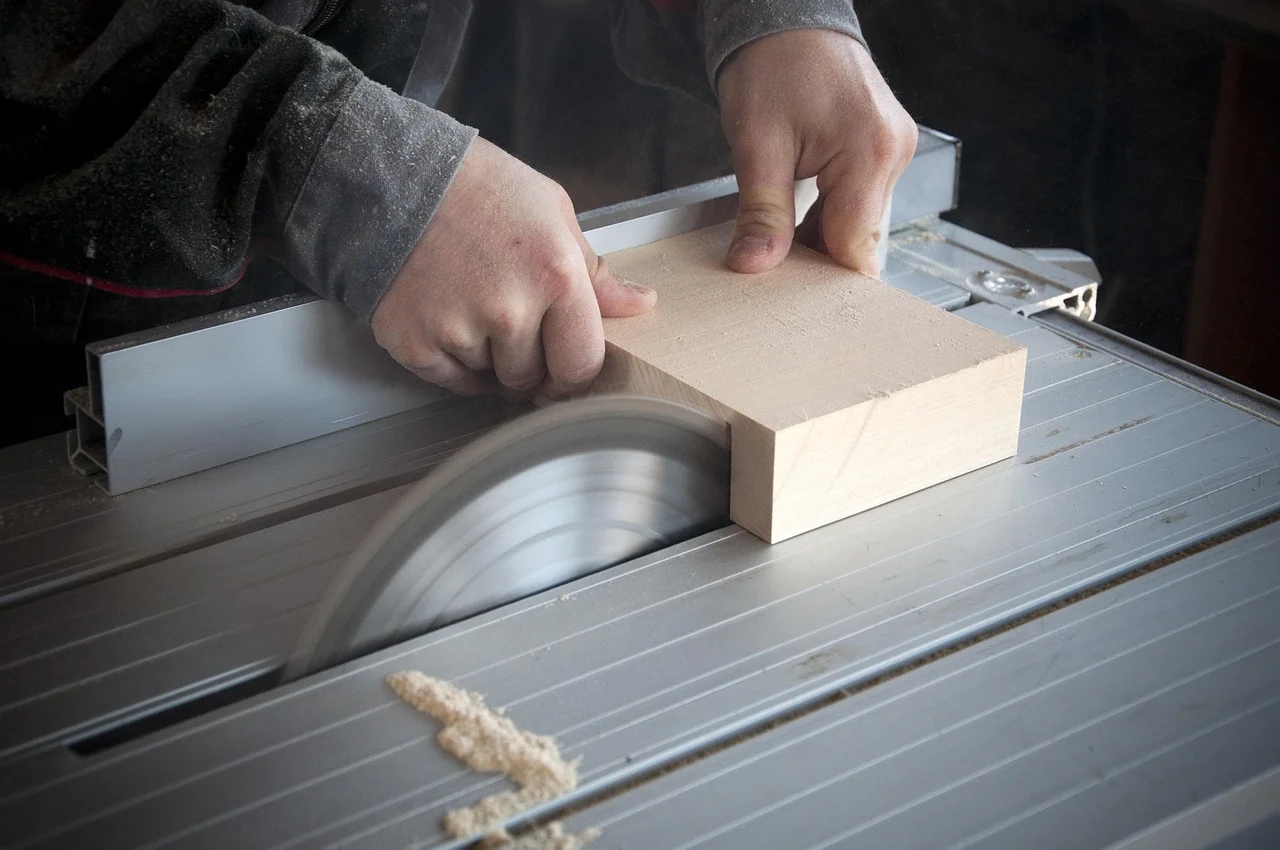
Key Differences Between Dewalt Vs Milwaukee Table Saw: A Comparison
Best Overall Jobsite Table Saw
 |
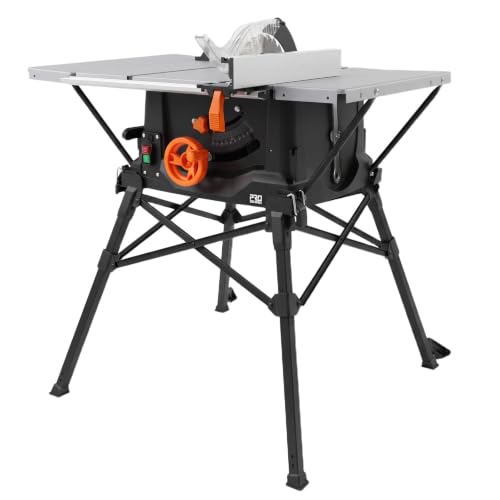
DEWALT DWE7491RS 10-Inch Jobsite Table Saw – $599.00 A 15-amp corded 10-inch saw with a 32-1/2-inch rip capacity and folding rolling stand — the more versatile pick since it never runs out of battery mid-cut.
|
Knowing the disparities between the Milkauwakee and Dewalt saw can help you a lot in deciding the right option. Here is a comparison chart defining the differences which has been explained in detail in the later part.
Since Milwaukee sells exactly one table saw, this section compares specific real numbers rather than broad brand claims – there’s no “Milwaukee lineup” to generalize about the way there is with DeWalt’s several jobsite-saw models.
| Factors | DeWalt DWE7491RS | Milwaukee M18 FUEL 2736-20 |
| Power source | Corded, 15A motor, 120V | Cordless, M18 FUEL battery (sold bare-tool; needs an M18 battery and charger) |
| Blade / rip capacity | 10-inch blade, 32-1/2-inch rip capacity | 8-1/4-inch blade, meaningfully smaller rip capacity – check the current listing for the exact spec, since Milwaukee has revised this saw’s stated capacity across releases |
| Runtime vs. duty cycle | Unlimited – runs as long as it’s plugged in | Runtime-limited by battery charge; better suited to intermittent cuts than an all-day rip schedule |
| Fence system | Rack-and-pinion fence, locks parallel via a cam lever | Rack-and-pinion-style fence sized for the smaller table |
| Portability | Folding rolling stand included, heavier overall due to the stand and motor | Lighter and more compact – no cord to manage, easier one-person carry to an upper floor or confined space |
| Ecosystem tie-in | None – runs on wall power regardless of what other tools you own | Only makes sense if you already have (or plan to build) an M18 battery fleet; buying batteries just for this saw erases most of the cordless convenience |
| Price | Around $599 including the stand | Bare tool price is lower, but add a battery and charger if you don’t already own M18 gear and the real cost often lands close to or above the DeWalt |
A few of those rows are worth unpacking rather than just reading off the table.
Rip Capacity And Real-World Cutting
The DeWalt’s 32-1/2-inch rip capacity is enough to break down a full sheet of plywood in one pass with the fence extended, which is the single biggest practical reason jobsite crews reach for a full-size 10-inch saw over a compact cordless one. The Milwaukee’s smaller table and 8-1/4-inch blade trade that capacity for size and weight – it’s built more for framing crews doing repetitive dimensional-lumber cuts than for a finish carpenter breaking down sheet goods all day.
Motor And Duty Cycle
A corded 15A universal motor doesn’t derate under sustained load the way a battery does – the DeWalt cuts the 400th board the same as the first as long as it’s plugged in. The Milwaukee’s brushless motor is efficient and delivers strong torque for its size, but like any cordless tool its output and runtime both taper as the battery drains, which matters more on a saw meant for continuous ripping than it would on, say, a drill used in short bursts.
Safety Features
Both saws ship with a riving knife, blade guard, and anti-kickback pawls as standard equipment – this is now baseline across nearly every full-size table saw sold in the U.S., not a brand differentiator between DeWalt and Milwaukee specifically. Neither includes SawStop’s patented flesh-detecting blade brake.
Dust Collection
Both saws have a rear dust port sized for a standard shop-vac hose, and both lose some dust through the open base compared to a fully enclosed cabinet saw – that’s a limitation of the jobsite-saw form factor generally, not something either brand has solved better than the other.
Dewalt Vs Milwaukee Table Saw: Which One Is The Best For You
When choosing between Dewalt and Milwaukee table saws, the best option for you depends on your specific project requirements and intended uses. Here’s a breakdown of when to choose each brand based on different scenarios:
Choose Dewalt Table Saw:
- Versatile Projects: If you frequently work on a wide range of projects that require varying cutting capacities, Dewalt table saws with their large cutting capacity would be a suitable choice. They offer flexibility and the ability to handle different materials and sizes effectively.
- Value-Conscious Buyers: Dewalt table saws are known for offering competitive pricing without compromising on performance and durability. If you’re looking for a reliable and feature-rich table saw that offers good value for money, Dewalt is a practical option.
- Portability Needs: If you require a table saw that is easy to transport between job sites or within your workshop, Dewalt table saws’ compact design and convenient carrying options make them a more portable choice.
- DIY Enthusiasts: If you’re a hobbyist or a DIY enthusiast who undertakes woodworking projects occasionally, Dewalt table saws provide a balance of performance, affordability, and user-friendly features that cater well to your needs.
Choose Milwaukee Table Saw:
- Professional Applications: If you’re a professional woodworker or contractor who frequently handles demanding projects, Milwaukee table saws with their powerful motors and sturdy build quality can withstand heavy-duty tasks, ensuring consistent and precise cuts.
- Enhanced Precision Requirements: Milwaukee table saws come equipped with advanced fence systems that enable accurate adjustments and enhanced precision. If your projects demand meticulous cutting accuracy, Milwaukee is a suitable choice.
- Safety and Operator Protection: Milwaukee table saws prioritize safety features to protect operators during operation. If you value comprehensive safety mechanisms, such as blade guards, anti-kickback mechanisms, and driving knives, Milwaukee offers a reliable option.
- High-End Quality: If you prioritize top-notch quality and are willing to invest in a premium table saw, Milwaukee’s reputation for producing high-end tools and its emphasis on durability and performance make them a preferred choice for professionals.
FAQs
Are Dewalt And Milwaukee Table Saws Suitable For Both Beginners And Professionals?
Yes, both Dewalt and Milwaukee table saws cater to a wide range of users. Dewalt offers models that are beginner-friendly and affordable, while Milwaukee provides high-performance options preferred by professionals.
Do Dewalt And Milwaukee Table Saws Come With Warranty Coverage?
Yes. DeWalt backs the DWE7491RS with its standard 3-year limited warranty on the tool. Milwaukee covers the M18 FUEL 2736-20 for 5 years on the tool itself, though battery warranty terms are separate and shorter – check the specific battery’s coverage if that’s part of the purchase decision.
Can I Use Different Types Of Blades With Dewalt And Milwaukee Table Saws?
Yes, though the two aren’t interchangeable with each other. The DeWalt takes standard 10-inch blades on a 5/8-inch arbor, the same size used by most full-size table saws, while the Milwaukee needs an 8-1/4-inch blade sized for its smaller arbor – the wrong diameter simply won’t fit either saw.
Do Dewalt And Milwaukee Table Saws Come With Built-In Dust Collection Systems?
Both have a rear dust port sized for a standard shop-vac hose rather than a dedicated built-in collection system – typical for this class of jobsite saw on both the DeWalt and Milwaukee side.
Are There Significant Differences In The Noise Levels Produced By Dewalt And Milwaukee Table Saws?
Both run in the 90-100 dB range typical of a 10-inch or 8-1/4-inch circular blade at cutting speed – loud enough that hearing protection is worth wearing with either saw, not a meaningful brand differentiator. Wear appropriate hearing protection when using any table saw.
Are There Differences In Blade Adjustments And Angle Settings Between Dewalt And Milwaukee Table Saws?
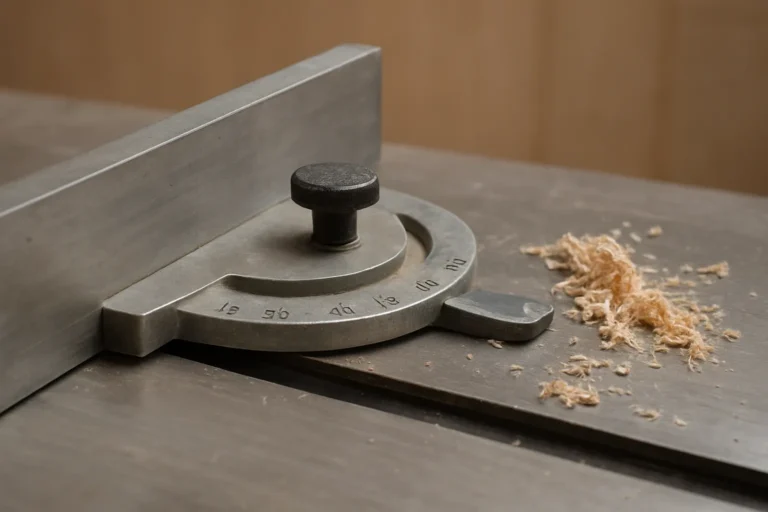
Both use a front crank or wheel for height and bevel adjustment rather than tool-free levers, and both bevel to 45 degrees, which is standard for this saw class. The DeWalt’s larger table gives a bit more room to read the angle scale at a glance, but the difference is minor enough that it shouldn’t be a deciding factor on its own.
Conclusion:
In conclusion, when choosing between Dewalt and Milwaukee table saws, it’s essential to consider factors such as project requirements, budget, and intended uses. Dewalt offers versatile options, value for money, and portability, making them suitable for a wide range of users.
Milwaukee, on the other hand, excels in professional applications, precision, and safety features, albeit at a higher price point. Ultimately, the best choice depends on individual needs and preferences. Think wisely and choose the right table saw specific to your requirements.
Sponsored / affiliate links. As an Amazon Associate I earn from qualifying purchases. I may earn additional commission from eligible campaigns.