DeWalt DW733 Thickness Planer: Specs, Capacity & Is It Worth It?
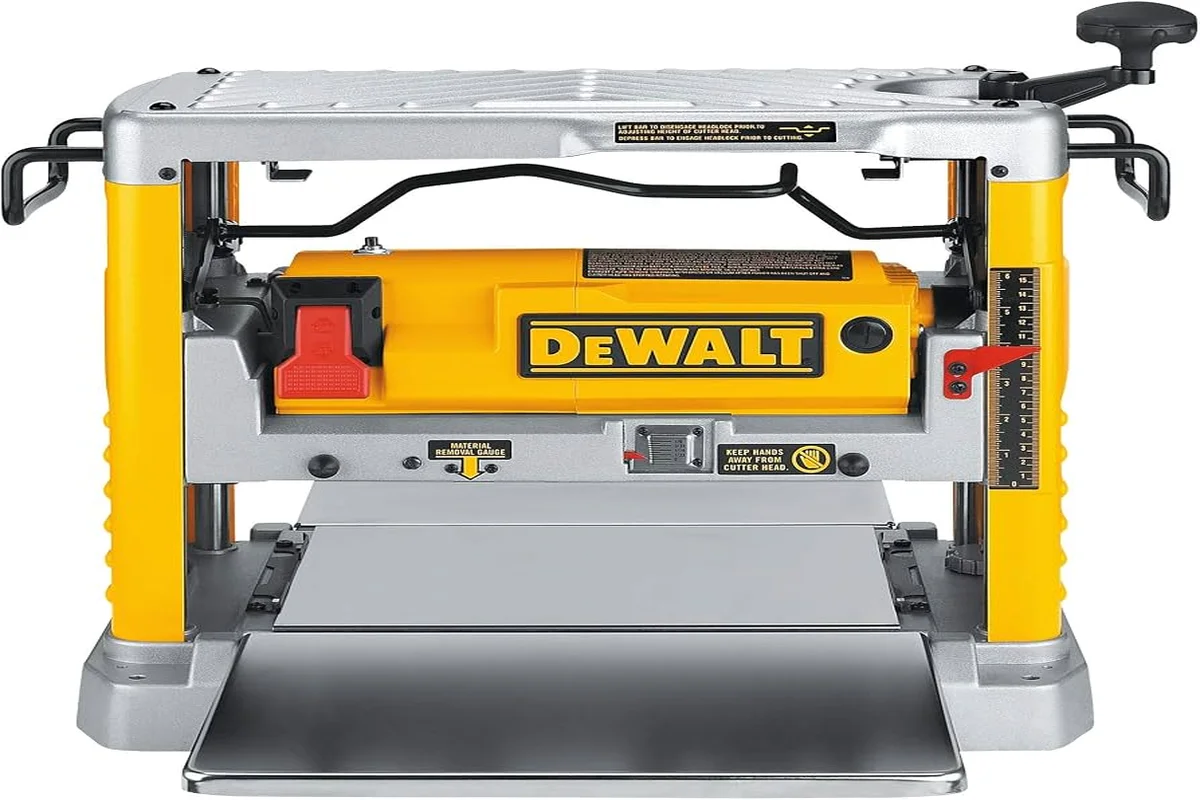
The DeWalt DW733 is a 12-1/2 inch benchtop thickness planer with a 6-inch maximum stock thickness capacity, a three-knife reversible cutter head, and a maximum depth of cut of 1/8 inch per pass. It’s built for woodworkers who need to flatten and size rough lumber without buying a full-size stationary planer.
Below: the full spec sheet, where the DW733 actually falls short, and whether it still holds up against newer benchtop planers.
Credit: www.amazon.com
Features And Specifications
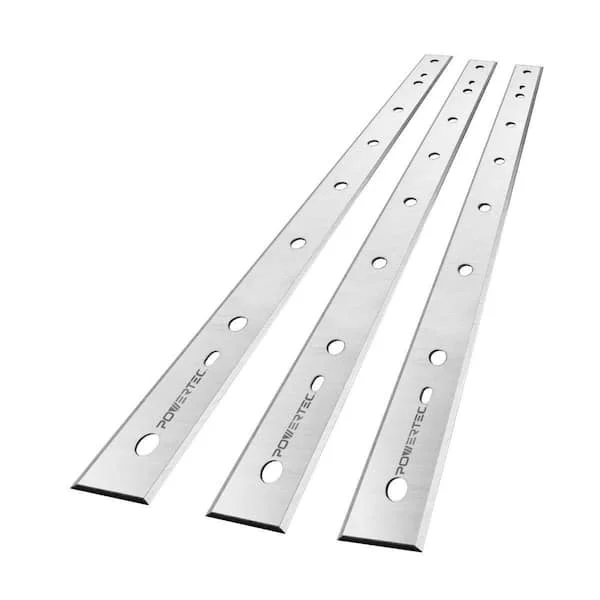
Best Replacement Blades for the DW733
 |
DEWALT DW7332 Planer Knives (2-Pack) – $54.99 Genuine OEM knives sized for the DW733’s 12-1/2 inch cutter head — the easiest upgrade once the stock blades finally dull on both edges.
|
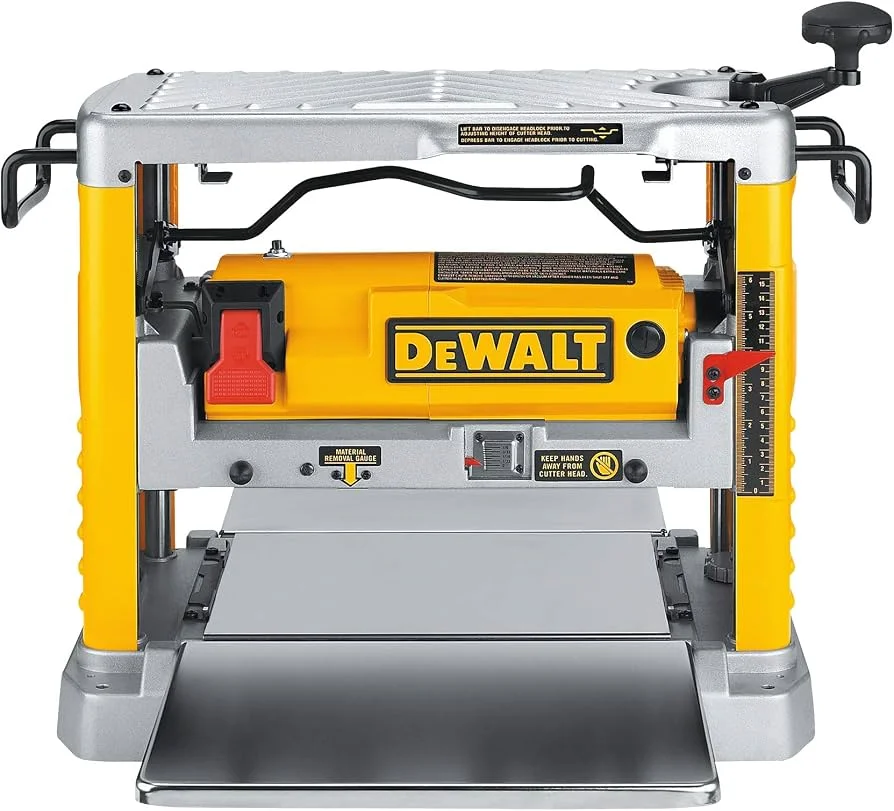
The DW733 pairs a 15-amp motor with a 10,000 RPM no-load speed and a four-column carriage lock that keeps the head parallel to the bed, which is what actually controls snipe on a benchtop planer more than motor power alone. Here’s how the rest of the spec sheet breaks down.
Cutting Depth And Width
Max cutting depth is 1/8 inch per pass, and max width is 12-1/2 inches – wide enough for most furniture-grade stock, though anything wider needs to be run through in sections or handled with a wider stationary planer.
Power And Performance
The 15-amp motor spins the cutter head at 10,000 RPM with no load, which is enough to get through hardwoods like oak and maple without bogging down on a full-width pass. The four-column carriage lock keeps the cutter head square to the bed as it moves, which is the actual mechanism that reduces snipe (the shallow gouge some planers leave at the start and end of a board) – not the motor.
Durability And Design
A cast-aluminum base adds weight and rigidity for a benchtop tool, while the reversible three-knife cutter head lets each knife be flipped to a second edge before it needs replacing outright. At around 80 lbs, it’s portable enough for a job site but heavy enough to stay put during a cut without needing to be bolted down.
Pros And Cons
Weighed against other benchtop planers in its price range, the DW733’s real strengths and weaknesses come down to a short, specific list – not a generic “pros and cons” of owning a planer.
Pros
- Efficient Cutting: This planer’s powerful motor and sharp blades allow for smooth and precise cuts, ensuring high-quality woodworking results.
- Compact and Portable: With its compact design, the Dewalt Wood Planer Dw733 is easy to transport and store, making it suitable for both professional woodworkers and hobbyists.
- Adjustable Depth: The planer offers flexible depth adjustment, allowing you to control the thickness of your woodwork with ease.
- Durability: Built with robust materials, this planer is designed to withstand heavy use and last for years, making it a dependable investment for any woodworking enthusiast.
- Easy Blade Replacement: Swapping out blades is a simple task, saving you time and effort when it’s time to maintain or upgrade your planer.
Cons
The real limitations to weigh before buying:
- No Dust Collection System: Unlike some other models on the market, this planer does not come with a built-in dust collection system. This means you’ll need to use an external dust extraction method to keep your workspace clean.
- Noisy Operation: Like most power tools, the Dewalt Wood Planer Dw733 generates some noise during operation. To mitigate this, it’s advisable to wear suitable ear protection while working.
- Limited Width Capacity: When planning wider pieces of wood, you may encounter some limitations with the Dewalt Wood Planer Dw733’s narrower width capacity. However, it still proves efficient for most woodworking projects.
Whether these tradeoffs matter depends on the shop: no dust port means it needs to sit near a shop vac hookup or accept a cleanup pass after every use, and the width cap rules it out for anyone regularly planing stock wider than 12-1/2 inches.
Best Practices
When working with the Dewalt Wood Planer Dw733, it’s important to follow best practices to ensure optimal performance and safety. Here are some key considerations to keep in mind when using this powerful tool.
Setting Up The Planer
Before starting, ensure that the planer is securely placed on a stable and level surface. Familiarize yourself with the manufacturer’s instructions for assembly and adjustments. Ensure that the blades are properly installed and positioned, and that all safety guards are in place. Always wear appropriate safety gear, including eye protection and ear defenders, when operating the planer.
Optimizing For Different Wood Types
When working with different wood types, it’s important to adjust the planer settings accordingly. For softer woods, such as pine or cedar, a slower feed rate and shallower cuts may be preferred to avoid tear-out. For hardwoods like oak or maple, a faster feed rate and deeper cuts can help achieve a smoother finish. It’s essential to make these adjustments carefully to avoid damaging the wood or the planer.
Credit: www.homedepot.com
Maintenance And Troubleshooting
Proper maintenance of your Dewalt Wood Planer DW733 is crucial to ensure its optimal performance and longevity. In this section, we will cover the essential Cleaning and Lubrication practices, as well as Common Issues and Solutions you may encounter while using the planer.
Cleaning And Lubrication
- Regularly clean the planer’s surfaces and blades to prevent buildup of debris.
- Use a damp cloth to wipe off dust and wood shavings from the exterior of the planer.
- Apply a thin layer of lubricant to the moving parts to keep them running smoothly.
- Check and clean the dust collection system to maintain efficient operation.
Common Issues And Solutions
- If the planer is producing uneven cuts, check and align the blades for proper positioning.
- Excessive vibration during operation may indicate a loose part that needs tightening.
- For motor issues, inspect the power supply and connections for any faults.
- If the planer jams frequently, ensure the feed rollers are clean and properly adjusted.
Frequently Asked Questions On Dewalt Wood Planer Dw733
What Is The Capacity Of The Dw733?
The DW733 has a maximum planing width of 12-1/2 inches, a maximum stock thickness capacity of 6 inches, and a maximum depth of cut of 1/8 inch per pass.
How Many Blades Does The Dw733 Have?
The DW733 uses a three-knife reversible cutter head. The knives are double-edged, so each one can be flipped to a fresh edge once the first side dulls before it needs replacing entirely.
Is A Thicknesser Worth It?
Yes, a thicknesser is worth it. It helps ensure uniform thickness for woodwork projects, making them look professional. A thicknesser saves time by reducing sanding needs and producing smooth and even surfaces. This tool is a valuable investment for woodworking enthusiasts and professionals.
What Angle Is The Dewalt Dw733 Blade?
The Dewalt DW733 blade is set at a 30-degree angle. This angle facilitates efficient cutting performance and precision.
Conclusion
The DW733 remains a solid benchtop planer for anyone working with stock up to 12-1/2 inches wide: the motor and carriage lock handle hardwoods without bogging down, and the reversible knives keep running costs reasonable. The lack of a dust port is the main real-world tradeoff to plan around.
Sponsored / affiliate links. As an Amazon Associate I earn from qualifying purchases. I may earn additional commission from eligible campaigns.