Dickinson Marine Wood Stove: Ultimate Boating Comfort
Imagine cozying up in your boat, cabin, or tiny home, enveloped in warmth while the world outside is chilly and brisk. With the Dickinson Marine Wood Stove, this isn’t just a dream—it’s your reality.
If you’re seeking the perfect heating solution that combines efficiency, style, and a touch of rustic charm, then you’re in the right place. This wood stove isn’t just about heat; it’s about creating an inviting atmosphere that turns any space into a snug retreat.
But why should you consider the Dickinson Marine Wood Stove over other options? And how can it transform your living space into a haven of comfort? By the end of this article, you’ll have all the answers, empowering you to make a decision that enhances your lifestyle. Get ready to discover why this wood stove could be the missing piece that completes your cozy corner.
Features Of Dickinson Marine Wood Stove
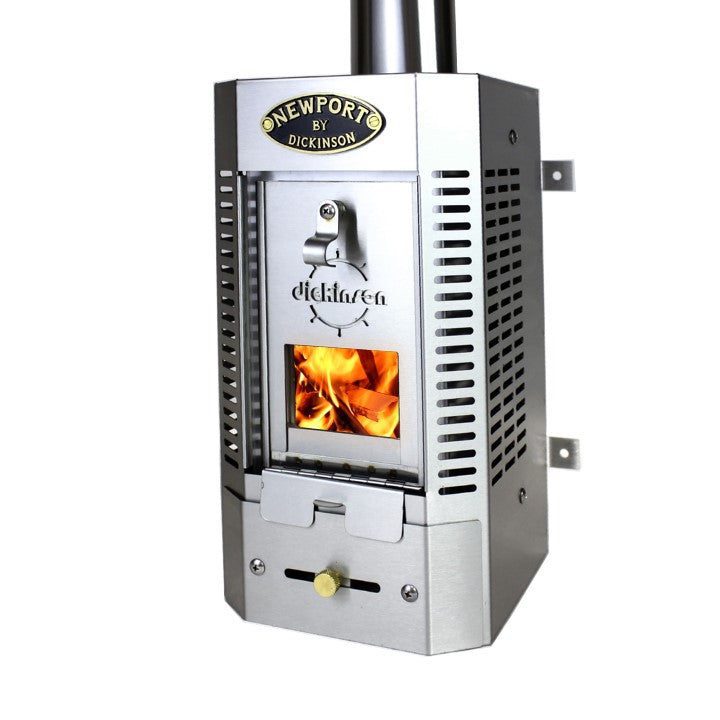
The Dickinson Marine Wood Stove is small. It fits in tight spaces. Perfect for boats. Saves space and looks neat.
This stove heats quickly. Keeps your space warm. Uses less wood than others. Saves fuel and energy. Great for cold days.
Made with strongmaterials. Lasts for many years. Resists rust and wear. Built for harsh conditions. Perfect for marine life.

Credit: www.youtube.com
Installation Process
Choose a spot where the stove fits well. Keep it away from walls. Make sure it is near a chimney. Avoid areas with a lot of foot traffic. Consider how easy it is to access the stove. Plan for space around the stove. Ensure it’s not in the way of other things.
Good air flow is important. Keep windows open if needed. Install vents nearby. Make sure smoke exits easily. Use fans if smoke stays inside. Check for blockages in vents. Ensure fresh air comes in.
Safety first when using the stove. Keep flammable items away. Use a smoke alarm nearby. Have a fire extinguisher ready. Ensure children stay away. Check the stove regularly for problems. Never leave the stove on unattended.
Operating The Wood Stove
Begin by placing small, dry pieces of wood inside the stove. Kindling helps the fire start quickly. Light the kindling with matches or a lighter. Keep the stove door slightly open for good airflow. This helps the fire grow stronger. Once the fire is burning well, close the door gently. Make sure the stove’s air vent is open.
Use the air vent to control the heat. Opening it allows more air in. This makes the fire burn hotter. Close the vent to reduce the heat. Adding larger pieces of wood keeps the fire steady. Never overload the stove with wood. This can make the stove too hot.
Regular cleaning is important. Remove ashes often to keep the stove clean. Check the stove’s chimney for any blockages. Inspect the stove door seal for any damage. Replace if needed. Keep a fire extinguisher nearby for safety. Ensure all stove parts are in good condition. This keeps the stove working well.
Benefits Of Using A Wood Stove On Boats
Wood stoves are budget-friendly. They save money on heating bills. Buying wood is often cheaperthan other fuels. This helps boat owners reduce expenses. Wood stoves are also easy to maintain. Less money spent on repairs.
Wood is a renewable resource. It doesn’t harm nature. Burning wood releases less pollutionthan gas. Trees can grow back. This makes wood stoves a green choice. Using wood stoves helps protect the earth.
Wood stoves create a warm atmosphere. Flames flicker, giving a cozy feel. This enhances the charm of a boat. Relax with the gentle glowof the stove. Enjoy peaceful moments on the water.
Comparing Dickinson Wood Stove With Alternatives
Propane heaters are easy to use. They start quickly and provide fast heat. You will need to store propane tanks. These tanks can be heavy and take up space. Propane heaters work well in most places. But they need good ventilation for safety. Always remember to check for leaks. Propane can be dangerous if not handled right.
Electric heaters are very simple. Just plug them in and they work. They are quiet and don’t make smoke. They need power to run. This means they won’t work without electricity. Electric heaters are often less warm than wood stoves. They can be a good choice for small spaces. But they might cost more over time.
Diesel heaters use liquid fuel. They can run for a long time. They are good for people who travel. Diesel is easy to find. These heaters need careful handling. Diesel heaters can be smoky and need a chimney. They can heat large areas. But they can be noisy when running.
Customer Experiences And Reviews
Many users love the Dickinson Marine Wood Stove. They praise its efficiency and compact size. It fits well in small boats and cabins. Users enjoy the warmth it provides. They say it heats up quickly. Some mention its easy installation. Others appreciate the sturdy build. It’s made to last long.
Some users find the price a bit high. Yet, they feel it’s worth it. Others mention the small firebox. It requires frequent refueling. But, they still love the cozy atmosphere it creates. Many suggest having extra tools for maintenance. This helps keep it running smoothly.
If the stove smokes, check the chimney for blockages. Ensure it is clean. Also, use dry wood. It helps reduce smoke. If the stove doesn’t light, check the air vents. Make sure they are open. This allows for better air flow. Regular cleaning prevents most issues. Keep the stove parts well-maintained.
Tips For Maximizing Comfort
Use dry woodfor better heat. Wet wood creates smoke and less heat. Cut wood into small pieces. This helps it burn faster. Keep your wood stove clean. This improves heat and saves wood.
Open a window sometimes. This helps fresh air come in. Check the stove’s seals. Tight seals keep smoke inside. Use a carbon monoxide detector. It keeps your family safe. Clean the chimney often. This stops smoke from coming back inside.
In winter, use more wood for warmth. In spring, use less wood. Adjust the stove’s airflow. More air makes fire burn hotter. Less air slows it down. Watch the weather. On cold days, keep the stove burning longer.

Credit: dickinsonmarine.eu
Frequently Asked Questions
What Is A Dickinson Marine Wood Stove?
A Dickinson Marine Wood Stove is a compact heating solution designed for boats. It offers efficient heat output and is crafted from durable materials. Ideal for marine environments, it ensures warmth during cold voyages. Its space-saving design makes it a popular choice for boat owners.
How Do You Install A Marine Wood Stove?
Installing a marine wood stove requires careful planning and adherence to safety guidelines. Ensure proper ventilation and clearances. Use heat-resistant materials around the stove. Secure the stove to prevent movement. Consult the manufacturer’s instructions and consider professional installation for optimal safety and performance.
Are Dickinson Marine Wood Stoves Efficient?
Yes, Dickinson Marine Wood Stoves are known for their efficiency. They provide consistent heat while using minimal wood. Their design focuses on maximizing heat output and minimizing fuel consumption. This makes them a reliable and eco-friendly choice for heating small spaces on boats.
What Maintenance Does A Wood Stove Require?
Regular maintenance includes cleaning the chimney and stove interior to prevent creosote buildup. Check gaskets and seals for wear. Inspect the stove for any damage or rust. Ensure proper ventilation and clearances. Routine maintenance ensures efficient operation and prolongs the stove’s lifespan.
Conclusion
Choosing a Dickinson Marine Wood Stove offers many benefits. It provides warmth and comfort on cold days. Its compact design fits perfectly in small spaces. Made with durability in mind, it lasts for years. Enjoy the charm of wood-burning heat.
It’s a reliable choice for marine environments. Easy to install and maintain, saving time and effort. This stove enhances any boating experience. Explore more about its features and find your ideal stove. Stay warm and cozy with Dickinson. A smart addition to any vessel.
Experience the warmth of a classic wood stove today.