How to Remove Diesel Fuel from Wood (Safely, Step by Step)
Diesel fuel lifts off finished wood with dish soap and warm water, but on bare or porous wood it needs baking soda or cornstarch to draw it out first — water alone can push diesel deeper into the grain. Left balled up, a diesel-soaked rag is a real fire hazard, though not through the same self-heating reaction that ignites linseed-oil rags. This guide covers cleanup by wood type, safe rag disposal, and getting rid of the smell for good.
Quick Answer
Blot diesel fuel with paper towels right away, pressing firmly and moving to a clean spot with each press. On finished or painted wood, wash with dish soap and warm water. On bare or unfinished wood, cover the spill with baking soda or cornstarch first to pull the diesel out of the pores before any liquid touches it. Skip bleach — it doesn’t break down petroleum and can discolor the wood. Dry diesel-soaked rags flat outdoors, never balled up indoors.
Best Degreaser for Diesel Stains on Wood
Best Diesel Degreaser Pick
 |
Zep Heavy-Duty Citrus Degreaser 32 oz – $12.97 A citrus-solvent degreaser strong enough to cut diesel and grease but gentle enough for sealed wood floors and furniture — the same finished-wood cleanup step this guide recommends after the initial soap-and-water pass doesn’t fully lift a stain.
|
As an Amazon Associate we earn from qualifying purchases.
Wear rubber gloves and work in a ventilated area — open a window or run a fan — since diesel fumes are unpleasant and mildly harmful to breathe in an enclosed space for long stretches. Spray the degreaser on the residue, let it sit for two to three minutes, then wipe with a clean cloth and rinse with warm water. Never use it on bare or unsealed wood; the solvent can soak in and darken unfinished grain the same way the diesel did.
How to Remove Diesel Fuel from Wood, Step by Step
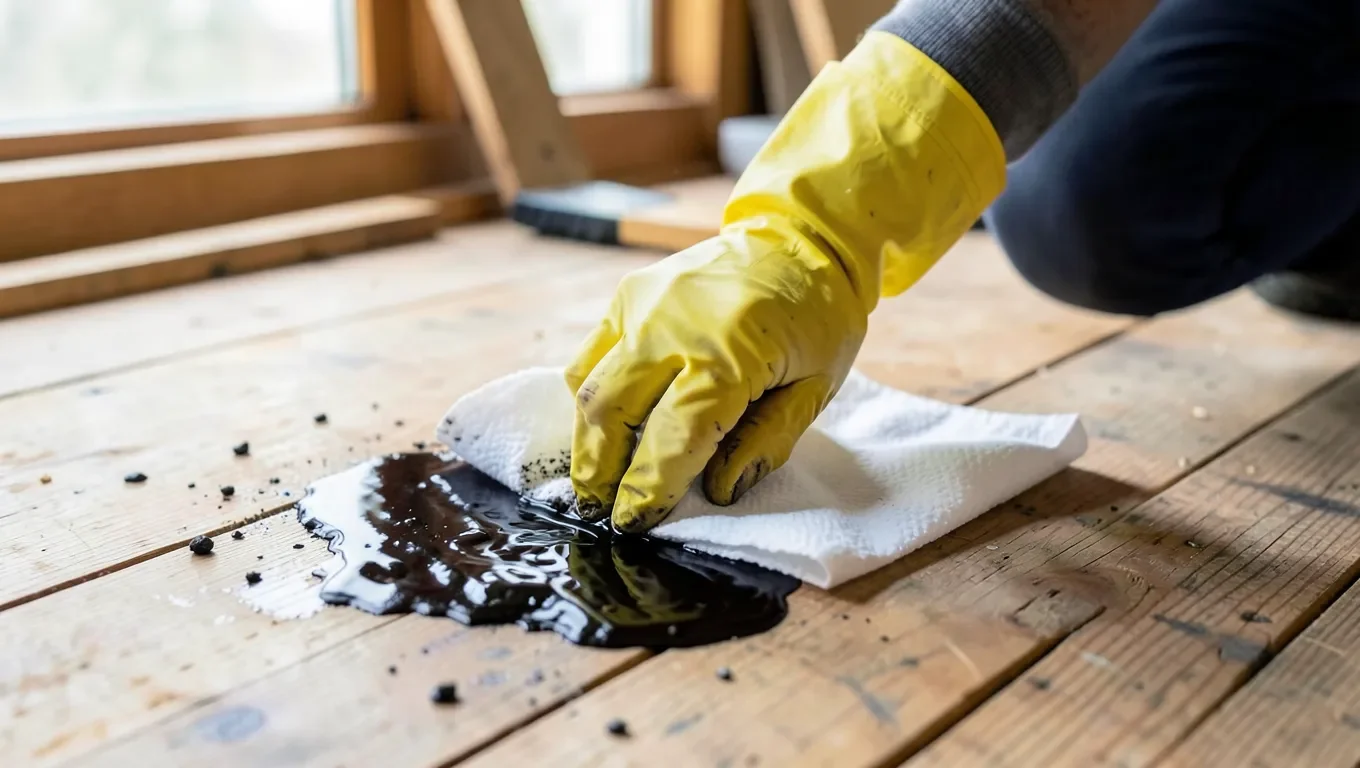
- Blot immediately: Press dry paper towels or a clean rag onto the spill for about 5 seconds at a time, moving to a clean section of towel with every press until nothing more transfers.
- Match the method to the wood: If the surface is painted, varnished, or sealed, move straight to soap and water. If it’s bare or unfinished wood, do not add any liquid yet — go to the dry-capture step first.
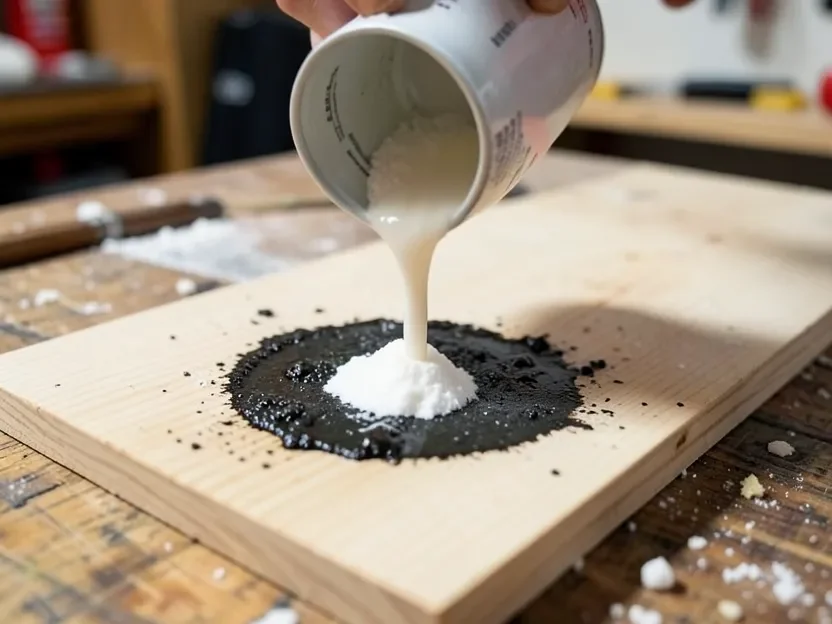
- Dry-capture on bare wood: Pour baking soda or cornstarch directly over the stain, thick enough to fully cover it, and let it sit for at least 30 minutes so it can pull the diesel up out of the pores.
- Sweep and wash: Sweep or vacuum up the now-oily powder, then scrub the area with dish soap and warm water on a soft brush. Rinse and let the wood dry completely before deciding if a second round is needed.
- Check for a deep soak: If the wood still looks dark or smells strongly after it dries, the diesel has soaked past the surface. Wipe with isopropyl alcohol to dissolve what’s left, or sand it out on bare wood.
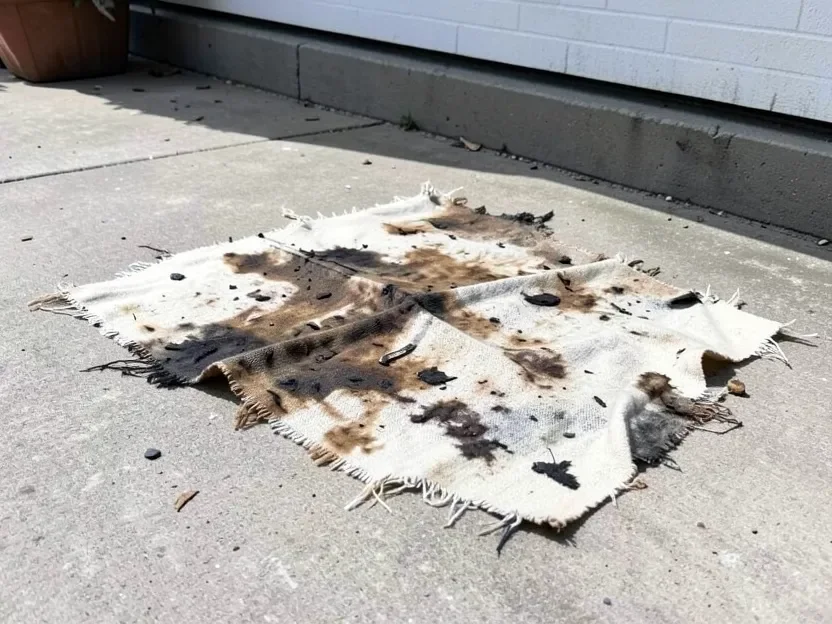
- Deal with the cleanup materials: Lay every diesel-soaked rag or towel flat outdoors to dry, away from the house, a grill, or anything with a pilot light — don’t toss them balled up in an indoor trash can.
Cleaning Method by Wood Type
Not every wood surface handles the same cleanup the same way — what’s safe on a sealed table top can push a stain deeper into bare structural lumber. Here’s how to match the method to the surface.
| Wood Type | Best Method | Why |
|---|---|---|
| Sealed or varnished furniture, flooring | Dish soap + warm water, then degreaser if needed | The finish blocks penetration, so a water-based cleaner won’t damage the wood underneath |
| Bare or unfinished softwood, plywood, subfloor | Baking soda or cornstarch dry-capture, then light sanding | Porous wood absorbs diesel fast; adding water first pushes it deeper into the grain |
| Deeply soaked structural timber or fence posts | Isopropyl alcohol wipe-down, then sand back the surface | Alcohol dissolves diesel on contact; sanding removes what soaked in too far to lift out |
| Painted wood | Dish soap + water only | Alcohol and other solvents can lift, blister, or discolor paint |
Is Diesel-Soaked Wood or Rags a Fire Hazard?
Diesel is a petroleum distillate that presents a flammability hazard, not a spontaneous-combustion one. That’s a real distinction, not a technicality: linseed oil and other drying oils self-heat through an oxidation reaction as they cure, and a rag soaked in one can smolder and ignite entirely on its own with no spark involved. Diesel doesn’t cure or oxidize that way, so a diesel-soaked rag won’t burst into flame by itself sitting in a pile.
That doesn’t make it safe to ignore. Diesel-soaked material holds flammable vapor and residue that can catch immediately near an open flame, a spark, or a hot surface — a pilot light, a running shop heater, a grinder. Treat the rags, and the room you’re cleaning in, accordingly.
📊 Never dispose of fuel- or oil-soaked rags balled up in a household trash can, dumpster, or trash compactor. Lay them flat outdoors to dry completely, away from the house and anything with an open flame, or seal them in a metal container with water until you can dispose of them properly. — Source: New Pig, Absorbent Training: Oily Rags & Combustion
While you’re cleaning, keep the area ventilated — open windows and doors, or run a fan — both to clear the fumes and to keep vapor from concentrating near anything that could ignite it. Once the rags are fully dry outdoors, normal household trash disposal is fine; the fire risk is specifically tied to the wet, vapor-heavy stage.
Getting Rid of Lingering Diesel Odor
If the stain is gone but the smell isn’t, the diesel has soaked in deeper than the surface. Sprinkle baking soda, fine coffee grounds, or a bowl of activated charcoal near the spot and let it sit for 24 to 48 hours — all three absorb airborne odor rather than masking it. For bare wood, lightly sanding the surface after the stain is cleaned often removes the last of the smell along with the top layer of soaked fibers.
A vinegar-and-water wipe (one part vinegar to one part water) can help cut a mild residual odor on sealed wood, but don’t expect it to fix a deep soak by itself — it works on the surface film, not what’s absorbed into the grain.
Restoring the Wood After Cleaning
Once the wood is clean, dry, and odor-free, sand any bare area you treated — medium-grit first, then fine-grit, always working with the grain. If the original finish was disturbed by the cleaning process, a matching wood stain remover can help even out the surface before you refinish it. Apply a new stain or sealant once the wood is fully dry, and let it cure per the product’s instructions before the surface goes back into regular use.
If the diesel damaged or clouded the existing finish rather than just the raw wood, that’s a furniture-finish repair rather than a fresh refinish — see our guide on how to repair a furniture finish for fixing scratches, cloudy patches, and other surface damage without stripping the whole piece. A fresh sealant also helps protect the wood from the moisture exposure that comes with washing it down in the first place.
When to Call In a Professional
DIY cleaning handles most spills, but call a professional restoration or flooring company if the wood is visibly warped or cupped, if the smell doesn’t fade after a full week of odor treatment, or if the spill soaked into a large area of structural flooring rather than a single board or piece of furniture. Get quotes from at least two or three companies, and confirm they carry insurance and have handled fuel or oil damage specifically — general water-damage restoration isn’t quite the same job.
Frequently Asked Questions
How can I safely remove diesel fuel from wood?
Blot the spill with paper towels first, then match your method to the wood: dish soap and warm water on finished or sealed surfaces, or baking soda for at least 30 minutes on bare wood before adding any liquid. Wear gloves and work in a ventilated space, and sand lightly afterward if the wood still looks or smells affected.
Is diesel-soaked wood or rags a fire hazard?
Yes, but not through spontaneous combustion the way linseed-oil rags are. Diesel doesn’t self-heat through oxidation, so a soaked rag won’t ignite on its own. It still holds flammable vapor that can catch near an open flame or spark, so lay rags flat outdoors to dry and never toss them balled up indoors.
Is it safe to use bleach on diesel stains?
No. Bleach doesn’t break down petroleum-based fuel, so it won’t actually lift a diesel stain, and it can discolor or damage the wood in the process. Stick with dish soap and water on finished wood, or baking soda on bare wood, instead.
Will diesel smell go away from wood on its own?
A light surface smell often fades within a few days once the area is clean and dry. A deeper soak into bare wood can linger for weeks without help — baking soda, coffee grounds, or activated charcoal left nearby for a day or two will pull out most of what a wipe-down leaves behind.
How do I dispose of diesel-soaked rags and cleaning materials?
Never put them balled up in a household trash can, dumpster, or compactor. Spread them out flat outdoors, away from the house or anything with an open flame, until they’re completely dry, or seal them in a metal container filled with water until you can dispose of them.
Conclusion
Diesel fuel is a solvable problem on wood as long as you match the cleanup method to the surface — soap and water for finished wood, baking soda first for bare wood, and never bleach. The bigger risk isn’t the stain, it’s what you do with the rags afterward: dry them flat outdoors and dispose of them properly, and you’ve handled both the mess and the fire hazard the right way.
Sponsored / affiliate links. As an Amazon Associate I earn from qualifying purchases. I may earn additional commission from eligible campaigns.