Do I Need Underlayment for Laminate Flooring on Plywood?
Are you wondering whether underlayment is necessary for your laminate flooring on plywood? You’re not alone.
Many homeowners face this question when planning their flooring projects. Making the right choice can mean the difference between a floor that lasts and one that doesn’t quite meet your expectations. Imagine stepping onto a floor that feels solid, comfortable, and quiet underfoot.
That’s the power of choosing the right underlayment. As you navigate this decision, you’ll discover how underlayment can enhance your home’s comfort, insulation, and even its acoustics. Ready to uncover the secrets that could transform your flooring experience? Dive in to find out why underlayment might just be the missing piece in your flooring puzzle.
:max_bytes(150000):strip_icc()/laminate-flooring-underlayment-1314969-hero-3894e0b403fb4e59a87a076e3da9914f.jpg)
Credit: www.thespruce.com
Benefits Of Underlayment
Underlayment helps reduce noise in your home. Footsteps sound less loud. Music and TV sounds are softer too. Your house feels quieter. Neighbors hear less noise. Enjoy peace at home.
Walking feels better with underlayment. Floors feel softer and warmer. Your feet stay cozy. No more cold feet in winter. Kids love playing on the warm floor. It’s nice for everyone.
Underlayment protects against moisture. Keeps floors dry. Stops water from reaching plywood. Prevents mold and damage. Helps your floor last longer. A dry home is a healthy home.
Types Of Underlayment
Foam underlayment is very popular. It is lightweight and easy to install. Foam helps to reduce noise. It gives a soft feel underfoot. Moisture protection is an added bonus with foam. It is affordable and widely available. This makes it a common choice for many.
Cork is a natural underlayment. It is eco-friendly and sustainable. Cork provides excellent sound absorption. It also offers warmth underfoot. Cork is more expensive than foam. Yet, it is durable and long-lasting. Many prefer cork for its natural benefits.
Rubber underlayment is dense and heavy. It offers superb sound insulation. Rubber is also water-resistant. It is good for areas prone to moisture. Rubber is durable and strong. It can withstand heavy traffic. This makes it ideal for busy areas.
Considerations For Plywood Subfloor
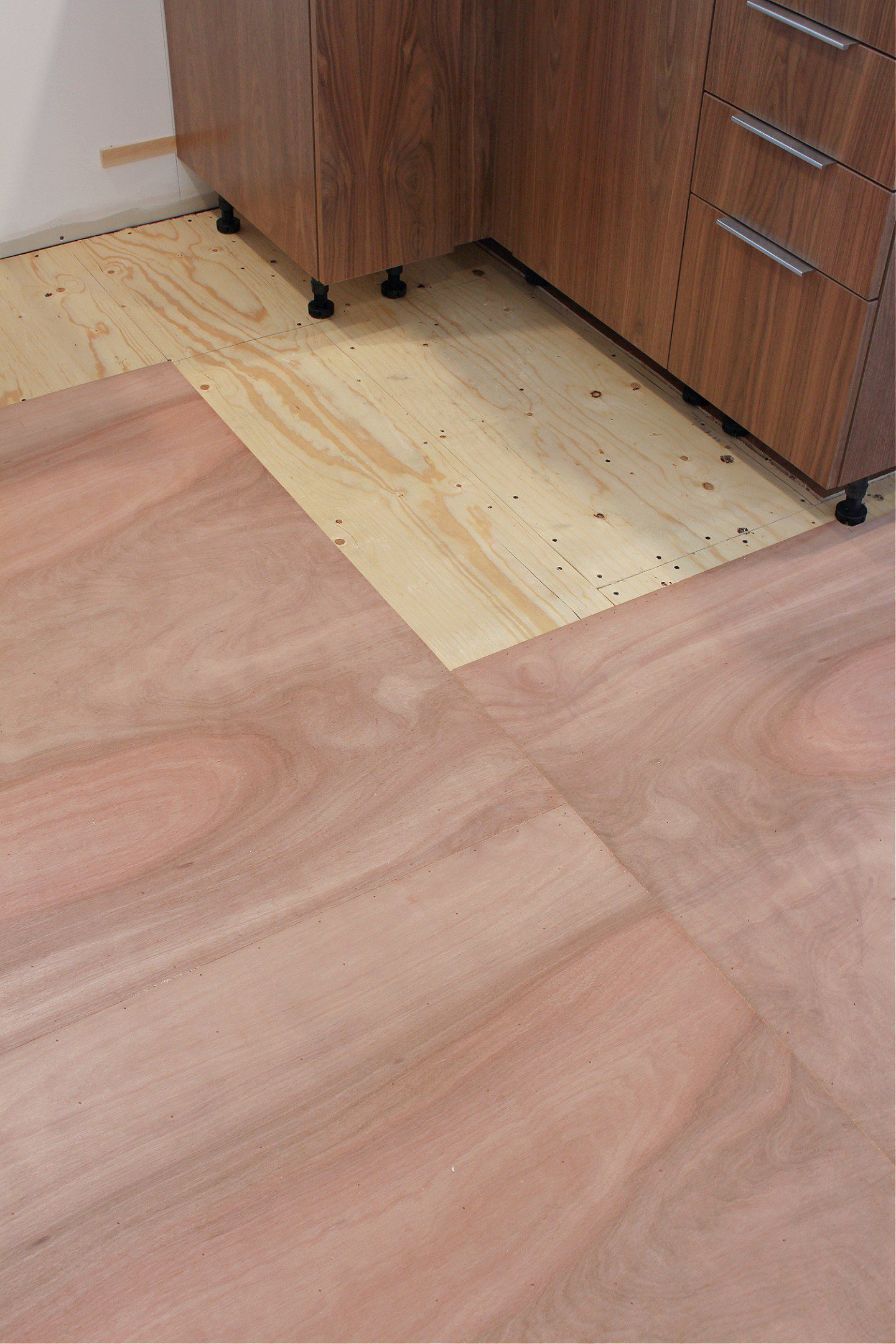
Always check the conditionof the plywood first. It must be smooth and clean. Any damagecan cause issues later. Look for cracksor holes. Fix them before adding laminate flooring. Keep it dryto prevent mold.
Plywood should be thickand dense. Thin plywood might bend. It can cause the flooring to break. Thicker plywood supports flooring better. It helps in lastinglonger.
Good plywood makes the flooring durable. It keeps the laminate stable. A solid base means fewer problems. Durable flooring saves money in the long run.
Credit: www.lxhausys.com
Installation Tips
Choosing underlayment for laminate flooring on plywood can enhance comfort and soundproofing. It provides a smooth surface and adds insulation. Consider moisture protection needs when installing in areas prone to dampness.
Preparing The Subfloor
Start with a clean plywood floor. Dust and dirt can cause problems. Check the floor for bumps and dips. Smooth them out. Repair any damage to the wood. A flat surface helps the laminate lay right.
Laying The Underlayment
Underlayment is important for laminate floors. Roll it out on the plywood. Make sure there are no gaps. Overlapping is not good. Cut the edges neatly. This will help the laminate fit well.
Securing Laminate Flooring
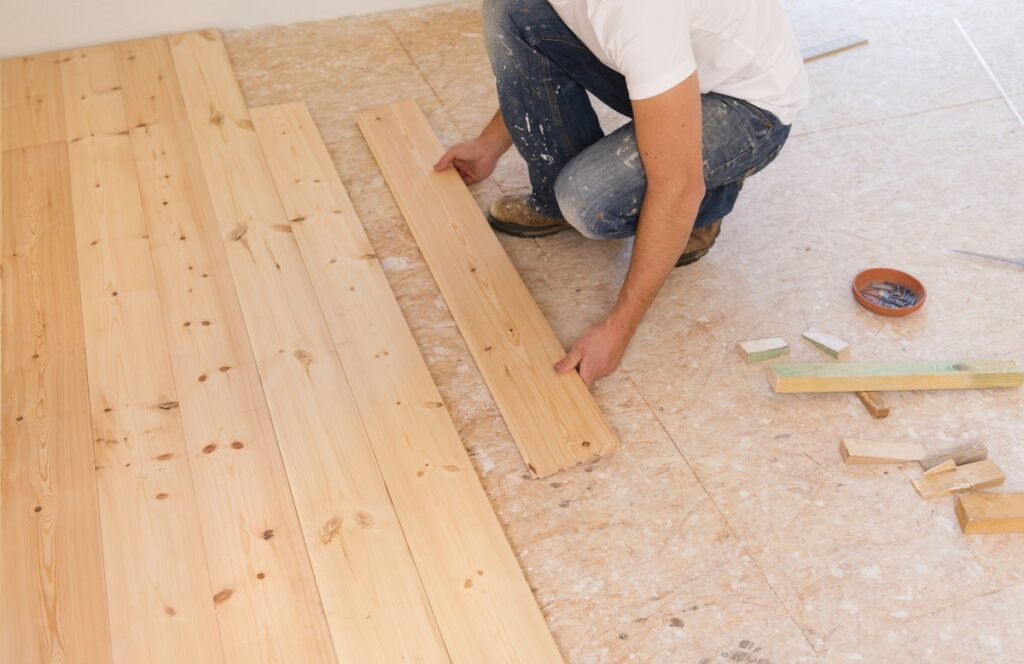
Begin at the corner of the room. Place the first board down. Ensure it is straight. Click the boards together. This keeps the floor tight. Continue across the room until finished.
Common Mistakes To Avoid
Ignoring Moisture Levelscan cause damage to laminate floors. Water can warp the boards. Always check for moisture. Use a moisture meter. Keep floors dry and safe.
Overlooking Subfloor Preparationleads to uneven surfaces. Plywood must be clean and flat. Remove debris and dust. Fill any holes or gaps. Ensure a smooth base for the laminate.
Choosing Incompatible Materialsaffects floor stability. Not all underlayments work with plywood. Some may be too thick. Others may not provide enough support. Pick the right type for your project.
Cost Implications
Underlayment can be a small part of costs. Plywood itself is not cheap. Budgeting helps you plan better. Laminate flooring needs a good base. A good base lasts long. Quality materials save money in the end.
Spending more now can save later. Proper underlayment protects floors. Fewer repairs mean less cost. Well-laid floors last longer. Investing wisely pays off over time.
Different underlayments have different prices. Some are cheaper but less durable. Others are expensive but last longer. Choose based on your needs and budget. Comparing helps find the best deal.
Expert Opinions
Experts say underlayment helps with sound and warmth. It acts as a cushion. This makes the floor feel soft. Without it, the floor can be noisy. The plywood base might not be smooth. This can cause wear on the laminate.
Some homeowners think underlayment is a must. They notice the floor feels better. Others skip it to save money. They find the floor harder and colder. The choice depends on needs. Comfort or cost. Which one matters more?
Many companies suggest using underlayment. It can extend the life of floors. Some brands even require it. This ensures warranty stays valid. Check the product details. Follow the guidance for the best results.

Credit: danslelakehouse.com
Frequently Asked Questions
Is Underlayment Necessary For Laminate On Plywood?
Underlayment is essential for laminate flooring on plywood. It provides sound insulation and moisture protection. Underlayment also helps in leveling the surface, ensuring a smoother finish. Without it, your floor might feel and sound hollow. Using underlayment can enhance the longevity and performance of your laminate flooring.
What Type Of Underlayment Is Best For Plywood?
Foam or cork underlayments are ideal for plywood. They provide excellent sound insulation and comfort. Foam is affordable and easy to install, while cork offers superior eco-friendly properties. Both options protect against moisture and improve the floor’s stability. Choose based on your specific needs and budget.
Can I Skip Underlayment On Plywood Subfloor?
Skipping underlayment is not recommended for laminate on plywood. It might lead to noise and moisture issues. Without underlayment, your laminate floor may wear out faster. Underlayment enhances comfort, soundproofing, and moisture resistance. It ensures a durable and long-lasting laminate flooring solution.
Does Underlayment Improve Insulation For Laminate Flooring?
Yes, underlayment significantly improves insulation for laminate flooring. It helps in reducing noise and provides thermal insulation. This makes the floor feel warmer and more comfortable underfoot. Additionally, it acts as a barrier against moisture, enhancing the durability of the laminate flooring.
Conclusion
Choosing whether to use underlayment on plywood for laminate flooring depends on your needs. It can enhance comfort and reduce noise. It also offers moisture protection, which is crucial. Without it, floors may wear faster. Consider your home environment. Is it humid or noisy?
Underlayment might be essential. Think about your budget too. It adds cost but saves on repairs. Research products that fit your situation. Evaluate the pros and cons carefully. Make sure your flooring lasts longer. Your home will thank you for it.