Does Japanese Maple Make Syrup? Truth Explained
It’s a common question for gardeners and nature lovers: Does Japanese Maple Make Syrup? Truth Explained is something many people wonder about when they see these beautiful trees. You might have heard that maple syrup comes from maple trees, and Japanese maples are maples, right?
This can be a little confusing for beginners, but don’t worry! We’ll clear things up in a super simple way. This guide will give you the straightforward answer and tell you everything you need to know.
We’ll cover the main points and make it easy to understand.
Japanese Maple Sap And Syrup Potential
This section talks about whether Japanese maple trees can be tapped for sap to make syrup. We will explore the characteristics of Japanese maples and how their sap compares to trees that are typically used for syrup production. Understanding the science behind sap flow and sugar content is key to answering this question.
We aim to provide clear insights into why Japanese maples are generally not suitable for commercial syrup making, even though they are part of the maple family.
Sap Characteristics Of Japanese Maples
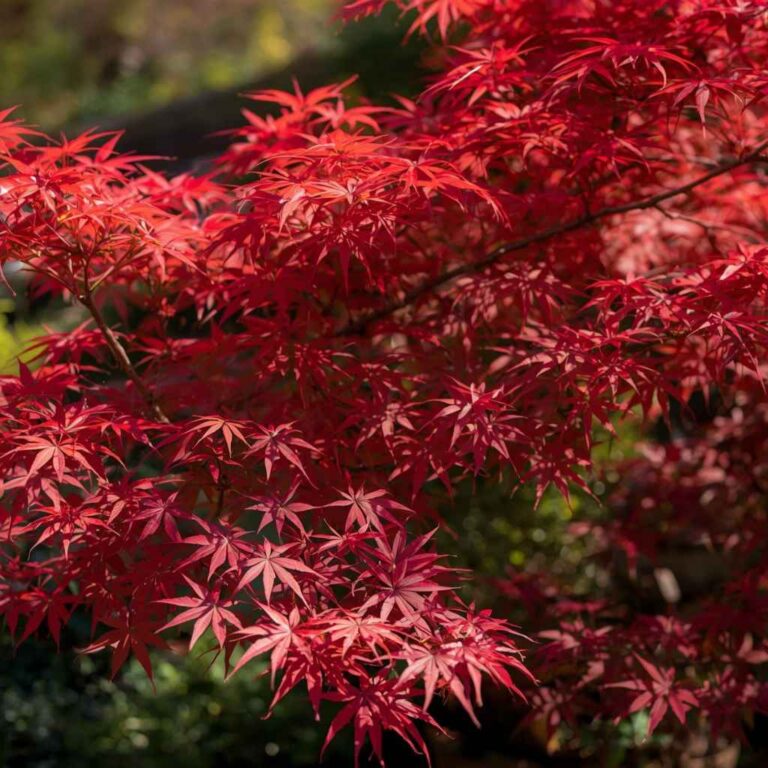
Japanese maple trees, scientifically known as Acer palmatum, are celebrated for their stunning foliage and graceful forms. While they belong to the Acer genus, which includes popular syrup-producing maples like sugar maples (Acer saccharum), their sap characteristics differ significantly. The sap of Japanese maples does flow in the spring, similar to other maples, as temperatures fluctuate.
However, the sugar concentration in their sap is considerably lower. This means a much larger volume of sap would need to be collected and boiled down to produce a usable amount of syrup.
The primary sugar in maple sap is sucrose. In sugar maples, sap can contain anywhere from 2% to 5% sugar. Japanese maples typically have sap with less than 1% sugar.
This difference is critical for syrup production. It takes approximately 40 gallons of sap from sugar maples to make one gallon of syrup. For Japanese maples, the volume required would be vastly higher, making the process economically and practically infeasible.
Furthermore, the taste profile of Japanese maple sap is not ideal for syrup. While sugar maple sap has a mild, pleasant sweetness that concentrates into a rich flavor when boiled, Japanese maple sap can have a more bitter or watery taste. This further limits its appeal for culinary syrup production.
The energy and resources needed to extract, boil, and refine sap with such low sugar content and less desirable flavor would outweigh any potential reward.
Comparing Sap Yield And Sugar Content
When we talk about making syrup, two main things matter: how much sap a tree gives and how much sugar is in that sap. Trees like the sugar maple are perfect for this because they produce a lot of sap and it’s naturally sweet. This sweetness comes from the stored starches in their roots.
These starches convert to sugars and are released into the sap.
Japanese maples, while related, just don’t have the same sugar-making ability. Their sap usually has a very low sugar content, often below one percent. To put this into perspective, it takes about 40 gallons of sap from a sugar maple to make one gallon of syrup.
If you tried to make syrup from Japanese maples, you might need 100 gallons or even more sap for just one gallon of syrup. This is a huge difference!
The sap from Japanese maples also doesn’t have the same pleasant taste as sugar maple sap. It can sometimes taste a bit bland or even slightly unpleasant. For syrup to be delicious, the sap needs a good amount of natural sweetness that gets concentrated during boiling.
Because Japanese maples lack this, the resulting syrup, if you could even make it in a useful amount, wouldn’t be very tasty.
In summary, the differences in sap yield and sugar content make Japanese maples a poor choice for syrup production compared to traditional maple varieties. The effort and resources required would be immense, and the quality of the final product would likely be disappointing.
Traditional Maple Syrup Production
This section explains how traditional maple syrup is made, focusing on the tree species, tapping methods, and the boiling process. We will highlight why certain maple trees are favored for their sap quality and quantity. This will provide a clear contrast to the suitability of Japanese maples for syrup making.
We will detail the science behind sap collection and sugar concentration, offering a foundation for understanding the challenges with less common maple varieties.
Which Maple Trees Are Best For Syrup
When people think of maple syrup, they usually imagine it coming from specific types of maple trees. The champion for syrup making is the sugar maple (Acer saccharum). These trees have the perfect combination of characteristics needed for delicious and plentiful syrup.
Their sap is rich in sugar, often around 2% to 5%, which makes the boiling process efficient.
Other maple species can also be tapped, though their sap might be less sweet or require different processing. Red maple (Acer rubrum) and silver maple (Acer saccharinum) are sometimes used. Red maple sap typically has a sugar content of 1% to 3%, while silver maple sap can be even lower, around 1% to 2%.
While still lower than sugar maples, these can be viable options for home syrup makers.
The key factors that make these trees suitable are their natural ability to store and produce a high concentration of sucrose in their sap during the right weather conditions. These conditions typically involve freezing nights followed by thawing days in late winter and early spring. This temperature fluctuation creates pressure within the tree that drives the sap flow.
Japanese maples, unfortunately, do not share these desirable traits to the same extent. Their sap is much thinner and contains far less sugar, making the entire process of syrup production impractical and inefficient.
The Tapping And Boiling Process
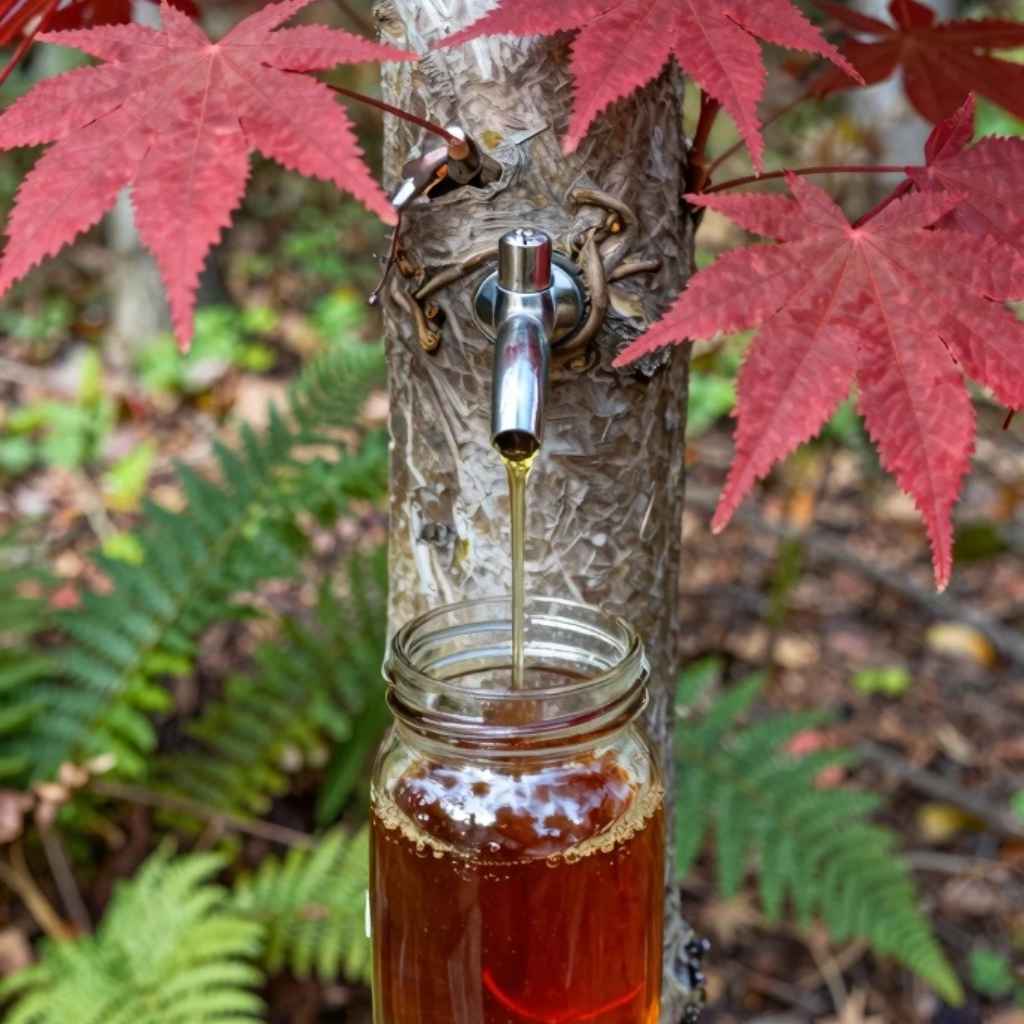
Making maple syrup is a fascinating process that begins with tapping the maple trees. This involves drilling a small hole into the trunk of a mature maple tree, usually in late winter or early spring. A spout, called a spile, is then inserted into the hole.
This spile directs the sap as it flows out of the tree.
The best time for tapping is when the temperature drops below freezing at night and rises above freezing during the day. This temperature fluctuation is crucial for creating the internal pressure within the tree that causes the sap to flow. Sap from the spiles is collected in buckets or through a system of plastic tubing that funnels it to a central collection tank.
Once collected, the sap, which is mostly water with a small percentage of sugar, is then boiled. This boiling process is what concentrates the sugar and transforms the watery sap into thick, flavorful syrup. A significant amount of water needs to evaporate to reach the desired syrup consistency and sugar concentration (around 66-67% sugar).
This takes a lot of heat and time.
For example, it might take 40 gallons of sugar maple sap to produce just one gallon of syrup. This highlights why the sugar content of the sap is so important. If the sap has a very low sugar content, like that from a Japanese maple, you would need an enormous volume of sap and a tremendous amount of boiling time and energy to make even a small amount of syrup.
This makes it an impractical endeavor.
Why Japanese Maples Are Not Ideal For Syrup
This section directly addresses the core question of the post, explaining in detail why Japanese maples are not suitable for syrup production. We will re-emphasize the low sugar content and discuss other factors like tree maturity and sap taste. The goal is to provide a comprehensive answer that leaves no room for doubt.
We will focus on the practical and biological reasons that distinguish them from traditional syrup-producing maples.
Low Sugar Content Is The Main Issue
The most significant reason why Japanese maples are not used for making syrup is their extremely low sugar content. While they are indeed maples and their sap does flow, the amount of sugar dissolved in that sap is minimal. We’re talking about sap that often has less than 1% sugar, whereas the sap from sugar maples, the gold standard for syrup, can contain 2% to 5% or even more.
Imagine trying to make sweetened tea with just a tiny pinch of sugar in a whole pitcher of water. That’s similar to what you’d face with Japanese maple sap. To get even a single gallon of syrup, you would need to collect hundreds of gallons of this very watery sap.
This would require a massive number of trees, extensive collection systems, and an incredible amount of boiling time and energy.
The economics and practicality of such an operation are simply not feasible. The cost of tapping, collecting, and boiling down such vast quantities of low-sugar sap would far exceed the value of the syrup produced. It’s an inefficient use of resources and effort, which is why commercial syrup producers and even most hobbyists overlook Japanese maples entirely.
This low sugar concentration is a biological trait of the Japanese maple species. It’s not something that can be easily changed or improved through cultivation or special techniques. Their sap is simply not engineered by nature to be a good source for syrup making.
Sap Taste And Other Tree Factors
Beyond just the amount of sugar, the taste of the sap also plays a crucial role. Sap from sugar maples has a clean, mildly sweet flavor that concentrates into the rich, distinct taste of maple syrup when boiled. The sap from Japanese maples, however, can often have a more watery or even slightly bitter taste.
This undesirable flavor profile would likely carry over into any syrup that might be produced, resulting in a product that is not very appealing.
Another factor to consider is the maturity of the tree. For any maple tree to be tapped for sap, it needs to be healthy and mature, typically with a trunk diameter of at least 10-12 inches. While Japanese maples can grow large, the inherent sap quality remains the limiting factor.
Even a mature Japanese maple would not provide the sugar concentration needed for syrup production.
The primary purpose of Japanese maples in landscaping and gardening is their aesthetic beauty. Their delicate leaves, vibrant colors, and intricate branching patterns are their main attractions. They are cultivated for ornamental value, not for producing food products like syrup.
This difference in intended use further explains why they are not considered for syrup making.
In essence, while the family connection exists, the biological makeup of Japanese maples makes them fundamentally unsuitable for the art and science of maple syrup production.
Exploring Alternatives And Related Topics
This section looks at other trees that can be tapped for sap and discusses the broader topic of tree syrups. We’ll explore which other species are viable alternatives and mention other natural sweeteners derived from trees. This will provide context and answer related questions that readers might have after learning about Japanese maples.
It’s about broadening the perspective to understand the world of tree-based syrups.
Other Sap-Producing Trees
While sugar maples are the top choice, other trees can also be tapped for syrup. As mentioned, red maples and silver maples are possibilities, though their sap is generally less sugary than that of sugar maples. Birch trees are another example of a tree that can be tapped.
Birch syrup has a unique flavor, often described as more complex, fruity, or molasses-like, and it takes a much longer time to boil down because the sap has a lower sugar content than maple sap.
Other less common options include boxelder trees (Acer negundo), which are also maples and produce sap that can be made into syrup. The sap is usually less sweet than sugar maple sap but is considered quite good by those who tap them. Some palm trees can also be tapped for a sweet sap, which is then boiled down to make palm sugar or syrup.
However, this is typically done in tropical regions.
The key takeaway across all these options is that sap needs to have a sufficient sugar concentration to make the process of boiling and evaporation practical and efficient. The higher the sugar content in the raw sap, the less boiling time and energy are required to reach syrup consistency. Trees like sugar maples have evolved to store and transport sap with a naturally high sugar load, making them ideal for syrup production.
When considering any tree for tapping, it’s important to research its specific sap characteristics, including sugar content and flavor profile, to determine its viability for syrup making.
Birch Syrup Vs Maple Syrup
Birch syrup and maple syrup are two distinct tree syrups, each with its own unique flavor, production process, and characteristics. Maple syrup, most famously from sugar maples, is known for its sweet, caramel-like flavor with hints of vanilla and butterscotch. It has a smooth, rich texture and is a popular topping for pancakes, waffles, and other breakfast foods.
The sugar content in maple sap is relatively high, making syrup production efficient.
Birch syrup, on the other hand, comes from birch trees, primarily sweet birch or yellow birch. The sap from birch trees has a much lower sugar content than maple sap, often around 1% or less. This means it takes a significantly larger volume of birch sap and a much longer boiling time to produce syrup.
A common estimate is that it takes about 100 gallons of birch sap to make one gallon of syrup, compared to about 40 gallons of maple sap.
Because of this lower sugar content and longer boiling time, birch syrup is generally more expensive and less widely available than maple syrup. Its flavor is also quite different. Birch syrup is often described as tart, tangy, fruity, or even slightly bitter, with notes of molasses or dark caramel.
It’s less sweet than maple syrup and has a more complex taste profile.
Due to its distinct flavor, birch syrup is often used in savory dishes, marinades, glazes, and desserts where its unique taste can complement other ingredients. While both are natural syrups derived from trees, their flavor, production intensity, and culinary applications set them apart.
Frequently Asked Questions
Question: Can you tap a Japanese maple tree for sap?
Answer: Yes, you can tap a Japanese maple tree for sap. However, the sap has a very low sugar content, making it impractical for making syrup.
Question: What kind of maple syrup do people usually make?
Answer: People usually make maple syrup from sugar maple trees, as they have the highest sugar content in their sap.
Question: Is Japanese maple sap sweet?
Answer: Japanese maple sap is not very sweet. It contains much less sugar than sap from trees commonly used for syrup production.
Question: How much sap is needed to make syrup?
Answer: It takes about 40 gallons of sugar maple sap to make one gallon of syrup, but significantly more for trees with lower sugar content.
Question: Are there other trees besides maples that make syrup?
Answer: Yes, birch trees can be tapped for syrup, which has a different flavor profile and requires much more sap than maple syrup.
Final Thoughts
So, does Japanese maple make syrup? The straightforward answer is no, not in any practical or enjoyable way. While Japanese maples are beautiful trees and technically related to syrup producers, their sap lacks the necessary sugar concentration and desirable flavor.
You would need an enormous amount of sap and boiling time for very little, likely unappetizing, syrup. Stick to sugar maples for your syrup-making adventures.