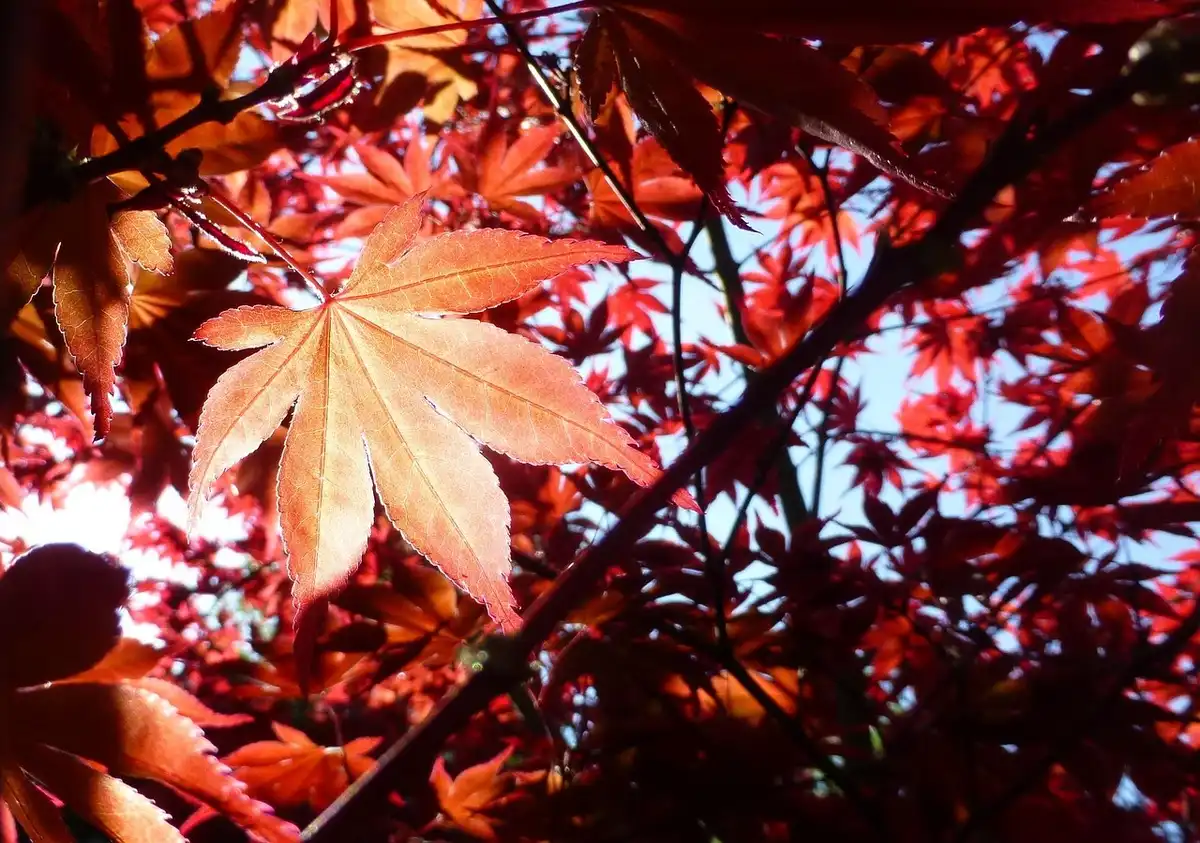
Most Sun Tolerant Japanese Maple Varieties: 7 That Actually Thrive
The most sun tolerant Japanese maple varieties are Emperor 1, Seiryu, and Tamukeyama — all capable of handling 6–8 hours of direct sun daily when planted correctly. Most Japanese maples prefer morning sun and afternoon shade, but these seven cultivars have thicker leaf tissue, later bud break, or proven heat-zone performance that sets them apart. Choose the wrong variety for a sunny spot and you get leaf scorch within weeks; choose the right one and you get vivid red foliage all season.
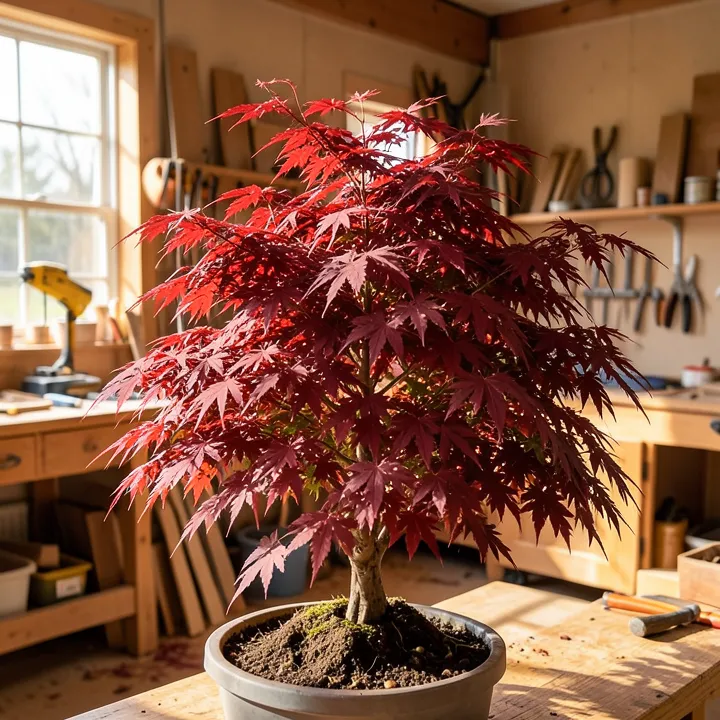
The most sun tolerant Japanese maple is Emperor 1 for upright varieties and Tamukeyama for laceleaf types. Both handle full sun in USDA zones 5–8 with consistent watering. Seiryu is the top pick for zone 9 and hot southern climates. Avoid planting any Japanese maple where it gets unbroken western afternoon sun above 95℉ without supplemental irrigation.
Why Most Japanese Maples Struggle in Full Sun
Japanese maples are native to the forest understory of Japan, Korea, and China, where dappled light — not direct sun — is the norm. Their leaf cells evolved to photosynthesize efficiently in partial shade, which means direct afternoon sun drives rapid water loss the roots can’t keep up with. The result is leaf scorch: brown, crispy margins that start at the tips and spread inward.
Two leaf types respond very differently to sun exposure. Palmate varieties (broad, hand-shaped leaves like Bloodgood and Emperor 1) have thicker cuticles that resist desiccation. Dissectum (laceleaf) varieties have deeply cut, feathery foliage with thin cell walls — they lose moisture much faster under high-intensity light. This is why a Red Dragon can scorch where an Emperor 1 does fine, even in the same garden bed.
| Exposure Type | Intensity | Safe for Most Varieties? |
|---|---|---|
| Morning sun (6–11 AM) | Low–moderate | ✓ Yes |
| Afternoon sun (1–5 PM) | High + heat-stacked | ⚠ Sun-tolerant varieties only |
| Western full sun (all day) | Maximum | ✗ Only Emperor 1, Seiryu in cooler zones |
The 7 Most Sun Tolerant Japanese Maple Varieties
The varieties below are ranked by their proven ability to handle direct sun without significant leaf scorch, out of the many Japanese maple cultivars available. Sun tolerance ratings are based on USDA zone performance data and nursery trial observations.
1. Emperor I (Acer palmatum ‘Emperor I’)
Sun tolerance: Excellent | Type: Upright palmate | Zones: 5–8 | Mature size: 12–15 ft tall × 10–12 ft wide
Emperor I is widely considered the gold standard for full-sun Japanese maple performance. Its leaf tissue is significantly thicker than older red palmate cultivars, and its late bud break — two to three weeks later than Bloodgood — protects it from late spring frost damage while giving it a built-in resilience advantage. The foliage emerges dark red, deepens to near-black-red through summer, and turns brilliant scarlet in fall. Emperor I rarely shows sunscald even in exposed sites, provided it receives consistent moisture during establishment.
2. Seiryu (Acer palmatum ‘Seiryu’)
Sun tolerance: Excellent | Type: Upright laceleaf (unique) | Zones: 5–9 | Mature size: 15–25 ft tall × 12–15 ft wide
Seiryu is the only upright-growing laceleaf Japanese maple, which makes it exceptional in two ways: it has the delicate, finely cut foliage of a dissectum with the structural vigor of a palmate. This combination gives it better heat tolerance than any other lace-leaf variety — horticulturists in northern California consistently list it among the top three candidates for sunny sites. Seiryu grows reliably into zone 9, where few other Japanese maples are viable. Fall color is a brilliant orange-red.
3. Tamukeyama (Acer palmatum var. dissectum ‘Tamukeyama’)
Sun tolerance: Very good | Type: Weeping laceleaf | Zones: 5–8 | Mature size: 6–8 ft tall × 8–10 ft wide
For buyers wanting a weeping laceleaf in a sunny spot, Tamukeyama outperforms every other dissectum. Zone 8 growers in high-humidity climates (the American South, Pacific Northwest) consistently rate it above Crimson Queen and Garnet for sun and heat resistance. Its foliage holds a deep purple-red through the hottest months — a quality that makes it stand out since most laceleaf maples fade to greenish-brown in heavy sun. Brilliant red fall color. Late spring bud break also helps in frost-prone areas.
4. Orangeola (Acer palmatum ‘Orangeola’)
Sun tolerance: Good | Type: Weeping laceleaf | Zones: 5–9 | Mature size: 4–6 ft tall × 4–6 ft wide
Orangeola is the best-rated compact laceleaf for full sun in zones 5–9. Spring foliage opens a brilliant glossy orange-red, deepens to dark red in summer, then shifts back to orange-red in fall — arguably the most dramatic seasonal color change of any Japanese maple. Southern gardeners in Texas and Alabama report it thriving in full afternoon sun with vigorous growth, making it the top dissectum recommendation for the Deep South. Its zone 9 rating is the widest of any laceleaf on this list.
5. Bloodgood (Acer palmatum ‘Bloodgood’)
Sun tolerance: Good (with afternoon shade in hot climates) | Type: Upright palmate | Zones: 5–8 | Mature size: 15–20 ft tall × 10–12 ft wide
Bloodgood is the most widely planted Japanese maple in North America and is often mistakenly called the most sun tolerant. In zones 5–7, Bloodgood handles full sun without major issues. In zones 8 and above, afternoon shade (especially from 1–4 PM) becomes necessary to prevent the deep burgundy leaves from scorching and turning green-brown. Emperor I is a direct upgrade for hot-climate buyers, but Bloodgood remains a reliable choice in moderate climates where temperatures stay below 90℉ for most of the season.
6. Red Dragon (Acer palmatum ‘Red Dragon’)
Sun tolerance: Moderate–good | Type: Weeping laceleaf | Zones: 5–9 | Mature size: 8–10 ft tall × 8–10 ft wide
Red Dragon was selectively bred for improved sun tolerance in the dissectum class. Its leaves are slightly thicker than other laceleafs, and the deep maroon-red color holds well through summer in full sun. It is slower growing than Tamukeyama or Orangeola but produces an extremely dense, sculptural form. Gardeners in zones 8–9 should choose Tamukeyama or Orangeola over Red Dragon for maximum sun exposure; in zones 5–7, Red Dragon is a strong performer.
7. Osakazuki (Acer palmatum ‘Osakazuki’)
Sun tolerance: Moderate | Type: Upright palmate | Zones: 5–8 | Mature size: 15–20 ft tall × 15 ft wide
Osakazuki is best known for its legendary fall color — a blazing orange-scarlet rated among the finest of any deciduous tree — but it also carries above-average drought tolerance and leaf scorch resistance compared to most palmate types. The green summer foliage (it is not a red-foliage variety) reflects more light and absorbs less heat than dark-leafed cultivars, which contributes to its sun resilience. A smart choice for buyers who want a tall shade tree rather than a specimen ornamental.
Can Japanese Maples Take Afternoon Sun?
Yes — the seven varieties above can take afternoon sun, but with a key condition: afternoon sun intensity in USDA zones 7 and above stacks with ambient heat to create conditions most Japanese maples cannot sustain without supplemental water. In zones 5–6, afternoon sun is rarely intense enough to cause damage on its own. In zones 7–8, the varieties on this list handle afternoon sun reliably when soil moisture is maintained. Above zone 8, even Emperor 1 benefits from light afternoon shade during heat waves above 95℉.
Planting orientation matters: a tree on the east side of a structure gets morning sun and afternoon shade automatically. A tree on the west side faces the full force of late-afternoon sun when air temperatures are at their daily peak. If your only planting location faces west, choose Emperor 1, Seiryu, or Tamukeyama — and plan for consistent summer irrigation.
Best Japanese Maple for Full Sun by Region
| Region / Zone | Best Upright | Best Laceleaf | Notes |
|---|---|---|---|
| Zones 5–6 (Midwest, Northeast) | Emperor I or Bloodgood | Red Dragon or Tamukeyama | Most varieties workable; afternoon shade helps but not critical |
| Zone 7 (Mid-Atlantic, Pacific NW) | Emperor I | Tamukeyama | Consistent watering in summer; mulch 4 inches deep |
| Zone 8 (Deep South, Pacific NW inland) | Emperor I | Tamukeyama or Orangeola | Avoid unbroken western afternoon sun; irrigation required |
| Zone 9 (Texas, Florida, CA central valley) | Seiryu | Orangeola | Only these two perform reliably; all others risk severe scorch |
How to Plant a Japanese Maple in a Sunny Spot
Proper planting technique makes a bigger difference than variety selection alone. A sun-tolerant variety in poorly amended soil will still scorch, while a standard variety planted with deep mulch and consistent water can outperform expectations.
- Choose the right location. East-facing sites (morning sun, afternoon shade) are ideal. If planting in a west- or south-facing bed, pick Emperor I, Seiryu, or Tamukeyama only.
- Amend the soil. Japanese maples prefer slightly acidic (pH 5.5–6.5), well-draining soil with good organic content. Work compost 12 inches deep before planting.
- Plant at the correct depth. Set the root flare at or slightly above grade — never below. Burying the root flare causes crown rot and weakens stress resistance.
- Water deeply at planting. Saturate the root zone to 12 inches. In full sun, newly planted maples need 2–3 gallons per week during the first two summers.
- Mulch immediately. Apply 4 inches of wood chip mulch from 4 inches away from the trunk, extending 4 feet out in all directions. Mulch reduces soil temperature, retains moisture, and is the single most effective protection against heat stress.
- Shade the tree in year one. Newly planted trees have underdeveloped root systems that cannot support full-sun water demand. Use a shade cloth (30–40% density) over the first summer to prevent establishment scorch.
- Avoid afternoon irrigation. Water in the morning so foliage dries before peak afternoon heat. Wet leaves under intense sun can amplify scorch damage.
Frequently Asked Questions
Which Japanese maple is the most sun tolerant?
Emperor I is the most sun tolerant upright Japanese maple, and Tamukeyama is the most sun tolerant laceleaf (weeping) variety. For zone 9 and hot climates, Seiryu outperforms both. All three handle 6–8 hours of direct sun daily when planted with mulch and consistent irrigation.
Can Japanese maples grow in full sun all day?
In zones 5–7, Emperor I and Bloodgood can handle full sun all day. In zones 8–9, all-day sun without afternoon shade is too stressful for most varieties — even sun-tolerant ones benefit from light shade between 1–4 PM during peak summer heat. Seiryu and Orangeola are the best choices if afternoon shade is impossible.
Is there a Japanese maple that thrives in both morning and afternoon sun?
Yes — Emperor I and Seiryu are the two varieties most likely to thrive in both morning and afternoon sun. Emperor I handles this well in zones 5–8 with adequate moisture. Seiryu extends this to zone 9. Neither tolerates prolonged drought in a fully exposed site, so mulching and irrigation remain essential.
What is the best Japanese maple for full sun in Texas?
Seiryu and Orangeola are the top choices for full sun in Texas (zone 8–9). Both tolerate heat and humidity better than other varieties. Dancing Peacock is also reported to perform well in Texas, Oklahoma, and Alabama. Plant in eastern or northern exposures when possible and apply deep mulch to protect the root zone from soil temperature extremes.
Do Japanese maples need shade in the afternoon?
Most Japanese maples do best with morning sun and afternoon shade. The sun-tolerant varieties on this list can handle afternoon sun in zones 5–7 without major issues. In zones 8–9, afternoon shade becomes important even for tolerant varieties during heat waves. The safest rule: morning sun is always safe; afternoon sun above 90℉ requires either a shade-tolerant variety or supplemental irrigation.
How do I prevent Japanese maple leaf scorch in summer?
Leaf scorch is caused by water loss outpacing root water uptake — it is a water stress problem, not just a sun problem. Prevent it by: (1) choosing a sun-tolerant variety, (2) applying 4 inches of mulch over the root zone, (3) watering deeply twice weekly during dry spells, (4) avoiding fertilizer in midsummer (it pushes new growth that scorches easily), and (5) planting where afternoon shade is available in zones 7 and above.
Sponsored / affiliate links. As an Amazon Associate I earn from qualifying purchases. I may earn additional commission from eligible campaigns.