Does WD-40 Remove Water Stains on Wood? No — Here’s What Actually Works
No — WD-40 does not remove water stains from wood, and it can make things worse. White water rings are trapped moisture inside the wood’s finish layer, not a surface residue an oil-based lubricant can dissolve. WD-40’s petroleum oil leaves a greasy film that can cloud the finish further and interferes with any refinishing you try later. Heat, mild abrasives, and vinegar all address the actual problem — trapped moisture — in ways WD-40 never touches.
No. WD-40 is a petroleum oil, and white water stains are trapped moisture in the wood’s finish — not something an oil can dissolve. It often leaves an oily residue that clouds the finish more and complicates any refinishing later. Use controlled heat (an iron over a cloth), a mild abrasive paste, or vinegar instead.
Why WD-40 Doesn’t Work
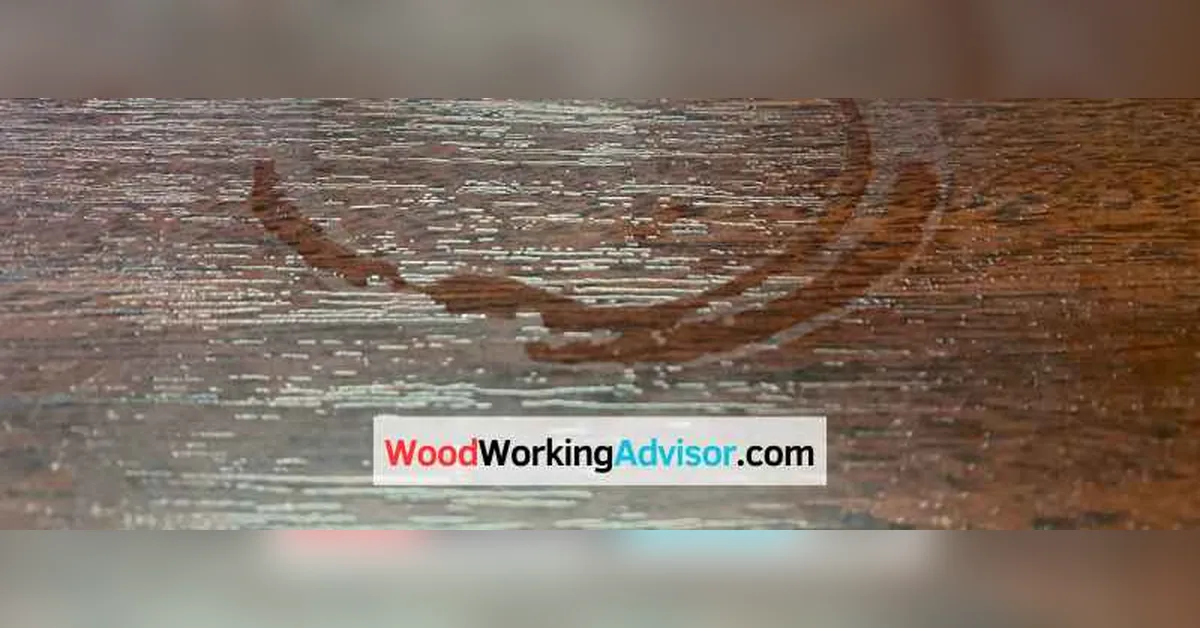
A white or cloudy water stain forms when moisture gets trapped inside the finish layer — the whitish color comes from microscopic air/moisture pockets disrupting the finish’s clarity, not dirt or residue sitting on top. WD-40 is a petroleum-based lubricant designed to displace water and reduce friction on metal — it has no mechanism for drawing trapped moisture back out of a finish. Worse, its oily residue can seep into the same finish, cloud it further, and leave a film that interferes with sanding or recoating if you try to refinish the piece later.
📊 White water stains are moisture trapped in the finish; dark water stains have penetrated into the wood fibers themselves — the two require different fixes, and neither responds to an oil-based product like WD-40.
What Actually Works
Method 1: Controlled Heat (Most Effective for White Rings)
Heat evaporates the trapped moisture directly, which is why it’s usually the fastest fix for a fresh white ring.
- Lay a clean, dry cotton cloth (no synthetic fibers) directly over the stain.
- Set a household iron to low-to-medium heat, no steam.
- Press the iron over the cloth for 2–3 seconds at a time, checking frequently — don’t leave it in one spot.
- Repeat in short passes until the cloudiness fades; stop immediately if the finish starts to soften or discolor.
Method 2: Mild Abrasives
Non-gel white toothpaste, baking soda paste, or a salt-and-water paste all work as a very fine polishing compound, buffing out the clouded top layer of finish. Rub gently along the grain with a soft cloth, then wipe clean and dry.
Method 3: Vinegar
Soak a soft cloth in white vinegar and lay it directly over the stain for several hours or overnight, then wipe clean with a damp cloth and dry thoroughly. Vinegar’s mild acidity helps break down the moisture pocket without stripping the finish.
“The iron-and-cloth method is the one we reach for first in the shop — it’s faster than any paste method and doesn’t risk buffing through a thin finish the way an abrasive can on repeated passes.” — Woodworking Advisor team note
Other Products That Also Don’t Work (And Why)
WD-40 isn’t the only “quick fix” that circulates online for water rings. A few other common suggestions fail for the same basic reason: they don’t address trapped moisture.
| Product | Why it’s suggested | Why it usually fails |
|---|---|---|
| Mayonnaise | Old folk remedy; the oil content is assumed to “draw out” the stain | Oil sits on the surface and doesn’t penetrate the finish to reach the trapped moisture underneath |
| Petroleum jelly | Similar logic to mayonnaise and WD-40 | Same problem — it’s a surface lubricant, not a moisture-drawing agent |
| Hairdryer alone (no cloth) | Heat is the right idea | Direct high heat without a cloth barrier can scorch or bubble a thin finish before it clears the stain |
| Furniture polish/spray wax | Marketed as a general wood “fix-all” | Adds a surface sheen that can temporarily mask a stain but doesn’t remove the trapped moisture causing it |
The pattern across all of these: anything that just sits on top of the finish, oil-based or not, can’t reach moisture that’s already trapped inside it. That’s why heat, mild abrasion, and vinegar are the only methods that reliably work — they either evaporate the moisture directly or gently remove the clouded top layer of finish.
Preventing Water Stains
Coasters, placemats, and trivets under anything hot or damp are the simplest prevention — the stain only forms when moisture sits directly on the finish long enough to penetrate it.
When to Call a Professional
Extensive water damage, warped or swollen wood, or large dark stains that have penetrated past the finish into the wood fibers are past the point of a DIY fix — a professional refinisher can strip, sand, and reseal the piece properly.
Frequently Asked Questions
What Does WD-40 Do to Wood?
WD-40 leaves an oily petroleum residue on the wood’s finish rather than removing anything. It doesn’t address trapped moisture and can cloud the finish further or interfere with future refinishing.
How Do You Get Stubborn Water Stains Out of Wood?
Start with controlled heat from an iron over a dry cloth, which directly evaporates trapped moisture. If that doesn’t fully clear it, follow with a mild abrasive paste (toothpaste or baking soda) worked gently along the grain.
How Do You Remove Dried Water-Based Stains From Wood?
Once a stain has fully dried and set, a vinegar-soaked cloth left over the area for several hours is more effective than heat alone, since the moisture that caused the cloudiness is no longer fresh. Follow with a mild abrasive if any cloudiness remains.
What Is the Best Water Stain Remover for Wood?
For fresh white rings, a household iron over a dry cloth is the fastest and most reliable fix. For dark stains that have penetrated the wood, a commercial wood bleach or professional refinishing is usually needed — abrasives and heat only work on surface-level, finish-trapped moisture.
Conclusion
WD-40 doesn’t remove water stains because it’s solving the wrong problem — it’s an oil-based lubricant, and a white water stain is trapped moisture in the finish, not a residue to dissolve. Controlled heat, mild abrasives, and vinegar all work because they actually address the moisture. For a deeper look at fixing more severe or specific water-stain situations, see our complete guide to removing water stains from wood.
Sponsored / affiliate links. As an Amazon Associate I earn from qualifying purchases. I may earn additional commission from eligible campaigns.