Electric Hacksaw for Metal: Precision Cutting Power
An electric hacksaw for metal efficiently cuts through various metal materials. Its powered motor enables precise cutting.
Are you looking to enhance your metalworking capabilities with efficiency and precision? An electric hacksaw for metal may be the perfect tool for you. This versatile equipment can easily slice through different types of metals, allowing you to complete projects with accuracy and speed.
Whether you are a DIY enthusiast or a professional metalworker, having an electric hacksaw can significantly streamline your cutting tasks. We will explore the benefits and features of electric hacksaws for metal and how they can improve your metalworking projects.
Best Electric Hacksaw Options for Metal Cutting
Best Electric Hacksaw Pick
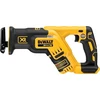
DEWALT 20V MAX XR Cordless Reciprocating Saw (DCS367B) – $179.00
A cordless, brushless reciprocating saw that fits the powered, precise metal-cutting role this guide describes — swap in a metal-cutting bi-metal blade and it handles pipe, brackets, and sheet stock with variable-speed control.
- Best for: DIYers and pros who want a versatile, cordless powered saw for metal, wood, and plastic
- Why we picked it: Compact, brushless motor for longer runtime, and a pivoting shoe for better control noted as a key buying factor above
- Main drawback: Sold as tool-only — battery and charger purchased separately if you don’t already own DEWALT 20V MAX batteries
Compare more electric hacksaw options
 Closest to a True Electric Hacksaw WEN 10-Amp Portable Band Saw for Metal – $129.27
|
 Budget Corded Pick Skil 9206-02 7.5-Amp Corded Reciprocating Saw – $54.99
|
 Essential Blade Upgrade DEWALT DW4898 10-Piece Bi-Metal Blade Set – $17.99
|
As an Amazon Associate we earn from qualifying purchases.
Types of Powered Saws for Cutting Metal Compared
| Tool Type | Cut Quality | Portability | Best For |
|---|---|---|---|
| Reciprocating saw | Rougher, faster | High | Demolition, rough cuts, tight spaces, mixed materials |
| Portable band saw | Clean, continuous | Moderate | Conduit, pipe, angle iron, repeatable clean cuts |
| Angle grinder w/ cutoff wheel | Fast but rough, sparks | High | Thick or hardened metal, quick rough cuts |
| Manual hacksaw | Clean but slow | Highest | Small jobs, no power source available, fine control |
| Bench-top power hacksaw | Very clean, precise | Low (stationary) | Repetitive shop cuts, consistent angles |
How to Cut Metal Safely With an Electric Hacksaw or Reciprocating Saw
- Match the blade to the metal. Higher TPI (teeth per inch) blades, generally 18–24 TPI, are needed for thin sheet metal and conduit, while lower TPI (10–14) blades work better on thicker stock.
- Secure the workpiece. Clamp metal firmly in a vise or with clamps — unsecured stock vibrates and chatters, dulling blades quickly and increasing kickback risk.
- Use cutting oil or lubricant on thicker metal. A light cutting oil reduces friction and heat, extending blade life significantly on steel and other dense metals.
- Let the saw do the work. Excess forward pressure doesn’t speed up the cut; it just accelerates blade wear and increases the chance of the blade binding or snapping.
- Wear proper PPE. Safety glasses, hearing protection, and cut-resistant gloves (not loose-fitting gloves that could catch in the blade) are standard for powered metal cutting.
- Deburr the cut edge. Metal cuts leave sharp burrs; a file or deburring tool cleans the edge and prevents cuts to hands during handling.
Common Mistakes When Using an Electric Hacksaw on Metal
- Using a wood-cutting blade on metal. Wood blades have far fewer, larger teeth that will snag, dull instantly, or shatter against metal instead of cutting cleanly.
- Skipping lubrication on thick stock. Dry-cutting thick steel generates excess heat that can warp the blade and burn out the motor over repeated cuts.
- Not securing the workpiece. Loose metal chatters against the blade, producing a rough, uneven cut and a much higher chance of the blade breaking mid-cut.
- Ignoring the manufacturer’s stroke length and SPM rating. A saw with too high a stroke rate on thin sheet metal can tear the material instead of cutting it cleanly; check the saw’s variable speed settings and slow down on thin stock.
- Forgetting PPE. Metal shavings and sparks from cutoff wheels or friction are a genuine eye and skin hazard that’s easy to underestimate on a “quick cut.”
Frequently Asked Questions For Electric Hacksaw For Metal
What Are The Key Benefits Of Using An Electric Hacksaw For Metal Cutting?
The key benefits of using an electric hacksaw for metal cutting include its efficiency in handling tough metal materials, its precise and smooth cutting abilities, and the time-saving advantage it offers as compared to manual cutting methods.
How To Choose The Right Electric Hacksaw For Metal Cutting?
To choose the right electric hacksaw for metal cutting, consider factors such as the power and speed of the saw, the quality and type of blades it uses, its durability, and safety features. Additionally, ensure that it can effectively meet your specific metal cutting requirements.
What Are The Safety Measures To Be Followed While Using An Electric Hacksaw For Metal Cutting?
When using an electric hacksaw for metal cutting, ensure to wear appropriate safety gear such as goggles and gloves, avoid loose clothing or jewelry, keep the work area well-lit, and follow the manufacturer’s instructions for safe operation. Regular maintenance of the saw is also crucial to prevent accidents.
How To Maintain An Electric Hacksaw For Efficient Metal Cutting?
To maintain an electric hacksaw for efficient metal cutting, regularly lubricate the moving parts, keep the blades sharp, clean the saw after each use, and store it in a dry place. Adhering to the manufacturer’s maintenance guidelines will ensure the longevity and optimal performance of the saw.
Conclusion
An electric hacksaw is a versatile tool that offers numerous benefits for cutting metal. With its powerful motor and efficient cutting action, it provides precision and speed. Whether you’re a professional metalworker or a DIY enthusiast, investing in an electric hacksaw will save you time, effort, and ensure accurate cuts.
Proper maintenance and safety precautions are essential for maximizing its lifespan and ensuring safe usage. So, upgrade your toolbox today and experience the convenience and efficiency of an electric hacksaw for your metal cutting needs.
Sponsored / affiliate links. As an Amazon Associate I earn from qualifying purchases. I may earn additional commission from eligible campaigns.