Harbor Freight Cutting Torch Set: What’s Included and How to Use It Safely
Harbor Freight doesn’t actually sell one product literally named a “cutting torch set” – what people mean is the store’s OLSEN-branded oxy-acetylene welding and cutting kits, sold in Medium-Duty and Heavy-Duty versions, plus a smaller Portable Torch Kit that bundles its own oxygen and acetylene cylinders. All three cut and weld the same way – by mixing pressurized oxygen with a fuel gas – but they differ enough in capacity and included parts that picking the wrong one, or skipping the safety checks that come with any oxy-fuel setup, is where most first-time buyers get into trouble.
What’s Actually in the Harbor Freight Cutting Torch Set
The Medium-Duty Oxygen and Acetylene Welding Kit is the version most DIY buyers end up with. It welds mild steel from about 1/16 in. up to 1/2 in. of oxy-acetylene cutting capacity, and the box includes a torch handle, a separate cutting attachment, oxygen and acetylene regulators, a cutting tip, a welding nozzle, a 15 ft. twin welding hose, tinted goggles, a flint striker, a tip cleaner set, a spare O-ring kit, blow-back check valves, and a carrying case. Step up to the Heavy-Duty kit and the cutting capacity goes to 3/4 in. with welding up to 1/8 in. thick steel – the same core parts list, just heavier-duty torch and regulator bodies. If you don’t already own oxygen and acetylene cylinders, the Portable Torch Kit is the one to look at, since it ships with its own smaller tanks instead of assuming you’ll fill full-size ones at a gas supplier.
One detail worth flagging before you buy: Harbor Freight’s welding gas kits are typically an in-store purchase only, not something shipped to your door, because full or empty compressed-gas cylinders are regulated as hazardous materials for shipping. If you want a complete kit delivered instead of a store run, the closest ready-to-ship equivalent is a torch-only kit that doesn’t include cylinders, sized for the same capacity range – our pick below.
Best Complete Kit If You Don’t Own Harbor Freight’s In-Store Only Torches
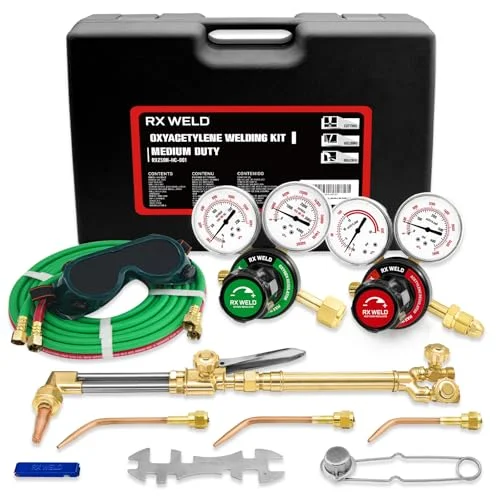 |
RX WELD Medium Duty Oxy-Fuel Welding and Cutting Torch Kit – $119.99 Harbor Freight’s own OLSEN torch kits are sold in-store only and not shippable online – this is the closest complete, ready-to-ship equivalent: torch, cutting attachment, twin 15 ft hose, both regulators, goggles, and a case, built for the same 1/2 in. cutting capacity range.
|
Before You Strike an Arc: Non-Negotiable Safety Checks
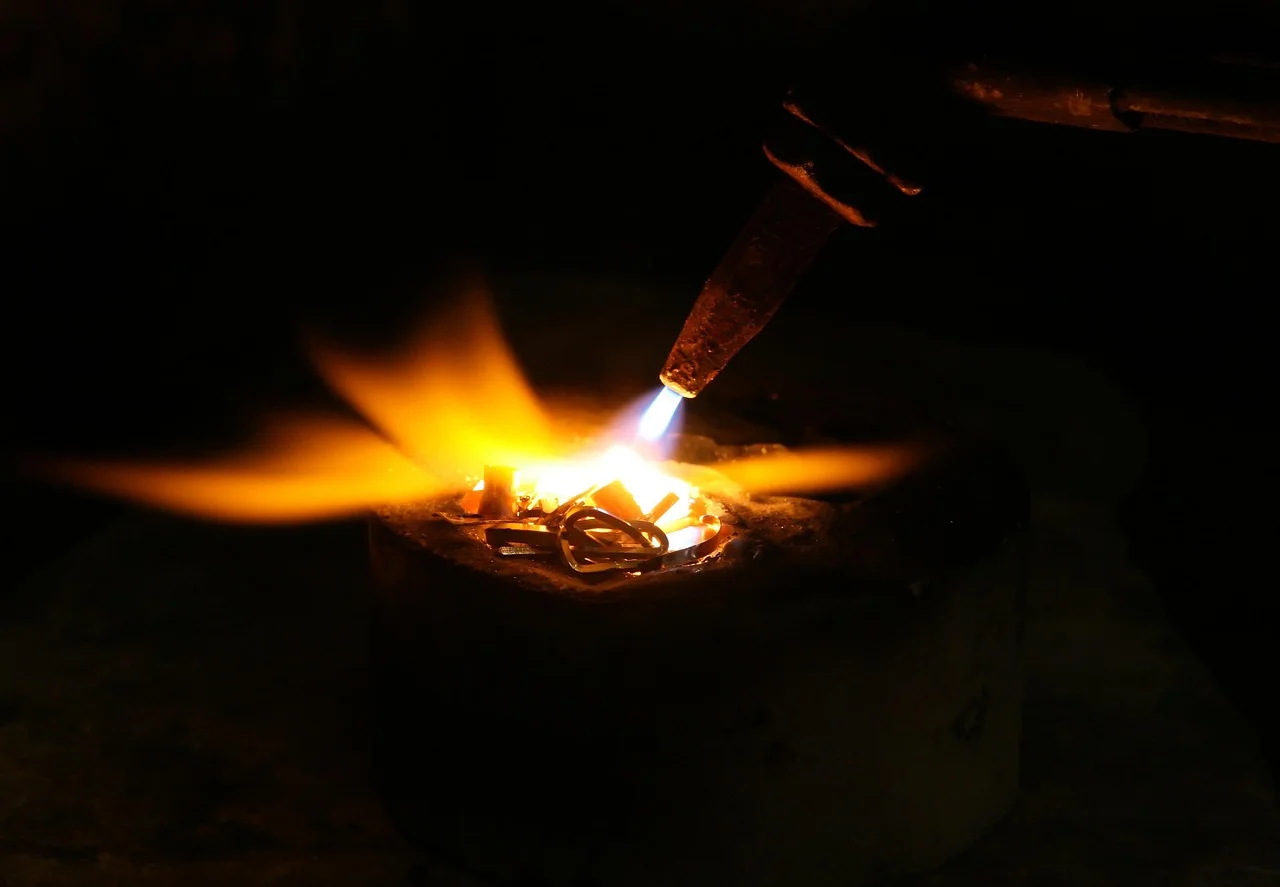
An oxy-acetylene torch is one of the few tools on this site that can genuinely kill or maim if it’s set up wrong, so treat this section as mandatory reading, not optional background. None of this is unique to Harbor Freight’s kit – it applies to any oxy-fuel cutting or welding outfit.
Check Valves and Flashback Arrestors, at Both Ends
The included “blow-back check valves” sit at the torch-handle end of the hoses and stop gas from flowing backward into the wrong line if pressures get unbalanced. A flashback arrestor is a related but separate device that stops an actual flame front from traveling back down the hose into the regulator and cylinder – a genuine explosion risk. Torch-end check valves alone are the minimum, not the ideal; adding a regulator-end flashback arrestor set (sold separately, and cheap relative to the rest of the kit) closes the gap most store-bought kits leave open.
Never Exceed 15 PSI on the Acetylene Regulator
Acetylene is chemically unstable above roughly 15 psi gauge pressure – it can decompose violently even with zero oxygen present, which is why acetylene cylinders are packed with a porous filler and dissolved acetone rather than stored as a free gas. Your regulator’s working-pressure gauge should never be set above that line, regardless of what tip size or cutting speed you’re chasing. For the actual oxygen and tip-size numbers to use once you’re within that limit, see our oxy-acetylene cutting settings and tip size chart.
Hose Colors and Fittings Aren’t Interchangeable
Oxygen hardware uses green hose and right-hand threaded fittings; acetylene (and other fuel gases) use red hose with left-hand threaded fittings, identified by a groove cut into the nut so you can tell them apart by feel in low light. Never force a fitting or swap hoses between the two sides – the mismatched threads are a deliberate safety design, not a manufacturing inconsistency.
Keep Oil and Grease Away From the Oxygen Side
Never lubricate an oxygen regulator, fitting, or valve with oil or grease. Pressurized oxygen reacting with hydrocarbon residue can ignite spontaneously with enough force to fail the regulator. Keep oily gloves and rags away from that side of the setup entirely.
Leak-Test With Soap Solution, Never a Flame
After connecting regulators and hoses, pressurize the system and brush an approved leak-detection solution (or plain soapy water) over every connection. Bubbling means a leak that needs to be tightened or re-sealed before you light anything. Checking for gas leaks with an open flame is a real cause of injury and is never an acceptable shortcut.
Cylinder Handling and Storage
Keep oxygen and acetylene cylinders upright and secured with a chain or strap so they can’t be knocked over, and thread the valve protection cap on any time a cylinder isn’t actively connected and in use. Store the two gases apart from each other and away from heat sources or other ignition risks – typically a substantial separation distance or a fire-rated barrier between them, per standard compressed-gas storage practice. Never store cylinders in a closed vehicle trunk or an unventilated space.
Clear the Area and Wear Real PPE
Move flammable materials, sawdust, solvents, and rags well clear of your cutting area before you start – sparks and slag travel farther than people expect, and a smoldering fire can start unnoticed under a workbench and flare up later. Keep a rated fire extinguisher within reach the entire time you’re cutting, not just nearby in the shop. For eye protection, use shaded cutting/welding goggles (commonly shade #3-6 depending on plate thickness and cutting oxygen pressure) rather than ordinary safety glasses – standard clear lenses don’t block the infrared glow from molten metal. Add flame-resistant gloves, cuffless pants, and leather boots, and skip synthetic fabrics that can melt onto skin if they catch a spark.
For the full lighting and cutting sequence – purge order, flame adjustment, and how to shut everything down safely – see our dedicated guide on using an oxy-acetylene cutting torch. Don’t skip straight to cutting off a new kit without reading it first.
What This Kit Can (and Can’t) Cut Cleanly
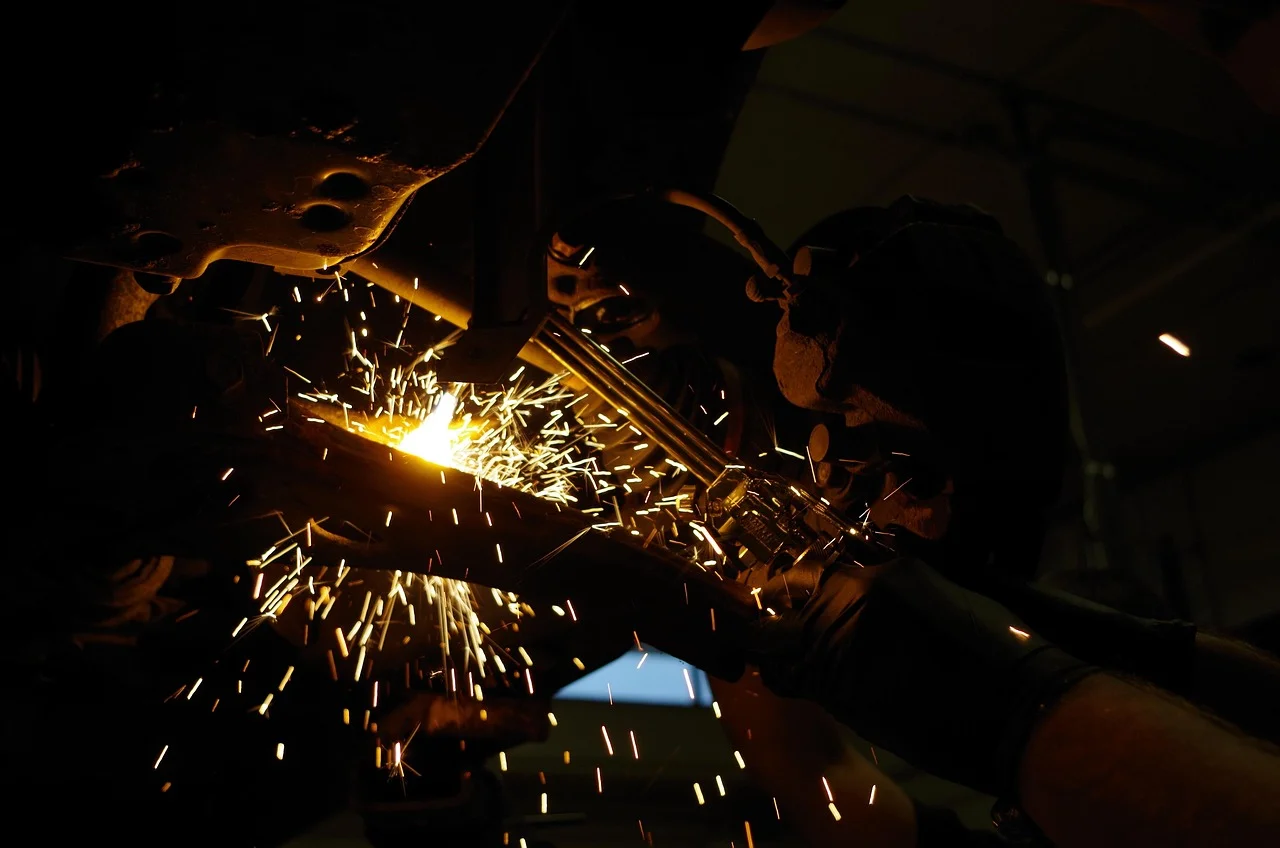
A common claim floating around about oxy-acetylene cutting torches is that they’ll cleanly slice through “steel, aluminum, and copper” alike – that’s not accurate, and it’s worth correcting. Oxy-fuel cutting works by heating iron to its ignition temperature and then blasting a jet of pure oxygen through it, which makes the iron itself burn away in a narrow kerf. Plain carbon and mild steel cut this way beautifully. Stainless steel, aluminum, copper, and brass don’t: they either form a stubborn oxide layer that resists burning (stainless, aluminum) or conduct heat away too fast for the torch to sustain a cut (copper, aluminum, brass). If a project calls for cutting stainless or aluminum, a plasma cutter is the right tool, not an oxy-acetylene torch.
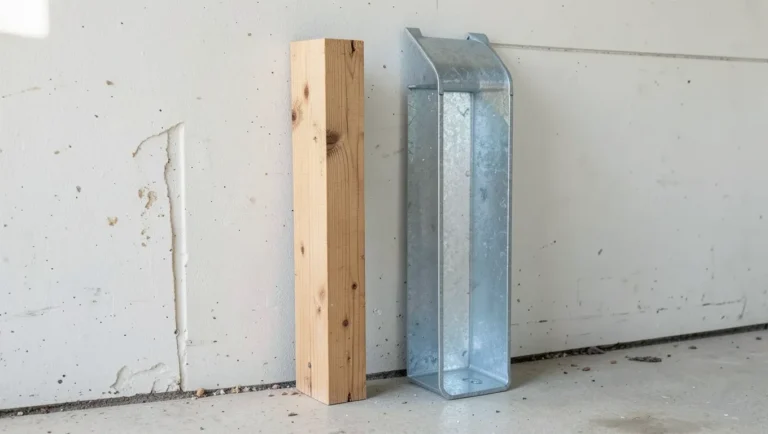
Where this kit earns its keep is mild-steel demolition and fabrication work: cutting rusted bolts and fasteners free, cutting down structural steel or rebar, or a job like cutting a metal fence post to length where an angle grinder would take far longer. It’s also still a real welding and brazing torch, not just a cutting tool, once you swap the cutting attachment for the welding nozzle.
Who This Kit Is a Good Fit For
This is a reasonable first oxy-acetylene setup for a DIYer or hobbyist who already has, or is willing to source, oxygen and acetylene cylinders through a local gas supplier and just needs the torch hardware. It’s a poor fit if you’re expecting to cut stainless or aluminum, if you’re not willing to budget time for reading the safety and lighting procedure before first use, or if you don’t have a way to store two compressed-gas cylinders safely and separately when they’re not in use. Professionals doing daily heavy fabrication will likely outgrow a medium-duty kit’s tip range and hose length quickly and should look at the heavy-duty step-up instead.
Frequently Asked Questions About the Harbor Freight Cutting Torch Set
Does Harbor Freight Ship Its Oxy-Acetylene Torch Kits Online?
Generally no. Welding gas kits that include or are intended to be filled with compressed oxygen and acetylene are treated as hazardous materials for shipping purposes, so Harbor Freight typically sells these as in-store pickup items only. If you need something shipped, look for a torch-only kit sold without cylinders.
What’s the Maximum Safe Pressure for the Acetylene Regulator?
Never set the acetylene working-pressure gauge above roughly 15 psi. Above that pressure, acetylene gas becomes chemically unstable and can decompose on its own, independent of any oxygen or ignition source.
Can This Kit Cut Stainless Steel or Aluminum?
Not cleanly. Oxy-acetylene cutting relies on iron burning in a jet of oxygen, and stainless steel and aluminum both form oxide layers that resist that process. For those metals, a plasma cutter is the appropriate tool instead.
Does the Included Check Valve Replace a Flashback Arrestor?
Not fully. A torch-end check valve stops gas from flowing backward into the wrong hose, but a flashback arrestor specifically stops a flame from traveling back down the hose toward the regulator and cylinder. Many kits, including Harbor Freight’s, only include check valves at the torch end – adding a regulator-end flashback arrestor set closes that gap.
Conclusion
Harbor Freight’s OLSEN oxy-acetylene kits give a DIYer a complete, reasonably priced way into torch cutting and welding, as long as you buy the right size for the job and don’t skip the safety setup – correct pressures, flashback protection at both ends of the hose, and real PPE. Treat the included instructions and this guide as the minimum reading before you strike an arc, not optional extras.
Sponsored / affiliate links. As an Amazon Associate I earn from qualifying purchases. I may earn additional commission from eligible campaigns.