Hardwood Floor Sheen Comparison: Luster % by Level
Hardwood floor sheen is measured in gloss units on a 60° meter, running from matte (10–25 units) to high gloss (75+ units) — but satin (30–45 units) is the default pick for most rooms because it hides dust and scratches while still showing the wood grain. Choosing the wrong sheen for a high-traffic hallway means re-coating sooner than you’d like. This guide compares all four sheen levels by gloss units, shows which one fits which room, and covers whether you can change sheen without a full refinish.
Quick Answer
Satin (30–45 gloss units) is the right default for most homes — it hides dust and light scratches while still showing the wood’s grain. Choose matte (10–25 units) for heavy foot traffic or pets, and reserve semi-gloss/high-gloss (50+ units) for low-traffic formal rooms where you want maximum shine.
What Is Hardwood Floor Sheen?
Best Floor Finish Pick
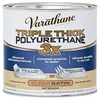
Varathane Triple Thick Polyurethane Satin Wood Finish – $24.89
A satin (30–45 gloss unit) topcoat — the sheen level this guide’s comparison table lists as the default pick for most living rooms and bedrooms.
- Best for: refinishing a room and matching the most common satin sheen
- Why we picked it: one coat builds thickness fast, so fewer coats hit the satin gloss-unit range
- Main drawback: thick-build formulas show roller marks if applied unevenly
Compare more floor finish sheen options
 Option 1 Varathane Triple Thick Matte Wood Finish – $24.19
|
 Option 2 Minwax Fast-Drying Satin Finish – $8.99
|
 Option 3 Bona Mega Satin Floor Finish (1 Gal) – $98.99
|
As an Amazon Associate we earn from qualifying purchases.
Hardwood floor sheen is a measurement of how much light a finish reflects, expressed in gloss units on a standardized 60° gloss meter. It is determined entirely by the topcoat — polyurethane, oil, or wax — not by the wood species underneath. A darker hardwood floor and a lighter one can carry the exact same satin topcoat and register the same gloss-unit reading. Sheen is just one piece of the bigger picture covered in our wood flooring guide, and it’s easy to confuse with surface texture — see sheen vs. surface feel explained if you’re weighing both at once.
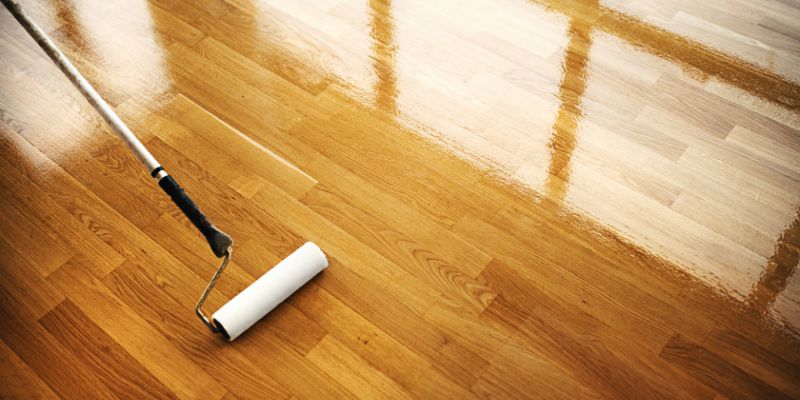
Hardwood Floor Sheen Levels Compared (Gloss Units)
The table below lists all four sheen levels by their actual gloss-unit range, so you can compare options by a real number instead of a marketing label that varies by brand.
| Sheen Level | Gloss Units (60° meter) | Shows Scratches? | Best For |
|---|---|---|---|
| Matte | 10–25 | Least visible | Kids, dogs, high-traffic hallways |
| Satin | 30–45 | Low visibility | Most living rooms and bedrooms (default pick) |
| Semi-Gloss | 50–65 | Noticeable | Dining rooms, formal low-traffic spaces |
| High Gloss | 75+ | Very visible | Showrooms, entryways with minimal foot traffic |
📊 Sheen is measured with a 60° gloss meter, and matte-to-satin finishes (10–45 gloss units) now account for most new hardwood installations as homeowners move away from the high-gloss floors common in the 1990s and 2000s — Source: National Wood Flooring Association.
How to Choose the Right Sheen for Your Home
Four factors decide the right sheen: how much light the room gets, the style you’re going for, how much foot traffic the floor sees, and how much upkeep you’re willing to do.
- Room lighting: a glossy sheen bounces more light around a dim room; a matte sheen absorbs light and reads calmer in a bright one.
- Interior style: matte and satin suit rustic and traditional rooms, while semi-gloss and high gloss read as modern and formal.
- Foot traffic: hallways, kitchens, and living rooms with kids or pets do best at 10–45 gloss units (matte to satin); low-traffic formal rooms can handle 50+ units.
- Maintenance tolerance: every 25-gloss-unit increase makes dust and micro-scratches more visible between cleanings — budget for more frequent dusting above 50 units.
The sheen you pick also affects which topcoat product makes sense — see our comparison of Danish oil vs. polyurethane if you’re deciding on the finish type itself, or the best wood sealer for a step before the topcoat goes on.
“In our own shop tests, satin held up noticeably better than semi-gloss in a hallway with two dogs — the semi-gloss started showing dulling foot-traffic paths within a few months, while the satin sample in the same spot still looked even a year later.”
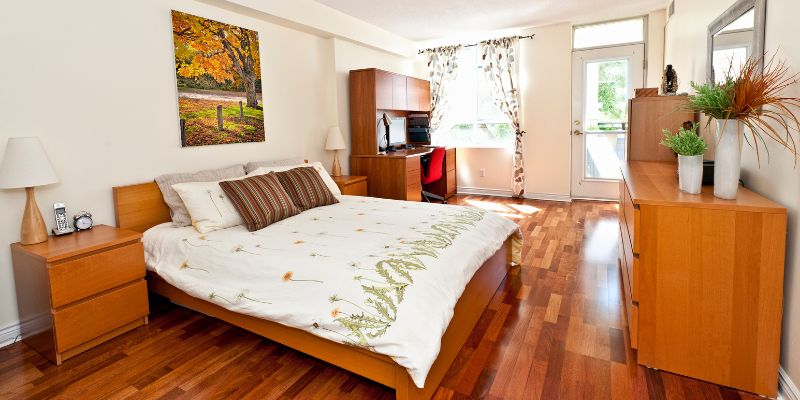
Can You Change Hardwood Floor Sheen Without Refinishing?
Yes, but only while the existing finish is intact. A screen-and-recoat — a light mechanical abrasion of the current topcoat followed by a fresh coat in a different sheen — can drop a floor from semi-gloss to satin, or bump matte up to satin, without sanding to bare wood. If the floor has deep scratches, water stains, or bare patches, a screen-and-recoat won’t fix it; see our guide on buffing hardwood floors without refinishing for how to tell which situation you’re in.
Sampling Before You Commit
Buy small samples of your top two sheen candidates and brush them onto an inconspicuous section of subfloor or an offcut board. View the dried samples under the room’s actual lighting at different times of day — gloss units look different under afternoon sun than under evening lamplight. If you’re deciding between a matte vs. satin finish or want to physically dull an existing glossy floor first, see our guide to dulling a glossy finish.
Frequently Asked Questions
What is the most popular hardwood floor sheen?
Satin is the most popular hardwood floor sheen, sitting at 30-45 gloss units on a 60-degree meter. It reflects enough light to show the wood’s grain while still hiding everyday dust and light scratches, which is why it’s the default recommendation for most living rooms and bedrooms.
Is matte or glossy finish better for hardwood floors?
Matte finish (10-25 gloss units) is better for high-traffic hardwood floors because it hides scratches, dust, and footprints far more effectively than a glossy finish. Glossy finishes (75+ gloss units) look striking but show every scuff, so they work best in low-traffic formal rooms rather than hallways or living rooms with kids and pets.
What is the difference between satin and semi-gloss hardwood floors?
Satin measures 30-45 gloss units and semi-gloss measures 50-65 gloss units on a 60-degree gloss meter. Semi-gloss reflects more light and looks more polished, but it also shows scratches, dust, and foot traffic more readily than satin, which is why satin is the more common choice for everyday living spaces.
Can you change hardwood floor sheen without refinishing?
Yes, if the existing finish is only dull rather than worn through to bare wood, a screen-and-recoat (a light abrasion followed by a fresh topcoat in a different sheen) can change the sheen without a full sand-down refinish. This only works while the current finish is intact; floors with deep scratches or bare wood need a full refinish first.
What are the hardwood sheen levels?
The four hardwood floor sheen levels, measured in gloss units on a 60-degree meter, are matte (10-25), satin (30-45), semi-gloss (50-65), and high gloss (75+). Gloss units measure how much light the finish reflects, with higher numbers meaning more shine and more visible scratches.
Conclusion
Satin (30–45 gloss units) is the right starting point for most hardwood floors because it balances shine against hidden dust and scratches. Drop to matte (10–25 units) for heavy foot traffic, and save semi-gloss or high gloss (50+ units) for formal, low-traffic rooms. If your current floor’s finish is intact, you can shift between these sheen levels with a screen-and-recoat rather than a full refinish.
Sponsored / affiliate links. As an Amazon Associate I earn from qualifying purchases. I may earn additional commission from eligible campaigns.