How to Dull a Glossy Finish (Steel Wool, Sanding & Deglosser)
Fine (0000) steel wool with paste wax, or a liquid deglosser like Klean-Strip, dulls a glossy finish faster than sandpaper — but skip proper surface prep and a new matte topcoat can peel or bead within weeks. This guide compares steel wool, sandpaper, and liquid deglosser by time, cost, and effort, and covers dulling varnish, glossy deck coatings, and hardwood floors specifically.
Understanding Glossy Finishes
Glossy finishes create a smooth, reflective, mirror-like surface on furniture, cars, and other materials. Understanding what causes that reflectivity makes it easier to choose the right method for dulling it.
What Is A Glossy Finish?
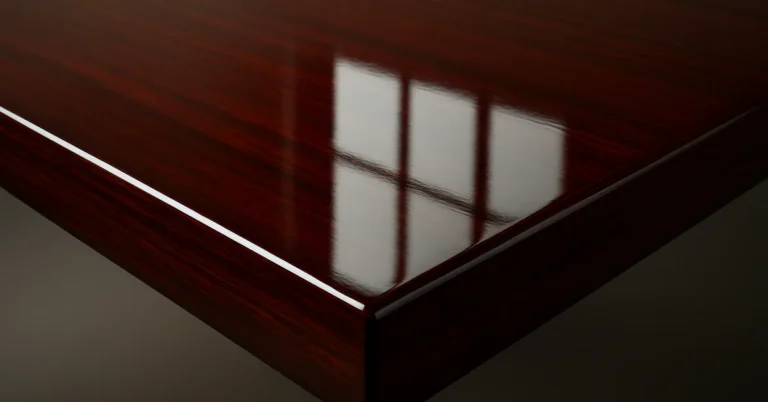
A glossy finish refers to a smooth and reflective surface that provides a high level of shine and luster. It is achieved by applying a special coating or finish that creates a mirror-like effect. This type of finish enhances the colors and details of the surface, making it visually appealing and eye-catching. Glossy finishes are commonly used in a wide range of applications, from interior design to products and packaging.
Characteristics Of Glossy Finishes
Glossy finishes have distinct characteristics that set them apart from other finishes. Understanding these characteristics is crucial for effectively dulling a glossy finish:
- Reflectivity: One of the key features of a glossy finish is its ability to reflect light, giving it a shiny appearance.
- Smoothness: Glossy surfaces are typically very smooth to the touch, devoid of any texture or roughness.
- Vibrant Colors: Glossy finishes can greatly enhance the vibrancy and intensity of colors, making them appear more saturated.
- Visibility of Imperfections: Due to their reflective nature, glossy finishes can easily highlight any imperfections or flaws on the surface.
- Fingerprint Magnet: A common characteristic of glossy finishes is their tendency to attract fingerprints and smudges, which can hinder their pristine appearance.
By understanding these characteristics, you’ll be better equipped to tackle the task of dulling a glossy finish. Whether you’re aiming for a matte look or simply want to reduce the reflectivity, there are various methods and techniques you can employ to effectively achieve your desired outcome.
Reasons For Dulling A Glossy Finish
There may be several reasons why you would want to dull a glossy finish on a surface. Whether it’s for aesthetic or functional purposes, dulling the shine can bring about a range of benefits. In this section, we will explore two primary reasons for opting to dull a glossy finish: creating a more subdued aesthetic and reducing glare and reflections. Let’s take a closer look at each of these reasons.
Creating A More Subdued Aesthetic
One of the primary reasons for dulling a glossy finish is to create a more subdued aesthetic. While a glossy finish can be visually striking and vibrant, it may not always complement the overall design or ambiance you are trying to achieve. By dulling the shine, you can achieve a more subtle and understated look that blends seamlessly with the surrounding elements.
There are various ways to achieve this effect, depending on the type of surface you are working with. For example, if you are dealing with a glossy painted surface, you can opt for a matte clear coat to give it a softer, less reflective appearance. For glossy furniture or accessories, using a sanding technique can help remove the glossy layer and create a more rustic or vintage look.
Reducing Glare And Reflections
Another major reason for dulling a glossy finish is to reduce glare and reflections. Glossy surfaces, especially those with a high shine, can often create distracting reflections and glares, making it difficult to view or appreciate the object in question. Whether it’s a glossy screen on a device or a reflective surface in a well-lit room, these reflections can be bothersome and affect the overall viewing experience.
By dulling the glossy finish, you can significantly minimize the glare and reflections, allowing for better visibility and a more comfortable viewing experience. This is particularly important in settings such as offices, museums, or homes that require optimal lighting conditions without compromising on aesthetics. Techniques like applying anti-glare films, using specialized coatings, or employing surface texturing methods can all help achieve this desired outcome.
Methods For Dulling A Glossy Finish
Abrasives (sandpaper or steel wool) and chemical deglossers are the two main ways to dull a glossy finish. Here’s how each works.
Using Abrasives
If you want to dull a glossy finish, using abrasives can be an effective way to achieve the desired result. Abrasives can help remove the glossy top layer and create a duller appearance. Here are a few methods you can try:
Sanding with fine-grit sandpaper
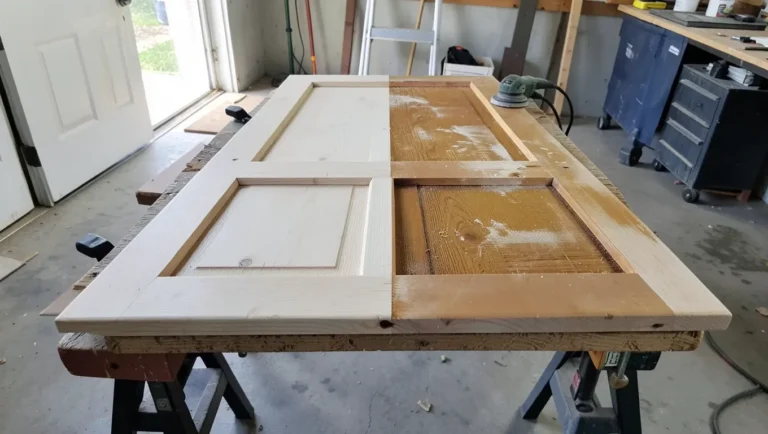
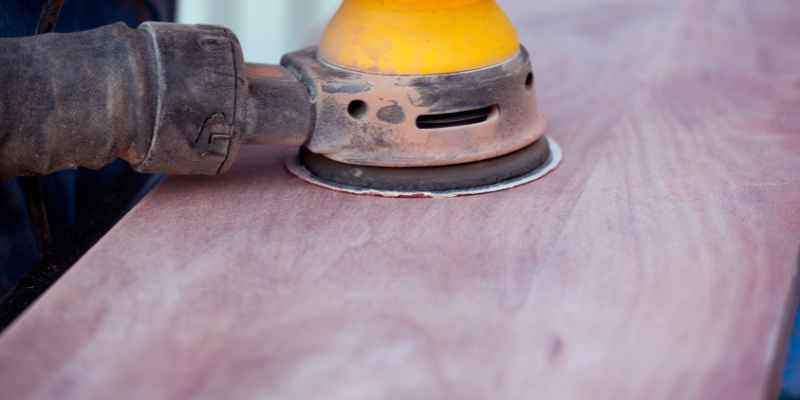
One of the simplest and most common methods is sanding the glossy surface with fine-grit sandpaper. The abrasive nature of the sandpaper helps to scuff up the glossy finish and create a matte appearance. To do this:
- Clean the surface of any dust or dirt.
- Choose fine-grit sandpaper (around 220 to 320 grit) for a subtle dulling effect.
- Gently sand the glossy surface in a circular motion, applying even pressure.
- After sanding, wipe away any residue and assess the results.
Using steel wool
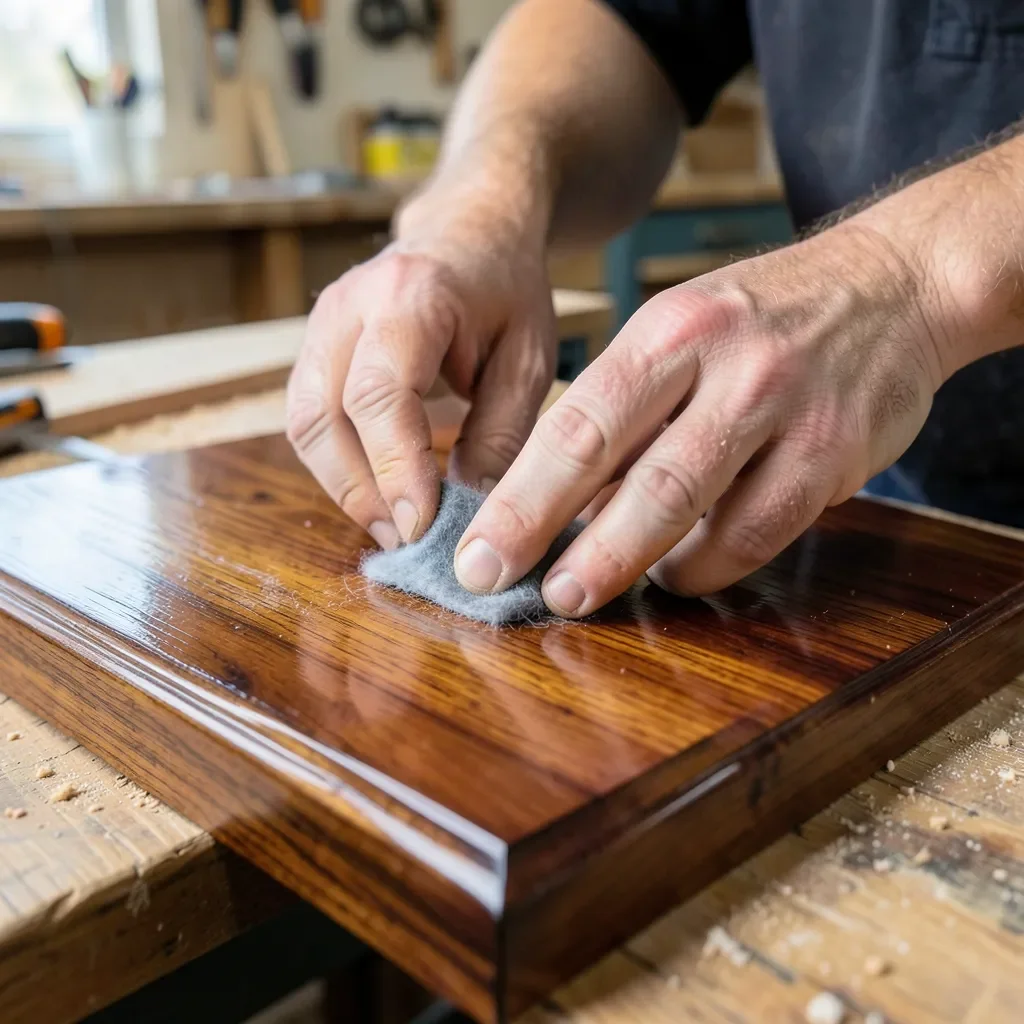
Another method is to use steel wool, which provides a more aggressive abrasive action to dull the glossy finish. Here’s how you can do it:
- Ensure the surface is clean and free from any debris.
- Choose a fine-grade steel wool pad.
- Rub the steel wool over the glossy surface, applying light to moderate pressure.
- Keep checking the surface to achieve the desired level of dullness.
Applying Chemical Solutions
If you prefer a less manual approach, applying chemical solutions can be an effective way to dull a glossy finish. These solutions work by chemically altering the surface to create a matte appearance. Here are a couple of options to consider:
Using a deglossing agent
A liquid sander deglosser (such as Klean-Strip’s water-based formula) chemically dulls a surface without sanding dust. To use one:
- Prepare the surface by thoroughly cleaning it.
- Apply the deglossing agent to a clean cloth or sponge.
- Gently rub the cloth or sponge over the glossy surface, following the manufacturer’s instructions.
- Allow the deglossing agent to dry completely and assess the results.
Applying a matte finishing product
If you’re looking for a more permanent solution, applying a matte finishing product is a great option. These products create a non-reflective, matte surface and come in various forms such as sprays or finishes:
- Ensure the surface is clean and dry.
- Follow the manufacturer’s instructions on how to apply the matte finishing product.
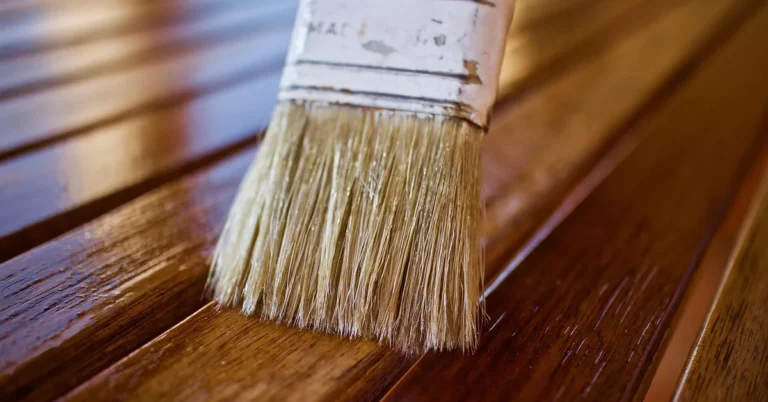
- Use a brush, roller, or spray to evenly apply the product onto the glossy surface.
- Allow the finishing product to dry completely and enjoy the new matte finish.
Abrasives (sandpaper, steel wool) and chemical deglossers both work — the comparison table below breaks down time, cost, and effort so you can pick the right one for your surface.
Steel Wool vs. Sandpaper vs. Liquid Deglosser: Which Method to Use
Three methods handle most glossy-finish jobs: 0000-grade steel wool with paste wax, fine sandpaper (320–400 grit), and a liquid sander deglosser such as Klean-Strip’s water-based formula. Each trades off differently on time, cost, and mess.
| Method | Time | Cost | Best For |
|---|---|---|---|
| 0000 steel wool + paste wax | 5–15 min per section | ~$3–5 per pad | Light dulling and prepping a finish for a recoat, no dust |
| Liquid sander deglosser (e.g. Klean-Strip) | ~10 min dry time before recoating | ~$15–20 per quart | Cabinets, trim, and large areas where sanding dust is impractical |
| Fine sandpaper (320–400 grit, wet or dry) | 15–30+ min per section | ~$5–10 per pack | Heavier gloss reduction or full conversion to a flat matte texture |
📊 A liquid sander deglosser typically needs about 10 minutes to sit and dry before you can recoat. — Source: Klean-Strip, Liquid Sandpaper product guide
“We check for missed shine by holding a shop light at a low, raking angle across the surface — any spot that still flashes back needs another pass with steel wool or deglosser before you recoat.”
Step-by-step Guide: Dulling a Glossy Finish
This step-by-step process works whether you choose sanding, steel wool, or a liquid deglosser — from surface prep through the finishing touches.
Preparing The Surface
The success of dulling a glossy finish heavily relies on the preparation of the surface. Before you begin, make sure to:
- Clean the surface thoroughly to remove any dirt, dust, or debris that may affect the adhesion of the dulling agent.
- Use a mild detergent and water solution or a recommended surface cleaner appropriate for the material.
- Rinse the surface with clean water and dry it completely before proceeding.
Choosing The Appropriate Method
When it comes to dulling a glossy finish, there are various methods you can choose from. The suitable method will depend on the type of surface and the level of glossiness you want to achieve. Consider the following options:
- Sanding: Sanding the surface with fine-grit sandpaper is an effective way to remove the glossy layer. Start with a low grit number and gradually move to a higher one until the desired level of dullness is achieved.
- Chemical Dulling: A water-based liquid sander deglosser (such as Klean-Strip’s) removes gloss from paint, varnish, or enamel without sanding — wipe it on with a lint-free cloth and let it sit about 10 minutes before recoating.
- Buffing: Buffing the surface with a fine-grit abrasive pad or steel wool can help reduce the glossiness. Make sure to use gentle, circular motions and check the progress regularly.
Executing The Process
Once you have chosen the appropriate method, follow these steps to dull the glossy finish:
- Protective Measures: Wear protective gloves, goggles, and a dust mask before starting the process to ensure your safety.
- Test Area: Before applying the chosen method to the entire surface, test it on a small, inconspicuous area to ensure it produces the desired result without causing any damage.
- Apply the Technique: Whether you are sanding, using a chemical dulling agent, or buffing, always follow the instructions provided by the manufacturer or seek professional advice.
- Work in Sections: If you’re working on a large surface, work in small sections to ensure evenness. Pay close attention to the pressure and technique used to achieve consistent results.
- Clean and Inspect: After the process is complete, clean the surface again to remove any residue from the dulling agent. Inspect the surface to ensure the glossiness has been adequately reduced.
Finishing Touches
Once you have successfully dulled the glossy finish, there are a few finishing touches you can consider to enhance the overall appearance:
- Apply a clear finish to protect the dulled surface and give it a subtle sheen.
- If desired, add a layer of wax or polish suited for the material to further enhance the dullness.
- Regularly maintain the surface by dusting and cleaning it to preserve the desired level of dullness.
By following this step-by-step guide, you can effectively dull a glossy finish and achieve the desired level of dullness for your furniture or surfaces. Remember to perform a test in an inconspicuous area and always prioritize safety when working with chemicals or abrasive materials.
Key Considerations
Testing In Inconspicuous Areas
Dulling a glossy finish requires careful consideration and testing to ensure the desired outcome. Before proceeding with any dulling methods, it’s crucial to test in inconspicuous areas to assess the impact on the finish of the surface.
Here are some key considerations to keep in mind while testing in inconspicuous areas:
- Choose a small, hidden spot on the surface where the test won’t be noticeable.
- Apply the selected dulling method or product to this test area.
- Observe and assess the result to determine if it achieves the desired level of gloss reduction.
- If the test is successful, proceed with confidence. If not, try alternative methods or seek professional advice.
- Remember, testing in inconspicuous areas is essential to avoid any irreparable damage to the glossy finish.
Maintenance Of Dulled Finishes
Once you achieve the desired level of gloss reduction on your surface, it’s important to maintain the dulled finish properly. Proper maintenance will help preserve the look and longevity of your dulled surfaces.
Here are some tips for maintaining dulled finishes:
- Clean the dulled surface regularly using non-abrasive cleaning products suitable for the specific material.
- Avoid using harsh chemicals or abrasive cleaning tools that can damage the dulled finish.
- Wipe spills and stains immediately to prevent them from settling and causing permanent damage.
- Use soft microfiber cloths or sponges to clean the surface gently.
- Avoid excessive scrubbing, as it may remove the dulled finish or create uneven patches.
- Inspect the dulled finish periodically for any signs of wear or damage, and address them promptly to avoid further deterioration.
By following these maintenance tips, you can ensure that your dulled finish stays in excellent condition for years to come.
Frequently Asked Questions On How To Dull A Glossy Finish
How Do You Make Gloss Less Shiny?
To make gloss less shiny, you can use a matte topcoat or finisher. This product will reduce the glossy appearance and provide a more subtle, matte finish to your desired surface.
How Do You Tone Down A High Gloss Finish?
To tone down a high gloss finish, use a fine-grit sandpaper to gently roughen the surface. Then, apply a thin coat of matte or satin finish varnish or paint. This will create a more subdued appearance. Make sure to test the product in a small, inconspicuous area before applying it to the entire surface.
How Do You Make A Glossy Finish Matte?
To make a glossy finish matte, you can use several methods. One option is to lightly sand the surface with fine-grit sandpaper to create a rough texture. Another option is applying a matte topcoat or paint over the glossy finish.
Remember to thoroughly clean the surface before applying any new products.
How Do You Dull Gloss?
To dull gloss, apply a fine grit sandpaper to the glossy surface, gently rubbing in circular motions until the shine has diminished. Wipe away any debris with a clean, damp cloth. Repeat the process if necessary for a more matte appearance.
Can You Dull a Glossy Finish Without Sanding?
Yes — a water-based liquid sander deglosser or 0000 steel wool with paste wax both cut gloss without sandpaper or dust. Wipe on the deglosser and let it sit about 10 minutes, or rub lightly with steel wool until the shine flattens, then wipe clean before recoating.
Does 0000 Steel Wool Work on Polyurethane and Varnish?
Yes — 0000 (super-fine) steel wool loaded with paste wax or mineral spirits is a standard way to knock down the sheen on cured polyurethane or varnish and de-whisker raised grain between coats. Always rub with the grain and remove all steel-wool fibers with a tack cloth before applying a new coat, since stray fibers can rust under the finish.
How Do You Dull a Glossy Deck Coating or Hardwood Floor Finish?
Scuff-sand the coating with 220–320 grit sandpaper or a maroon abrasive pad until the sheen flattens evenly, then vacuum and tack-cloth the dust before recoating with a matte or satin topcoat. On deck coatings and hardwood floors, work in the direction of the boards and check progress under raking light so you don’t leave uneven patches.
Conclusion
0000 steel wool with paste wax, a liquid deglosser like Klean-Strip, or 320–400 grit sandpaper will all dull a glossy finish — pick steel wool or deglosser for a quick, dust-free job, and sandpaper when you need a fully flat matte texture. Clean the surface thoroughly first and test in an inconspicuous spot before committing to the whole piece.
Sponsored / affiliate links. As an Amazon Associate I earn from qualifying purchases. I may earn additional commission from eligible campaigns.