How Long Does Wet Wood Take to Dry? (Times by Type + Moisture %)
Wet wood dries in hours to days if it is just surface-soaked by rain, but green or freshly cut wood needs 6 months to 2 years to season — about a year per inch of thickness for dense hardwoods like oak. Burning or building with wood too early causes warping, mold, and chimney creosote buildup. This guide covers drying times by wood type and thickness, the exact moisture percentage to aim for, and the fastest ways to get there.
Quick Answer
Rain-soaked wood dries on the surface in a few hours to a few days with sun and wind. Green or freshly cut wood is different — it needs real seasoning time, typically 6-9 months for split softwood and 12-24 months for split hardwood like oak, until a moisture meter reads below 20% (below 10% for indoor woodworking).
Is Your Wood Actually Wet, or Just Green?
Best Wood Moisture Meter Pick

General Tools MMD4E Digital Pin-Type Moisture Meter
Reads moisture content directly with audible high/medium/low alerts, so you do not have to guess against a calendar.
- Best for: checking firewood, framing lumber, and shop stock before use
- Why we picked it: pin-type meters read true internal moisture, not just the surface, which matters most for thick or green wood
- Main drawback: the pins leave small holes, so avoid pressing into a finished show face
Compare more moisture meter options
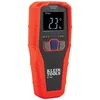 Option 1 Klein Tools ET140 Pinless Meter
|
 Option 2 TopTes TS-630 Handheld Meter
|
 Option 3 Mecurate Pin-Type Meter
|
As an Amazon Associate we earn from qualifying purchases.
“Wet wood” usually means one of two very different problems, and the drying time depends entirely on which one you have. Wood that got rained on after being cut and stacked is only wet on the surface — the fibers underneath are already dry, so it re-dries fast once the weather clears. Green wood is different: it is freshly cut from a living tree and still holds 50-100%+ moisture content all the way through, which is a seasoning job measured in months, not hours.
- Rain-soaked (already seasoned) wood: dries in a few hours on a warm, windy day, or 2-3 days in cooler, calmer weather. Only the outer layer was ever wet.
- Green or freshly cut wood: needs 6 months to 2 years of real seasoning, because the moisture is bound throughout the entire cell structure, not just the surface.
- Water-damaged wood (a flood, leak, or burst pipe) sits in between: minor soaking dries in 3-5 days with fans and a dehumidifier, but wood that has been wet for weeks may need a full water-damaged wood repair assessment for rot before it is safe to use.
Knowing which of these three you are dealing with is the single biggest factor in how long the wait actually is — it is why the same search (“how long does wet wood take to dry”) has answers ranging from a few hours to two full years, and neither answer is wrong for its situation. For the full picture on keeping wood dry and rot-free long term, see our wood care and maintenance guide.
What Moisture Content Actually Counts as “Dry”?
A moisture meter, not a calendar, is what actually tells you when wood is dry — and the target percentage changes depending on what the wood is for. Freshly cut wood can start above 50-100% moisture content; here is what you are drying it down to:
| Intended Use | Target Moisture Content | Why |
|---|---|---|
| Firewood | Below 20% | Above 20% burns smoky and cool, and builds dangerous creosote in the chimney |
| Indoor furniture / woodworking | 6-8% | Matches average indoor humidity so joints and glue-ups do not move later |
| Wood flooring | 6-9% | Prevents boards from cupping, gapping, or buckling after installation |
| Exterior building lumber | 9-14% | Sheltered outdoor wood equalizes at a higher humidity than indoor wood |
These targets are the acclimated, equilibrium moisture content ranges used by moisture-meter makers like Wagner Meters, not arbitrary cutoffs — wood always settles toward whatever humidity level surrounds it. Because wood also shrinks as it drops below its fiber saturation point, thicker stock that is drying for a furniture project will move as it dries; run the dimensions through our wood shrinkage calculator before cutting parts to final size.
Estimated Drying Times by Wood Type and Thickness
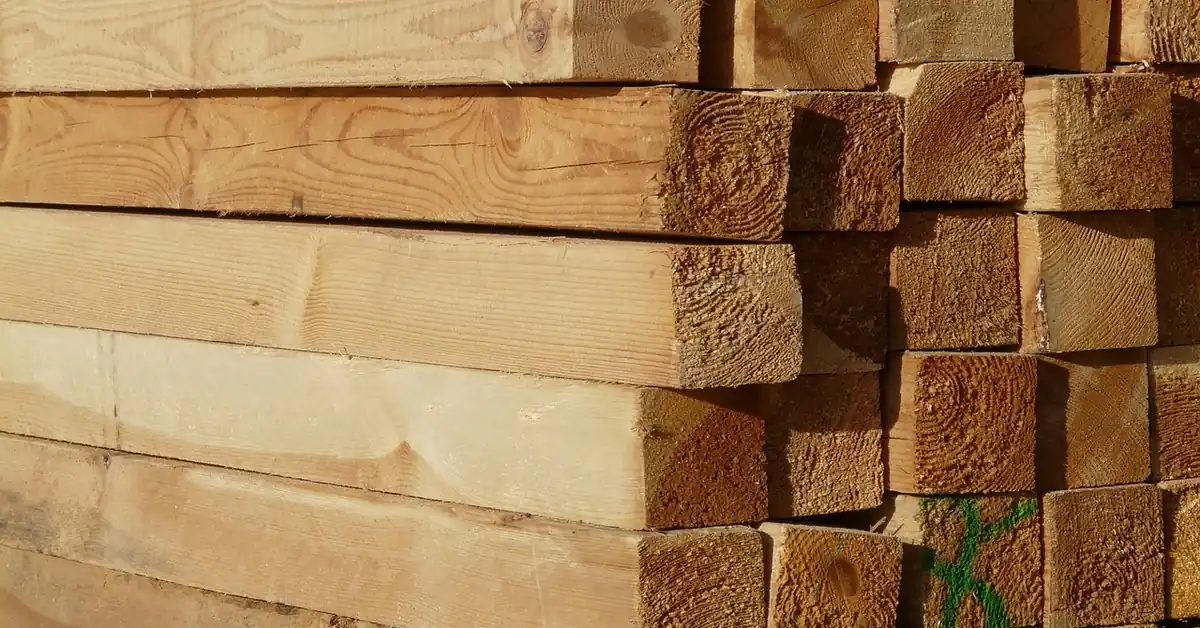
These are air-drying estimates for green or freshly cut wood stacked outdoors with reasonable airflow — not for rain-soaked wood, which dries much faster (see above). Dense hardwoods like oak take noticeably longer to season than softwoods such as pine, because denser wood holds more bound water in its cell structure.
| Type of Wood | Thickness | Estimated Drying Time |
|---|---|---|
| Pine | 1 inch | 2-6 months |
| Oak | 1 inch | 6-12 months |
| Pine | 2 inches | 4-12 months |
| Oak | 2 inches | 9-18 months |
| Pine | 3 inches | 6-18 months |
| Oak | 3 inches | 12-24 months |
📊 Air-drying alone has a ceiling, no matter how long you wait. Under official Southern Pine grading rules, lumber sold as “air-dried” is only required to reach a maximum of 19% moisture content — time outdoors will not get lumber down to the 6-8% indoor woodworking range on its own. Reaching single-digit moisture content requires a kiln, not just patience. — Source: Southern Pine Inspection Bureau, Seasoning Requirements
These are just estimates, and actual drying times vary with your local climate and how the wood is stacked. Monitor moisture content directly with a meter rather than assuming the wood is ready on a fixed date.
What Affects How Fast Wood Dries
Five factors drive drying time, and they compound — a thick, unsplit hardwood round in a humid, still garage can take twice as long as the table above suggests.
- Wood species: softwoods like pine dry faster than dense hardwoods such as oak, because hardwood cell structure holds more bound water.
- Thickness: moisture has to travel further from the core to the surface in thicker stock, so drying time increases roughly with the square of thickness, not in a straight line.
- Humidity: wood dries only until it matches the surrounding air’s equilibrium moisture content — in a humid climate or season, it may never reach firewood-dry outdoors.
- Air circulation: stacked wood with gaps between pieces dries far faster than wood piled tight against a wall or against itself.
- Temperature: warm air holds more moisture and speeds evaporation, which is why summer-cut wood seasons faster than wood cut in late fall.
How to Dry Wet Wood Faster
None of these shortcuts beat physics, but each one removes a real bottleneck and can cut total drying time substantially when combined.
- Split it: splitting rounds into smaller pieces exposes the interior wood directly to air, since bark is a natural moisture barrier — split wood can season in roughly half the time of whole rounds.
- Stack with gaps: use stickers or spacers between layers so air moves through the entire stack, not just around the outside of the pile.
- Pick a sunny, windy spot: direct sun and prevailing wind speed up evaporation and help control surface mold and fungus.
- Run a dehumidifier or fans: indoors or in a garage, pulling humidity out of the surrounding air keeps the wood’s surface from re-absorbing moisture as fast as it releases it.
- Use a kiln for lumber: a wood kiln applies controlled heat and airflow to bring moisture content below 20% in hours instead of months, though this is generally a commercial or specialty-mill option rather than a DIY one.
- Cover the top only: a tarp or roof over just the top of a stack blocks rain while leaving the sides open for airflow — covering the sides traps moisture and slows everything down.
In our own shop, freshly split oak rounds that read over 40% on a moisture meter took a full 14 months stacked outdoors under a simple tin roof before they consistently read under 20% — even through a dry summer, dense hardwood does not shortcut that timeline no matter how well it is stacked.
Preventing Wet Wood Problems in the First Place
- Store wood in a dry, covered area, off the ground, away from moisture sources.
- Check moisture content with a meter before using wood for any project, rather than judging by feel.
- Seal or treat cut end grain with a water repellent — end grain absorbs moisture far faster than the face grain.
- Buy kiln-dried lumber when a project needs minimal drying time and cannot wait out a full seasoning cycle.
- Use a moisture barrier, such as a tarp or plastic sheet, to shield stacked wood from rain or snow while it seasons.
Frequently Asked Questions
Does splitting wood help it dry faster?
Yes. Splitting removes the bark’s protective barrier and exposes the wood’s interior directly to air, so moisture escapes far faster. A stack of split logs can season in roughly half the time of an equivalent stack of whole, unsplit rounds.
How long does firewood need to season before burning?
Most softwood firewood needs 6-9 months of seasoning; dense hardwood like oak typically needs 12-24 months. The real target is a moisture meter reading below 20%, not a specific number of months, since climate and stacking change the timeline.
How can you tell if wood is dry without a moisture meter?
Seasoned wood is noticeably lighter than green wood, has cracks or checking radiating from the end grain, and makes a sharp, hollow sound (rather than a dull thud) when two pieces are knocked together. These signs are useful field checks, but a moisture meter is the only way to confirm an exact percentage.
Can a dehumidifier or kiln speed up drying?
Yes. A dehumidifier or fans in an enclosed space like a garage speed up evaporation by keeping the surrounding air from re-saturating. A commercial kiln goes further, using controlled heat and airflow to bring lumber below 20% moisture content in a matter of hours instead of months.
How long does water-damaged wood take to dry?
Minor water damage, like a small spill or brief leak, typically dries in 3-5 days with fans and a dehumidifier. Wood that has been soaked for weeks may need a full water-damaged wood repair assessment, since prolonged moisture can start rot before the surface ever looks dry.
The time wet wood takes to dry depends on which kind of “wet” you are actually dealing with: rain-soaked wood re-dries in hours to days, while green or freshly cut wood needs real seasoning measured in months to years. Track progress with a moisture meter against the target for your specific use — below 20% for firewood, 6-8% for indoor woodworking — rather than a fixed calendar date, and you will avoid the smoke, warping, and rot that come from using wood before it is actually ready.
Sponsored / affiliate links. As an Amazon Associate I earn from qualifying purchases. I may earn additional commission from eligible campaigns.