How to Keep Wood From Splitting: 7 Methods That Work
Wood splits when it dries faster on the outside than the inside — end grain alone can lose moisture at up to 100 times the rate of the flat faces, so the ends crack first. Skip end-sealing on a green log or slab and you can lose an entire board to a checking crack within days. This guide covers which woods resist splitting, how to seal end grain correctly, and when polyethylene glycol (PEG) is worth the extra step.
Quick Answer
To keep wood from splitting: dry it slowly (roughly 1 year per inch of thickness for air-drying), seal cut ends with wax or Anchorseal within an hour of cutting, pre-drill before nailing or screwing, and store wood off the ground away from direct sun and sudden humidity swings. Dense hardwoods like oak and maple resist splitting better than pine or cedar.
Checks vs. Splits: What’s Actually Happening
Best End-Grain Sealer Pick
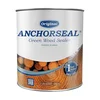
ANCHORSEAL Classic Log & Lumber End Sealer
A wax-emulsion barrier brushed or sprayed onto fresh-cut ends to slow moisture loss and prevent checking.
- Best for: milled lumber ends, log blanks, and live-edge slabs right after cutting
- Why we picked it: the industry-standard wax emulsion sawmills and turners default to — water-based, brushable, no solvent smell
- Main drawback: needs a full coat on bare, dust-free wood to seal properly — thin coats leave gaps checking can start in
Compare more end-grain sealing options
 Option 1 Preservation Solutions End Grain Sealer
|
 Option 2 Osmo Polyx Hard Wax Oil, .125L
|
 Option 3 General Tools MMD4E Moisture Meter
|
As an Amazon Associate we earn from qualifying purchases.
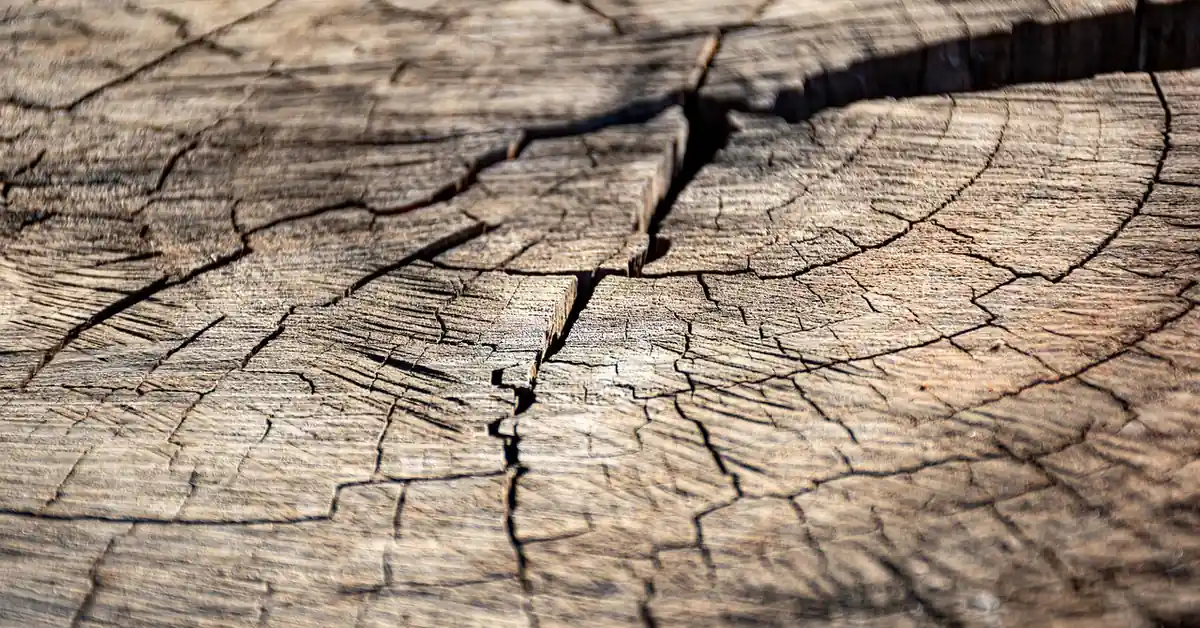
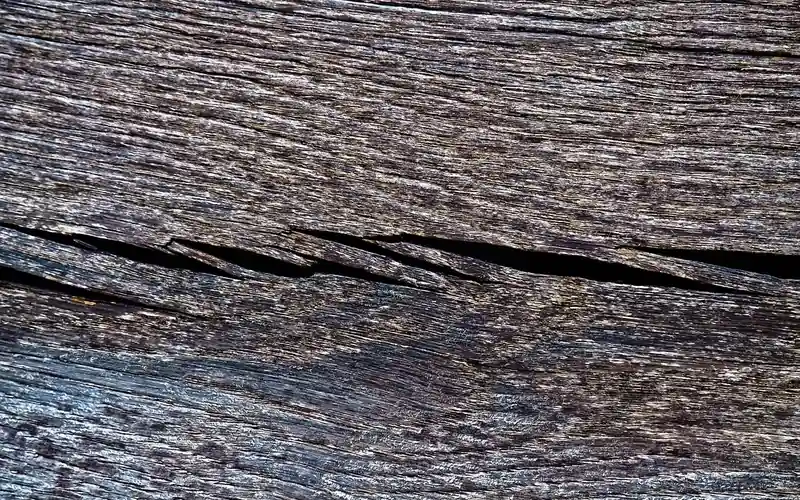
A wood check is a crack that runs along the grain but doesn’t go all the way through the board — it’s a surface-drying stress reaction, not a structural failure. A split (also called a shake) goes clear through from one face to the other. Most of what people call “splitting” during drying actually starts as checking on the end grain, which is why end-sealing stops the problem before it ever becomes a full split.
📊 End grain can absorb and release moisture at up to 100 times the rate of the side grain, according to wood-moisture research cited by Wagner Meters — that speed mismatch between the end and the rest of the board is what causes checking to start at the ends first, every time.
In our shop, we’ve seen more boards ruined by delayed end-sealing than by any drying rack setup — sealing within an hour of cutting matters more than which specific product you use.
1. Choose the Right Wood
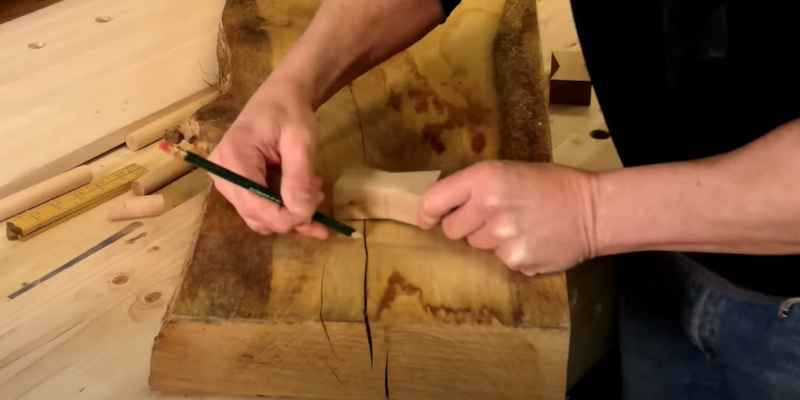
The first step in preventing wood from splitting is choosing a species that resists it. Dense hardwoods such as oak, maple, and teak have a lower tendency to split than softer, more porous woods like pine or cedar. For a project that involves nailing or screwing near an edge, factor species choice in from the start — it’s cheaper than repairing a split board after the fact.
2. Dry Wood Slowly and Seal the End Grain
Inadequate or rushed drying is the leading cause of splitting. Properly air-dried wood settles around 6–8% moisture content indoors. Check it with a moisture meter rather than guessing — if the moisture level is still high, let it air dry slowly in a well-ventilated area. As a rule of thumb, air-drying takes about one year per inch of board thickness; forcing it faster with heat or direct sun is what drives most splitting.
Seal the Ends the Same Day You Cut
Because end grain loses moisture so much faster than the sides, sealing it is the single highest-leverage step you can take. A wax-emulsion sealer (Anchorseal is the industry standard for milled lumber and turning blanks) forms a barrier that slows moisture loss at the ends until it matches the rest of the board, so the whole piece dries evenly instead of cracking at the tips first.
Polyethylene Glycol (PEG) for Green Logs and Blanks
For green wood — a fresh-cut log, a live-edge slab, or a turning blank — soaking in polyethylene glycol (PEG) immediately after cutting is a step end-sealer alone doesn’t replace. PEG molecules replace the water inside the wood cells as it dries, which bulks the cell walls and keeps them from collapsing and cracking the way plain air-drying can. It only works if you start before the wood has already begun to dry, so it’s a plan-ahead step for turners and slab workers, not a fix for a board that’s already checking.
3. Pre-Drill Before Nailing or Screwing
When you nail or screw pieces of wood together, splitting near the fastener is a real risk — especially near an edge or end. Pre-drilling a pilot hole gives the fastener a path instead of forcing the wood fibers apart. Make the pilot hole diameter slightly smaller than the fastener’s shank, and drill closer to the center of the pilot for hardwoods, which split more readily at the fastener line than softwoods do.
4. Control Moisture and Store Wood Correctly
Excessive or uneven moisture exposure is what turns a stable board into a split one. Keep wood away from damp concrete, direct water sources, and high-humidity spots, and apply a weather-resistant finish or sealant on anything that will live outdoors. For storage, stack wood in a dry, well-ventilated area, elevated off the ground on stickers spaced evenly along the length, and out of direct sunlight. Sunlight and ground contact both create a moisture gradient across the board — exactly the uneven-drying condition that causes checking.
5. Account for Seasonal Wood Movement
Wood expands and contracts with the seasons even after it’s fully dried and finished. Design projects with room for that movement — leave small expansion gaps between panel edges and frames, and avoid gluing or pinning a wide panel rigidly on all four sides. A board that can’t move where it needs to will crack instead.
If a Crack Has Already Started
Sometimes a check gets ahead of you despite doing everything right. If a crack starts spreading, stop-drilling the tip can arrest it before it travels further into the board. For a split that’s already gone all the way through, see our guide on how to repair split wood for filling and clamping options. Both are covered in more depth in our full wood care and maintenance guide.
Frequently Asked Questions
Is wood checking the same thing as wood splitting?
No. A check is a crack along the grain that doesn’t pass all the way through the board, caused by the surface drying faster than the core. A split (or shake) goes clear through from one face to the other. Checking usually happens first and, left unsealed, can progress into a full split.
How long does wood take to dry without splitting?
Air-drying takes roughly one year per inch of board thickness under normal conditions, longer for dense hardwoods or thicker slabs. Rushing this with direct heat or full sun is one of the most common causes of splitting, since it dries the outside far faster than the core can catch up.
Does polyethylene glycol (PEG) really stop wood from splitting?
Yes, for green wood treated immediately after cutting. PEG replaces water inside the wood cells as it dries, which keeps the cell walls from collapsing and cracking the way plain air-drying can. It has to be applied before the wood starts drying on its own — it won’t reverse checking that’s already underway.
What’s the best sealer for wood end grain?
A wax-emulsion end sealer such as Anchorseal is the industry standard for milled lumber, log blanks, and live-edge slabs. Apply it to bare, dust-free end grain the same day you cut the wood — a full, even coat matters more than the specific brand.
Why do the ends of a board split before the middle?
End grain can lose moisture at up to 100 times the rate of the side grain, because wood cells run lengthwise like bundles of straws and moisture escapes far more easily out the open ends. That speed mismatch is what causes the ends to dry — and check — long before the rest of the board.
Preventing wood from splitting comes down to controlling how evenly it dries: choose a species suited to the project, dry it slowly, seal the end grain the same day you cut it, pre-drill before fastening, and store it where moisture and sunlight stay consistent. Get those five right and most splitting simply never starts.
Sponsored / affiliate links. As an Amazon Associate I earn from qualifying purchases. I may earn additional commission from eligible campaigns.