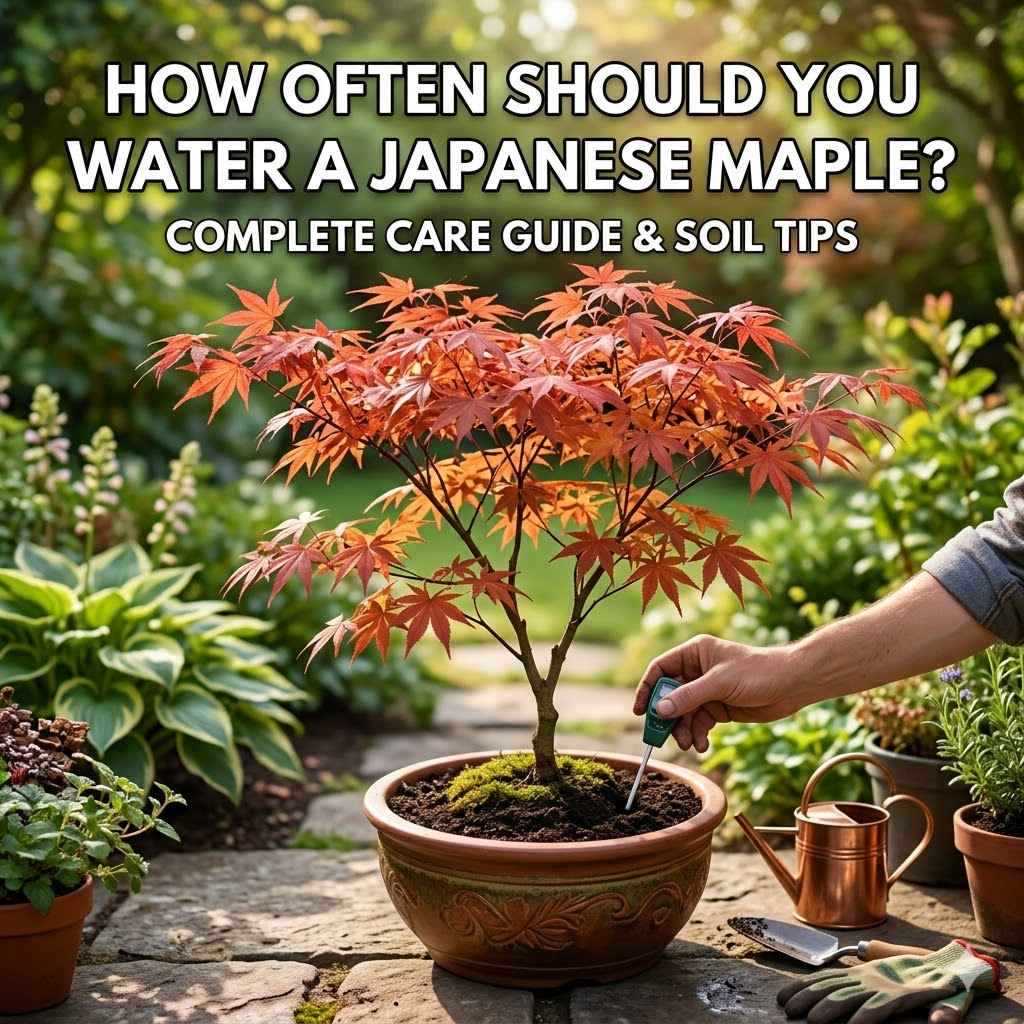
How Often Should You Water a Japanese Maple
Watering a Japanese maple can feel a little tricky, especially if you’re new to caring for these beautiful trees. You might wonder, How Often Should You Water a Japanese Maple? It’s a common question because they are sensitive to both too much and too little water. Don’t worry, though!
We’ll walk through it step-by-step, making it super simple to keep your tree happy and healthy. Let’s figure out exactly what your tree needs.
Understanding Your Japanese Maple’s Water Needs
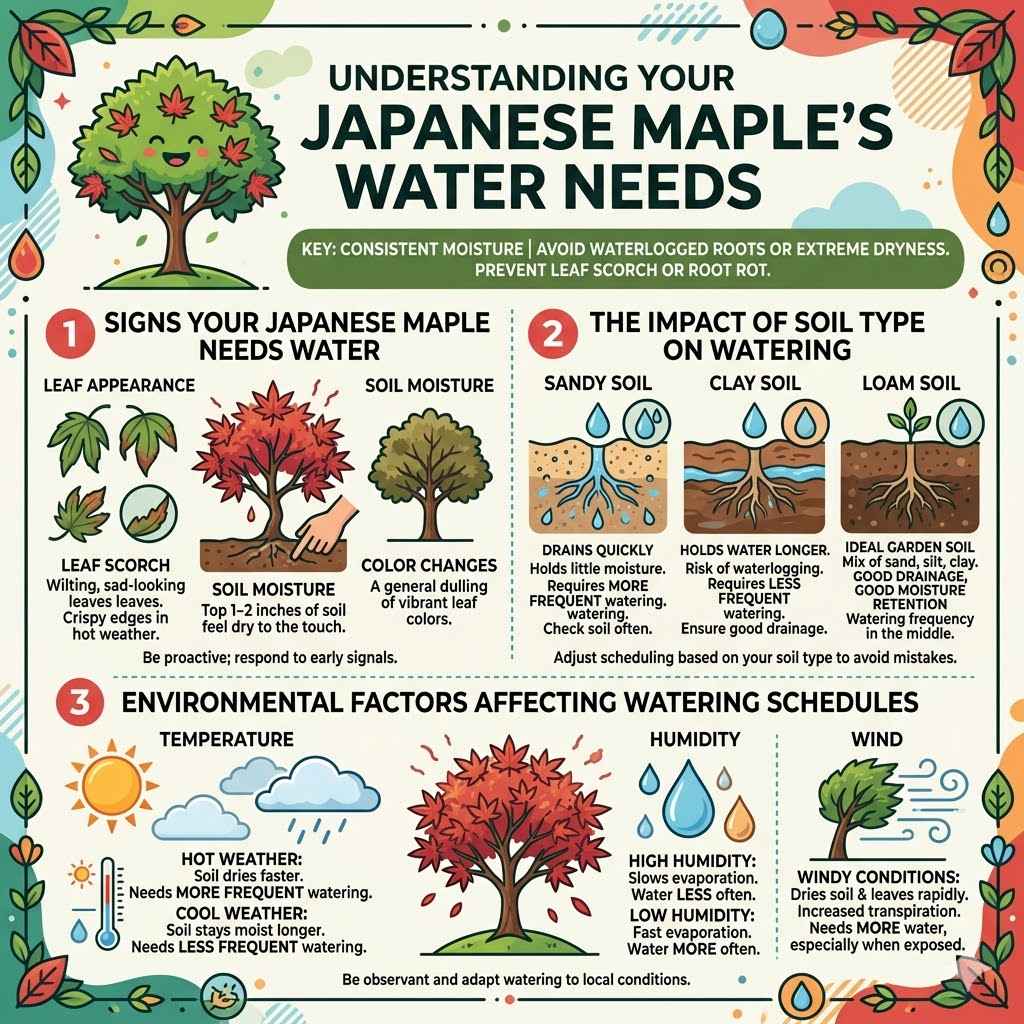
Knowing when and how much to water your Japanese maple is key to its survival and beauty. These trees prefer consistent moisture but can be harmed by waterlogged roots or extreme dryness. Understanding their specific needs helps prevent common problems like leaf scorch or root rot.
This section will explain the basics of what your tree likes, setting the stage for proper watering techniques.
Signs Your Japanese Maple Needs Water
Your Japanese maple will tell you when it’s thirsty. Observing your tree is the best way to learn its signals. Pay close attention to the leaves and the soil around the base.
- Leaf appearance: Drooping or wilting leaves are the most obvious sign. They might look sad and a bit limp. Sometimes the edges of the leaves can turn brown and crispy, especially in hot, dry weather. This is called leaf scorch and is a clear indicator of water stress.
- Soil moisture: The soil is your next best clue. If the top inch or two of soil feels dry to the touch, it’s probably time to water. You can easily check this by sticking your finger into the ground near the base of the tree. If it’s dry, your tree is likely thirsty.
- Color changes: While less common, sometimes a general dulling of the leaves’ vibrant color can also be a subtle sign. It’s not as dramatic as wilting, but it can suggest the tree isn’t getting enough hydration to maintain its full vitality.
Learning these signs helps you be proactive. Instead of waiting for your tree to look severely stressed, you can respond to these early indicators. This prevents the tree from suffering and makes its recovery much quicker and easier.
The Impact of Soil Type on Watering
Different types of soil hold water differently. This affects how often you’ll need to water your Japanese maple. Understanding your soil helps you adjust your watering schedule accordingly.
- Sandy soil: Sandy soils drain very quickly. Water passes through them easily, meaning they don’t hold onto moisture for very long. If you have sandy soil, you’ll likely need to water your Japanese maple more frequently. It’s important to check the soil often.
- Clay soil: Clay soils hold onto water much longer. They can become waterlogged if overwatered, which is bad for tree roots. If your soil is heavy clay, you’ll need to water less often. Make sure water can drain away.
- Loam soil: Loam is often considered the ideal soil type for gardens. It’s a good mix of sand, silt, and clay. Loam drains well but also retains enough moisture to keep plants hydrated. With loam, watering frequency will be somewhere in the middle.
Knowing your soil helps you avoid common watering mistakes. For example, if you have clay soil and water as often as you would for sandy soil, you risk drowning your tree’s roots. Always consider the soil when deciding when to water.
Environmental Factors Affecting Watering Schedules
Beyond soil type, your local environment plays a big role in how much water your Japanese maple needs. Factors like temperature, humidity, and wind can all influence how quickly the soil dries out.
- Temperature: Hotter weather means the soil will dry out faster. During summer heatwaves, your maple may need more frequent watering. Cooler temperatures mean the soil stays moist longer, requiring less frequent watering.
- Humidity: High humidity levels mean there’s more moisture in the air. This slows down evaporation from the soil. In humid climates, you might water less often. Low humidity, common in dry climates, makes soil dry out quicker.
- Wind: Windy conditions can dry out the soil and the tree’s leaves rapidly. If your tree is in an exposed location, it will likely need more water, especially during dry, windy periods. Wind increases the rate of transpiration from the leaves.
It’s important to be observant. If you notice your tree is struggling during a heatwave or a windy spell, it’s a sign to check the soil and potentially water. Adapting your watering to these conditions is crucial for your tree’s health.
How Often Should You Water a Japanese Maple Effectively
Now that we understand the basics, let’s talk about the actual practice of watering. Getting the frequency right is what keeps your Japanese maple thriving. We’ll cover everything from how much water to give to the best times to water.
Watering Frequency Based on Tree Age
Younger trees need more attention than established ones. Their root systems are still developing and need consistent support. Older, mature trees are more resilient.
- New plantings (0-2 years): Newly planted Japanese maples are the most vulnerable. They rely heavily on your watering to establish their roots. You should water them deeply every few days. The goal is to keep the soil consistently moist but not soggy.
- Young trees (2-5 years): As the tree grows, its roots spread. Watering can become slightly less frequent. Aim for watering once or twice a week, depending on the weather and soil. Always check the soil moisture first.
- Mature trees (5+ years): Once your Japanese maple is well-established, it becomes much more drought-tolerant. Mature trees usually only need watering during extended dry periods or heatwaves. Natural rainfall is often enough for them.
The key is to transition as the tree matures. Don’t overwater a mature tree just because you did when it was young. This can lead to root problems.
The Best Way to Water Your Japanese Maple
The method of watering is just as important as the frequency. Watering incorrectly can be as harmful as not watering enough.
- Water deeply and less often: When you water, give your tree a good, deep soak. This encourages the roots to grow deeper into the soil. Shallow watering makes roots stay close to the surface, making the tree more susceptible to drought. Aim to saturate the root zone.
- Water at the base of the tree: Always direct water to the soil around the base of the trunk, not the leaves. Wet leaves can encourage fungal diseases. Watering the root zone ensures the water reaches where it’s needed most.
- Avoid overhead watering: Sprinklers that spray water over the entire tree should be used cautiously. It can lead to leaf diseases, especially in humid conditions. Soaker hoses or drip irrigation are better options.
A good watering session for a young tree might involve several gallons of water. For a mature tree, it could be much more. The goal is to make the soil damp several inches down.
When to Water: Time of Day Matters
The time of day you water can impact your tree’s health. Watering at the right time helps maximize water absorption and minimize loss.
- Morning is best: Watering in the early morning is ideal. The cooler temperatures mean less water will evaporate before the roots can absorb it. It also gives the tree time to absorb the water throughout the day.
- Avoid midday watering: Watering during the hottest part of the day can cause water to evaporate quickly. It can also shock the roots if the water is very cold and the soil is very hot.
- Evening watering can be okay: If morning watering isn’t possible, the early evening is the next best option. However, be aware that water sitting on the leaves overnight can sometimes promote fungal issues. Ensure good air circulation around the tree.
Choosing the right time ensures your effort isn’t wasted. It helps your tree get the most benefit from every watering session, promoting healthy growth and resilience.
Common Watering Mistakes and How to Avoid Them
Even with the best intentions, gardeners can make watering mistakes. These can set your Japanese maple back. Knowing what to avoid is as important as knowing what to do.
Overwatering Your Japanese Maple
Too much water is a common problem. It can suffocate the roots by depriving them of oxygen and lead to root rot.
- Symptoms of overwatering: Overwatered trees might show signs similar to underwatered trees. Leaves can turn yellow and droop, and leaf edges might turn brown. The soil will feel constantly wet, even days after watering.
- Causes of overwatering: This often happens when watering too frequently, especially in heavy clay soil, or when there’s poor drainage. Automatic sprinklers set on a timer can also be a culprit.
- How to avoid overwatering: Always check the soil moisture before watering. Water only when the top few inches are dry. Ensure your soil drains well. If you have clay soil, consider amending it with organic matter to improve drainage.
Root rot is a serious condition caused by prolonged waterlogged soil. It can be difficult to recover from, so prevention is key.
Underwatered Japanese Maple Issues
Not giving your tree enough water is also problematic. It stresses the tree, making it weak and prone to pests and diseases.
- Signs of underwatering: Wilting leaves, dry and crispy leaf edges, and stunted growth are clear signs. In severe cases, leaves may fall off prematurely. The soil will feel dry deep down.
- Causes of underwatering: This can happen during hot, dry spells, if watering is too infrequent, or if the soil has very poor water retention. Young trees with shallow roots are particularly susceptible.
- How to avoid underwatering: Water deeply when the soil feels dry. For new trees, establish a regular watering schedule that you adjust based on weather. Mulching can help retain soil moisture.
Consistent watering, especially during the tree’s establishment phase and during dry periods, is crucial for preventing underwatering issues.
Ignoring Soil Drainage
Poor drainage is a silent killer for many plants, including Japanese maples. If water can’t escape, roots sit in a soggy environment.
- Why drainage is vital: Japanese maples need oxygen at their roots. When soil is waterlogged, there’s no air, and roots can suffocate and rot. Good drainage allows excess water to flow away.
- Assessing your drainage: Dig a hole about a foot deep and fill it with water. If the water drains away within a few hours, your drainage is likely good. If it stands for a long time, you have a drainage problem.
- Improving drainage: You can improve drainage by amending your soil with organic matter like compost or bark chips. For severe issues, consider planting on a slight mound or raised bed.
Never plant a Japanese maple in a spot where water pools after rain. It’s better to choose a different location or improve the soil before planting.
Practical Tips for Watering Japanese Maples
Here are some actionable tips to make watering your Japanese maple easier and more effective. These small changes can make a big difference in your tree’s health.
Using Mulch Effectively
Mulch is a gardener’s best friend when it comes to managing soil moisture. It helps your Japanese maple stay hydrated and healthy.
- Benefits of mulch: A layer of organic mulch, like wood chips or shredded bark, helps the soil retain moisture. It also suppresses weeds that compete for water. Mulch keeps the soil temperature more consistent, protecting roots from extreme heat and cold.
- How to apply mulch: Spread a 2-3 inch layer of mulch around the base of the tree. Keep the mulch a few inches away from the trunk itself. This prevents moisture from building up against the bark, which can cause rot.
- When to mulch: You can apply mulch in spring and fall. This helps retain moisture during dry summer months and insulates roots during winter.
Mulching is a simple yet powerful tool for consistent soil moisture and overall tree health.
Seasonal Watering Adjustments
Your watering needs will change throughout the year. Adjusting your watering to the seasons keeps your tree happy.
- Spring: As the weather warms up, your tree will start growing again. Water regularly, especially if spring is dry. Check the soil frequently as new growth emerges.
- Summer: This is the most critical time for watering. During hot, dry periods, you may need to water deeply once or twice a week. Monitor your tree for signs of stress.
- Autumn: As temperatures cool, your tree’s water needs decrease. Continue watering if the weather is dry, but reduce frequency. The goal is to ensure the tree is well-hydrated going into winter.
- Winter: Established trees generally do not need supplemental watering in winter unless there is a prolonged dry spell with no snow cover. If the ground is not frozen and it’s very dry, a deep watering can be beneficial.
Being aware of these seasonal shifts helps you provide the right amount of water at the right time.
Monitoring and Adjusting Your Watering
Watering isn’t a set-it-and-forget-it task. You need to keep an eye on your tree and the environment.
- Regular soil checks: Make it a habit to check the soil moisture every few days, especially during warmer months. Stick your finger about two inches into the soil near the tree. If it feels dry, it’s time to water.
- Observe your tree: Always look for any changes in your tree’s appearance. Drooping leaves, wilting, or browning can indicate watering issues, either too much or too little.
- Adapt to weather: If you experience a heatwave, heavy rain, or strong winds, adjust your watering schedule accordingly. Weather changes are the biggest factors influencing soil moisture.
This proactive approach ensures you’re always giving your Japanese maple exactly what it needs, when it needs it.
Case Study: Successful Japanese Maple Watering
Let’s look at a real-world example of how proper watering made a difference. This story highlights the impact of consistent care.
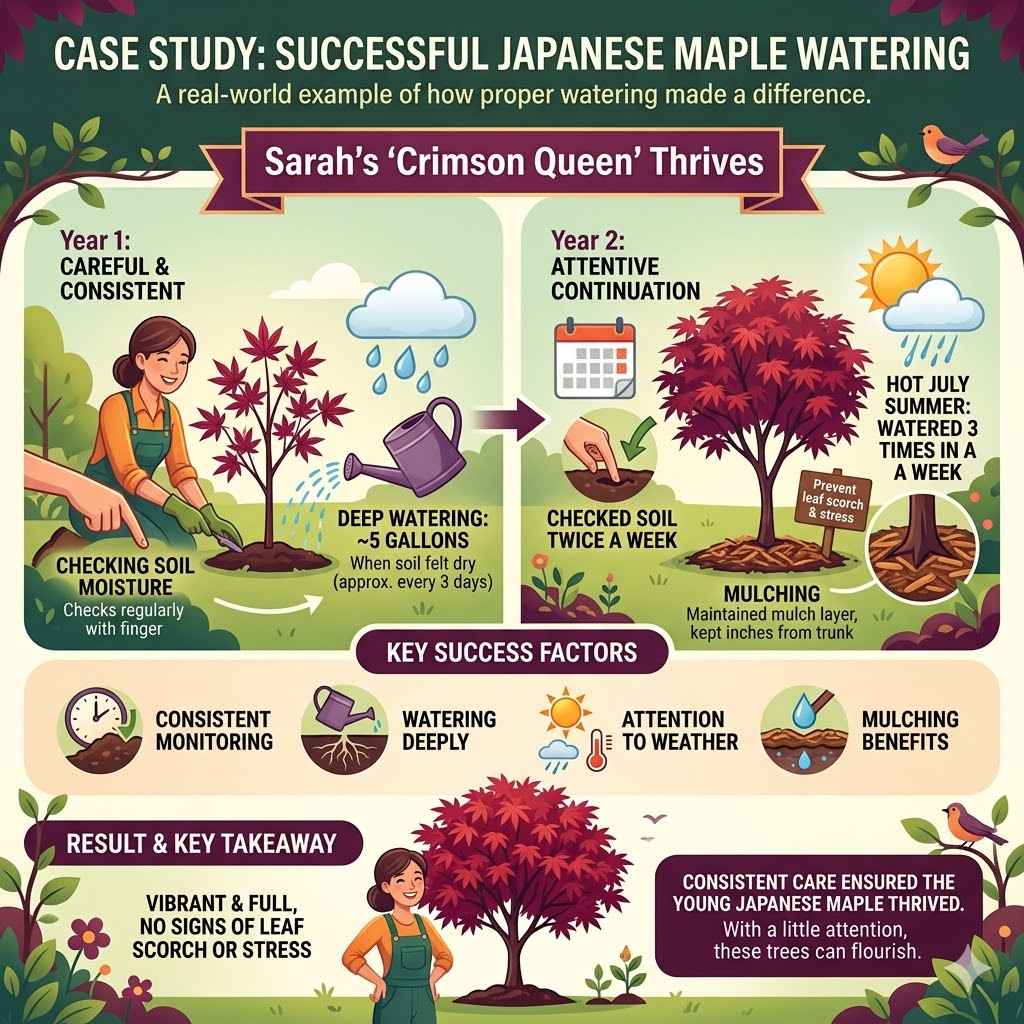
Sarah planted a beautiful ‘Crimson Queen’ Japanese maple in her garden two years ago. The first year, she was very careful, watering it deeply every three days. She checked the soil moisture regularly by sticking her finger in the ground.
When she noticed the soil felt dry, she gave it about five gallons of water at the base.
In the second year, as the tree grew larger, Sarah continued her practice. She checked the soil about twice a week. During a particularly hot and dry summer week in July, she watered it three times.
She also made sure to keep a layer of mulch around the tree, keeping it a few inches away from the trunk. By the end of the second summer, the ‘Crimson Queen’ was vibrant and full, showing no signs of leaf scorch or stress, thanks to her consistent and attentive watering.
This simple approach, focused on checking the soil and watering deeply when needed, ensured Sarah’s young Japanese maple thrived. It shows that with a little attention, these trees can flourish.
Frequently Asked Questions
Question: How often should I water a newly planted Japanese maple?
Answer: Newly planted Japanese maples need frequent watering to help their roots establish. Aim to water deeply every 2-3 days, ensuring the soil stays consistently moist but not waterlogged. Always check the soil moisture with your finger before watering.
Question: Can I water my Japanese maple with a sprinkler system?
Answer: While a sprinkler system can provide water, it’s not ideal for Japanese maples. Overhead watering can lead to fungal diseases on the leaves. It’s better to water directly at the base of the tree with a hose, soaker hose, or drip irrigation.
Question: My Japanese maple’s leaves are turning brown. What should I do?
Answer: Brown leaves on a Japanese maple can be a sign of underwatering, but also overwatering or too much sun. Check the soil moisture. If it’s dry, water deeply.
If it’s wet and the tree still looks stressed, you may have root rot from overwatering. Ensure it’s also getting appropriate shade if you’re in a very hot climate.
Question: Does a Japanese maple need less water in the fall?
Answer: Yes, as temperatures cool down in the fall, your Japanese maple’s water needs decrease. You should still check the soil and water if it’s dry, but you can water less frequently than in the summer. The goal is to have the tree well-hydrated as it heads into winter dormancy.
Question: How do I know if I’m watering too much?
Answer: Signs of overwatering include yellowing leaves that droop or turn brown, and a persistently soggy soil that doesn’t dry out. If the soil stays wet for many days after watering, you are likely watering too much. Ensure good drainage and only water when the top few inches of soil are dry.
Final Thoughts
Keeping your Japanese maple healthy is about observation and adapting. Check your soil often, water deeply when it feels dry, and adjust your schedule with the seasons. With consistent care, your tree will reward you with beautiful foliage for years to come.