How to Clean Untreated Hardwood Floors (No Vinegar, No Damage)
Untreated hardwood floors should be cleaned dry first: dust mop or vacuum, then one barely damp microfiber pass only if needed. With no finish to block liquid, water and cleaners soak into the grain and can raise it, darken it or cup the boards. This guide covers how to confirm your floor is really unsealed, a dry-to-damp method ladder, safe stain fixes, and the humidity range that keeps boards stable.
What Untreated Hardwood Means, and How to Test Your Floor
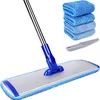 |
Best Damp-Mop Pick 18 Inch Microfiber Flat Mop with 4 Washable Pads: $21.59 A flat pad you wring out by hand lets you control exactly how little water reaches bare boards, which is the whole point of the damp-mop steps below.
|
As an Amazon Associate we earn from qualifying purchases.
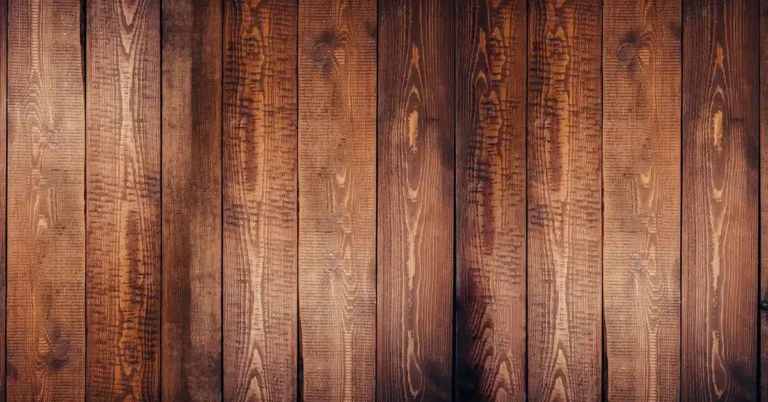
Untreated (also called unfinished or unsealed) hardwood has no polyurethane, wax or oil on top, so the open grain meets whatever lands on it. That makes the cleaning rules different from the ones in our guide to deep cleaning hardwood floors. If your floor has a coating, the advice on caring for wood floors long term fits better.
The Water-Drop Test
Put one small drop of water on a clean spot and watch it. If it beads up and sits on top, the floor has a finish. If it soaks in and leaves a dark spot within a minute or so, the wood is bare. Test a few places, including the hallway and doorways, because finishes wear through first where people walk. A floor that is half sealed and half bare needs the bare-wood rules in those worn spots.
Why Water Is the Real Risk on Bare Wood
The popular advice is to switch to a pH-neutral cleaner, and that is only half right. A neutral formula avoids chemical damage, but it is still liquid. According to the Canadian Conservation Institute, water and solvents can swell wood fibres, raise the grain and cause dimensional change, and they can also carry surface dirt below the surface where it stains.
That last point explains the gray, blotchy patches people find after mopping a raw floor: the dirt was pushed into the wood rather than lifted off it. So the goal is the least wet method that works, not the best cleaner.
The Dry-to-Damp Ladder: Pick the Least Wet Method That Works
| Method | Moisture added | Use it when | Watch out for |
|---|---|---|---|
| Dust mop or microfiber dry pad | None | Daily and weekly upkeep | Shaking the pad over the floor re-spreads grit |
| Vacuum with hard-floor head | None | Gaps between boards, corners, heavy grit | Beater bars and worn wheels can scratch bare wood |
| Dry eraser or art-gum eraser | None | Scuffs and surface smudges | Rub lightly along the grain and vacuum the crumbs |
| Barely damp microfiber pad | Very low | Sticky film or ground-in dirt dry methods missed | Work one small area, then dry it right away |
| Diluted neutral cleaner on a damp pad | Low | Rare deep cleans, after a closet test | Soap residue and any oil in the product |
| Wet mop, steam mop, soaking | High | Never on bare boards | Cupping, swollen seams, dark water marks |
Work down the ladder one rung at a time and stop as soon as the floor is clean. Most routine dirt on a bare floor is dry grit, so the first two rows handle it. If you want to buy a dust mop, our microfiber dust mop comparison lists pad weights and head sizes.
Supplies You Actually Need
- Microfiber dust mop or flat mop with several washable pads, so a clean pad is always available.
- Vacuum with a hard-floor head and the brush roll off or retracted. If a robot vacuum is in the mix, read whether a Roomba scratches wood floors first.
- Soft cotton or microfiber cloth for blotting and for drying any damp patch.
- Plastic scraper or old card for sticky spots. Metal blades gouge bare wood.
- Hygrometer to check indoor humidity.
How to Dry Clean an Untreated Hardwood Floor
- Clear the room: move rugs and light furniture so you can reach every board.
- Dust mop with the grain: long strokes toward the doorway pick up grit instead of flicking it around.
- Vacuum the edges and gaps: use the hard-floor head along baseboards and between boards.
- Lift sticky spots: slide a plastic scraper flat under residue at a low angle.
- Erase scuffs: use a clean dry eraser, then vacuum up the crumbs.
How to Damp Mop Without Soaking the Boards
Reach for this only when dry cleaning leaves a visible film. A flat pad works better than a string mop because it holds less water, and the right amount is close to none.
- Dampen a clean pad in plain lukewarm water.
- Wring it hard until no water drips when you hold it up, and the pad feels cool rather than wet.
- Mop one small section (about 3 by 3 feet) with the grain, using light pressure.
- Dry immediately with a soft towel or a fresh dry pad, then open a window or run a fan.
- Swap pads as soon as one picks up grime, so you never rub dirty water into the grain.
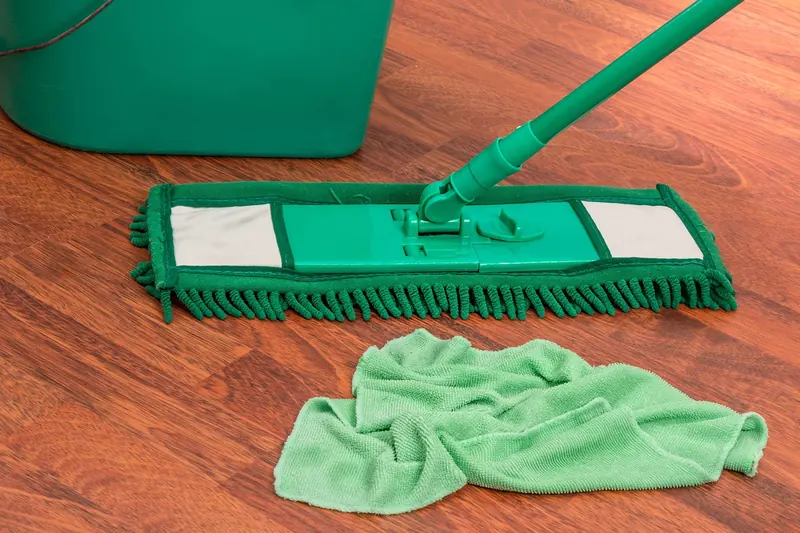
Standing water is the one thing to avoid. If you can see a wet sheen that lasts more than a few seconds, the pad was too wet and the section should be blotted at once. If you want to use a cleaner at all, dilute it, apply it to the pad rather than the floor, and test it first inside a closet. Oil-based soaps are best skipped because they can leave residue that interferes with any finish you apply later. If a bleach or peroxide idea comes up for dark marks, see what hydrogen peroxide does on hardwood before trying it.
Stains, Spills and Marks on Bare Wood
| Problem | What to try first | What to avoid |
|---|---|---|
| Fresh water or drink spill | Blot at once with a dry cloth, then fan the spot | Wiping outward, which spreads the liquid into more grain |
| Scuffs and dirt smudges | Dry eraser along the grain; see safe scuff mark removal for finished boards | Abrasive pads and scrubbing brushes |
| Grease or oil drip | Blot, cover with cornstarch or baking soda, wait, then vacuum | Water and dish soap, which can set the stain |
| Sticky residue | Plastic scraper, then a dry pad | Metal blades and solvent soaking |
| Deep dark or pet stain | Light sanding of the spot, then refinish | Repeated wet scrubbing that darkens the ring |
Nature Wood Floors, a flooring retailer, makes the same practical point: stains on unfinished wood are best sanded away, and spills are far easier to prevent than to fix. When a stain is deep or widespread, consider sanding and refinishing instead of repeated cleaning. Mineral spirits on a rag is another method some flooring sources mention for stubborn grime. It is flammable, so use only a small amount, keep ignition sources away, ventilate the room, and dispose of used rags safely.
Humidity, Mats and Seasonal Care
Bare wood moves with the air. The National Wood Flooring Association recommends a room around 60 to 80 degrees F and 30 to 50 percent relative humidity. Below that range boards shrink and gaps open, and above it they swell and can cup.
- Winter: a humidifier can keep dry heated rooms from falling below 30 percent.
- Summer: air conditioning or a dehumidifier helps in damp climates.
- Entrances: use breathable mats so grit from shoes stops at the door.
- Furniture: add felt pads under legs, and see how to protect hardwood floors from furniture.
- Plant pots and pet bowls: set them on trays, since a slow leak does more harm than a spill.
A Practical Cleaning Schedule
| Task | How often | Notes |
|---|---|---|
| Dust mop or dry pad | Every few days in busy rooms, weekly elsewhere | Wash pads after each use |
| Vacuum edges and gaps | Weekly | Hard-floor head only |
| Spot damp clean | Only when a dry pass fails | Wrung-out pad, dry at once |
| Humidity check | Monthly, and when seasons change | Aim for 30 to 50 percent |
| Reassess the floor | Yearly | If dingy or stained, consider sealing it |
Common Mistakes That Damage Untreated Floors
- Using a finished-floor product: most spray cleaners and polishes are made for sealed surfaces and can soak in or darken bare boards. Our hardwood floor cleaner roundup is aimed at finished floors.
- Steam mopping: heat and moisture reach unsealed grain directly.
- Leaving the floor wet: even a damp pass should be dried straight away.
- Skipping the dust mop: grit under foot scratches faster than any liquid damages.
- Using household acids and harsh cleaners: they can change the color of bare wood, and strong ones are hard to sand out afterward.
Unlike a painted hardwood floor, where the paint film is what you protect, here you are protecting the wood itself. If boards already show damage, repairing hardwood floors covers fixes, and the wood flooring guide explains finish options if you decide to seal the floor.
Frequently Asked Questions
Can you use vinegar on untreated hardwood floors?
No. Untreated boards have no finish, so any liquid soaks straight into the grain, and vinegar adds acid to that moisture without cleaning any better than plain water. Dust mop or vacuum first, then use a barely damp microfiber pad. Skip vinegar, oil soaps and all-purpose sprays.
Is untreated hardwood the same as unfinished hardwood?
In flooring talk, yes. Both terms describe boards with no polyurethane, wax or oil sealer on the surface. A floor whose finish has worn through in the walking paths behaves the same way in those spots, so the water-drop test is worth repeating in high-traffic areas.
Can you use a Swiffer or steam mop on untreated hardwood floors?
A dry sweeping cloth is fine, but wet refill pads and steam mops are not. Steam forces heat and moisture into unsealed grain, and wet pads leave more liquid behind than a wrung-out microfiber pad. Stick to dry cloths, a vacuum with a hard-floor head, and a damp pad only when needed.
How often should you clean untreated hardwood floors?
Dust mop or vacuum every few days in busy rooms and weekly elsewhere, because grit is what scratches bare wood. Damp mop only when a dry pass no longer works, which for most homes is every few weeks at most. Wipe spills immediately instead of waiting for a scheduled clean.
What humidity level is best for untreated hardwood floors?
The National Wood Flooring Association recommends keeping the room at 60 to 80 degrees F and 30 to 50 percent relative humidity. Wood swells above that range and shrinks below it, which shows up as cupping or gaps between boards. A hygrometer costs little and tells you where the room sits.
Should you wet mop unfinished wood floors at all?
Cleaning guidance is split. Conservation guidance from the Canadian Conservation Institute warns against wet cleaning of unfinished wood, while flooring sellers allow a barely damp mop. The safe rule is to exhaust dry methods first and use a wrung-out pad on one small section at a time.
Conclusion
Cleaning an untreated hardwood floor is mostly about restraint. Start with a dust mop and a hard-floor vacuum, step to a wrung-out microfiber pad only when dirt remains, dry every section, and keep the room between 30 and 50 percent humidity. If the floor keeps getting dirty faster than you can clean it safely, that is a sign it needs a finish, not a stronger cleaner.
Sponsored / affiliate links. As an Amazon Associate I earn from qualifying purchases. I may earn additional commission from eligible campaigns.