Darken Hardwood Floors Without Sanding: What Actually Works
Ordinary stain cannot darken a sealed hardwood floor, and the two products most often suggested for the job both carry floor warnings. Minwax PolyShades is rated for interior wood “with the exception of floors,” and Varathane says its gel stain is “not recommended for use on floors.” This guide covers what each data sheet really allows, a no-sanding refresh that is safe, the risky gel-stain route, and when sanding is the only honest answer.
Can You Really Darken Hardwood Floors Without Sanding?
Best Color-Safe Floor Refresh Pick
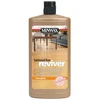 |
Minwax Hardwood Floor Reviver, Low Gloss, 1 Quart ($36.08) This is the no-sanding route covered below: a clear topcoat that Minwax says will not change your floor color, for floors where the finish is worn but the shade is fine.
|
As an Amazon Associate we earn from qualifying purchases.
Partly, and it depends what you mean by darker. If the floor just looks tired, a clear refresh can renew the finish without changing the existing color. If you want a visibly deeper brown, you are asking new color to sit on top of a sealed finish, and every manufacturer sheet I read treats that as an edge case at best.
The reason is simple. A cured floor finish is a film over the wood. Stain that would normally soak into bare boards has nowhere to go, so whatever you add stays on the surface and wears like a coating instead of like color in the wood. That is why the manufacturers’ own instructions for finished wood keep returning to abrasion, adhesion and test patches.
What the Manufacturer Data Sheets Say About Floors
Most “darken without sanding” advice online skips the one document that settles the question: the technical data sheet. Here is what the sheets and product pages I read for this guide actually say.
| Product | What it is | What the maker says about floors |
|---|---|---|
| Minwax PolyShades | Tinted stain plus polyurethane in one coat | Usable on all interior wood surfaces “with the exception of floors”; not over wax, polish, paint, lacquer or shellac (Minwax data sheet) |
| Varathane Premium Gel Stain | Thick surface-sitting stain | “Not recommended for use on floors, decks or siding”; over an existing finish, lightly sand for adhesion; must be topcoated (Varathane data sheet) |
| Minwax Hardwood Floor Reviver | Clear water-based topcoat | For unwaxed, polyurethane-finished floors; will not change color; no sanding; protection 3 to 6 months (Minwax product page) |
| Bona Mega | Clear waterborne floor finish | Clear and colorless when dry; recoating needs a floor free of wax, polish and oily residue (Bona data sheet) |
| Varathane Premium Floor Finish | Clear oil-modified polyurethane | Recommended for bare or stained floors; surface must be free of wax, grease and polish (Varathane data sheet) |
Read down the middle column and a pattern appears: the two products that add color are the two with floor warnings, and the products built for floors add none. That is the gap in most guides, and it is why this page does not promise a one-weekend color change.
Option 1: Refresh the Finish and Keep the Color
If your real complaint is a dull, scratched look, skip stain entirely. The Minwax product page for Hardwood Floor Reviver describes a topcoat that restores shine, goes over any unwaxed polyurethane-finished floor, and leaves a finish that will not change the color. Cleaning comes first, and Minwax names a mild, oil-free cleaner.
- Vacuum the floor to remove loose dirt, then wash with a mild, oil-free floor cleaner and let it dry completely.
- Test the product on an inconspicuous area for adhesion and compatibility before doing the room.
- Apply the water-based topcoat following the label directions, and keep traffic off until it has dried.
Wax is the trap here. Minwax warns that wax and some floor polishes can stop the topcoat from adhering. Varathane’s floor finish sheet adds a detail people miss: waxes must be removed with a wax stripper, because sanding does not remove wax. If your floor has ever been waxed or polished, a recoat of any kind is no longer a casual job.
For deeper cleaning before any recoat, see our guide to deep cleaning hardwood floors without damage. If the finish itself is worn through, sealing hardwood floors covers the finish choices.
Screen and Recoat: Great for Wear, Not for Color
Screening means lightly abrading the old finish so a fresh coat bonds to it. Bona’s data sheet for its Mega finish says to make sure the floor is free from wax, polish and oily residues, notes that contaminants call for its full recoat system, and warns that adhesion failure can occur if the recoating process is not followed and compatibility has not been tested. Between its own coats it calls for abrasion with 180 to 240 grit abrasives once more than 48 hours have passed.
Notice what is missing: any mention of color. Bona describes Mega as clear and colorless when dry. A screen and recoat is a maintenance step that extends the life of the finish. It is not a darkening method, and no clear recoat should be sold to you as one.
Option 2: Gel Stain Over the Existing Finish (Off-Label)
This is the route behind most “without sanding” tutorials, so it deserves a straight look. Varathane’s gel stain data sheet does allow application over wood with an existing top coat, but it also states the stain is not recommended for floors. Treat this as an off-label experiment on a floor you can afford to redo, not a guaranteed method.
What the Data Sheet Allows
- Prep: for wood with an existing top coat, lightly sand the previous finish to improve adhesion. That is abrasion, not stripping to bare wood.
- Conditions: apply between 50 and 90 degrees F with relative humidity under 85%, with adequate ventilation at all times.
- Application: a thin, smooth coat with the grain using a foam or extra fine bristle brush.
- Drying: at least 2 hours between coats, and Varathane says dry times on finished wood may take up to 24 hours.
- Topcoat required: the stain must be topcoated for protection, after 4 to 8 hours before an oil-based finish (the two Varathane sheets I read differ) and 24 hours before a water-based one.
Where the Plan Gets Risky
Neither maker documents gel stain plus a floor finish as a system. Varathane’s Premium Floor Finish sheet recommends the finish for bare or stained floors and says testing is particularly important over paints or stains. Its recoat time is 12 hours, light use after 24 hours, and normal use after 3 days. That is a long wait for a result that has no published guarantee.
Run the numbers before you start. Varathane lists gel stain coverage at roughly 200 to 250 square feet per quart. A 12 by 15 foot room is 180 square feet, so one coat is under a quart, but you still need the floor finish on top, and more than one coat if the first is too light.
- Pick a closet floor or the area under a rug as your test patch, not the middle of the room.
- Deep clean, confirm there is no wax or polish, and lightly abrade the finish as the data sheet says.
- Apply one thin coat of gel stain, wait the full dry time, and judge the color and the feel under foot.
- Only if the patch bonds and looks right, repeat across the floor in sections, keeping a wet edge to avoid lap marks.
- Topcoat with a floor-rated finish once the stain has dried for the required time.
If you are weighing gel stain against other options in general, our comparison of gel stain vs oil stain explains how they behave on wood.
Why Tinted Polyurethane Is Not the Floor Shortcut It Seems
Tinted poly sounds ideal: color and protection in one coat, over the old finish. The Minwax PolyShades page says it can be used over polyurethane finishes. The Minwax data sheet, however, limits it to interior wood surfaces except floors, and says not to use it over wax, polish, paint, lacquer or shellac.
Coverage makes the floor case even harder. Minwax lists 120 to 150 square feet per quart, and the sheet recommends two coats. For that same 180 square foot room, one coat takes 1.2 to 1.5 quarts, so two coats means roughly 2.4 to 3 quarts. Each coat also needs 8 hours or more to dry before steel-wooling and recoating. The color in tinted poly is also part of the film, so uneven thickness across a big floor risks uneven shade.
When You Have to Sand
If you want a clearly darker, even color across the whole floor, the finish has to come off so stain can reach the wood. This table maps the goal to the honest route.
| What you want | Sanding needed? | Realistic route |
|---|---|---|
| Same color, less dull | No | Clean and apply a clear refresher or screen and recoat |
| Slightly warmer tone, accepting risk | No, but abrade | Off-label gel stain test patch, floor-rated topcoat |
| Clearly darker, even color | Yes | Sand to bare wood, restain, seal |
| Lighter than now | Yes | Sand to bare wood, then restain or bleach |
Our dark floor staining guide walks through the full sand-and-stain process, and changing the color of wood floors covers lightening as well. For stain types and prep, hardwood floor restaining and how to properly restain your floors go through the options. If you decide on the full job, sanding and refinishing like a professional covers the machine side, and restaining engineered floors explains the limits of a thin wear layer.
Fix movement problems first: a floor that squeaks is easier to repair before new finish goes on, as how to fix squeaky wood floors explains. If you want the grain to read more clearly in the final color, making wood grain stand out covers the stain techniques.
Safety Before You Open Any Can
Finishing floors puts solvent, combustible waste and possible lead dust in your home at the same time, so do not skip this section.
- Oily rags can ignite: Minwax warns that rags, steel wool and other waste soaked with PolyShades, and sanding residue, may spontaneously catch fire if improperly discarded. Place them immediately in a sealed, water-filled metal container and follow local fire regulations. Varathane says the same for gel stain rags and waste.
- Sanding dust too: Varathane’s floor finish sheet warns that sanding dust can be a spontaneous combustion hazard, so dispose of collected dust immediately.
- Ventilation and ignition sources: both Varathane gel stain and Minwax PolyShades are mineral-spirits products with flash points around 100 degrees F, so keep flames, sparks and heat sources away and ventilate with fresh air movement.
- Lead: Varathane warns that scraping, sanding or removing old paint may release lead dust, and calls for a NIOSH-approved respirator, a HEPA vacuum and wet mopping. If a floor has ever been painted, treat it as a lead question first.
An open window is not a substitute for a proper respirator where lead dust is possible, so if there is any doubt about old paint, talk to a qualified professional before you abrade anything.
How Long Each Step Takes
A “weekend” floor project is mostly waiting. These are the published times from the data sheets above.
| Step | Published time | Source |
|---|---|---|
| Gel stain, between coats | 2 hours minimum | Varathane gel stain |
| Gel stain, on finished wood | Up to 24 hours | Varathane gel stain |
| Before oil-based topcoat over gel stain | 4 to 8 hours minimum | Varathane gel stain |
| Before water-based topcoat over gel stain | 24 hours | Varathane gel stain |
| Floor finish, between coats | 12 hours | Varathane floor finish |
| Floor finish, light use | 24 hours | Varathane floor finish |
| Floor finish, normal use | 3 days | Varathane floor finish |
| Tinted poly, between coats | 8 hours or more | Minwax PolyShades |
If dark floors are a style decision rather than a repair, see how the look ages with are dark wood floors out of style and brown wood floor shades before committing.
Frequently Asked Questions
Can you darken hardwood floors without sanding?
Only slightly, and not with a product made for it. A clear refresher or recoat adds no color. A gel stain over a sealed finish can shift the tone, but Varathane states its gel stain is not recommended for floors. For a clearly darker, even color, the finish has to come off so stain can reach the wood.
What happens if you stain over polyurethane?
Stain cannot soak into a sealed finish, so it sits on the surface. Varathane tells you to lightly sand the old finish for adhesion and says dry times on finished wood can reach 24 hours. Without a floor-rated topcoat the color layer can wear through in traffic areas, which is why testing a hidden patch first matters.
Can you use Minwax PolyShades on a hardwood floor?
No. The Minwax technical data sheet says PolyShades can be used on all interior wood surfaces with the exception of floors. It is a stain and polyurethane in one coat, and Minwax also says not to use it over wax, polishes, paint, lacquer or shellac.
Does Minwax Hardwood Floor Reviver change the color of the floor?
No. Minwax describes Reviver as a crystal-clear topcoat that will not change the color of your floor. It is meant for unwaxed, polyurethane-finished floors, needs no sanding, and Minwax says it provides beauty and protection for 3 to 6 months.
Is screen and recoat the same as darkening a floor?
No. Screening abrades the old finish so a new coat bonds, and the new coat is normally clear. Bona describes its waterborne Mega finish as clear and colorless when dry, so a recoat refreshes the surface without changing the shade.
What is the safest way to get a darker hardwood floor?
Sand to bare wood and restain, then seal with a floor-rated finish. It is more work than a weekend recoat, but it is the route floor products are written around. Test the color on a spare board or hidden area before committing the whole room.
Sponsored / affiliate links. As an Amazon Associate I earn from qualifying purchases. I may earn additional commission from eligible campaigns.